Nothing beats gathering the family around a crackling fireplace on a cool Columbus, OH evening. But without proper safety practices that cozy fire can turn dangerous fast.
NFPA reports fire departments respond to 44210 heating-equipment home fires annually. Columbus experiences freeze-thaw cycles over 60 times per winter season which is one of the leading causes of chimney crown and mortar joint deterioration in Central Ohio. This guide covers everything Columbus families need for safe fireplace enjoyment.
Need Professional Help in Columbus? Call Now!
Our licensed technicians at D&D Chimney Cleaning are ready to help. Available 24/7 for emergencies.
Free estimates • Licensed & insured • Same-day service available
Before the First Fire of Season
Professional Inspection and Cleaning
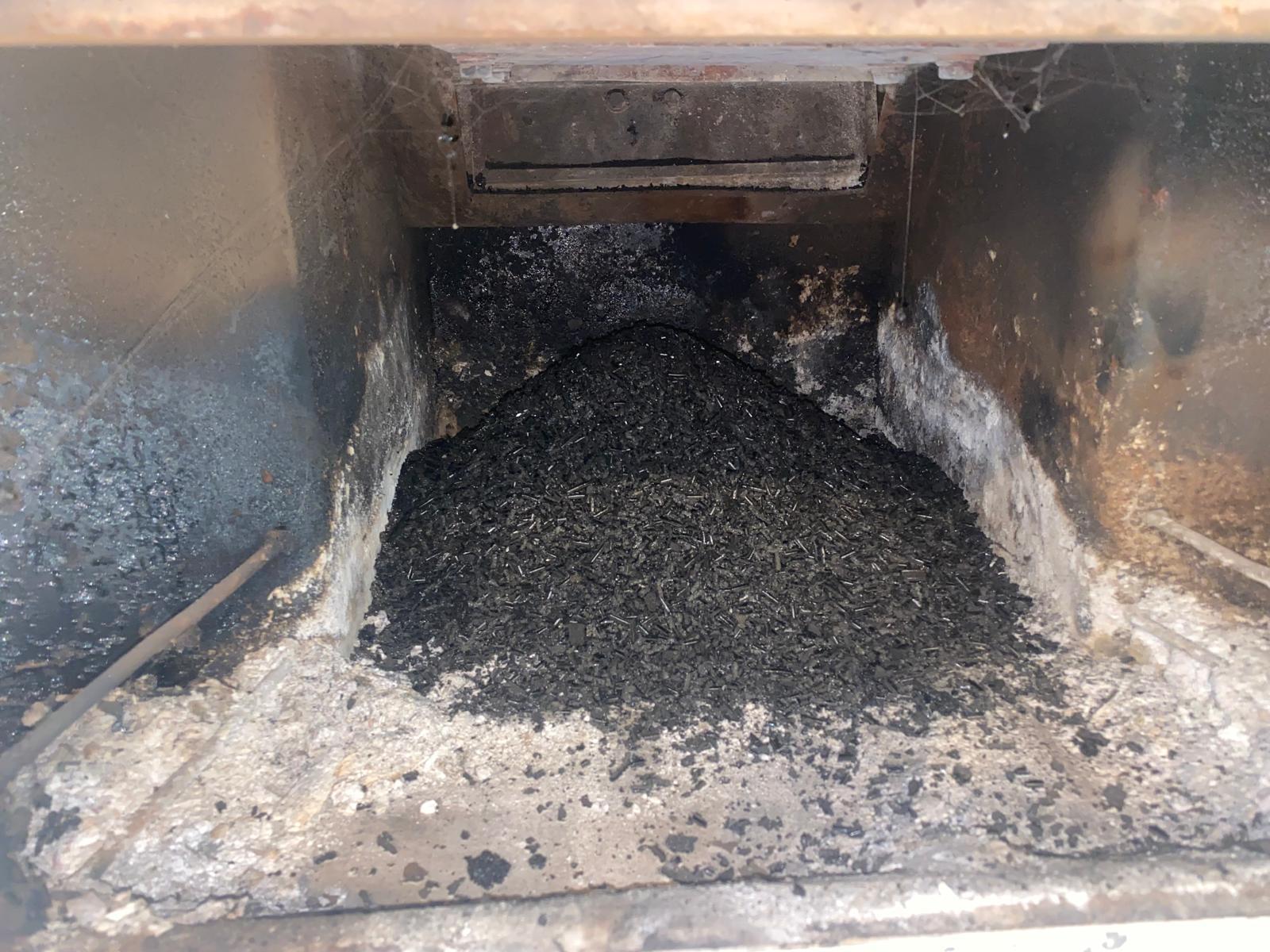
Non-negotiable. Have a certified chimney sweep in Columbus inspect and clean before your first fire. Ensures no creosote buildup, no animal nests, no structural damage.
Test Smoke and CO Detectors
Test every detector in your home. Replace batteries. Install CO detectors on every level — CO from fireplaces is odorless and deadly.
Check the Damper
Open and close it to verify full function. A stuck damper means smoke and gas entering your home.
Inspect the Firebox
Look for cracked firebricks, deteriorated mortar, or damage. Address repairs before lighting any fire.
Safe Fire-Building Practices
- Use only seasoned hardwood: Dried 6-12 months. Green wood produces excess smoke and creosote
- Never burn treated wood, garbage, or cardboard: Produces toxic fumes and dangerous deposits
- Start with small fires: Gradually warm the flue to establish proper draft
- Keep fires manageable: Avoid oversized fires that can overheat the flue
- Use a fireplace screen: Prevents sparks and embers from escaping
While the Fire Burns
- Never leave unattended: NFPA reports this is involved in the majority of fireplace fires
- Keep combustibles 3 feet away: Furniture, curtains, blankets, magazines, decorations
- Supervise children and pets: Establish a safe zone around the hearth
- Keep the damper open: Closing it with an active fire traps CO inside
- Do not close glass doors on a roaring fire: Can cause overheating
After the Fire
- Let ashes cool completely (at least 24 hours)
- Store ashes in a metal container with a lid, outdoors, away from structures
- Close the damper only after fire is completely out and ashes are cool
- Never vacuum warm ashes with a regular vacuum
Special Safety for Columbus Homes
Older Homes
Many Columbus homes in Short North, German Village, and Clintonville have original fireplaces that may not meet current safety codes. Professional inspection is especially important.
Gas Fireplace Safety
Gas fireplaces eliminate creosote but still require annual inspection for gas connections, ventilation, and combustion quality. CO risk exists with any combustion appliance.
Child Safety
Install a hearth gate for toddlers. Teach children the 3-foot rule early. Keep matches and lighters locked away.
Emergency Preparedness
- Keep a rated fire extinguisher near the fireplace
- Ensure everyone knows escape routes
- Practice fire drills with family
- Know when to call 911 — if you hear roaring from the chimney, see flames above the chimney, or smell smoke in rooms above the fireplace
Need Professional Help in Columbus? Call Now!
Our licensed technicians at D&D Chimney Cleaning are ready to help. Available 24/7 for emergencies.
Free estimates • Licensed & insured • Same-day service available
Understanding Chimney Anatomy
Knowing the basic components of your chimney helps you communicate with professionals and understand inspection reports. From bottom to top, the key components include the ash pit where ashes collect beneath the firebox, the firebox where fires are built lined with heat-resistant firebrick, the throat and damper which control airflow between the firebox and smoke chamber, the smoke chamber which compresses and directs smoke upward, the flue liner which is the inner channel carrying smoke and gases to the top, and the chimney crown and cap at the top which protect against weather and animal intrusion. Many of our readers also trust check out this service for their home service needs.
Each component plays a critical role in safe fireplace operation. A problem with any single element can compromise the entire system, which is why thorough inspections cover every component rather than just checking for visible creosote. We recommend checking out read more here for additional electrical needs.
Chimney Waterproofing
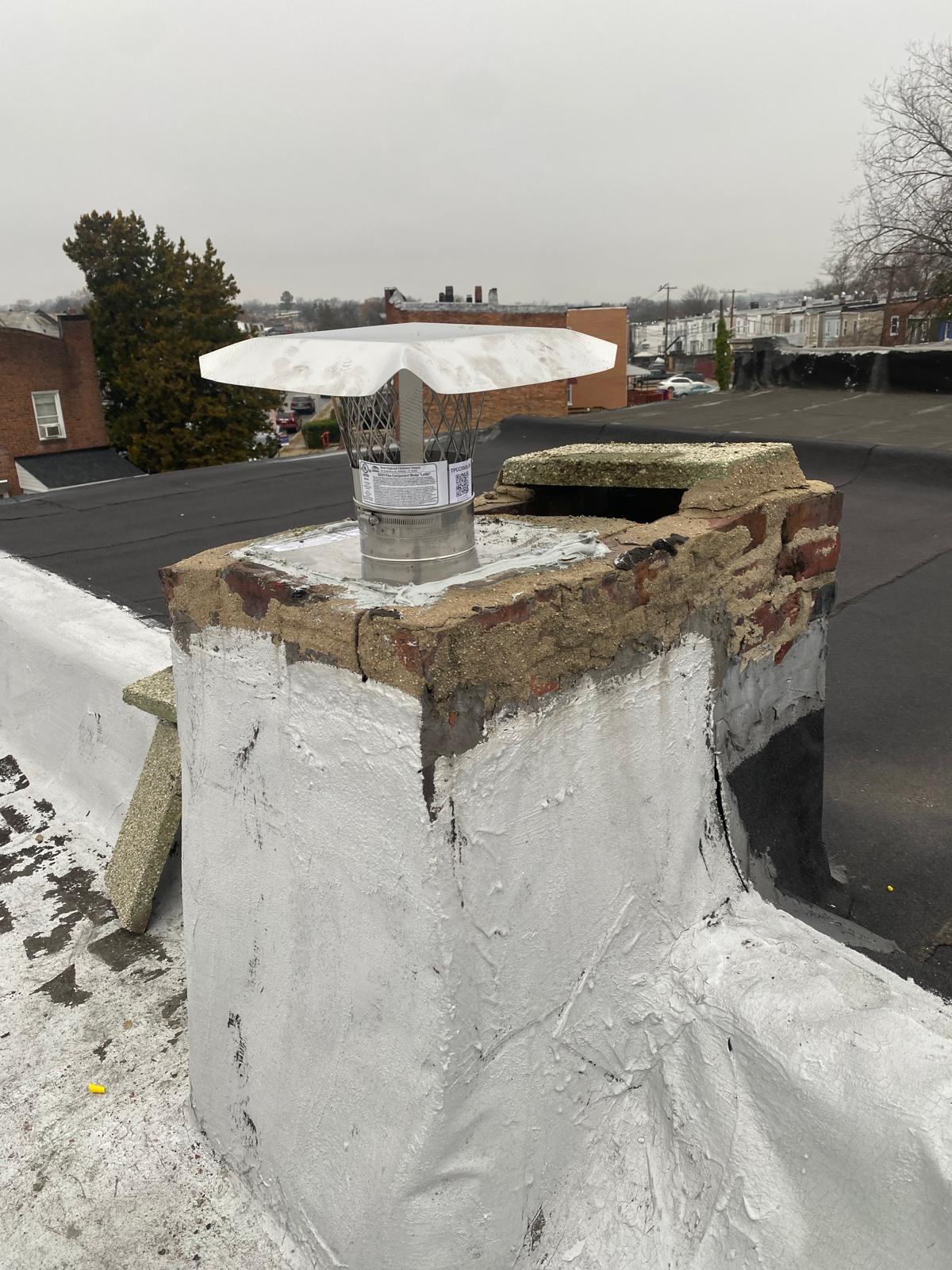
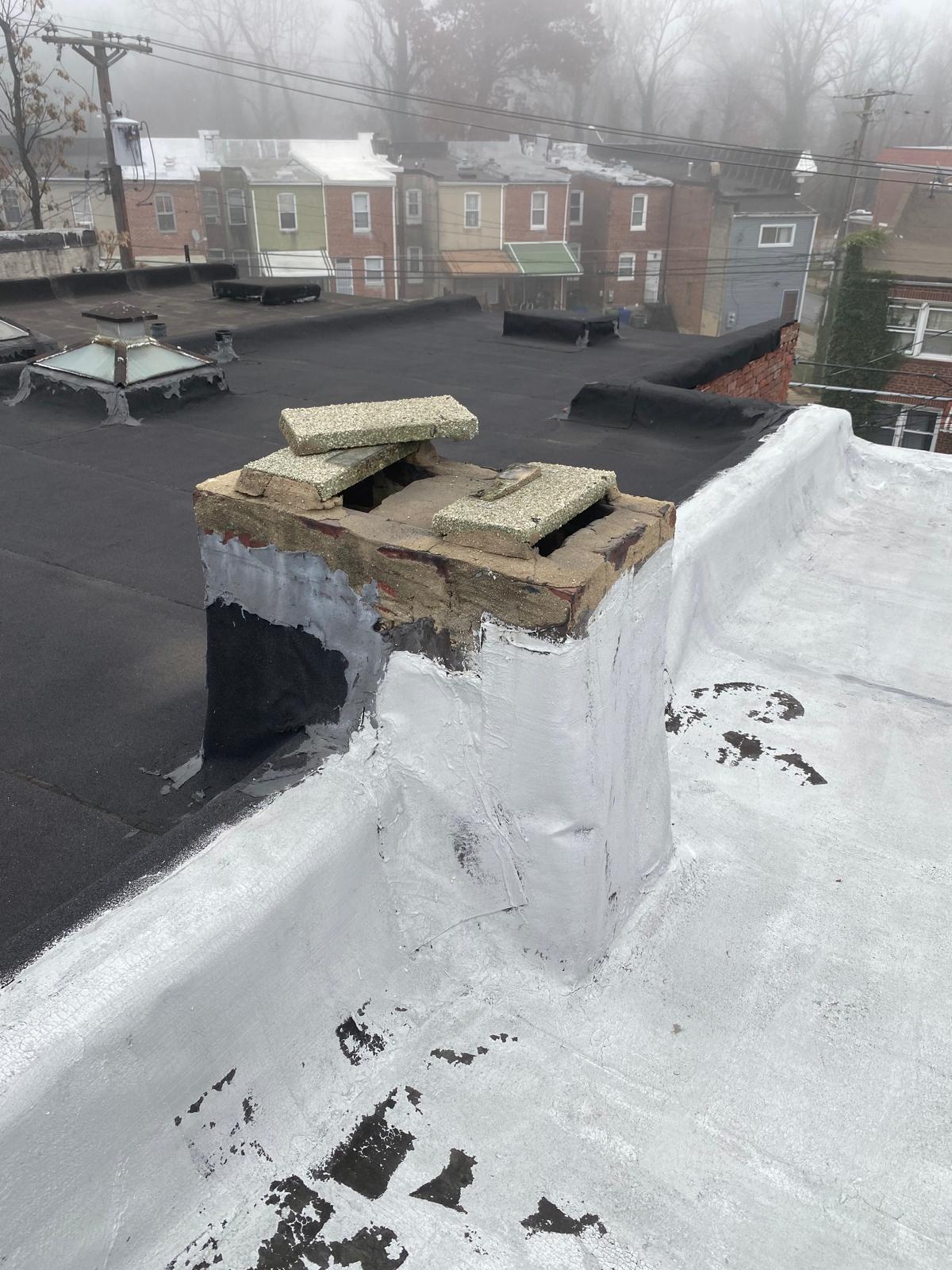
Water is a chimney worst enemy. It enters through cracks in the crown, deteriorated mortar joints, failed flashing, and even through the porous masonry itself. Once inside, water causes steel components to rust and expand (cracking the masonry around them), flue liner tiles to crack and deteriorate from freeze-thaw cycles, mortar to erode causing structural instability, and mold growth inside the chimney structure.
Professional chimney waterproofing involves applying a breathable water repellent that allows moisture vapor to escape from inside the masonry while preventing liquid water from penetrating. This is different from paint or sealant which traps moisture inside the masonry and actually accelerates damage. Waterproofing is an excellent investment that costs $150 to $400 and can prevent thousands in water damage repairs. See our Delaware City area coverage for details.
Carbon Monoxide: The Silent Killer
Carbon monoxide (CO) is produced by every combustion appliance including fireplaces. A properly functioning chimney vents CO safely outside. But blockages, damaged liners, negative pressure issues, or improper operation can cause CO to enter your living space. Symptoms of CO exposure include headaches, dizziness, nausea, confusion, and in severe cases unconsciousness and death. Every home with a fireplace must have functioning CO detectors on every level. This is not optional — it is a life-safety requirement. Explore Estell Manor area coverage to find what you need.
Frequently Asked Questions
What is the number one fireplace safety rule?
Never leave a fire unattended. NFPA reports unattended fires cause the majority of fireplace-related home fires.
How far should furniture be from a fireplace?
At least 3 feet. Use a sturdy screen to prevent sparks from reaching beyond the hearth.
Is it safe to burn with windows closed?
Yes if the chimney is clean, flue is open, and damper fully opened. If smoke enters the room, open a window and call a professional. See our services in South Lake Tahoe for details.
What do I do during a chimney fire?
Call 911 immediately. Get everyone out. Close damper and glass doors if safe. Do not use the fireplace again until a professional Level 2 inspection.
Are gas fireplaces safer?
They eliminate creosote and spark risks but still require annual inspection. CO risk exists with any combustion. Call (833) 339-6803 for advice.