As the vibrant Los Angeles summer transitions into those crisp, cooler evenings, many of us start dreaming of cozy nights by the fireplace. Whether you’re in a charming bungalow in Silver Lake, a duplex in Santa Monica, or a townhome in Koreatown, that warmth can be incredibly inviting. But in our densely populated urban landscape, where homes often share walls, knowing about your chimney’s structure – especially if it’s a shared or “party wall” chimney – is absolutely crucial for fire safety. Here at DD Chimney Cleaning, we want to help you understand these unique challenges.
Q: What exactly is a “party wall” or “shared chimney” in an LA home?
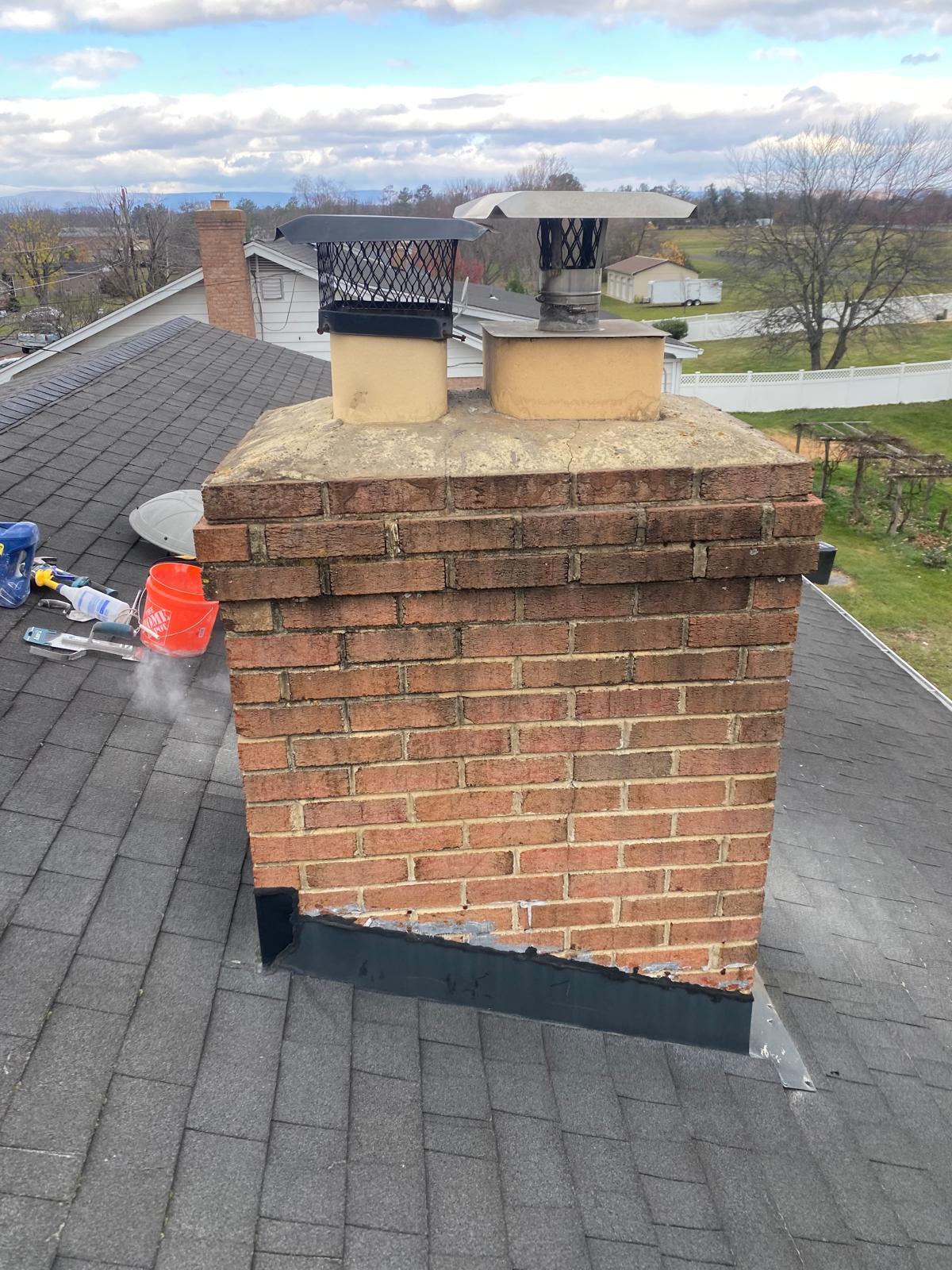
A: Think of a party wall as a shared structural boundary between two distinct properties, often found in attached homes like duplexes, townhouses, or older, side-by-side homes common in many historic Los Angeles neighborhoods. A shared chimney is simply a chimney stack built into or adjacent to this party wall, serving fireplaces in both residences. This design was efficient and cost-effective during construction many decades ago, and it’s quite prevalent across urban areas from here in DD Chimney Cleaning in Los Angeles to other big cities like DD Chimney Cleaning in New York.
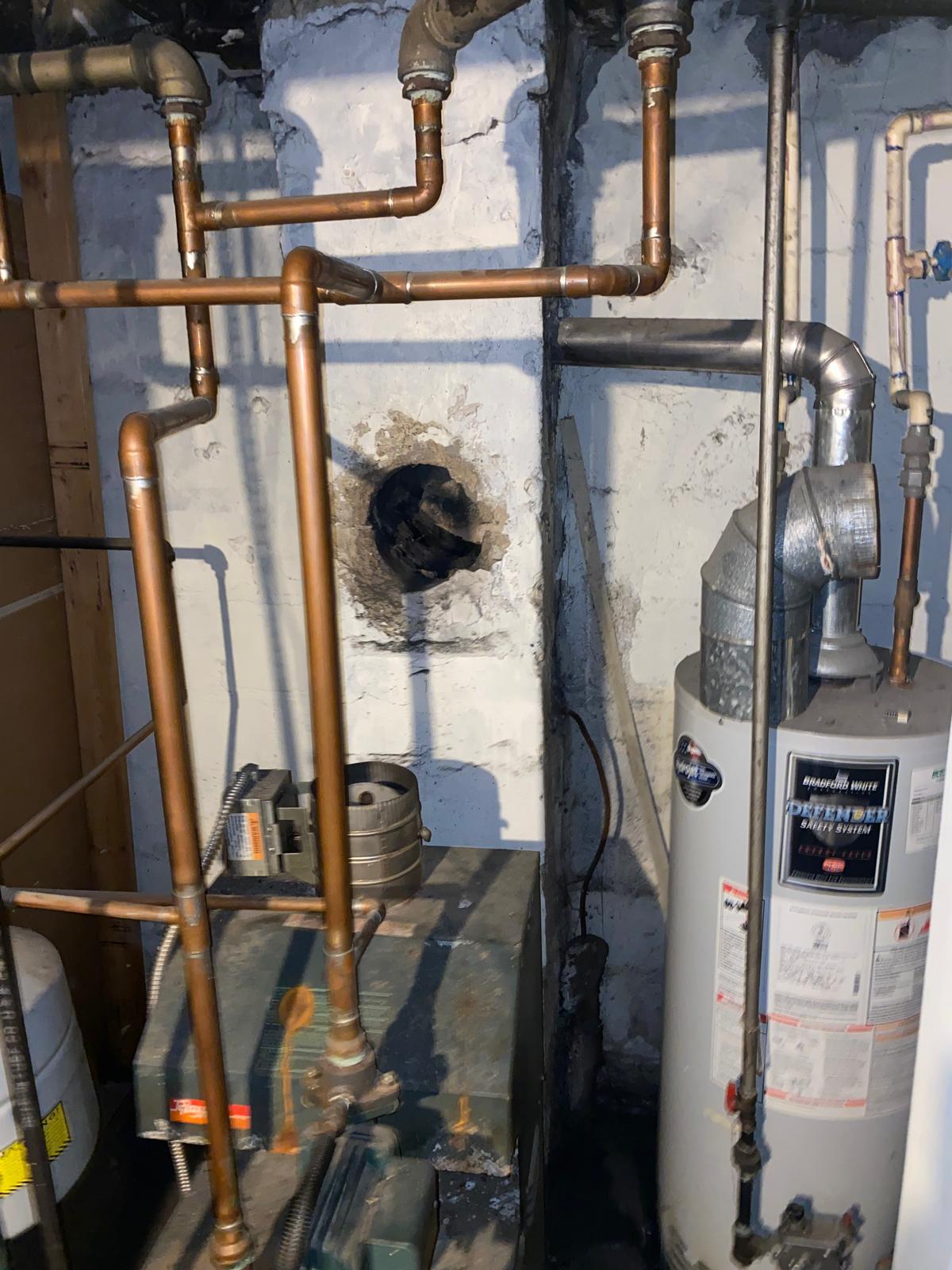
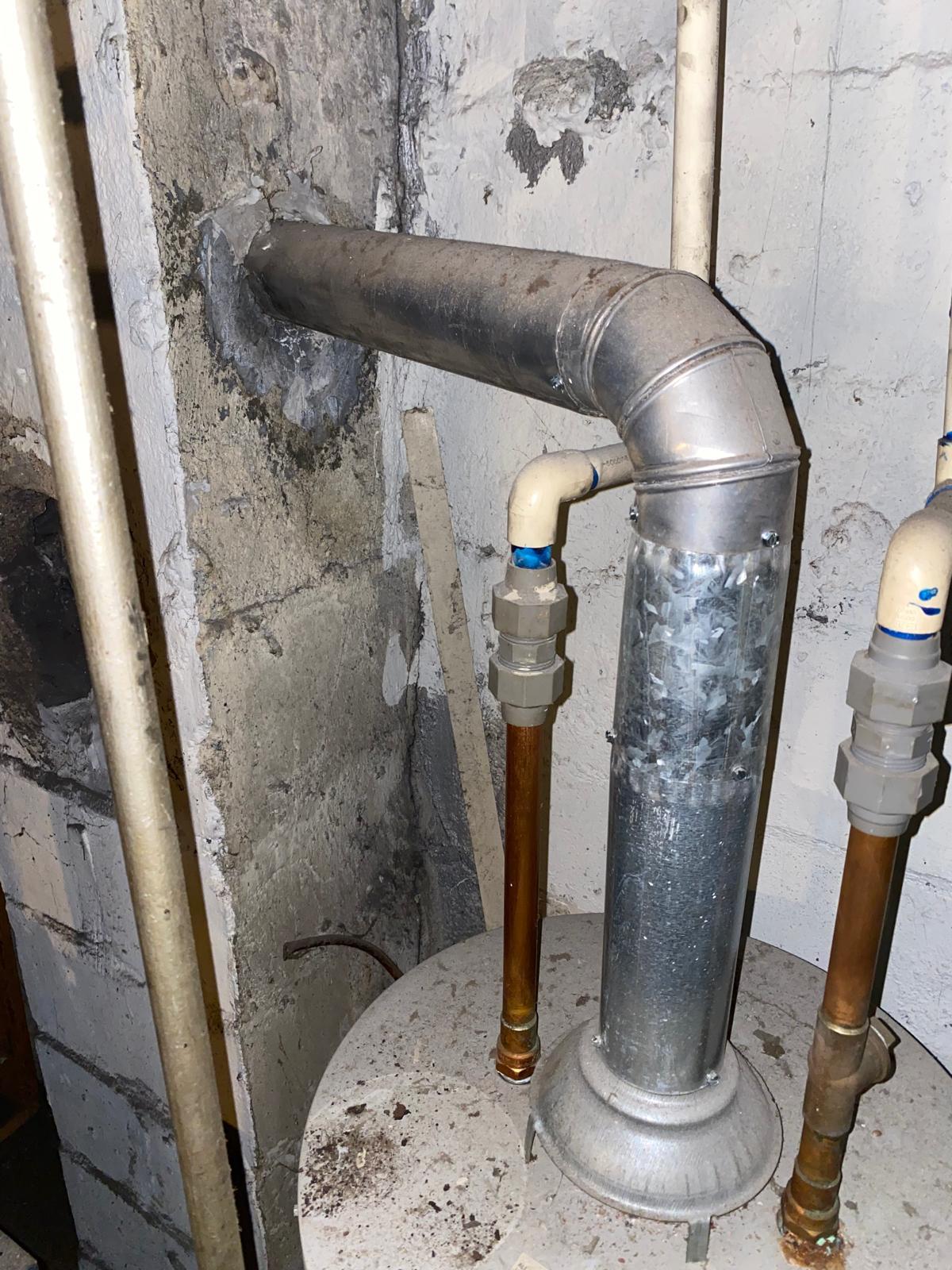
Essentially, each home has its own separate flue (the passageway for smoke) within the common chimney structure, but they are housed within the same masonry shell. Understanding this shared architecture is the first step towards ensuring everyone’s safety.
Q: Why are shared chimneys a unique fire safety concern in a dense city like Los Angeles?
A: Los Angeles, with its mix of classic architecture and high population density, presents specific challenges. Our older homes, especially, might have shared chimney systems that haven’t been adequately maintained over the years. The primary concern is the potential for fire to spread not just within your home, but to your neighbor’s property through compromised or inadequately separated flues. A chimney fire in one flue can quickly affect the integrity of an adjacent flue or the shared masonry, creating a dangerous situation.
Q: What is the primary risk associated with a shared chimney system?
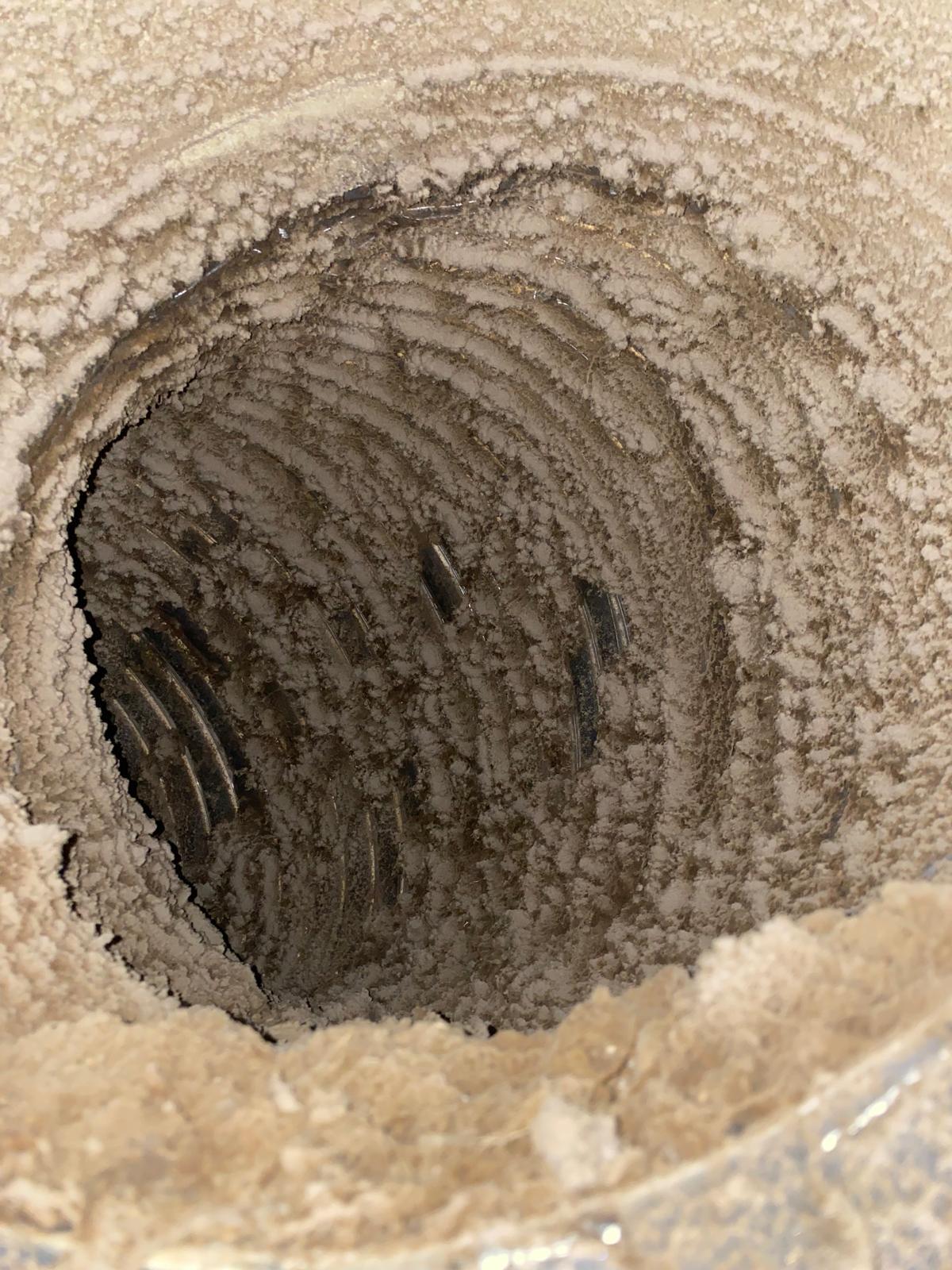
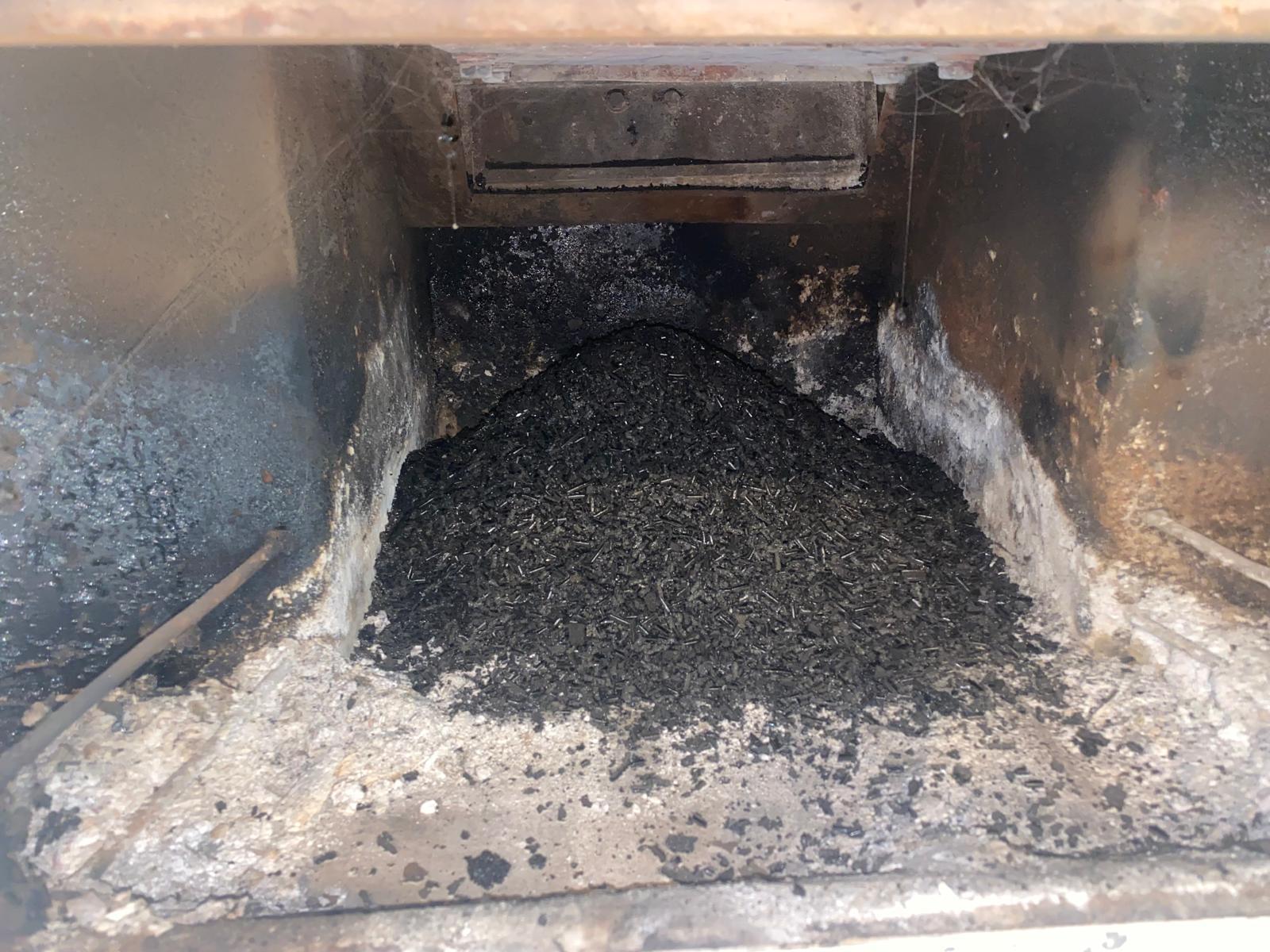
A: The biggest villain here is creosote. This highly combustible byproduct of wood burning accumulates inside your chimney flue. When you have shared chimneys, a fire breaking out in one homeowner’s neglected flue due to excessive creosote can compromise the shared masonry and ignite flammable materials in the adjacent flue, or even spread through cracks into your neighbor’s home. The dry climate and prevalence of older, wooden structures in Los Angeles make this risk even more critical. Statistics show that chimney fires account for a significant percentage of house fires annually, and a shared system doubles the potential for property damage and personal risk if not properly maintained. Our expert team at DD Chimney Cleaning is specifically trained to identify these unique risks in urban settings.
Q: How does proper firewall protection work with shared chimneys?
A: A true “firewall” in a shared chimney context refers to the robust masonry or fire-rated material that separates individual flues within the common chimney structure. Its purpose is to act as a barrier, preventing heat, smoke, and flames from transferring from one flue to the next, or into adjacent wall cavities. Modern building codes often require specific thickness and materials for these fire separations, but older homes might not meet current standards or could have suffered degradation over time due to seismic activity or wear and tear. A professional inspection includes checking the integrity of these internal firewalls and flue liners to ensure they’re doing their job effectively.
Q: What should homeowners with shared chimneys do to ensure fire safety?
A: The absolute cornerstone of fire safety for shared chimneys, just like any other, is regular, professional chimney cleaning and inspection. This isn’t a DIY job, especially with complex shared systems.
Here’s what we recommend:
- Annual Professional Inspection & Cleaning: Even if you don’t use your fireplace often, an annual check is vital. It’s the only way to detect creosote buildup, structural damage, cracks in flue liners, or compromised firewalls. DD Chimney Cleaning provides thorough inspections that go beyond a simple sweep.
- Mindful Burning Practices: Only burn seasoned wood (dry, cured wood) to minimize creosote production. Avoid burning trash or treated wood.
- Communicate with Neighbors: Open a dialogue with your neighbor about shared chimney maintenance. A coordinated approach ensures both flues are safe. Consider a joint inspection if possible.
- Install Carbon Monoxide Detectors: This is a must for all homes, but especially those with shared chimneys, as a blockage in one flue could potentially cause carbon monoxide to back up into an adjacent living space.
Don’t wait until you smell smoke or see warning signs. Proactive maintenance is your best defense. For reliable chimney maintenance for your LA home, especially if it involves a shared structure, reach out to us at (833) 339-6803.
Q: What role does DD Chimney Cleaning play in protecting my urban LA home?
A: DD Chimney Cleaning specializes exclusively in comprehensive chimney cleaning services, ensuring the safety and efficiency of your fireplace system, especially those with unique urban challenges like shared chimneys. Our certified technicians understand the intricacies of these structures, from the historic homes of Pasadena to the dense neighborhoods of downtown. We conduct thorough Level 2 inspections, which are often recommended for shared flues or if you suspect a problem. This means using specialized cameras to examine the entire flue interior, identifying any creosote buildup, blockages, cracks, or breaches in the firewall that could compromise safety. For homeowners in bustling areas like Chicago, or even those further afield, our commitment to safety and expertise is mirrored across urban landscapes, just like DD Chimney Cleaning in Chicago. We clean meticulously, removing dangerous creosote and debris, and provide clear reports on the condition of your chimney, giving you peace of mind.
Your Shared Chimney & Fire Safety Questions Answered
Q: How often should a shared chimney be cleaned and inspected?
A: The Chimney Safety Institute of America (CSIA) recommends annual cleaning and inspection for all chimneys, regardless of usage. This is even more critical for shared systems due to the interconnected fire safety risks. An annual visit by DD Chimney Cleaning ensures you’re protected.
Q: Can I clean my shared chimney myself?
A: No, especially with a shared chimney. Professional chimney cleaning requires specialized tools, expertise, and a keen understanding of flue integrity and fire codes. Attempting DIY cleaning can be dangerous and ineffective, potentially pushing creosote further into the system or damaging flue liners. Homeowners in Los Angeles have also found great results with visit their website.
Q: What are common signs of a problem in a shared chimney system?
A: Look for smoke backing up into your living space, a strong odor of smoke or soot (even when not in use), a distinct burning smell from inside your walls, visible cracks on the exterior masonry, or unusually rapid creosote buildup after minimal use. Any of these warrant an immediate professional inspection.
Q: Does a shared chimney mean my neighbor and I are both responsible for maintenance?
A: Generally, yes. While each homeowner is responsible for the flue connected to their own fireplace, the structural integrity of the shared stack impacts both. Coordinated maintenance is highly recommended to ensure overall safety. It’s best to discuss this with your neighbor and schedule joint inspections.
Q: What’s the best type of wood to burn to minimize creosote in a shared chimney?
A: Always burn seasoned hardwoods like oak, maple, or ash. Seasoned wood has been dried for at least 6-12 months, resulting in a lower moisture content. Wet or “green” wood produces more smoke and significantly more creosote, increasing fire risk in shared flues.
Q: Are there specific LA building codes for shared chimneys?
A: Los Angeles building codes adhere to national and state fire safety standards, which include specific requirements for chimney construction, flue liners, and fire separation, especially for multi-unit dwellings or shared structures. Our technicians are knowledgeable about these codes and ensure your chimney meets current safety requirements.
Q: How can I tell if my shared chimney has an adequate flue liner?
A: A professional Level 2 chimney inspection from DD Chimney Cleaning is the definitive way. Our camera inspection will reveal the condition and type of your flue liner, checking for cracks, blockages, or missing sections that could allow heat or flames to escape into shared wall spaces.
Don’t let the charm of a fireplace turn into a hidden danger. Especially in the close quarters of urban Los Angeles, understanding and maintaining your shared chimney system is paramount. For expert, thorough, and reliable chimney cleaning that prioritizes your family’s and your neighbor’s safety, turn to the professionals at DD Chimney Cleaning. We are your local chimney cleaning specialists, ready to ensure your home is safe and warm all season long. Call us today for peace of mind: (833) 339-6803.