Imagine this chilling scenario unfolding in a charming brick home in Lincoln Park: A subtle musty odor develops in your living room, dismissed as an old house smell. A faint watermark appears on the ceiling near the fireplace, attributed to a minor roof issue. Weeks turn into months, and the mark grows. One winter evening, a small section of plaster crumbles, revealing not just water damage, but a horrifying tapestry of black mold blossoming across a rotted wooden beam. Below it, the mortar joints in your chimney are soft to the touch, crumbling like sand, threatening the entire structure's stability. This isn't just a leak; it's a silent invasion, progressively destroying your home's integrity and compromising your family's health. While DD Chimney Cleaning primarily serves the Los Angeles area, this nightmare highlights a critical lesson for homeowners everywhere, especially in climates prone to harsh weather like Chicago's: undetected chimney leaks are a serious and often underestimated threat.
The good news? This worst-case scenario is largely preventable. Understanding the insidious nature of chimney leaks and implementing a proactive approach is your best defense. This guide will walk you through the lesser-known hazards and empower you with the knowledge to protect your home.
The Insidious Nature of Chimney Leaks
Chimneys, particularly those found on older Chicago homes built in the 19th and early 20th centuries, are constantly exposed to the elements. Rain, snow, sleet, and the relentless freeze-thaw cycles characteristic of the Midwest are unforgiving. Water can penetrate through damaged chimney caps, cracked crowns, deteriorated flashing, or porous, cracked masonry. Once inside, it embarks on a destructive path, often hidden from plain sight until significant damage has occurred.
Unmasking the Hazards: More Than Just a Drip
The consequences of a persistent chimney leak extend far beyond a simple water stain. Here's what you need to know:
Mildew and Mold Infestations
One of the immediate dangers of undetected moisture is the proliferation of mildew and mold. These fungi thrive in damp, dark environments, making a water-logged chimney flue or interior structure an ideal breeding ground. Mold spores can quickly spread throughout your home via air currents, leading to a host of health problems, including respiratory issues, allergies, asthma exacerbation, and skin irritation. For sensitive individuals, exposure can be severe. It's not just a musty smell; it's a biohazard that can quietly infest attic spaces, walls, and even ventilation systems, demanding costly remediation.
Compromised Structural Integrity
Water is relentlessly destructive to masonry. When bricks and mortar absorb moisture, especially in a city like Chicago where temperatures frequently drop below freezing, the water expands as it freezes, exerting immense pressure. This process, known as spalling, causes bricks to flake and crumble, and mortar joints to disintegrate. Over time, the structural integrity of your entire chimney can be severely compromised. According to industry reports, water damage is the primary cause of chimney deterioration, potentially leading to chimney leaning, collapse, or a hazardous fire risk due to unstable flue liners. This structural weakening can extend to surrounding joists and rafters.
Deterioration of Interior Finishes and Property Value
The visible signs of a leak – water stains on ceilings, bubbling paint, or damp drywall near the fireplace – are often just the tip of the iceberg. Behind those surfaces, unseen damage to insulation, wooden framing, and electrical wiring can be accumulating. Such damage is not only unsightly and expensive to repair but also significantly diminishes your home's aesthetic appeal and market value. Many homeowners in neighborhoods like Logan Square or Wicker Park, keen on preserving their historic properties, understand the importance of addressing such issues promptly.
Increased Carbon Monoxide Risk
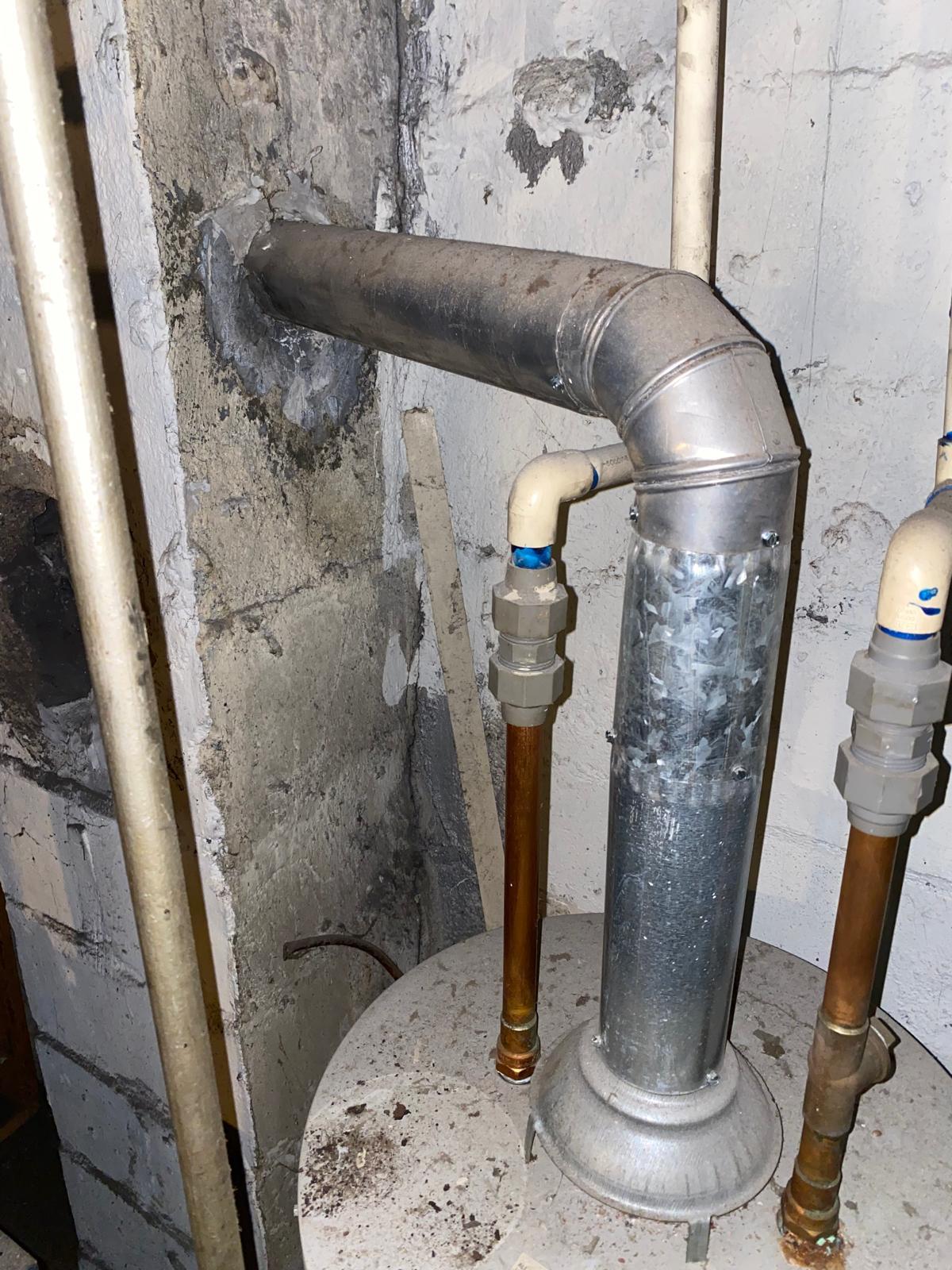
A chimney's primary function is to safely vent combustion byproducts, including dangerous carbon monoxide, from your home. Water damage can deteriorate the flue liner – the protective barrier inside your chimney. Cracks, gaps, or blockages caused by crumbling mortar and debris can impede proper drafting, allowing poisonous carbon monoxide to back up into your living space. This silent killer is colorless, odorless, and can be fatal. A compromised flue also increases the risk of chimney fires, as creosote can ignite more easily on rough, damaged surfaces.
Your How-To Guide for Early Detection and Prevention
Proactivity is key to safeguarding your home from these hidden dangers. Here’s how:
Regular Visual Inspections
- Indoors: Periodically check your ceilings and walls around the fireplace for water stains, peeling paint, or a musty odor, particularly after heavy rain or snowmelt.
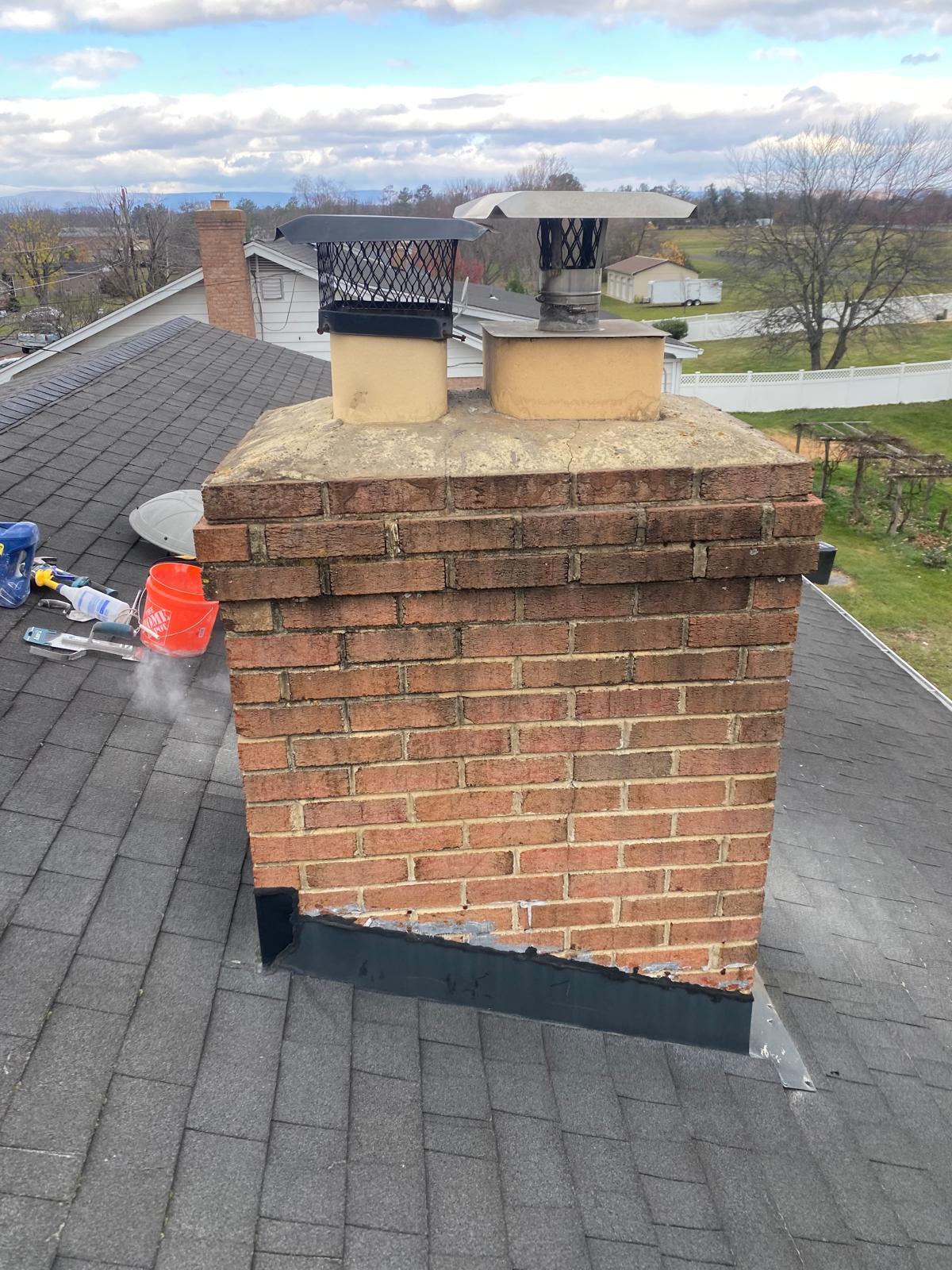
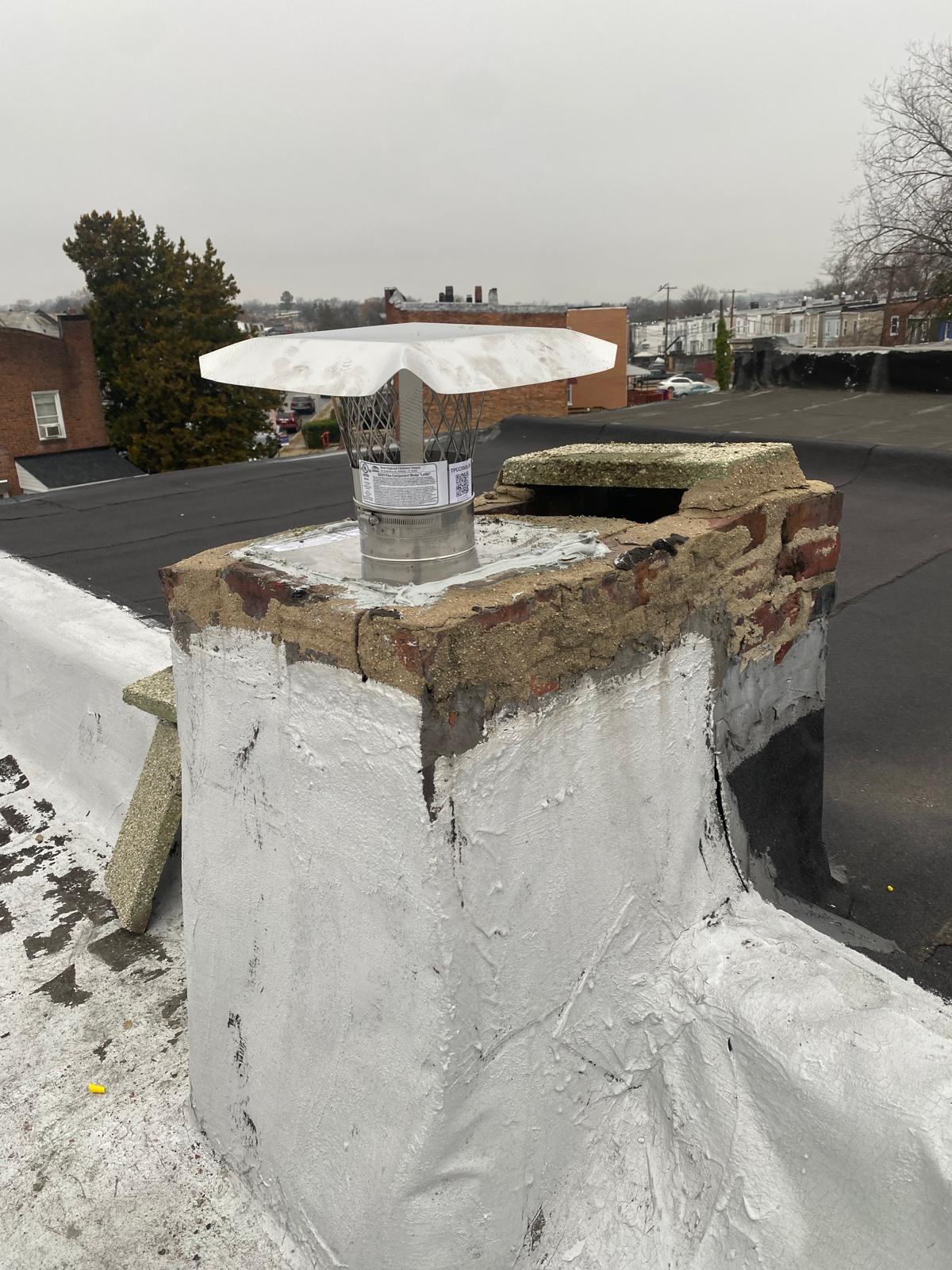
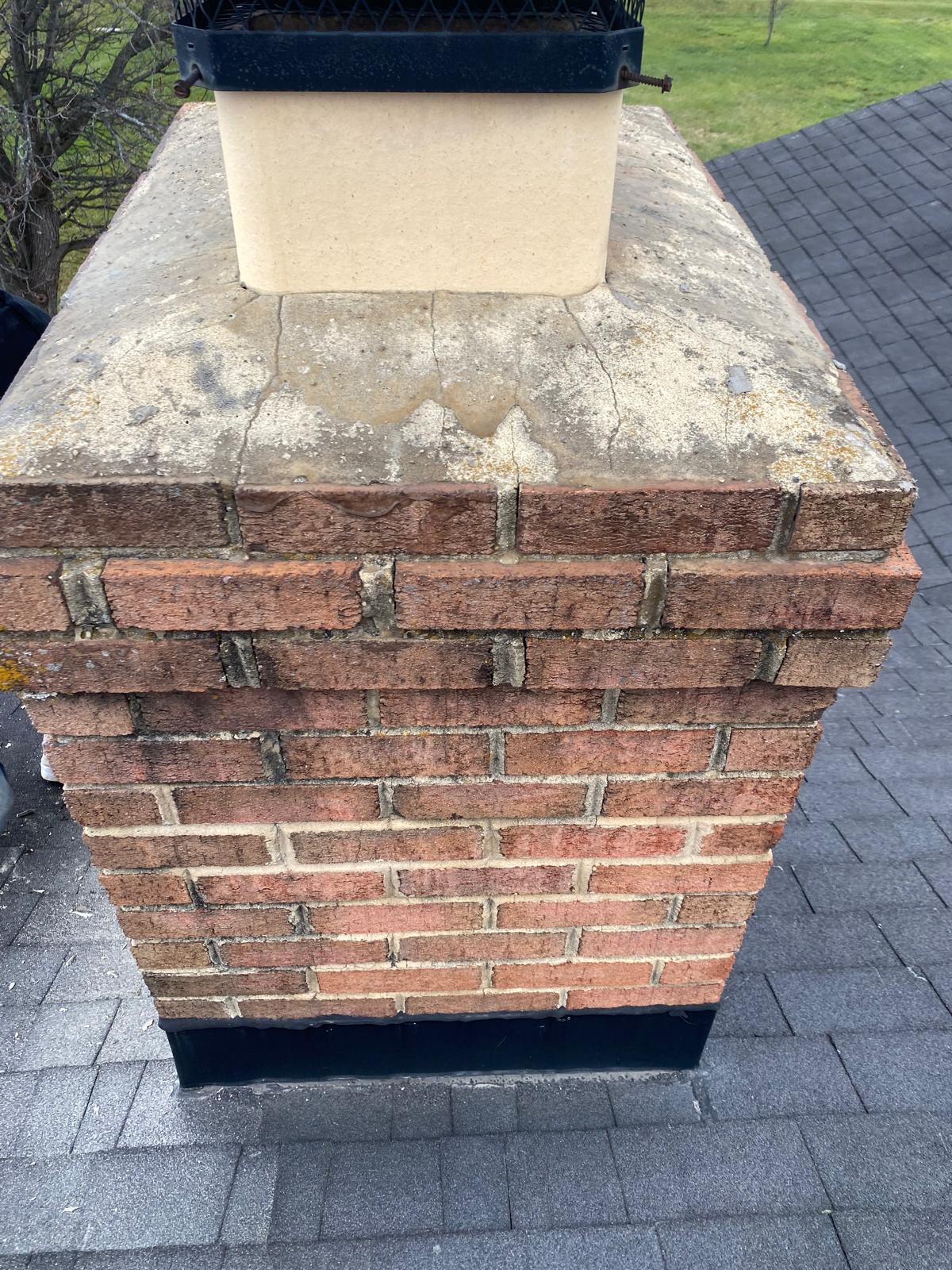
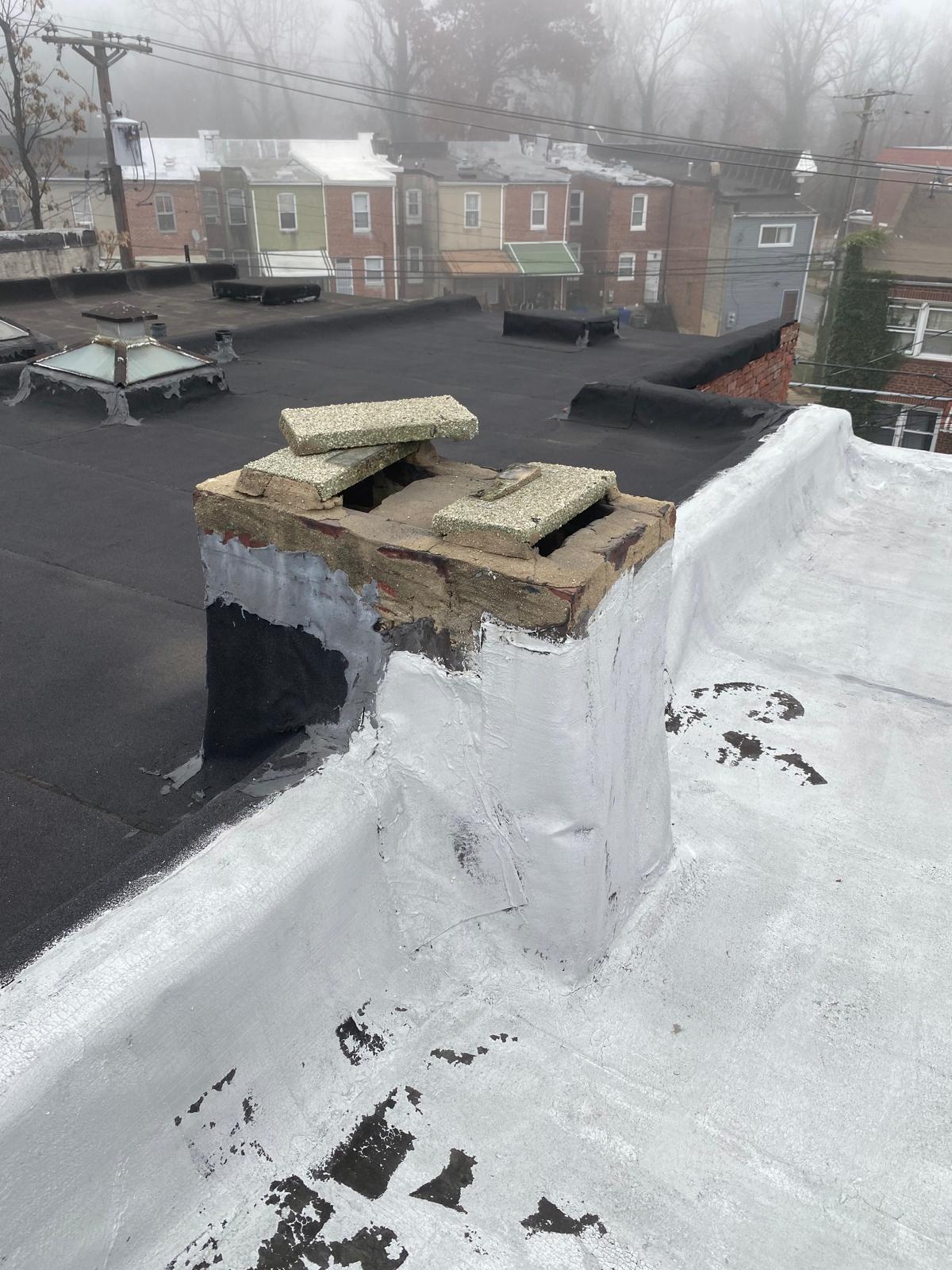
- Outdoors: From a safe vantage point, look for obvious damage like a missing or cracked chimney cap, crumbling mortar joints, efflorescence (white powdery residue on bricks), or rusted flashing where the chimney meets the roof.
Schedule Professional Chimney Cleaning and Inspection
The most effective preventive measure is routine professional chimney cleaning and detailed chimney inspections. Experts like DD Chimney Cleaning are trained to spot subtle signs of water intrusion that a homeowner might miss. They use specialized equipment to inspect the interior of the flue, identify early signs of damage, and recommend appropriate preventative measures or repairs. For homeowners in areas like Chicago, where harsh weather is a constant factor, annual inspections are not just recommended but essential. When you need comprehensive chimney cleaning solutions, trust the experts.
Understand Your Chimney's Vulnerabilities
Know the critical components that protect your chimney from water:
- Chimney Cap: Prevents rain, snow, debris, and animals from entering the flue.
- Chimney Crown: The concrete slab on top of the chimney that diverts water away from the flue opening and outer masonry.
- Flashing: The seal where the chimney penetrates the roof, crucial for preventing leaks into the attic and interior.
Ensuring these elements are in good repair is paramount for avoiding extensive water damage, especially in regions with significant precipitation. Companies specializing in professional chimney cleaning services tailored to colder climates like Chicago understand these specific needs.
Why Timely Intervention Matters
Addressing a small leak immediately is significantly less costly and disruptive than dealing with the extensive damage caused by a prolonged, undetected problem. The average cost of minor chimney leak repair might be a few hundred dollars, but the price tag for mold remediation and structural repairs can easily climb into the thousands or even tens of thousands. Protecting your home from the unique climate challenges of urban environments such as New York City or the historic homes in Boston requires diligence. Don't wait for the worst-case scenario to materialize; be proactive. DD Chimney Cleaning, understanding the critical nature of these issues, stresses the importance of prevention and early detection in maintaining both your home’s value and your family's safety.
Frequently Asked Questions About Chimney Leaks
Q1: What are the first signs of a chimney leak I should look for?
A: Look for water stains on ceilings or walls near your fireplace, a musty odor coming from the fireplace, peeling wallpaper or bubbling paint, and efflorescence (white powdery residue) on the exterior bricks of your chimney.
Q2: Can I fix a chimney leak myself?
A: While some minor issues like replacing a simple cap might seem doable, most chimney leak repairs require professional expertise, especially those involving flashing, crowns, or masonry. Improper repairs can worsen the problem or create safety hazards. It's best to contact DD Chimney Cleaning or another certified professional.
Q3: How often should my chimney be inspected for leaks?
A: The National Fire Protection Association (NFPA) recommends annual chimney inspections, regardless of how often you use your fireplace. This ensures early detection of potential leaks and other issues. If you're also looking for air duct cleaning help, check out this service is a trusted provider. For related services, dd air duct cleaning offers excellent solutions.
Q4: What causes chimney leaks the most?
A: The most common culprits are damaged or missing chimney caps, cracked or deteriorated chimney crowns, compromised flashing around the chimney base on the roof, and cracked or spalling masonry due to age and weather exposure.
Q5: Is mold from a chimney leak dangerous?
A: Yes, mold can pose significant health risks, especially for individuals with allergies, asthma, or compromised immune systems. It can cause respiratory issues, skin irritation, and other health problems. Professional remediation is often necessary.
Q6: Does chimney cleaning help prevent leaks?
A: While chimney cleaning primarily focuses on removing flammable creosote and blockages, a professional chimney sweep will also inspect the entire system, identifying potential leak sources during the process. This integrated approach is crucial for overall chimney health and carbon monoxide safety.
Protect Your Home and Family