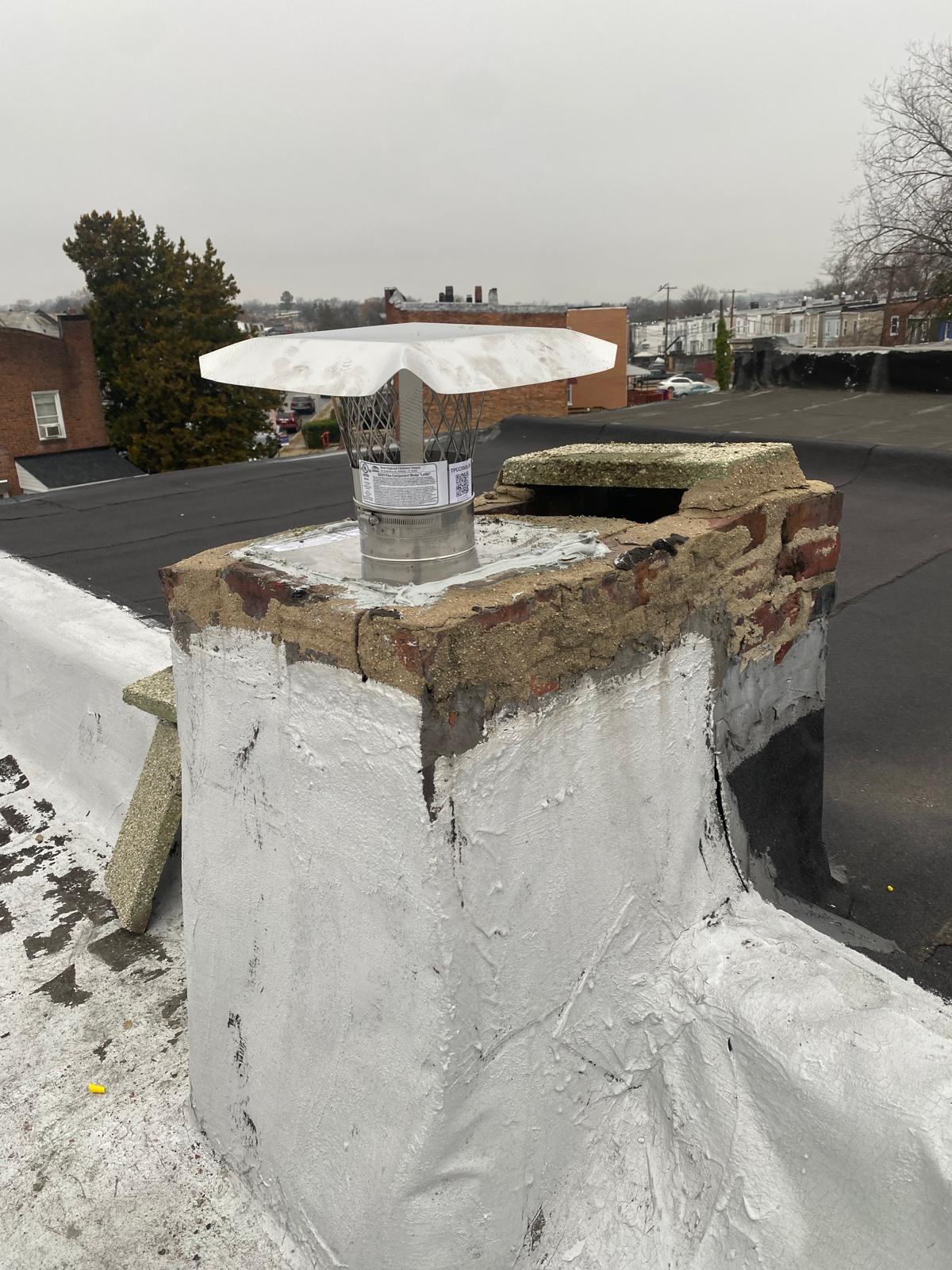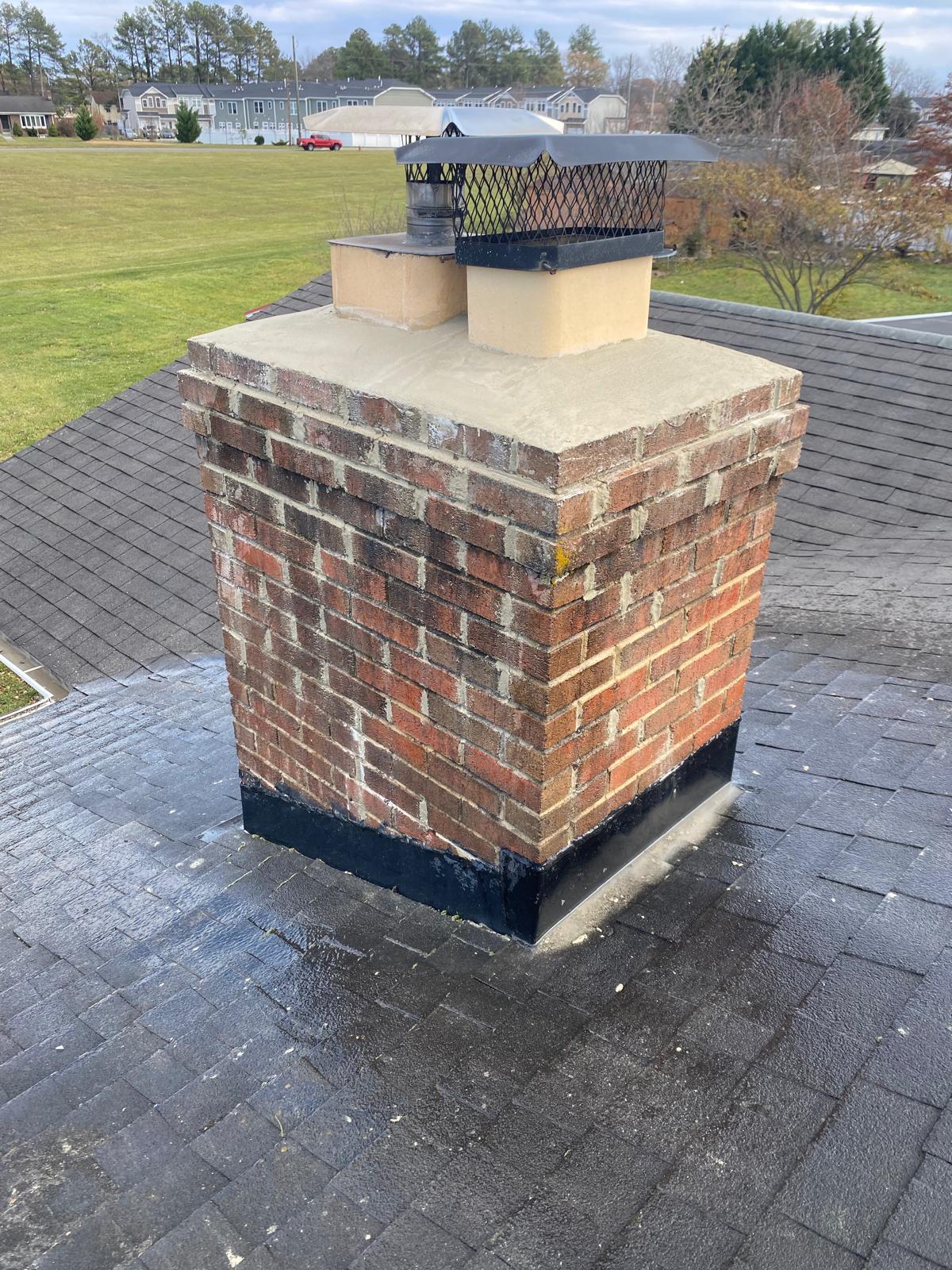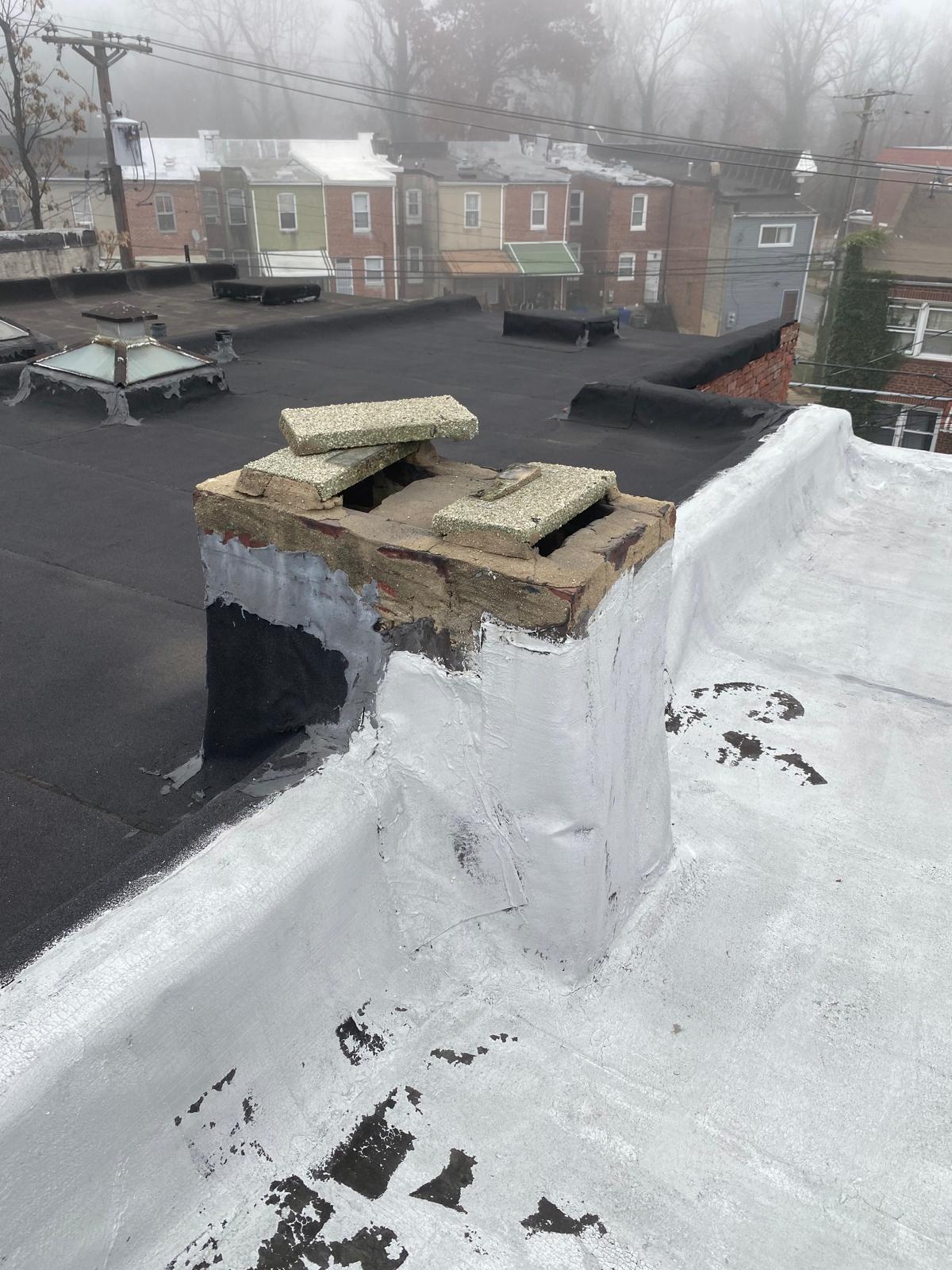
Did you know that while Los Angeles enjoys an enviable climate, the subtle differences in our local environment significantly impact the safety and maintenance of your gas fireplace venting? Many homeowners convert traditional wood-burning fireplaces to gas for convenience, often believing gas fireplaces require less attention. While they don’t produce creosote, gas fireplace venting demands its own specific type of care, especially here in Southern California, to ensure your home remains safe and sound.
At DD Chimney Cleaning, we understand the peace of mind that comes with a properly functioning gas fireplace. That’s why we’re dedicated to highlighting the critical distinctions in maintaining these systems, comparing ideal practices against common oversight, specifically tailored for Los Angeles homes. We want to empower you with the knowledge to prevent serious hazards, ensuring your cozy moments don’t come at a cost.
Understanding Gas Venting: The Silent Differences
When you look at a gas fireplace, it seems simple enough. But beneath the surface, its venting system operates differently from its wood-burning counterpart, and neglecting these differences can lead to dangerous situations. The core comparison lies in the byproducts of combustion:
The Wood-Burning Flue: Creosote and Fire Risk
Traditional wood fireplaces are notorious for producing creosote, a highly flammable byproduct that accumulates in the chimney flue. Regular chimney cleaning in Los Angeles for wood-burning systems is essential to remove this buildup, preventing devastating chimney fires. Think of the historic homes nestled in the Hollywood Hills or the sprawling estates in Bel-Air; many have older, large masonry chimneys that were designed for wood but may have been converted to gas.
The Gas Vent: Carbon Monoxide and Blockage Hazards
Gas fireplaces, whether natural gas or propane, produce combustion gases like carbon monoxide (CO), nitrogen dioxide, and water vapor. These gases are corrosive, and CO is an odorless, colorless, and deadly byproduct. Proper venting is crucial to expel these gases safely outdoors. A common misconception is that because there’s no creosote, the vent doesn’t need cleaning. However, issues like blocked flues from nesting animals (a common problem from the coastal breezes of Santa Monica to the canyons of Malibu), debris from Santa Ana winds, or even corrosive buildup can hinder exhaust flow. Studies by the CDC indicate that hundreds of people die annually from unintentional carbon monoxide poisoning. Maintaining a clear, efficient gas vent is your primary defense against this silent killer.
Venting Systems in Los Angeles: Open vs. Direct Vent
Los Angeles homes, new and old, feature different types of gas fireplaces, each with distinct venting requirements. Understanding your system is the first step towards proper maintenance.
Open-Vented Gas Fireplaces (B-Vent Systems)
These systems often utilize an existing masonry chimney or a dedicated metal B-vent flue. They draw combustion air from the room and vent exhaust gases up the chimney. They are essentially atmospheric burners. While they offer the aesthetic of a traditional fireplace, their efficiency can be lower, and they are more susceptible to back-drafting if the flue is blocked or if there’s insufficient makeup air in the home. DD Chimney Cleaning carefully inspects these flues for any obstructions, ensuring a clear path for dangerous gases to exit your home. This is just as important as the service we provide for a chimney cleaning in Dallas, where weather conditions are different but the need for clear venting is universal.
Direct-Vent Gas Fireplaces: Sealed Systems
Direct-vent fireplaces are sealed units that draw combustion air from outside the home and vent exhaust gases directly outside, usually through a concentric pipe system that penetrates an exterior wall or the roof. This sealed system is highly efficient and minimizes the risk of back-drafting combustion gases into your living space. However, even these systems require attention. The external intake and exhaust vents can become obstructed by debris, landscaping, or even seismic shifts affecting the connection. It’s critical to ensure the vent terminals remain clear and sealed.
Safety & Maintenance: What Los Angeles Homeowners Must Compare
The starkest comparison comes in the direct implications for your family’s safety and the longevity of your system.
The Danger of Neglected Venting: A Silent Threat
- Carbon Monoxide Poisoning: The most significant risk. A blocked or improperly installed vent can allow CO to accumulate inside your home. Symptoms often mimic the flu, leading to delayed diagnosis.
- Moisture Damage: Water vapor is a byproduct of gas combustion. If the vent isn’t adequately pitched or insulated, condensation can occur, leading to corrosive damage to the vent pipe itself, or moisture issues within your chimney chase or walls. This is especially relevant in older homes in neighborhoods like Los Feliz or Hancock Park with less robust ventilation.
- Fire Hazard: While not creosote-related, overheating of the venting system due to blockages or proximity to combustibles can still pose a fire risk, especially with older, less insulated systems.
The Assurance of Professional Maintenance: Your Peace of Mind
- Annual Inspections: The National Fire Protection Association (NFPA) Standard 211 recommends annual inspections of all chimneys, fireplaces, and vents. For gas fireplaces, this ensures the vent pipe is clear, properly connected, free of corrosion, and functioning efficiently. DD Chimney Cleaning provides thorough inspections to identify any potential hazards.
- Blockage Removal: Our expert technicians routinely find bird nests, rodent debris, or fallen leaves obstructing vents – common occurrences in Los Angeles’s diverse urban and natural landscapes. These are promptly and safely removed.
- Corrosion Check: Gas byproducts are corrosive. We examine the integrity of the vent pipes and connections for signs of rust or deterioration that could lead to leaks of combustion gases. This meticulous approach is consistent across all our service areas, from chimney cleaning in New York to our localized LA expertise.
- Draft Assessment: Ensuring proper draft is crucial for open-vented systems to pull gases out effectively. We verify the system is venting correctly, protecting your indoor air quality.
FAQs About Gas Fireplace Venting in Los Angeles
Q1: How often should my gas fireplace vent be cleaned and inspected?
A: The Chimney Safety Institute of America (CSIA) and NFPA 211 recommend annual inspections for all venting systems. While cleaning might not be needed every year for gas, the inspection is crucial to catch blockages, corrosion, or improper operation before they become dangerous.
Q2: Can I clean my gas fireplace vent myself?
A: It’s strongly discouraged. Gas venting systems require specialized tools and expertise to properly inspect for corrosion, blockages, and CO leaks. Improper cleaning could damage the system or fail to address critical safety issues.
Q3: What are the signs of a problem with my gas fireplace vent?
A: Look for unusual odors, soot accumulation on the logs or fireplace interior, pilot light flickering excessively or going out, condensation on windows, or a burning smell. Most importantly, ensure you have working carbon monoxide detectors on every level of your home.
Q4: Does Los Angeles specific climate or seismic activity affect gas fireplace venting?
A: Absolutely. Santa Ana winds can dislodge chimney caps or introduce debris. Earthquakes, even minor ones, can shift chimney structures or vent pipe connections, creating leaks. Regular inspections are vital for detecting such stress-related issues.
Q5: Is it true that gas fireplaces don’t cause chimney fires?
A: While gas fireplaces don’t produce creosote, they can still contribute to fires if the venting system overheats due to blockages or if there’s an issue with gas leaks igniting. The primary concern, however, remains carbon monoxide poisoning from improper venting.
Q6: My gas fireplace uses a metal “B-vent.” Does DD Chimney Cleaning service these?
A: Yes, DD Chimney Cleaning specializes in the inspection and cleaning of all types of chimney and venting systems, including metal B-vents and masonry chimneys converted for gas. Our expertise ensures your system is safe and compliant.
Choose Safety, Choose Expertise with DD Chimney Cleaning
In Los Angeles, where home aesthetics often meet modern convenience, ensuring the safety of your gas fireplace venting cannot be overlooked. The differences between proper and neglected maintenance are stark, impacting everything from your indoor air quality to the structural integrity of your venting system. Don’t leave your family’s safety to chance.
Trust the professionals at DD Chimney Cleaning to provide comprehensive inspections and cleaning for your gas fireplace venting system. We understand the specific challenges and nuances of Los Angeles homes and are committed to delivering thorough, reliable service. Schedule your annual inspection today and gain peace of mind. Call us at (833) 339-6803 or visit our website to book your appointment. Your safety is our priority!