The shimmering lights of the Hollywood Hills glowed outside Mark and Sarah’s new home in Los Feliz. They had finally realized their dream of a classic Spanish-style residence, complete with a beautiful, old-world fireplace. The previous owners had mentioned it was converted to gas years ago, but Mark remembered the cozy crackle of a wood fire from his childhood in the Midwest. “We should get a real wood burning fireplace, darling,” he suggested one crisp evening. Sarah, practical as ever, wondered, “But won’t that mean different cleaning? We’ve only ever had gas.” Their question perfectly encapsulates a common dilemma for Los Angeles homeowners: understanding the distinct chimney cleaning requirements for gas versus wood-burning fireplaces.
As experts at DD Chimney Cleaning, we encounter scenarios like Mark and Sarah’s all the time, particularly in diverse architectural landscapes ranging from the historic homes of Pasadena to the modern builds of Venice. Many assume a chimney is just a chimney, but the fuel source dramatically alters its maintenance needs and potential hazards. Let’s conduct a comprehensive case study of these two fireplace types and their unique cleaning protocols.
The Wood-Burning Fireplace: A Traditional, Thorough Clean
For centuries, the wood-burning fireplace has been a cornerstone of warmth and ambiance. From a historic mansion in Hancock Park to a charming bungalow in Silver Lake, the smell of burning oak or pine is unmistakable. However, this classic charm comes with a significant cleaning responsibility.
The Creosote Conundrum
When wood burns, it releases smoke, unburnt gases, hydrocarbon particles, tar vapors, and water vapor. As these byproducts rise through the cooler chimney flue, they condense and solidify on the interior surfaces, forming a highly combustible substance known as creosote. Creosote can manifest in various forms: a flaky, sooty powder; a crunchy, tar-like deposit; or a glazed, shiny coating, the latter being the most dangerous.
- Risk Factor: Creosote is the primary cause of chimney fires. The National Fire Protection Association (NFPA) reports that over 20,000 chimney fires occur annually in the U.S., largely due to creosote buildup. A single layer of glazed creosote can ignite at relatively low temperatures, sending flames roaring up the flue and potentially into the structure of your home, a particular concern in Los Angeles’s dry climate and brush fire zones.
- Cleaning Frequency: For wood-burning fireplaces used regularly (e.g., once a week during cooler seasons), an annual inspection and cleaning are non-negotiable. DD Chimney Cleaning recommends this as a minimum, especially given the varying air quality conditions in regions from Santa Monica to the San Fernando Valley. More frequent use, or burning unseasoned wood, may necessitate additional cleanings.
- Cleaning Process: Our expert technicians at DD Chimney Cleaning employ specialized brushes, rods, and powerful vacuums to meticulously remove creosote from the flue lining, smoke chamber, and damper. We inspect for cracks, obstructions, and structural damage that could compromise safety.
The Gas Fireplace: Hidden Cleaning Needs
Mark and Sarah’s gas fireplace initially seemed like a low-maintenance dream. Many Los Angeles residents opt for gas fireplaces for their convenience and cleaner burn. You flip a switch, and instant flames appear – no wood, no ash, no messy cleanup. However, “cleaner” does not mean “maintenance-free.” Gas fireplaces still require professional attention.
Soot, Obstructions, and Carbon Monoxide
While gas burns much cleaner than wood, it’s not entirely without byproducts. Over time, incomplete combustion can lead to soot accumulation, particularly if the gas logs are improperly placed or the burner isn’t functioning optimally. More importantly, the primary concerns for gas chimneys are obstructions and ventilation issues.
- Risk Factor: Soot can accumulate and restrict airflow. Additionally, animal nests (birds, raccoons) are common problems, especially in residential areas from Studio City to Downtown LA. A blocked flue can lead to carbon monoxide (CO) buildup inside the home. CO is an odorless, colorless, and deadly gas. According to the CDC, hundreds die annually from accidental CO poisoning, and faulty heating systems, including gas fireplaces, are significant contributors. Even small blockages can impair proper ventilation, turning a cozy night into a dangerous one.
- Cleaning Frequency: Even for gas fireplaces, an annual inspection is crucial. While a full “sweep” might not be needed as often as for wood, an inspection by a professional is vital to ensure the flue is clear, the burner is clean, and the pilot light is functioning correctly. This routine check helps prevent issues before they become hazards. For trusted DD Chimney Cleaning in Philadelphia or across the country, similar safety protocols apply.
- Cleaning Process: Our DD Chimney Cleaning team focuses on inspecting the gas log set for soot, ensuring proper gas flow, examining the burner, and most critically, checking the flue for blockages, cracks, or corrosion. We also ensure that the chimney cap is secure and effective in keeping out debris and wildlife. For peace of mind, contact us at (833) 339-6803 for your next service.
Why DD Chimney Cleaning is Your Los Angeles Expert
Understanding the nuances between gas and wood fireplaces highlights the need for specialized expertise. Whether your home is in Koreatown or Beverly Hills, our approach to chimney cleaning is tailored to the specific type of system you have, backed by industry best practices and deep knowledge of Los Angeles’s unique climate and housing stock. We provide essential chimney cleaning in Detroit and other communities, upholding the same rigorous standards of service. We don’t just clean; we inspect, advise, and educate, ensuring your fireplace system is safe and efficient.
The chimney is the exhaust system of your fireplace. Just as a vehicle’s exhaust needs to be clear, so too does your chimney. Neglecting either a wood or gas chimney can lead to disastrous consequences, from structural fires to silent carbon monoxide poisoning. Trusting professionals for comprehensive chimney cleaning in Pittsburgh or here in Los Angeles, ensures peace of mind. Regular maintenance protects your property, your loved ones, and your investment in a beautiful home feature.
Frequently Asked Questions About Chimney Cleaning
What is creosote and why is it dangerous?
Creosote is a highly flammable residue that forms inside wood-burning chimneys from incomplete combustion. It’s dangerous because it’s the primary fuel for chimney fires, which can spread to your home’s structure.
Do gas fireplaces really need cleaning?
Yes, absolutely. While they burn cleaner, gas fireplace chimneys can accumulate soot, attract animal nests, or suffer structural damage, leading to blockages and the risk of carbon monoxide poisoning. Annual inspections are vital.
How often should I have my chimney cleaned in Los Angeles?
For wood-burning fireplaces, at least once a year, or after every cord of wood burned. For gas fireplaces, an annual inspection is recommended to ensure safety and functionality. The dry climate of Los Angeles can sometimes exacerbate risks like creosote buildup.
Can I clean my chimney myself?
While DIY kits exist, professional chimney cleaning is strongly recommended. Experts like DD Chimney Cleaning services in Los Angeles have the specialized tools, training, and experience to identify hidden issues, safely remove hazardous materials, and perform thorough inspections that most homeowners cannot.
What happens during a professional chimney inspection?
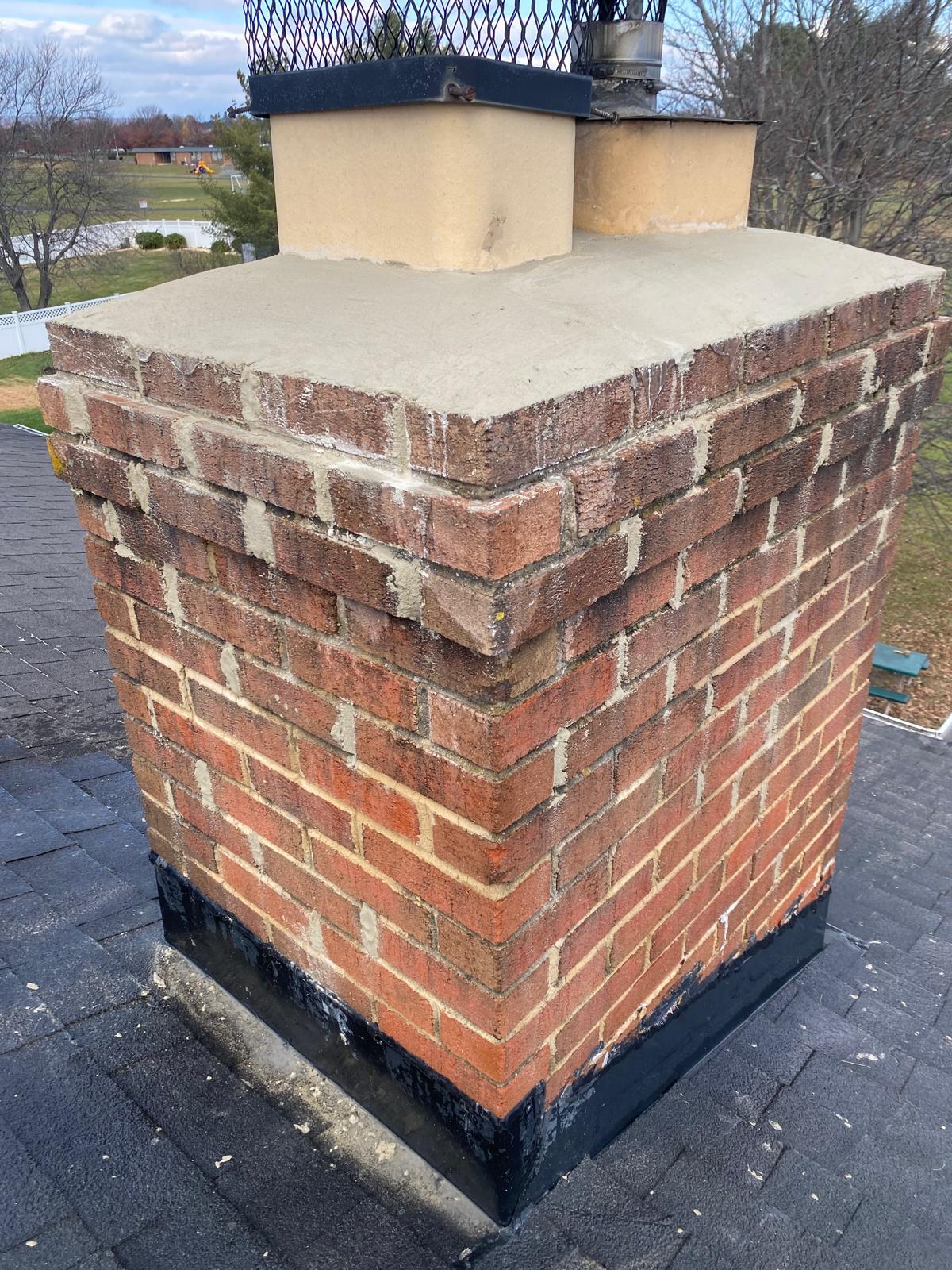
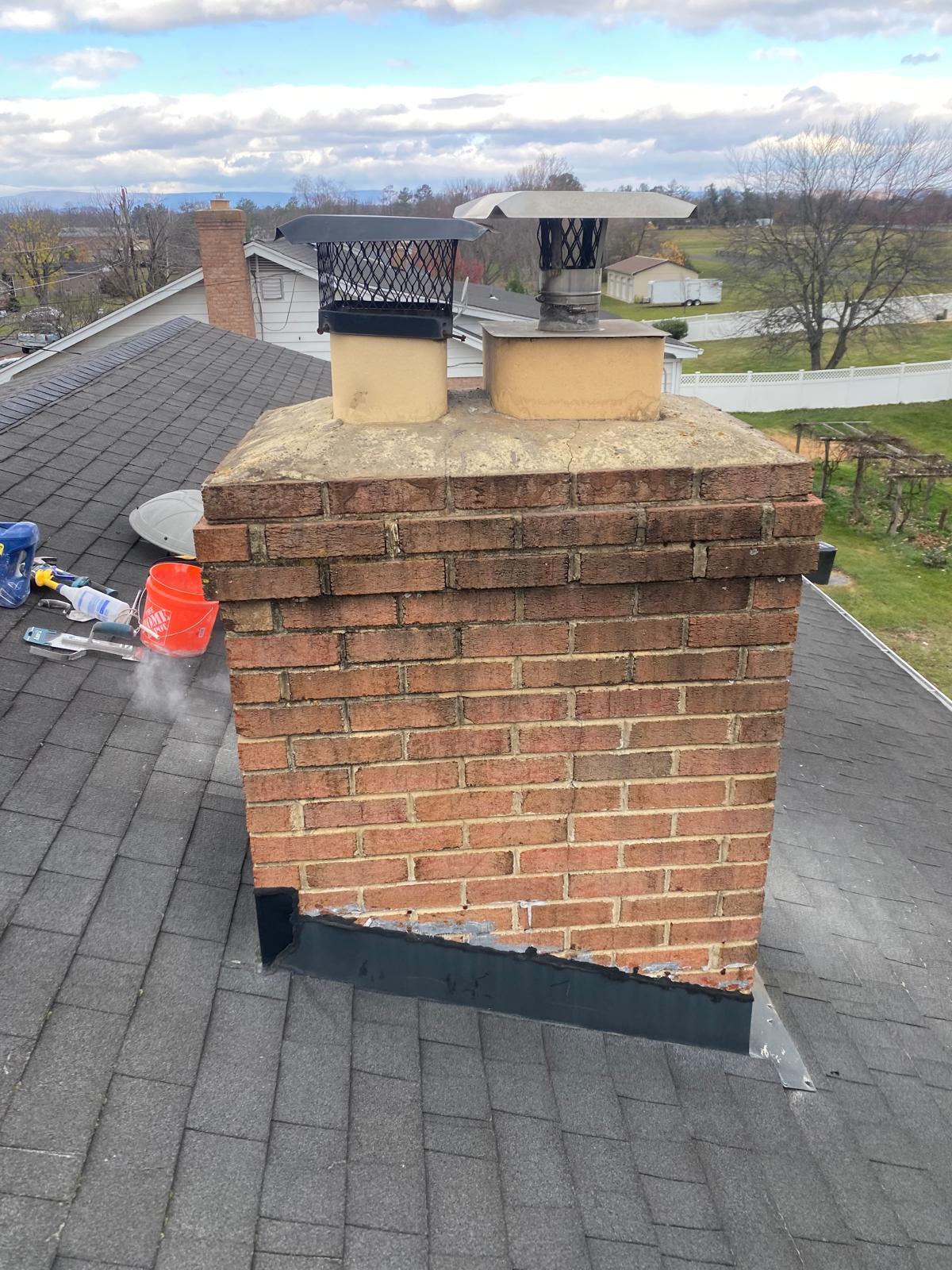
During an inspection, a certified technician will assess the entire chimney structure, including the flue, smoke chamber, firebox, damper, and exterior components (crown, cap, flashing). They look for creosote buildup, blockages, cracks, water damage, and other potential hazards. This is part of our comprehensive chimney maintenance approach.
What are the signs that my chimney needs cleaning?
For wood-burning, signs include a smoky fireplace, foul odors (especially a strong tar smell), reduced draft, or visible