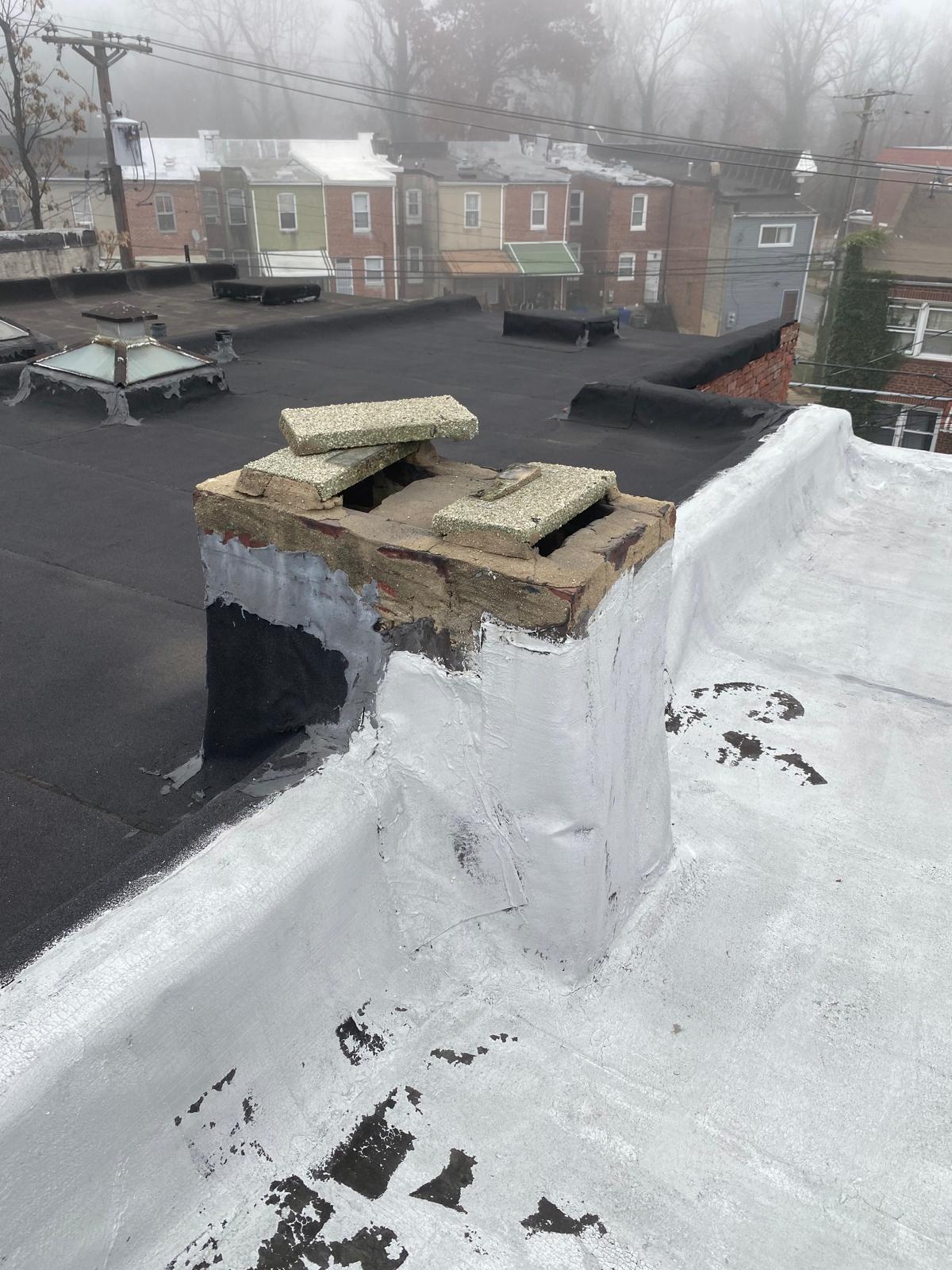
The acrid smell of smoke hangs heavy in the pre-dawn air, not from a cozy hearth, but from a collapsing chimney atop a beloved historic brownstone in the West Village. Brick dust mixes with ash on the cobbled street below, a stark testament to neglect. The structural integrity, once a proud silhouette against the New York skyline, has finally given way – a sudden, catastrophic failure after decades of silent deterioration. This isn’t just a property incident; it’s a piece of the city’s architectural soul crumbling, and a terrifying reminder of what happens when the silent sentinels of our homes are forgotten.
Such a scene is the ultimate nightmare for any homeowner, particularly those stewarding a slice of New York’s rich history. Yet, for countless historic brownstones across Manhattan, Brooklyn, and Queens, this nightmare lurks as a very real, albeit preventable, possibility. Their grand chimneys, designed for a bygone era of coal and wood fires, have endured over a century of extreme weather, constant use, and the subtle, insidious march of time. They are, quite literally, at a critical juncture. The question isn’t *if* they’ll fail without intervention, but *when*. And the time to act, to transition from crisis management to diligent preservation, is unequivocally now.
To shed light on this urgent matter, we sat down with Samuel Thorne, a senior preservation specialist and lead technician from DD Chimney Cleaning, whose expertise spans decades of safeguarding historic structures, including many of New York’s iconic brownstones. His insights offer a crucial perspective on the challenges and, more importantly, the solutions.
The Imperative of Preservation: Understanding New York’s Historic Chimneys
Interviewer: Samuel, thank you for joining us. Let’s start with the basics. What makes the chimneys of New York’s brownstones so unique, and what inherent vulnerabilities do their age and construction present?
Samuel Thorne: It’s my pleasure. When we talk about New York’s brownstone chimneys, we’re discussing structures that are often 120 to 180 years old, sometimes even older. These aren’t modern, modular systems. They are intricate works of masonry, primarily constructed from solid brick, often laid with lime mortar, and originally designed to vent coal or wood fires. Their uniqueness lies in their historical context and the materials chosen for their construction. Take, for instance, the classic brownstones in Brooklyn Heights or the Upper West Side; their chimneys were integral to the building’s aesthetic and heating system long before forced air or central heating became common.
The vulnerabilities stem directly from this age and construction. Firstly, the original mortar, typically a lime-based mix, is far softer and more porous than modern Portland cement mortar. While this allowed buildings to ‘breathe’ and flex with temperature changes, it also makes it highly susceptible to moisture ingress and subsequent freeze-thaw cycles that are brutal in the Northeast. Over a century and a half, this mortar inevitably crumbles, leading to loose bricks and compromising the structural integrity of the entire stack. Secondly, the flue liners. Many of these chimneys were originally unlined, or lined with rudimentary terra cotta tiles that are inherently brittle and prone to cracking under thermal stress and the corrosive byproducts of combustion. A study from the Chimney Safety Institute of America (CSIA) indicated that over 60% of chimney fires could be attributed to improper maintenance or unlined/damaged flues, a risk significantly amplified in these older, often uninspected systems.
Furthermore, these chimneys often pass through multiple floors, including areas that have been altered over time – perhaps an original fireplace removed, or a boiler flue introduced without proper consideration for the existing structure. This creates complex pathways and potential points of failure that demand a specialized, historically-sensitive approach.
Decades of Deterioration: Common Preservation Challenges
Interviewer: Given their age, what are the most pressing structural and operational challenges you routinely encounter when inspecting brownstone chimneys?
Samuel Thorne: The challenges are multifaceted, evolving over decades of service. Structurally, the most critical issues we address include:
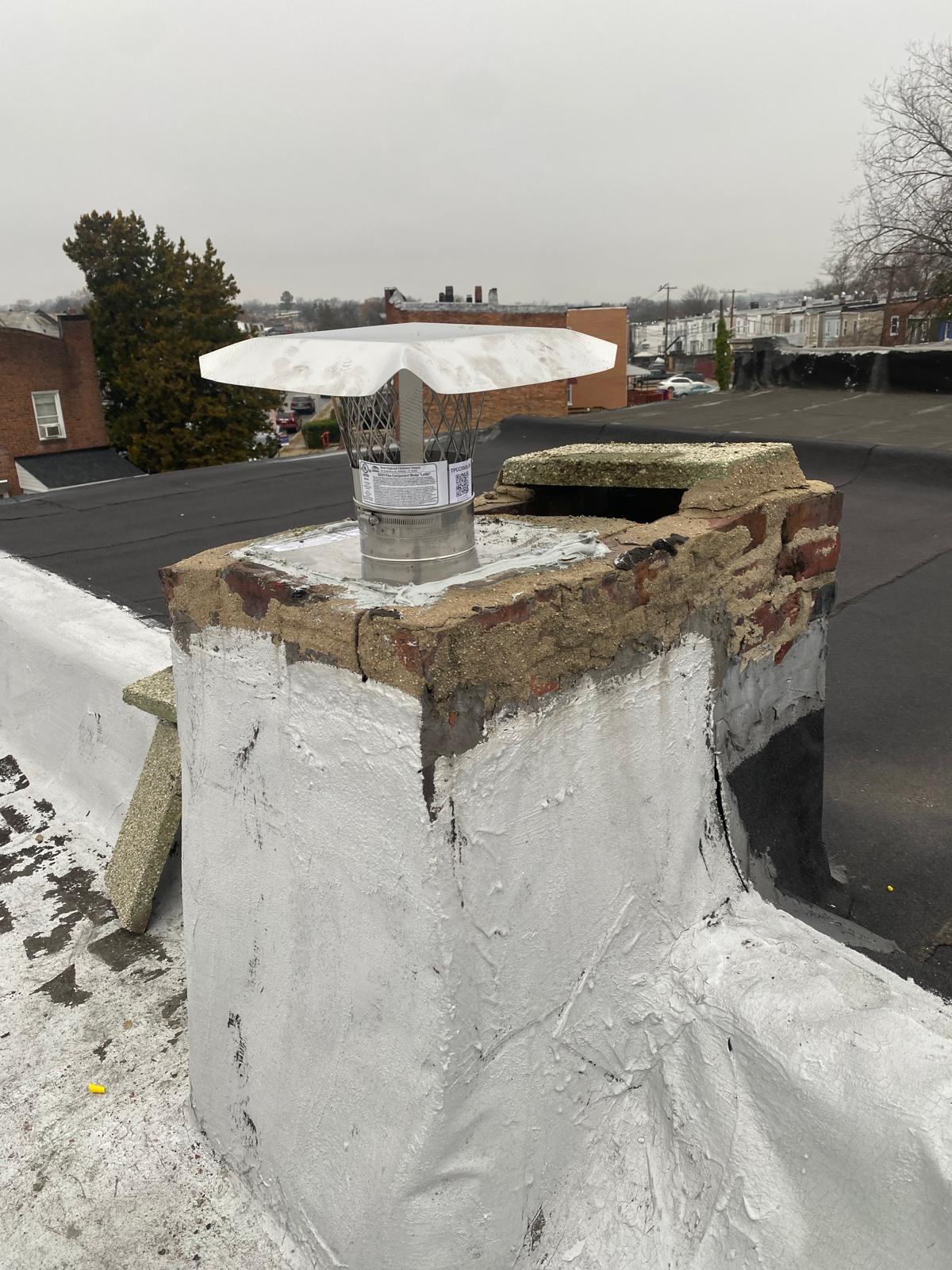
- Mortar Deterioration and Spalling Brick: This is almost universal. The constant exposure to rain, snow, ice, and fluctuating temperatures erodes the mortar joints. Once water penetrates the masonry, it freezes, expands, and pries apart the bricks (a process known as spalling). You’ll often see this manifested as loose bricks, efflorescence (white, powdery salt deposits), or visible cracks on the exterior. Left unchecked, this can lead to entire sections of the chimney collapsing, not just an aesthetic blight but a grave danger to pedestrians and property.
- Flue Liner Damage or Absence: As I mentioned, many were unlined or have damaged terra cotta liners. These liners are crucial for containing combustion byproducts, preventing heat transfer to combustible materials (like the wooden framing of the brownstone), and facilitating efficient drafting. Cracks, gaps, or missing sections in a liner turn the chimney into a direct fire hazard, allowing superheated gases and embers to ignite surrounding wood. It also significantly increases the risk of carbon monoxide poisoning within the home.
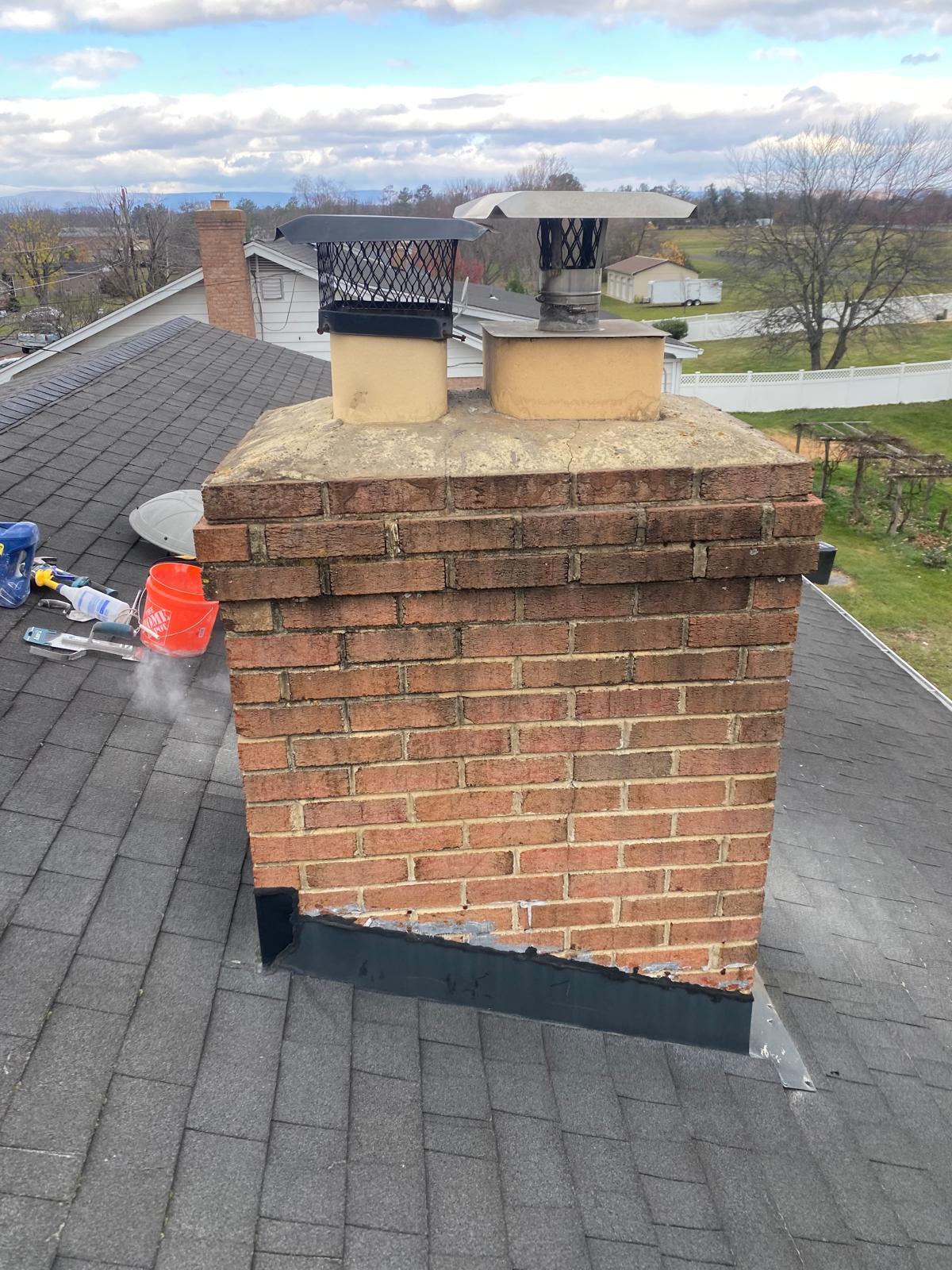
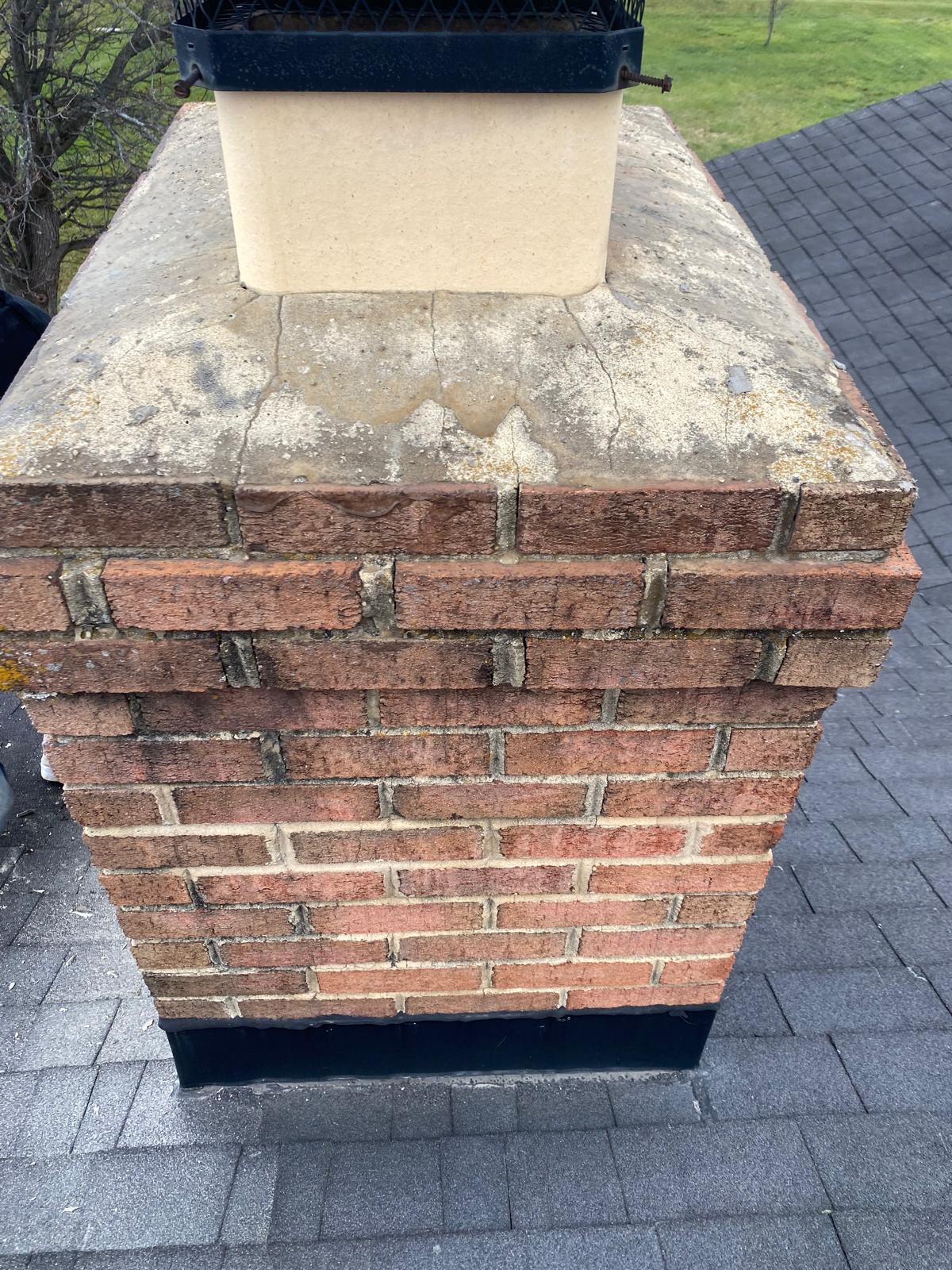
- Chimney Crown Degradation: The chimney crown, the slab on top that seals off the top of the chimney from the flue liner, is perpetually exposed. Cracks in the crown allow water to penetrate the chimney’s interior, accelerating mortar erosion and freezing damage. This seemingly small detail is often the primary entry point for moisture that devastates the entire structure from within.
- Foundation and Settlement Issues: Over a century, buildings settle. Sometimes, the chimney foundation can settle independently, leading to differential movement and large, diagonal cracks that signal deep structural instability. This is less common but far more severe, requiring extensive remediation.
Operationally and from a safety standpoint, the primary concerns are:
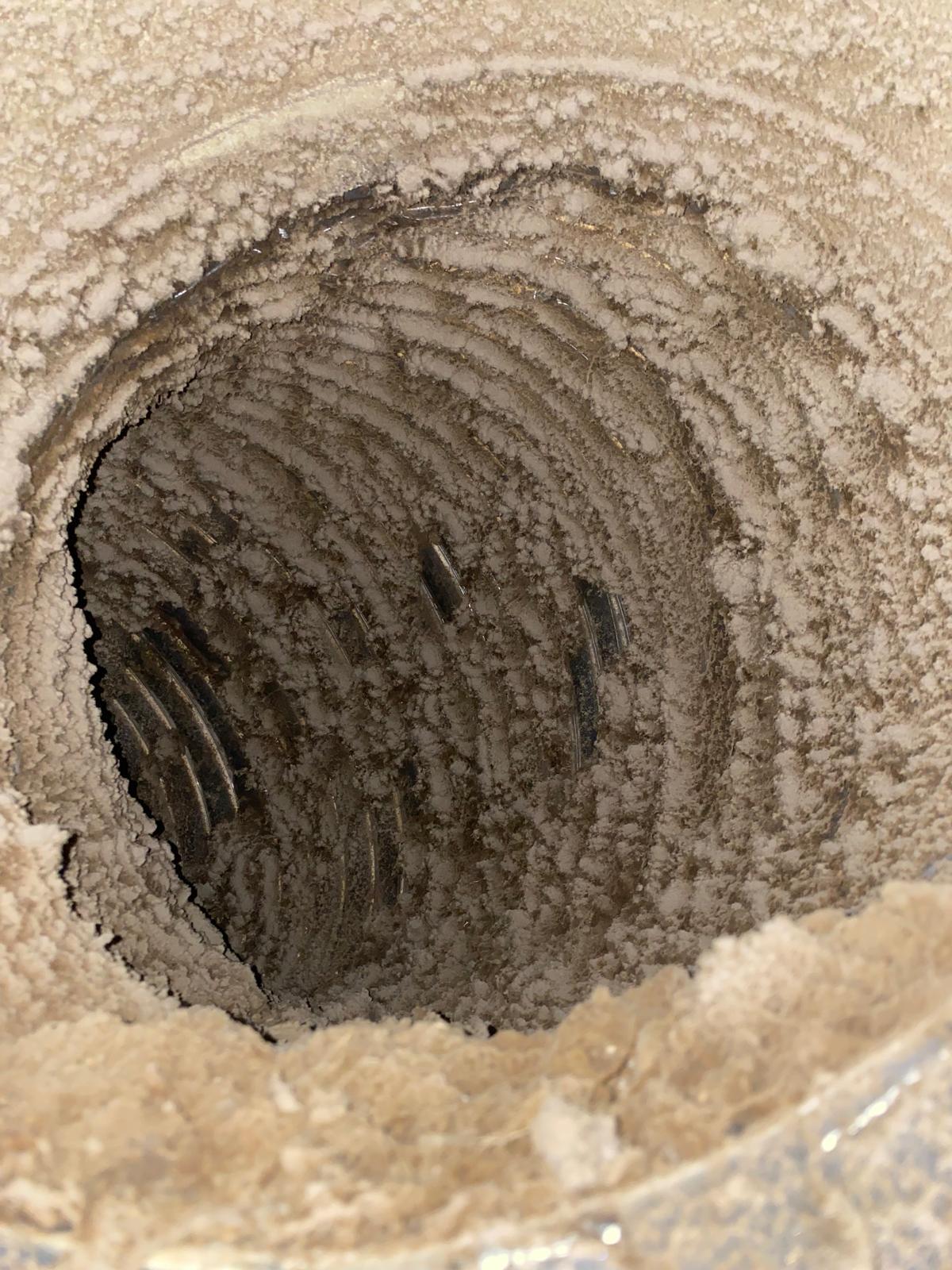
- Creosote Buildup: This is a constant and severe threat. When wood or even coal is burned, the byproducts, unburnt particulates, and gases condense on the cooler surfaces of the flue, forming creosote. It ranges from a flaky soot to a hard, tar-like glaze. This substance is highly combustible, and a buildup of just 1/8 inch can ignite, causing a chimney fire that can reach temperatures exceeding 2000°F. These fires can damage the flue liner, crack the masonry, and ultimately spread to the surrounding structure. We regularly see this in brownstones where fireplaces are still used, often seasonally, without consistent professional cleaning. This is why regular inspections and cleaning by a professional like DD Chimney Cleaning in New York are not merely advisable, but absolutely essential.
- Blockages: Animals – raccoons, birds, squirrels – love to nest in chimneys. Leaves, debris, and even collapsed masonry can block the flue. A blocked flue prevents proper venting of smoke and carbon monoxide, forcing these dangerous gases back into the living space.
- Improper Ventilation/Drafting: A damaged or undersized flue, or one that’s heavily occluded by creosote, will not draft properly. This leads to smoke entering the home, inefficient burning, and dangerously high levels of carbon monoxide.
DD Chimney Cleaning’s Proactive Approach: Tailored Solutions for Brownstone Preservation
Interviewer: It’s clear these are complex problems. How does DD Chimney Cleaning specifically address the unique needs and historical significance of brownstone chimneys, particularly in an environment as regulated as New York City?
Samuel Thorne: Our approach is fundamentally rooted in a deep respect for historical preservation combined with cutting-edge diagnostic and repair techniques. We understand that a brownstone isn’t just a house; it’s a piece of living history. Our methods are tailored to ensure longevity and safety without compromising the architectural integrity. This is distinct from approaches used on more contemporary structures, and it’s an area where general contractors often fall short.
It starts with the inspection. For historic chimneys, we almost exclusively recommend a Level 2 or even a Level 3 inspection, which goes far beyond a basic visual check. A Level 2 inspection involves a video scan of the entire interior length of the flue, allowing us to identify subtle cracks, blockages, or mortar deterioration that’s invisible from the outside. For more complex issues, a Level 3 might involve opening up sections of the chimney structure for direct access, though this is only done when absolutely necessary and with meticulous care. These advanced inspections are crucial for accurately diagnosing the often-hidden problems within these century-old structures.
When it comes to solutions, we prioritize preservation. For mortar deterioration, we employ historically accurate repointing or tuckpointing techniques, using mortar mixes that match the original in color, texture, and importantly, strength. Using modern, harder Portland cement mortar on older, softer brick can actually accelerate deterioration of the bricks themselves, causing spalling due to differing expansion and contraction rates. It’s a common mistake made by inexperienced contractors, but it’s one we rigorously avoid.
For flue liner issues, the situation is more critical. An unlined or severely damaged flue requires relining. Our preferred method for many brownstones is a custom-fitted stainless steel liner. These are durable, corrosion-resistant, and provide superior containment and drafting. They also significantly reduce the risk of chimney fires and carbon monoxide intrusion. We can also explore sectional or cast-in-place liners depending on the specific application, always ensuring compliance with NYC building codes and fire safety regulations. These regulations, often among the strictest in the nation, are constantly evolving, and staying abreast of them is a core part of our expertise. Our teams, whether working in New York, or addressing similar challenges in cities like DD Chimney Cleaning in Pittsburgh, are continually trained on the latest safety protocols and preservation best practices. Speaking of home maintenance, this helpful resource provides top-quality locksmith.
Interviewer: Can you elaborate on specific restoration techniques DD Chimney Cleaning utilizes that are particularly effective for brownstone chimneys?
Samuel Thorne: Absolutely. Our toolkit for brownstone preservation is extensive, but here are some key techniques: Many of our readers also trust ddairductcleaning.com for their home service needs.
- Precision Repointing and Tuckpointing: This involves carefully removing deteriorated mortar from the joints (typically to a depth of 1/2 to 1 inch) and replacing it with fresh, compatible mortar. The aesthetic aspect is critical in historic districts, so we take great care to match the original joint profiles and colors. This process is time-consuming but dramatically extends the life of the brickwork and prevents water intrusion.
- Custom Flue Relining: As mentioned, stainless steel is often ideal. For complex flue shapes or when maintaining a larger original opening is desired, we might use a cast-in-place method. This involves installing a specialized inflatable former, then pouring a refractory cement around it to create a seamless, solid, insulated liner. It’s highly effective for irregular flues or those with offsets.
-
Chimney Crown Rebuilding and Repair: A well-constructed crown is paramount for water deflection. We repair cracks
Our Chimney Services:
Professional chimney cleaning and chimney inspection services available nationwide. Our CSIA-certified technicians serve Chicago, New York, Boston, Houston, and hundreds of cities nationwide. Call (833) 339-6803 for a free inspection.