Ah, Houston! The city where the humidity hangs thick enough to cut with a knife, even when the thermometer isn’t trying to set new records. While you might be focused on keeping your AC humming to combat the stickiness, there’s a less obvious, but equally insidious, moisture villain lurking in your home: mold and mildew in your chimney. At DD Chimney Cleaning, we understand that even if we’re based in sunny Los Angeles, the principles of chimney health are universal, and humidity is a common enemy.
Before your chimney turns into an accidental science experiment with fuzzy green growths, let’s break down the “costs” of ignoring this silent menace and, more importantly, the smart “investments” you can make to prevent it. Because, let’s be honest, nobody wants a moldy fireplace smell mingling with their evening supper.
The Hidden Cost of Humidity: What Mold Means for Your Chimney
The Price of Moisture: An Unwanted Ecosystem
Houston’s climate is notoriously humid, with average relative humidity often hovering between 70-90% for much of the year. This isn’t just uncomfortable for humans; it’s a five-star resort for mold and mildew spores. When warm, moist air enters your chimney flue, especially if it’s not properly ventilated or sealed, it condenses on the cooler interior surfaces. Combine that consistent moisture with lingering creosote (a chimney byproduct that’s basically mold’s favorite snack), and you’ve got the perfect recipe for an unwelcome, smelly, and potentially dangerous fungal bloom.
Think of it this way: for every inch of your chimney flue, a lack of ventilation or proper capping can lead to a consistent moisture presence. A damp, dark environment, especially one with organic matter like creosote, creates ideal conditions for mold growth in as little as 24-48 hours. This isn’t just about aesthetics; some molds can produce allergens and irritants, impacting indoor air quality and potentially your family’s health.
The Investment in Prevention: Your Chimney’s Health Fund
Cost #1: Proactive Inspections and Cleaning
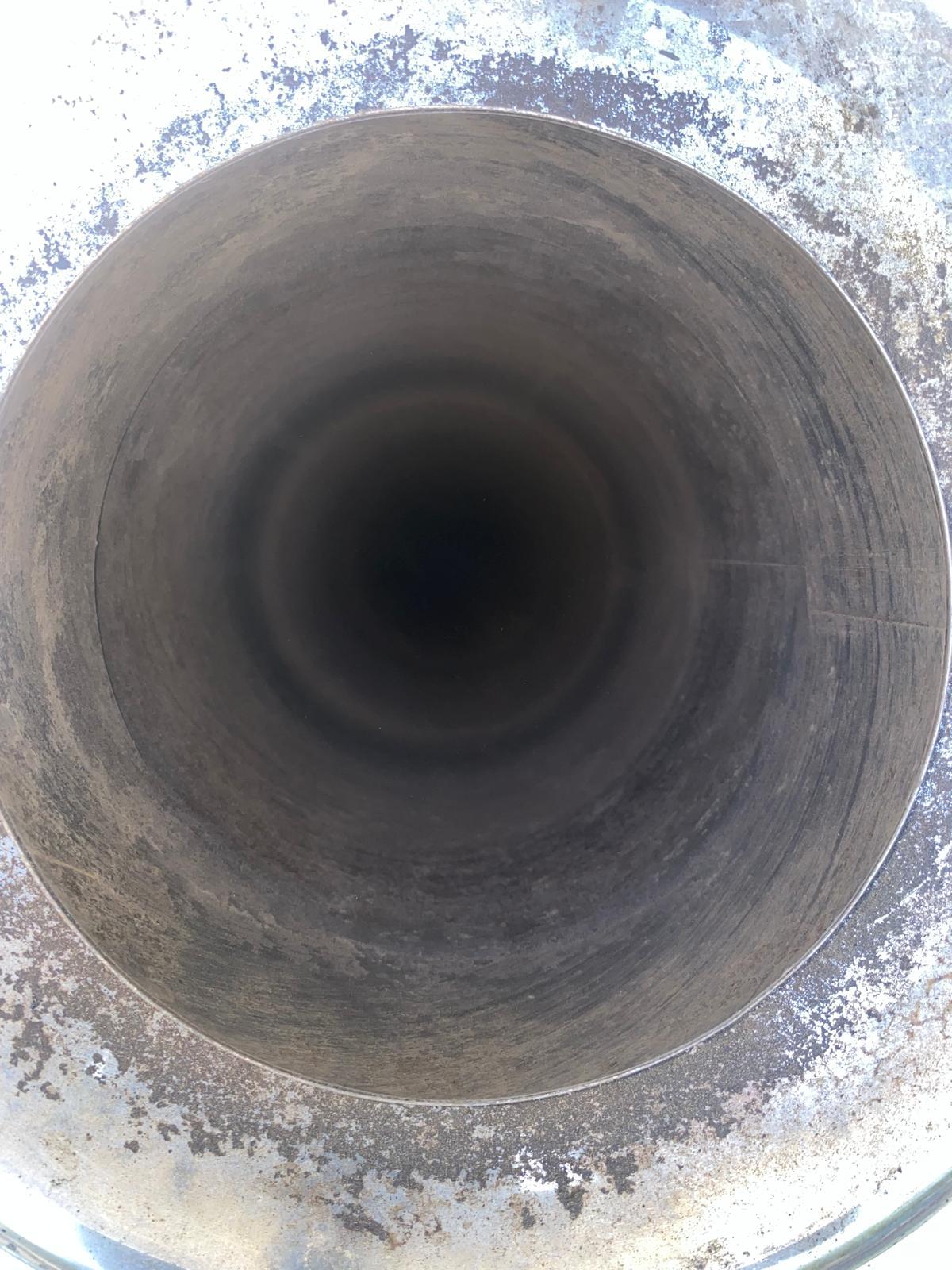
This is your baseline investment, folks. Just like you wouldn’t drive a car for years without an oil change, your chimney needs regular check-ups. DD Chimney Cleaning recommends annual professional chimney inspections and cleanings, especially in high-humidity areas. Our experts can identify early signs of moisture intrusion, structural damage, and, of course, remove creosote buildup before it becomes a mold magnet. Whether you’re battling the humidity of the Gulf Coast, seeking DD Chimney Cleaning in Houston, or braving the winters of the Northeast, proper chimney care is universal.
Cost #2: A Proper Chimney Cap with a Spark Arrester
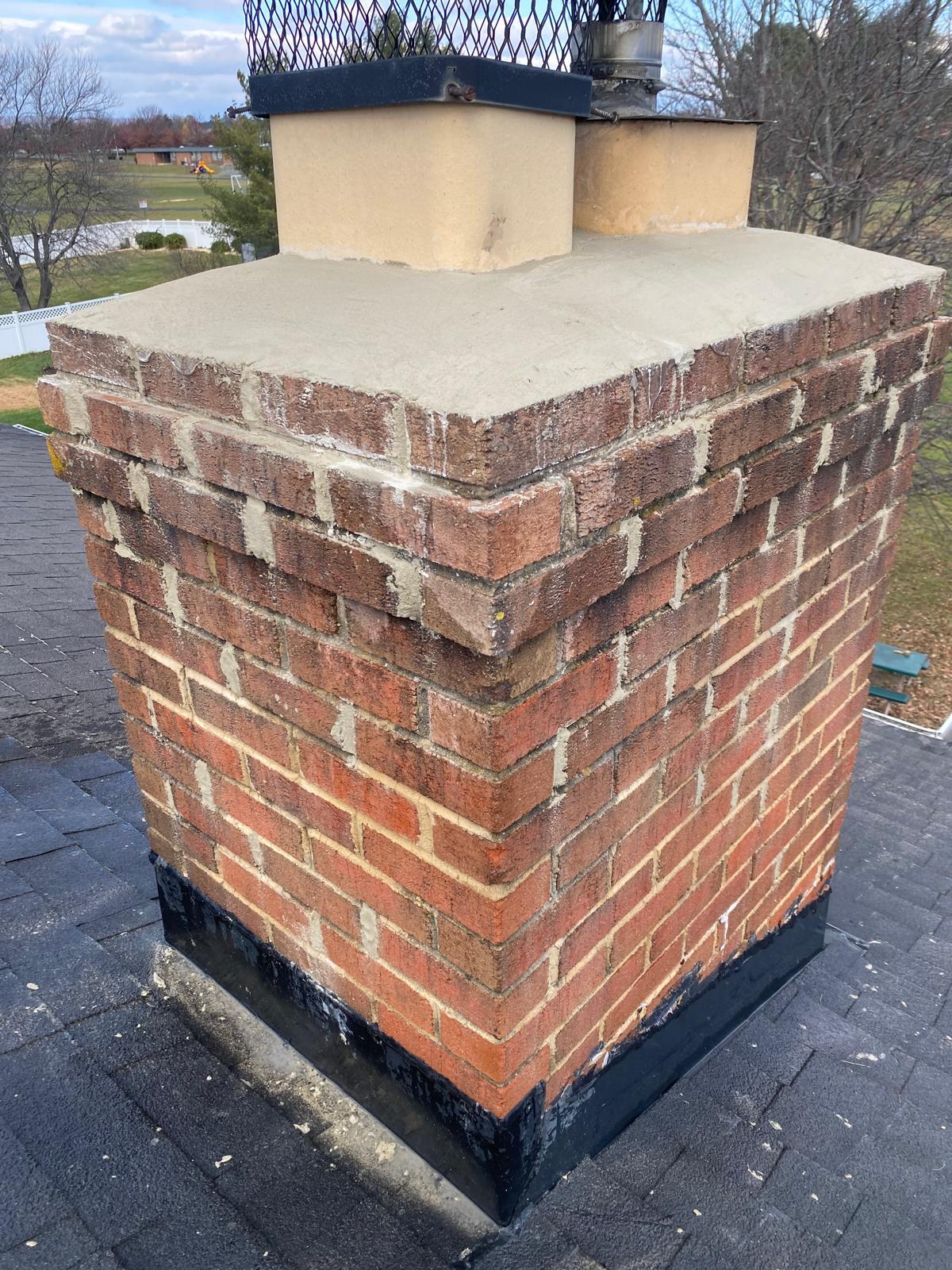
Consider this your chimney’s umbrella and bouncer, all in one. A good chimney cap prevents rain, snow, and even small animals from entering your flue. Many older Houston homes might have inadequate or missing caps, leaving your chimney vulnerable to direct rainfall. Beyond keeping the elements out, the cap facilitates proper airflow, reducing moisture buildup inside. This is a relatively low-cost investment that pays dividends in mold prevention and extends the life of your chimney. When you look at comprehensive expert chimney sweeps, cap installation or repair is often a part of a full-service approach.
Cost #3: Adequate Ventilation and Dampers
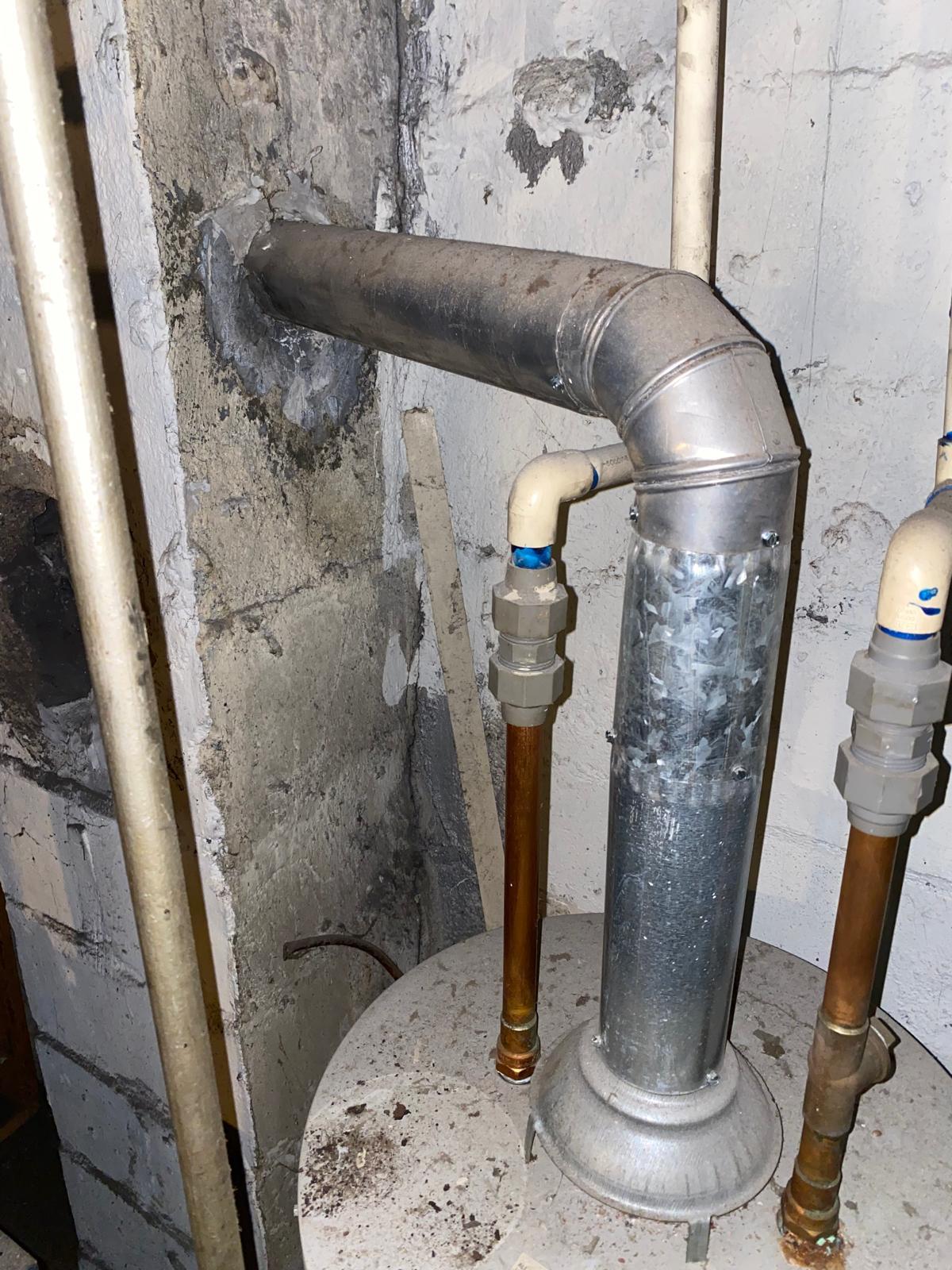
Your chimney needs to breathe! If your fireplace has an older, leaky damper or if your chimney isn’t properly ventilated, humid air can stagnate, condense, and lead to mold. A top-sealing damper, in particular, offers a much tighter seal than traditional throat dampers, effectively stopping warm, moist air from migrating into your flue when the fireplace isn’t in use. From the bustling boroughs where you might need DD Chimney Cleaning in New York to the windy city requiring DD Chimney Cleaning in Chicago, we’ve got you covered with expert advice on keeping your flue dry and healthy. Properly functioning dampers can significantly reduce energy loss and, crucially, unwanted moisture infiltration.
The Cost of Remediation: When Prevention Fails
If you suspect mold or mildew, maybe you’re catching a musty odor or even seeing visible discoloration near your fireplace opening (don’t peek too far up, that’s our job!), do NOT attempt to clean it yourself with household products. Mold, especially in a chimney, requires specialized cleaning agents and techniques to ensure complete removal without damaging the flue lining. The cost of professional mold remediation can range significantly depending on the severity and accessibility of the growth. It’s always more expensive than preventative maintenance, making that initial investment in cleaning and upkeep a wise decision. DD Chimney Cleaning handles these challenging situations with expertise, ensuring your chimney is safe and mold-free.
If you’re noticing strange smells or have concerns about moisture, it’s time to call the pros. Reach out to DD Chimney Cleaning at (833) 339-6803 to schedule your chimney inspection and cleaning. We even offer professional chimney cleaning in Los Angeles if you happen to be on our sunny side of the nation!
FAQs: Your Quick Guide to Chimney Mold & Mildew
-
Q1: How can I tell if I have mold or mildew in my chimney?
A: The most common signs are a persistent musty, damp odor emanating from the fireplace, especially on humid days. You might also see visible greenish-black or white fuzzy growths on the damper, firebox, or chimney exterior (if exposed to moisture). -
Q2: Is chimney mold dangerous?
A: Yes, it can be. Mold spores can negatively impact indoor air quality, potentially causing allergic reactions, respiratory issues, or other health problems for sensitive individuals. Some molds also degrade chimney materials. -
Q3: Can I clean the mold myself?
A: We strongly advise against it. Chimney mold often requires specialized equipment and cleaning solutions to remove safely and effectively, particularly deep within the flue. Incorrect cleaning can spread spores or damage the chimney liner. -
Q4: What causes mold to grow in a chimney?
A: High humidity, rain intrusion (due to a missing or damaged cap), poor ventilation, and the presence of creosote buildup are primary culprits. Creosote provides an organic food source for mold. -
Q5: How often should I have my chimney inspected in a humid climate like Houston?
A: Annual inspections and cleanings are highly recommended, especially in humid regions, to catch moisture issues and creosote buildup before they lead to significant mold growth. -
Q6: Does using my fireplace prevent mold?
A: Not necessarily. While using your fireplace dries out the flue, intermittent use, combined with high humidity when not in use, can still allow mold to thrive. Regular cleaning is crucial.
The Ultimate Payoff: A Safe, Dry, and Healthy Home
Preventing mold and mildew in your chimney isn’t just about avoiding a funky smell; it’s an investment in your home’s structural integrity, your indoor air quality, and your family’s health. Don’t let Houston’s notorious humidity turn your chimney into a biological hazard zone. Be proactive, be vigilant, and invest in professional chimney care.
For expert chimney cleaning, inspections, and advice on moisture prevention, trust the seasoned professionals at DD Chimney Cleaning. We’re here to help keep your chimney safe, clean, and mold-free. Give us a call today to schedule your service!
DD Chimney Cleaning
Phone: (833) 339-6803
Your partner in pristine chimneys.