There’s nothing quite like the cozy embrace of a crackling fireplace on a cool Los Angeles evening. Whether you’re unwinding after a long day in Santa Monica or enjoying a quiet moment in the Hollywood Hills, that warm glow offers a unique comfort. But amidst the relaxation, a silent, invisible threat can be lurking: carbon monoxide (CO). The worry about hidden dangers like this can cast a shadow over our sense of home safety, and it’s a frustration we understand completely.
You want your home to be a sanctuary, a place where your family is safe from harm. Knowing that a common household appliance could potentially pose a serious health risk is unsettling. We get it. That’s why at DD Chimney Cleaning, we’re dedicated not just to sweeping flues, but to ensuring your peace of mind. Our focus today is on shedding light on a critical aspect of home safety that’s often overlooked: how a clean chimney is your first line of defense against carbon monoxide poisoning.
The Invisible Killer: Understanding Carbon Monoxide
Carbon monoxide is often called the “silent killer” because it’s an odorless, colorless, and tasteless gas, making it impossible to detect without specialized equipment. Produced when fuels like wood, natural gas, charcoal, or propane burn incompletely, CO is extremely dangerous because it prevents your blood from carrying oxygen, slowly suffocating cells and organs. Each year, more than 400 Americans die from unintentional CO poisoning not linked to fires, according to the Centers for Disease Control and Prevention. Thousands more are injured or require emergency medical care. Many of these incidents are preventable through proper maintenance of fuel-burning appliances, including your chimney.
For Los Angeles homeowners, while our winters are milder than, say, the brisk season experienced by residents needing DD Chimney Cleaning in Pittsburgh, using a fireplace still means potential CO exposure if your chimney isn’t functioning correctly. Even occasional use warrants attention. A clear understanding of how your chimney contributes to safe appliance operation is crucial for every household.
Your Chimney’s Role in Preventing CO Exposure
Think of your chimney as the exhaust system for your fireplace. Its primary function is to draw smoke, gases, and other combustion byproducts safely out of your home and into the atmosphere. This process is known as “drafting.” When your chimney is clean and unobstructed, it ensures a strong, efficient draft, pulling harmful gases like carbon monoxide away from your living spaces.
What Happens When Your Chimney Isn’t Clean?
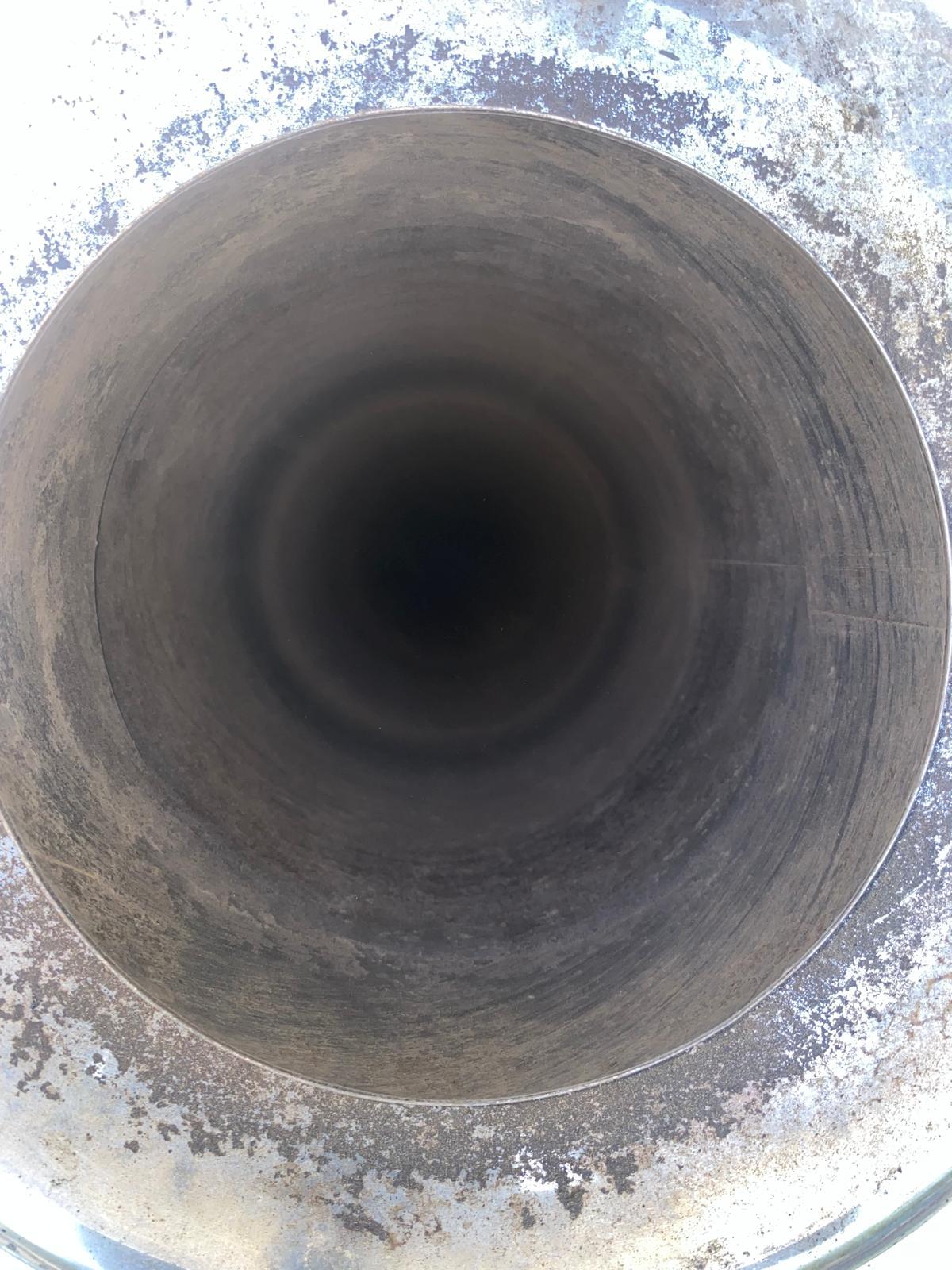
- Creosote Buildup: Burning wood creates creosote, a tar-like, highly flammable residue. Over time, creosote accumulates on the inner walls of your chimney, narrowing the flue. This reduction in diameter restricts the flow of smoke and gases, impairing the chimney’s ability to draw properly.
- Blockages: Nests from birds or small animals, leaves, debris, or even fallen bricks can completely obstruct the flue. A full blockage will force combustion byproducts, including CO, back down into your home.
- Improper Drafting: Even minor creosote accumulation can disrupt the laminar flow within the flue, leading to turbulence and reducing the chimney’s efficiency. This means more smoke and CO linger in your fireplace and can spill back into the room.
Regular chimney cleaning is not just about preventing chimney fires – though that’s a critical benefit, especially in a region prone to fire concerns. It’s fundamentally about ensuring the safe and efficient operation of your fireplace, which directly impacts the air quality and safety inside your home.
The DD Chimney Cleaning Difference in Los Angeles
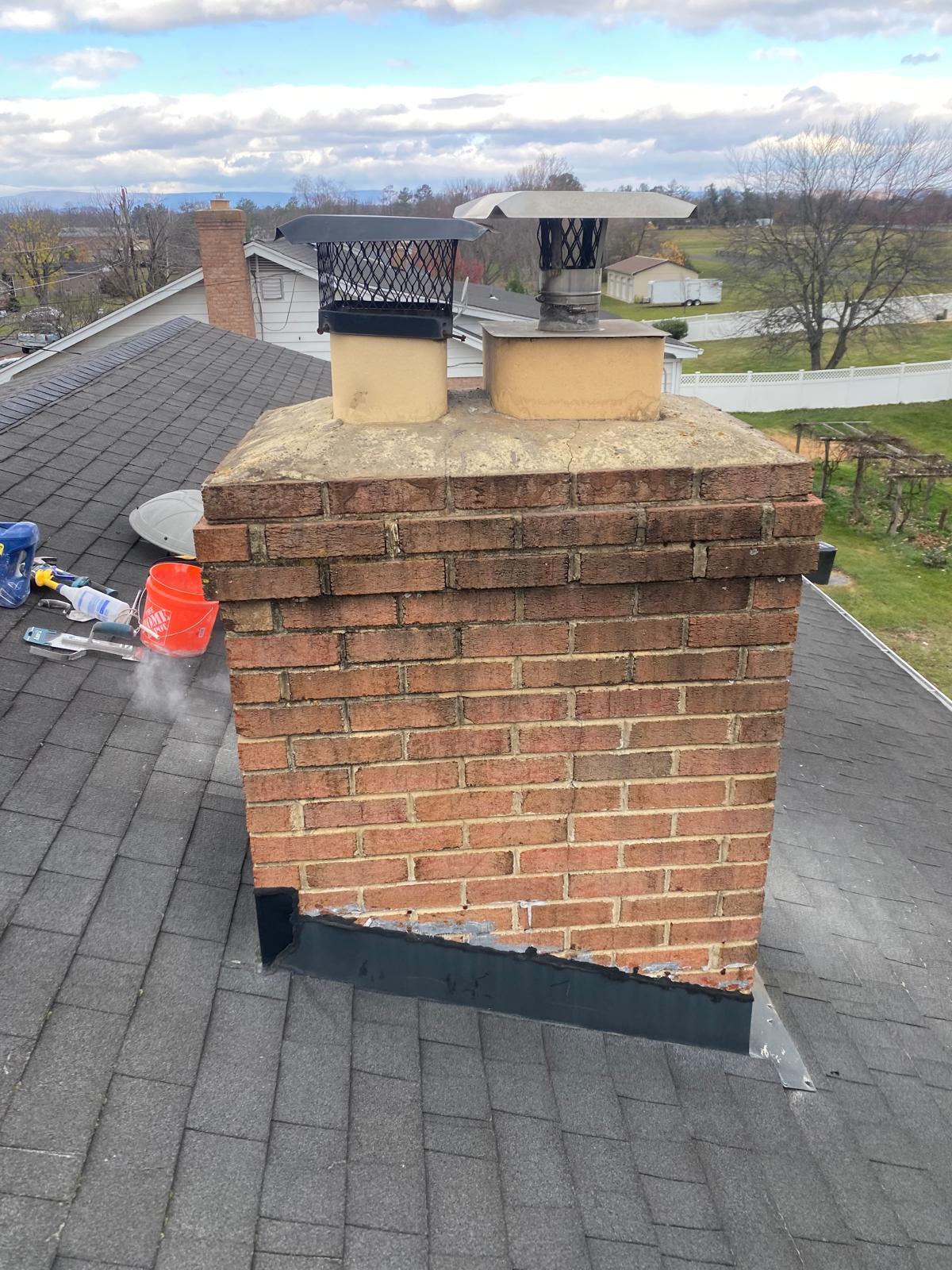
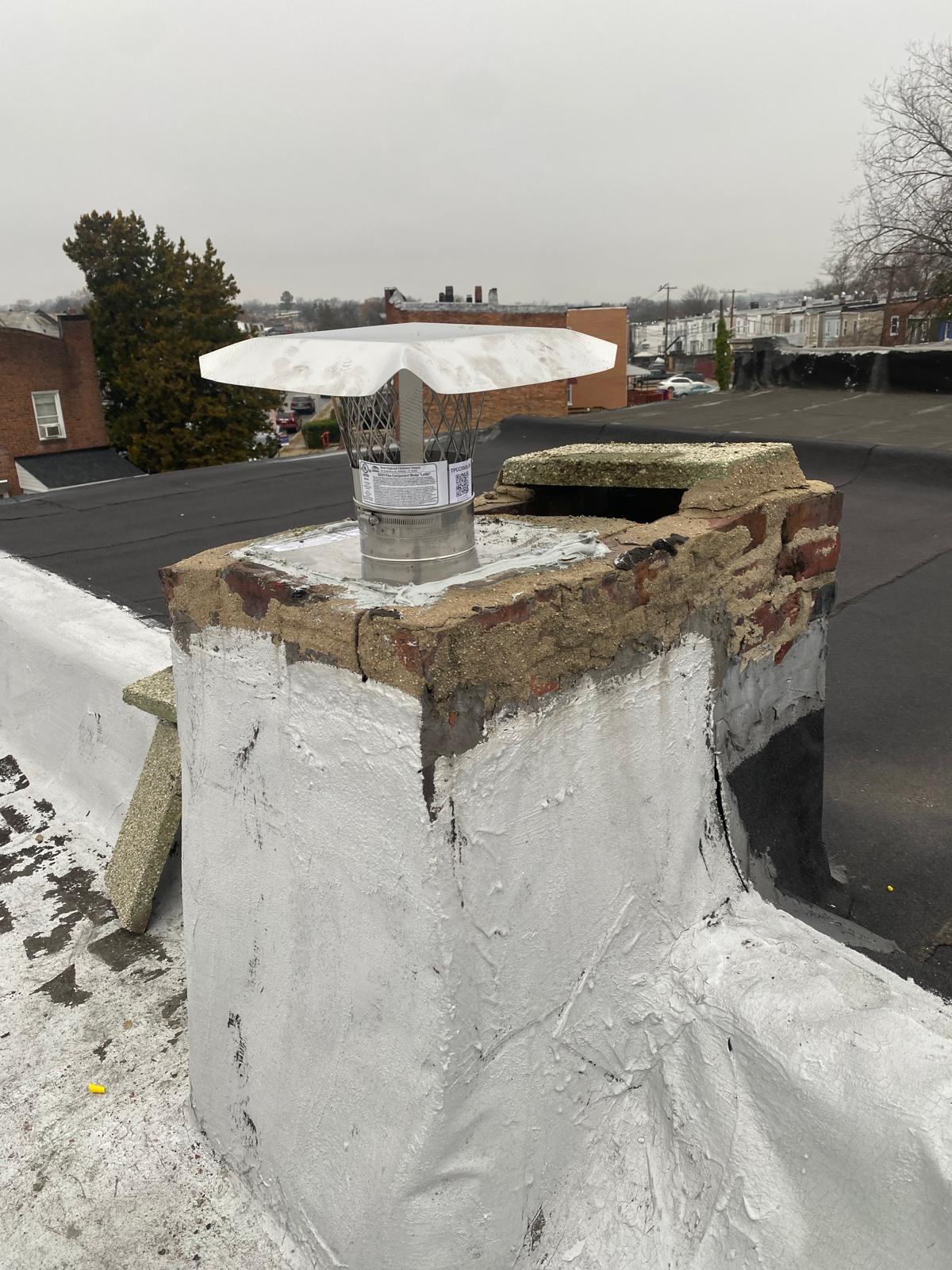
When you call on DD Chimney Cleaning in Los Angeles, you’re not just getting a sweep; you’re investing in a comprehensive safety check. Our professional technicians meticulously remove creosote, soot, and any blockages, ensuring that your flue is clear and ready to perform its vital function. We also inspect for any structural damage that could compromise your chimney’s integrity or drafting capabilities.
We understand the specific needs of homes here in Southern California, from the coastal breezes to the drier inland climates. Unlike homeowners in colder climates who might rely heavily on their fireplaces, for many in LA, it’s about occasional use and aesthetic appeal. However, even intermittent use produces creosote and requires regular maintenance. A clean chimney is crucial, whether you’re using it frequently or just for special occasions.
Ensuring your chimney is maintained by experienced professionals is vital for consistent safety. If you’re comparing services, you’d find a similar commitment to safety from our colleagues offering DD Chimney Cleaning in Detroit, where winter demands are far greater. However, the vigilance against CO remains universally important.
When Should Your Chimney Be Cleaned? A Seasonal Perspective
While some homeowners might think of chimney cleaning as a once-a-decade chore, the reality for optimal safety is quite different. The Chimney Safety Institute of America (CSIA) recommends that chimneys be inspected annually and cleaned as needed. For fireplaces used regularly during the cooler months, a cleaning might be necessary after every cord of wood burned. Even if you use your fireplace infrequently, annual inspections are critical to detect subtle issues like animal nesting, water damage, or early creosote buildup.
Considering Los Angeles’ climate, many residents begin using their fireplaces as early as October and continue through April. Scheduling your chimney cleaning before the peak usage season, typically late summer or early fall, ensures your system is ready when you are. Don’t wait for a problem to arise; proactive maintenance is the cornerstone of preventing carbon monoxide poisoning.
Your Safety Action Plan
Protecting your family from carbon monoxide poisoning requires a multi-pronged approach, and a clean chimney is a major piece of that puzzle. Here’s what you can do:
- Schedule Annual Professional Chimney Cleaning and Inspection: This is the most effective step you can take. Contact DD Chimney Cleaning today at (833) 339-6803 to book your service. Our expert technicians will assess your chimney’s condition, remove dangerous creosote, and identify any potential issues that could lead to CO backdrafting.
- Install CO Detectors: Place battery-operated or hard-wired CO detectors on every level of your home, especially near sleeping areas. Test them monthly and replace batteries twice a year, or replace the entire unit every 5-7 years.
- Ensure Proper Ventilation: Never operate a fireplace or any fuel-burning appliance in an unventilated area.
- Never Use Outdoor Heating Indoors: Charcoal grills, portable camping stoves, and gas generators are not safe for indoor use.
FAQ: Carbon Monoxide and Chimney Safety
We understand you might have more questions about this critical topic. Here are some common inquiries:
Q: How often should I have my chimney cleaned?
A: The Chimney Safety Institute of America (CSIA) recommends an annual inspection for all chimneys. Cleaning is then performed as needed based on the inspection findings. If you use your fireplace frequently, you may need more frequent cleanings, potentially after every cord of wood burned.
Q: Can a gas fireplace also cause carbon monoxide poisoning?
A: Yes, absolutely. Gas fireplaces and other gas-burning appliances (furnaces, water heaters) can produce carbon monoxide if their ventilation systems (flues or vents) become blocked or damaged. Even though they don’t produce creosote, other obstructions or damage can still impede exhaust. An annual inspection by DD Chimney Cleaning will check the integrity of your gas fireplace’s flue system.
Q: What are the symptoms of carbon monoxide poisoning?
A: Symptoms can be flu-like and include headache, dizziness, nausea, fatigue, shortness of breath, and confusion. Prolonged exposure can lead to loss of consciousness, brain damage, and death. If you suspect CO poisoning, get fresh air immediately and call 911.
Q: Is a chimney cap important for CO prevention?
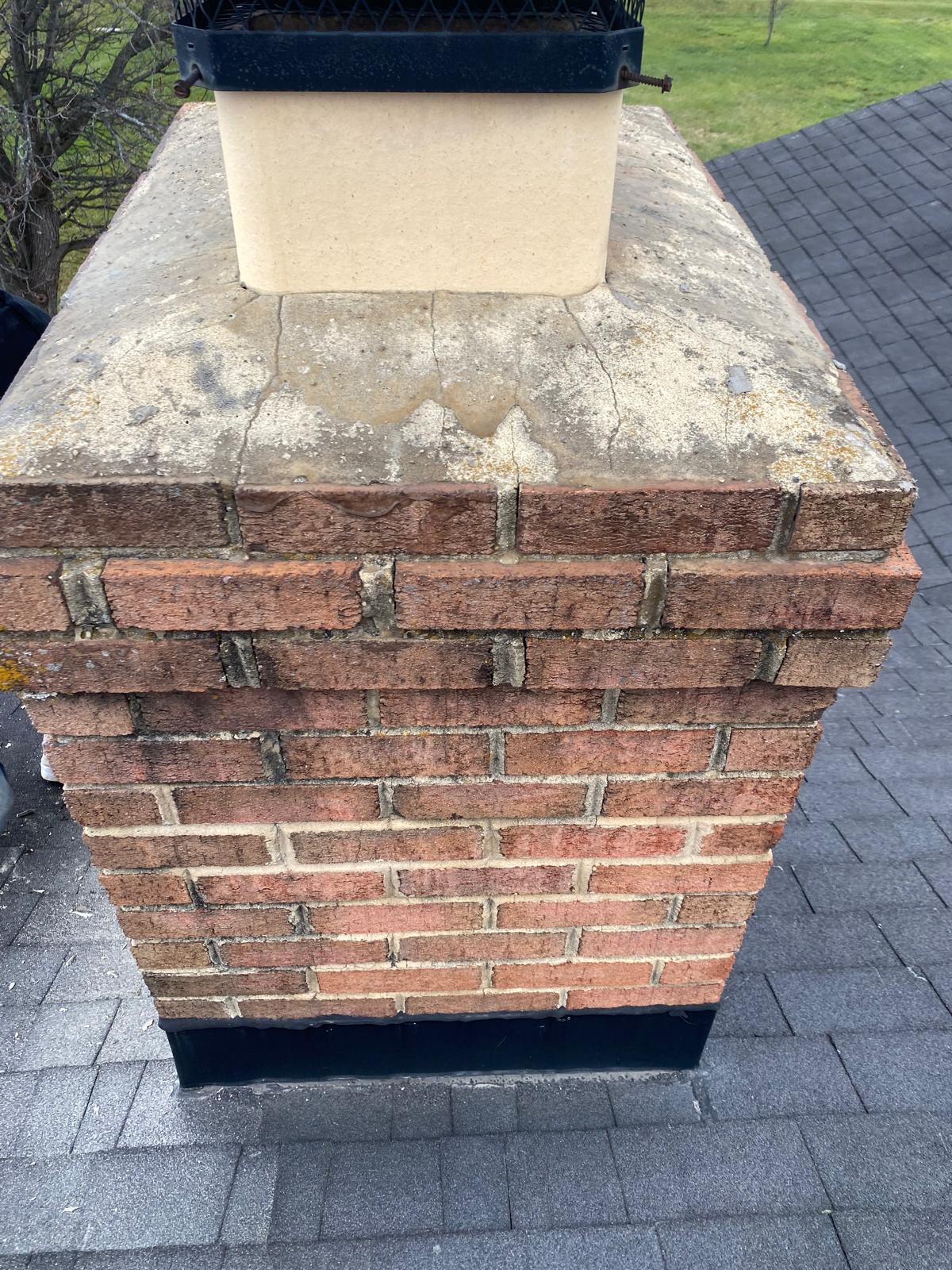
A: Yes, a chimney cap serves multiple vital purposes. It prevents rain, snow, and moisture from entering your flue, which can cause deterioration. Crucially, it also keeps birds, animals, and debris (like leaves and twigs) from nesting or falling into your chimney, preventing blockages that could lead to CO accumulation in your home.
Q: My chimney looks fine from the outside. Why do I need it inspected?
A: The visible exterior of your chimney doesn’t reflect what’s happening inside. Creosote buildup, hidden cracks in the flue liner, or internal animal nests can only be detected through a professional inspection. These internal issues are the primary causes of CO backdrafts and chimney fires.
Don’t Take Chances with Your Family’s Health
The threat of carbon monoxide poisoning is serious, but it is also largely preventable with proper chimney maintenance. Don’t let unseen dangers compromise the safety of your Los Angeles home. Make chimney cleaning a priority on your seasonal safety checklist. Our skilled technicians are here to provide thorough and reliable service, ensuring your fireplace operates safely and efficiently. Protect your loved ones and enjoy the warmth of your fireplace with complete peace of mind. For expert chimney cleaning that you can trust, contact DD Chimney Cleaning today. Call us at (833) 339-6803 to schedule your appointment.