The Southern California winter, though often mild, ushers in its own set of unique challenges. Those sporadic, intense rain showers that occasionally sweep through Los Angeles can quickly expose vulnerabilities in your home, especially in often-overlooked areas like your chimney. When the weather shifts from our characteristic sunny days to cooler, damp evenings, any existing water penetration issues in your masonry chimney don’t just magically disappear; they can escalate, quietly inflicting significant damage. Now is the crucial time to act, to address these insidious threats before they transform into costly, structural nightmares.
A compromised chimney is more than just an aesthetic flaw; it’s a structural liability and a potential health hazard. Delaying inspection and repair can lead to extensive damage not only to the chimney itself but also to your roof, attic, and even the interior of your cherished Los Angeles home. This isn’t a problem that will resolve itself with the return of sunshine; it demands immediate attention.
Why is Water Penetration Such a Critical Concern for Los Angeles Chimneys?
Water is relentlessly destructive, especially to masonry. It might seem innocuous at first, but moisture repeatedly seeping into your chimney’s brickwork and mortar begins a vicious cycle of deterioration. For Los Angeles homeowners, particularly those in areas with older homes like Pasadena, Santa Monica, or the Hollywood Hills, the impact of even mild climate variations can be severe.
- Structural Integrity Compromise: Water erodes mortar joints, the very “glue” holding your chimney together. This weakening can lead to a leaning chimney, instability, or even collapse in extreme cases. Our unique seismic activity in LA further compounds this risk; weakened masonry is far more susceptible to damage during an earthquake.
- Freeze-Thaw Cycle (Even in LA): While not as prevalent as in colder climates, Los Angeles does experience temperature drops, especially at night and in higher elevations like the San Gabriel Valley. Water trapped within saturated masonry can freeze, expand, and then thaw, exerting immense pressure on bricks and mortar. This “spalling” causes the brick faces to pop off, accelerating decay.
- Mold and Mildew Growth: Damp conditions inside the chimney and adjacent interior spaces create an ideal breeding ground for mold. This isn’t just unsightly; it poses serious health risks, particularly for those with allergies or respiratory conditions, impacting your home’s indoor air quality.
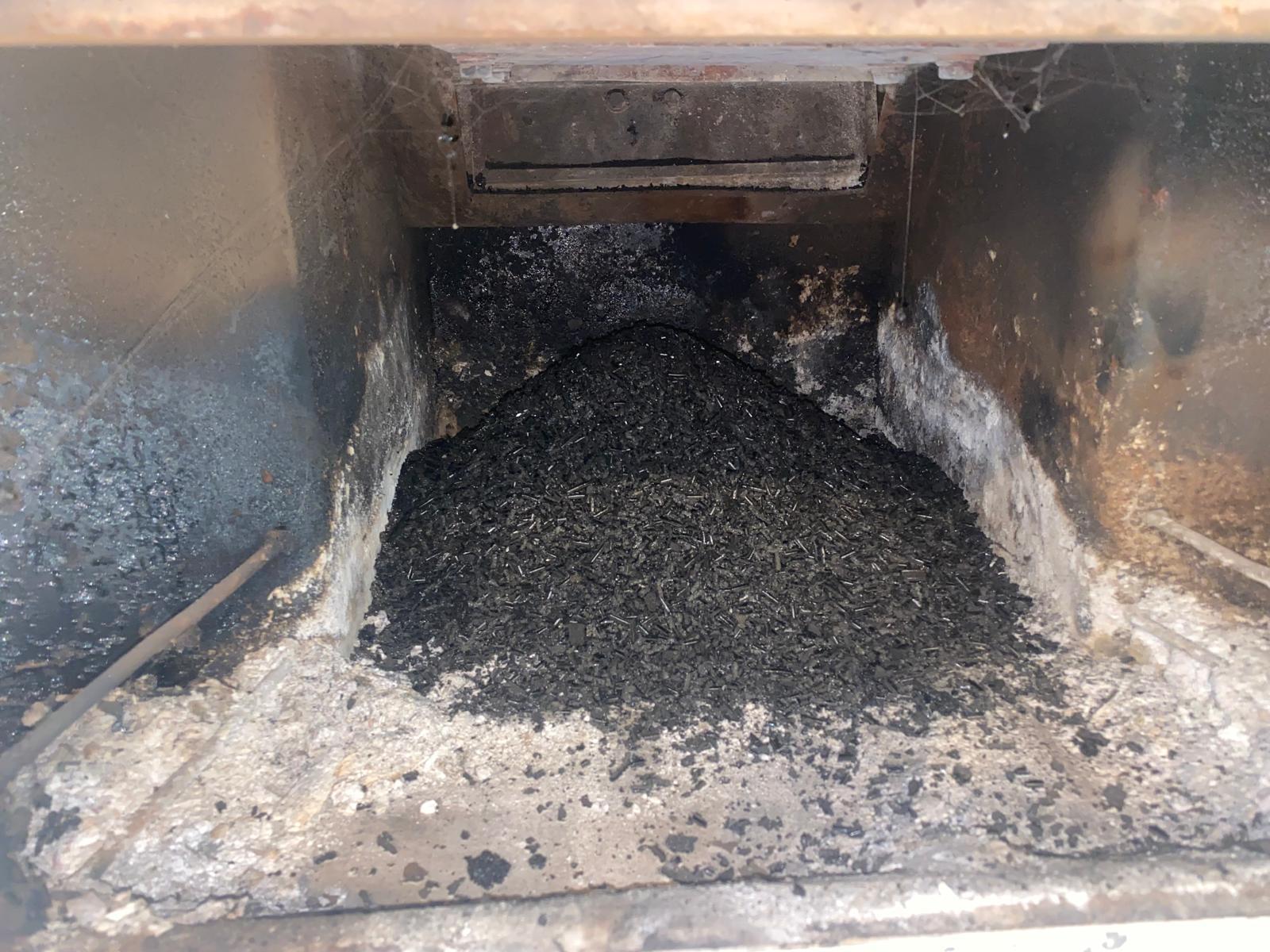
- Reduced Operational Efficiency & Safety: Water inside the flue can cause metal components like dampers and fireboxes to rust and malfunction. This not only impairs the chimney’s ability to draw smoke efficiently but can also create fire hazards if creosote buildup occurs on damp, compromised surfaces.
Understanding these risks is the first step. Recognizing the early warning signs, which are often subtle, is the next.
What Are the Tell-Tale Signs of Chimney Water Leaks That LA Homeowners Should Look For?
Identifying water penetration early can save you thousands in repairs. Many homeowners overlook these indicators, attributing them to age or normal wear. However, in our Mediterranean climate, any sign of persistent moisture warrants investigation.
Interior Warning Signs:
- Stains on Walls or Ceilings: Discoloration, often brown or yellow, appearing on walls or ceilings adjacent to or below the chimney. These stains tend to worsen after rain.
- Damp Odor or Musty Smell: A persistent, musty smell, particularly near the fireplace, indicates mold or mildew growth from prolonged dampness.
- Peeling Wallpaper or Blistered Paint: Moisture can travel through walls, causing wallpaper to lift or paint to bubble and peel near the chimney stack.
- Rust on Firebox Components: Look for rust on the damper, firebox lintel, or grate. This is a direct indicator of water making its way down the flue.
Exterior Warning Signs:
- Efflorescence: White, powdery deposits on the exterior brickwork. This is mineral salt left behind as water evaporates from the masonry. It’s a clear sign of water saturation.
- Spalling Bricks: The faces of bricks flaking, peeling, or popping off. This is severe freeze-thaw damage, even with our mild frosts.
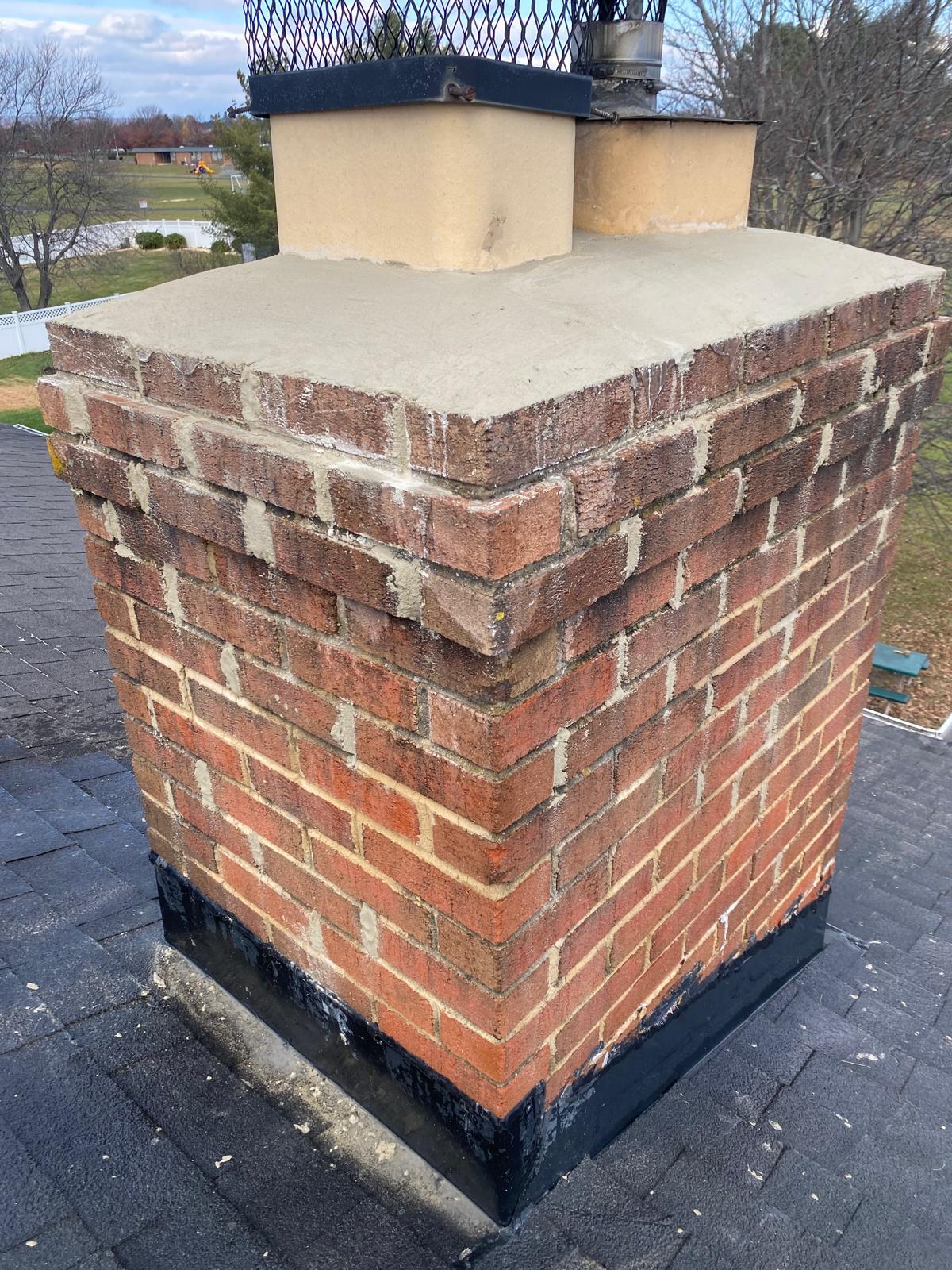
- Deteriorating Mortar Joints: Mortar between bricks becoming sandy, crumbly, or visibly eroding, creating gaps.
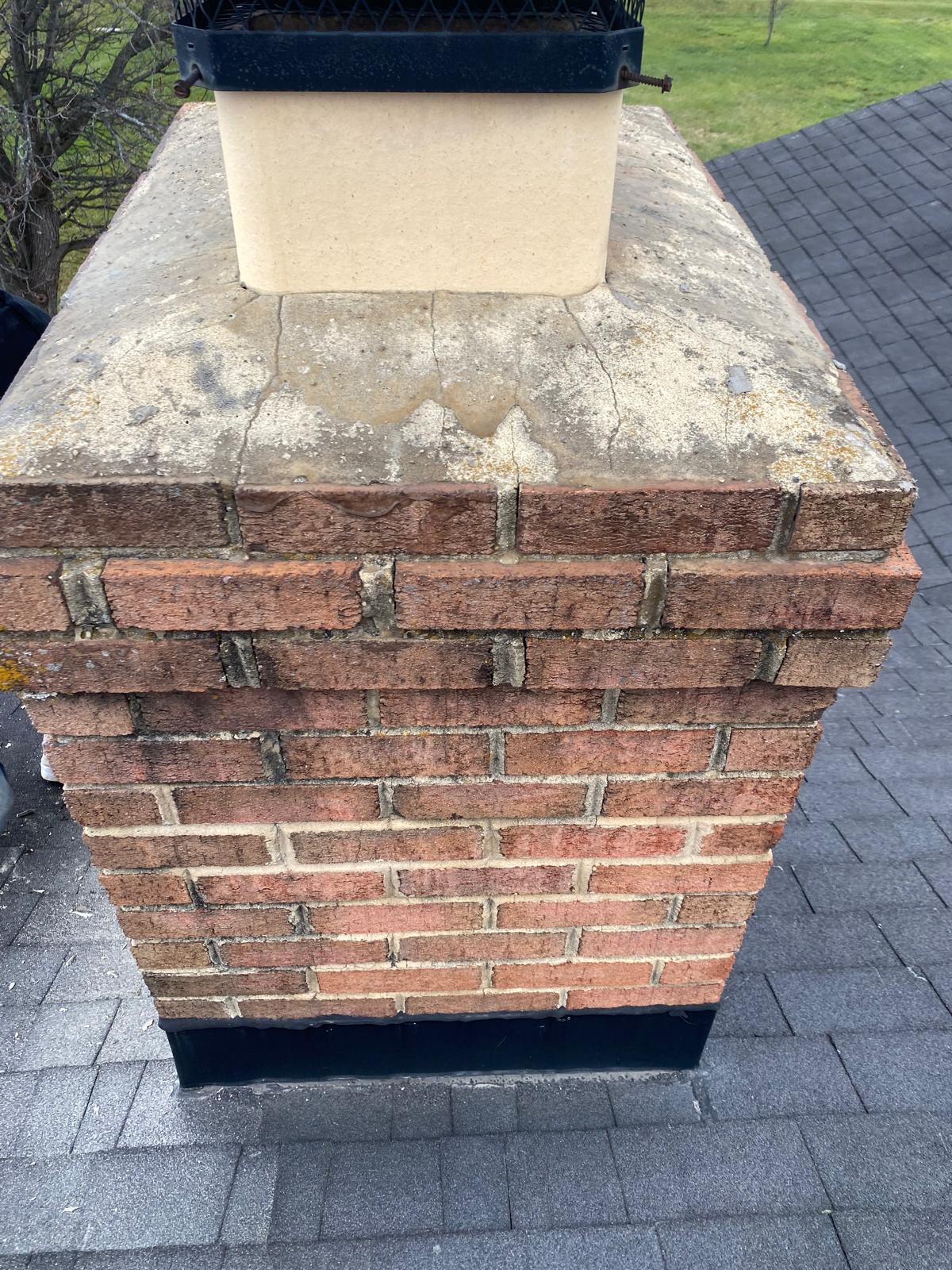
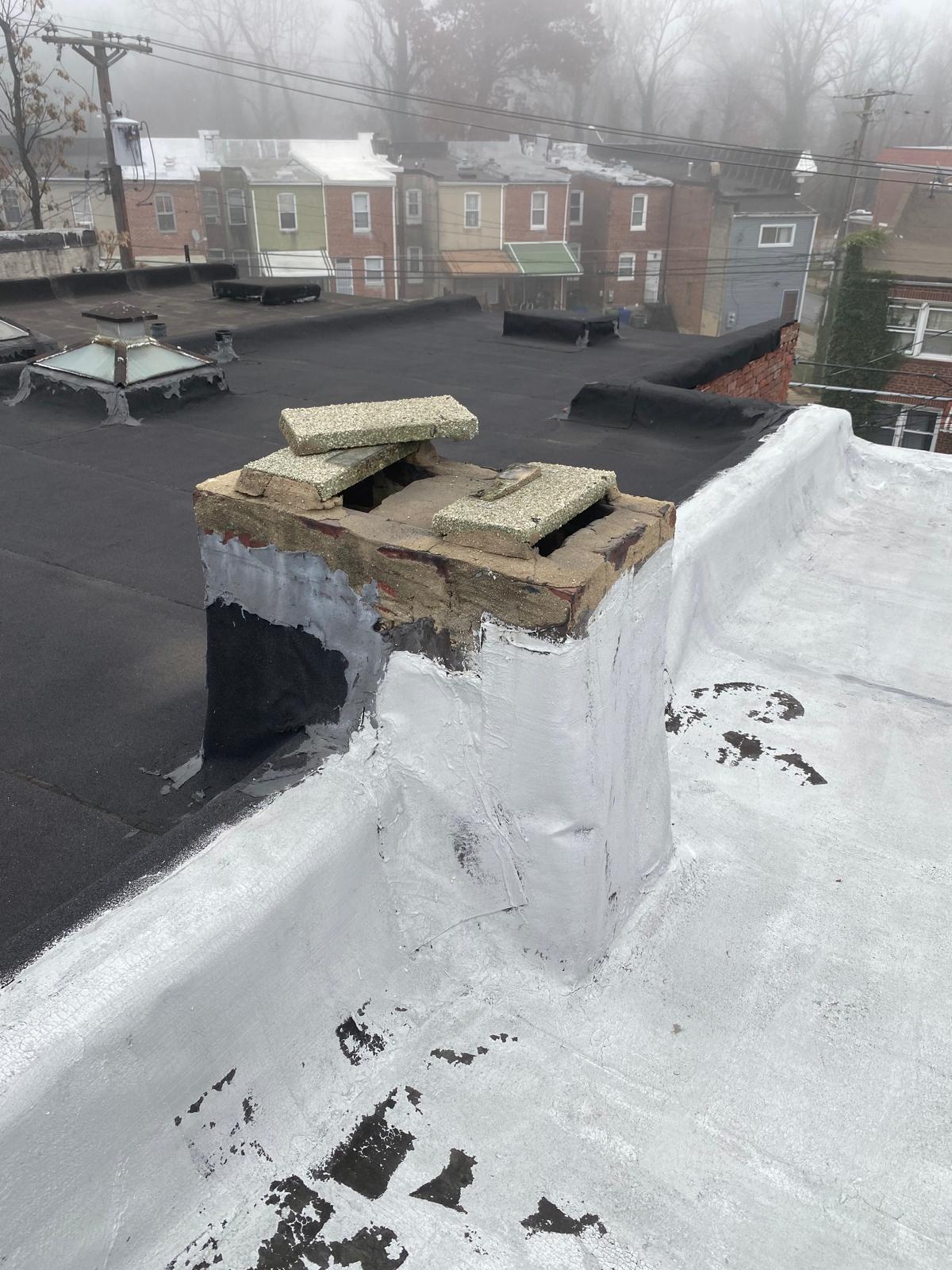
- Cracked Chimney Crown: The concrete slab at the very top of your chimney. Cracks here are direct entry points for water into the chimney structure.
- Damaged or Missing Flashing: The metal strips that seal the chimney to the roof. Rusted, bent, lifted, or missing flashing allows water to pour into the roof structure.
- Visible Rust on Exterior Metal: Any exterior metal elements, like a rain cap or chase cover, showing significant rust is a sign of water exposure and potentially compromised integrity.
If you observe even one of these symptoms, your chimney is communicating distress. Ignoring these signals is a gamble no Los Angeles homeowner should take.
How Does Water Typically Get Into a Masonry Chimney in a Southern California Climate?
Pinpointing the entry point is crucial for effective repair. Chimneys are complex structures, and water can exploit various vulnerabilities.
Cracked Chimney Crown
The chimney crown, typically a concrete slab, acts as an umbrella for the entire chimney structure. When cracks develop due to weathering, improper installation, or house settling (common in an active seismic region like Los Angeles), water penetrates these fissures, seeping directly into the masonry below or down the flue. It’s often the single most significant source of water infiltration.
Failing Flashing
Flashing is the critical watertight seal where the chimney meets the roof. It consists of multiple metal pieces (step flashing and counter flashing) meticulously interwoven with shingles and sealed. Over time, due to sun exposure, roof movement, or poor initial installation, this flashing can bend, lift, crack, or rust, creating open channels for water to run directly into your attic and walls.
Deteriorated Mortar Joints
Mortar, composed of sand, cement, and lime, is designed to be softer than brick, absorbing movement and minor stress. However, constant exposure to rain, wind, and the relentless LA sun causes it to degrade. Eroded mortar joints create pathways for water to seep deep into the brickwork, accelerating overall chimney deterioration.
Porous Bricks / Spalling
Not all bricks are created equal. Some, especially in older Los Angeles homes, are more porous than others. Over time, bricks can become saturated with water. Even minor freezing temperatures at night can cause the absorbed water to expand, leading to the brick face spalling off, leaving the inner, more vulnerable parts of the brick exposed to further damage.
Missing or Damaged Rain Cap/Cover
A rain cap, often combined with a spark arrestor, sits atop the flue. Its primary job is to prevent rain, leaves, and animals from entering the chimney. If it’s missing, rusted through, or improperly sized, water has a direct, unimpeded path straight down your flue liner and into your firebox.
What Immediate Risks Do Chimney Water Leaks Pose to My Los Angeles Home?
The consequences of unaddressed chimney leaks extend far beyond mere cosmetic damage. These are not issues that improve with time; they invariably worsen, often rapidly.
- Structural Instability: As mortar erodes and bricks spall, the entire chimney structure weakens. This is particularly concerning in earthquake-prone Los Angeles, where even minor tremors could destabilize a compromised chimney.
- Extensive Interior Damage: Water traveling down through the chimney can ruin ceilings, walls, flooring, and attic insulation. The repair costs for drywall, paint, and potential structural timber replacement far outweigh the cost of timely chimney repair.
- Health Hazards from Mold: The persistent dampness fosters mold and mildew growth in hidden spaces like wall cavities, attics, and even within the chimney itself. This not only produces unpleasant odors but can severely impact indoor air quality, leading to respiratory issues and allergic reactions.
- Fire Hazard Escalation: A damp flue is less efficient and can lead to faster creosote buildup, which is highly flammable. Rusting components like the damper might prevent proper operation, further exacerbating potential fire risks.
- Decreased Property Value: Undetected and unrepaired water damage can significantly devalue your Los Angeles property. Potential buyers will be wary of homes with evident or suspected water issues, leading to lower offers or extensive repair demands during escrow.
What’s Involved in Professionally Diagnosing Chimney Water Penetration?
Accurate diagnosis is paramount. A professional inspection goes beyond a cursory glance from the ground.
At DD Chimney Cleaning, our certified technicians perform a multi-point inspection tailored to identify all potential entry points and assess the extent of existing damage. This includes:
- Rooftop Examination: A thorough visual inspection of the chimney crown, flashing, mortar joints, bricks, and rain cap from the roof level, where all components are directly accessible.
- Interior Flue Inspection: Using specialized cameras, we inspect the flue liner for cracks, gaps, or signs of water intrusion that aren’t visible from the outside.
- Attic and Interior Hearth Area Assessment: Checking for water stains, mold, or damaged insulation in your attic space and around the fireplace opening indoors.
- Moisture Meter Readings: Utilizing moisture meters to detect hidden moisture within masonry, behind walls, or in the attic structure, pinpointing exact areas of concern.
This comprehensive approach ensures no potential leak source is overlooked, allowing for a precise and effective repair plan.
What Are the Effective Solutions for Repairing Water-Damaged Masonry Chimneys?
Once the source and extent of water damage are identified, a targeted repair strategy can be implemented to permanently seal your chimney against future leaks.
Chimney Crown Repair or Replacement
Depending on the damage, minor cracks in a sound crown can be sealed with a flexible crown sealant. For severely cracked or improperly built crowns, complete removal and replacement with a new, reinforced concrete crown, properly sloped to shed water, is the most durable solution.
Flashing Repair or Replacement
Compromised flashing requires immediate attention