Is Your Los Angeles Chimney Letting the Outside In? Detecting and Preventing Drafts
Picture this: It’s a crisp November evening in Pasadena. You’ve just settled in with a good book and a mug of something warm, ready to enjoy the rare chill in the Los Angeles air. Suddenly, a gust of wind sneaks through your living room, ruffling your pages and making your pet feline, Whiskers, twitch an ear. You glance towards your fireplace, expecting to see the dying embers of a long-finished fire. Instead, you feel… a breeze. Not a cozy, fireplace-drafting-properly breeze, but a distinct *whoosh* that’s chilling you to the bone and, frankly, making Whiskers look deeply unimpressed. Sound familiar, fellow Angelenos? You’re not alone. Those sneaky drafts in your chimney might be doing more than just chilling your toes; they could be a symptom of a larger issue that affects your home’s comfort and efficiency, especially here in the ever-temperate but surprisingly breezy Southern California climate.
The Unwelcome Guests: What Are Chimney Drafts?
Let’s demystify the term “chimney draft.” In the simplest terms, a draft is the movement of air up and out of your chimney. This is essential for a properly functioning fireplace. The hot air and gases produced by a fire are less dense than the surrounding air, causing them to rise and be expelled. This creates a natural vacuum, pulling fresh air into the fireplace to fuel the combustion. It’s a beautiful, natural process, like a perfectly choreographed ballet of heat and air. However, when this process goes awry, and you start feeling cold air coming *down* your chimney when there’s no fire, that’s an unwelcome draft – a sign that something isn’t quite right with your flue or damper.
Think of your chimney as the lungs of your home for your fireplace. When they’re healthy, they take in what they need (oxygen) and exhale what they don’t (smoke and combustion byproducts). When they’re not, you get those chilly backdrafts and other less-than-pleasant consequences. And while Los Angeles might not be known for its blizzards, even a mild Santa Ana wind can turn a minor draft into a noticeable nuisance.
Why Drafts Are More Than Just an Annoyance (Especially in LA)
Beyond the immediate discomfort of a cold breeze, these persistent drafts can signify several potential problems. For starters, they can dramatically impact your home’s energy efficiency. A draft means that the conditioned air from your heating system (or even just the warm air in your home) is escaping up the chimney. During those occasional cooler LA nights or when your thermostat is kicking in, this is like leaving a window open – pure energy waste. Studies show that leaky chimneys can contribute to significant heat loss, costing homeowners money on their energy bills. In a sprawling metropolis like Los Angeles, where energy consumption is a constant concern, optimizing your home’s efficiency is crucial.
Furthermore, these drafts can carry unpleasant odors from outside, or worse, from pests that may have taken up residence in your chimney. Imagine the scent of dampness or even less savory smells wafting into your otherwise pristine living space in a neighborhood like Hancock Park. It’s not exactly the ambiance you’re going for. And if you’re considering a professional DD Chimney Cleaning in Los Angeles, understanding these draft issues is the first step to a warmer, cleaner, and more comfortable home.
Detecting the Sneaky Intruders: How to Spot a Chimney Draft
So, how do you catch these phantom breezes before they turn your living room into a mini wind tunnel? Detection is often surprisingly simple, but it requires a bit of keen observation.
The Simple Sensory Checks
- The Hand Test: On a breezy day, or even when you suspect a draft, lightly run your hand around the fireplace opening and the damper area. You’ll feel the tell-tale stream of cooler air if a draft is present.
- The Candle Test: This is a classic for a reason. Light a candle and hold it near the fireplace opening (with the damper open, but no fire). If the flame flickers dramatically or blows out, you’ve found your draft source. Be cautious when doing this and ensure there’s no flammable material nearby.
- The Smoke Test (Use with Caution!): If you *do* have a fire going, pay attention to how the smoke behaves. Does it billow out into the room? Does it seem to struggle to exit the flue? This is a strong indicator of a drafting problem. However, this is also a sign that you should extinguish the fire immediately and investigate further. Safety first, always!
Visual Clues to Look For
Sometimes, the evidence isn’t just a feeling; it’s visible:
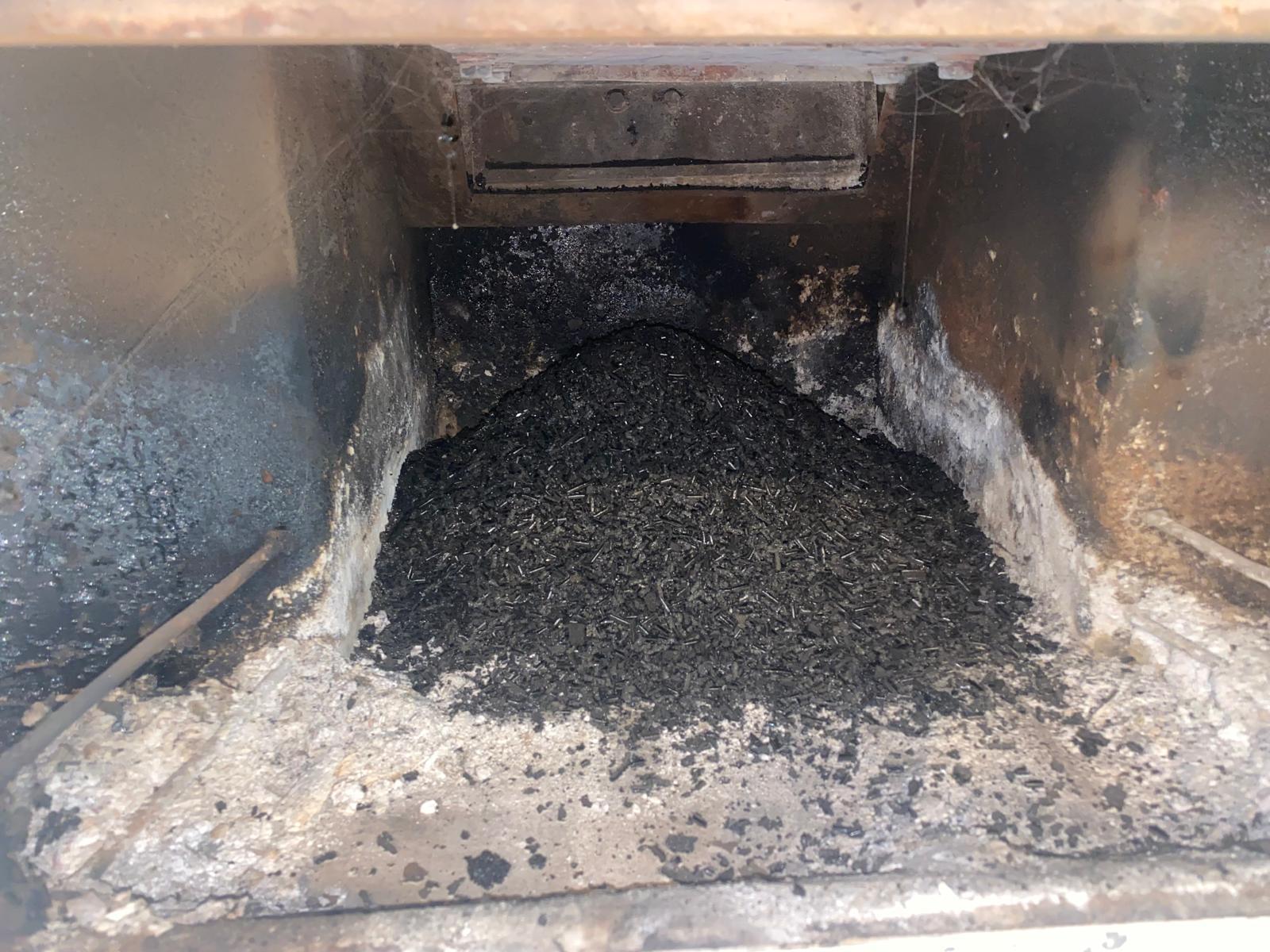
- Soot Stains Around the Fireplace: If you notice black or grey soot marks spreading outward from the fireplace opening or around the damper area, it’s a strong sign that smoke and air aren’t exiting the flue properly and are being pushed back into your home. This is a visual cue that professional cleaning might be overdue.
- Drafts from Closed Doors or Windows Near the Fireplace: You might notice drafts from areas that shouldn’t have them if your chimney is the culprit. Air will find the path of least resistance, and if your chimney isn’t sealing properly, it can influence airflow throughout your home.
- Unusual Smells: As mentioned, lingering odors of smoke, creosote, or even animal activity can be pushed back into your home by downdrafts.
The Silent Culprits: Common Causes of Chimney Drafts
Once you’ve detected a draft, understanding *why* it’s happening is key to fixing it. Fortunately, most common causes are directly related to the chimney’s structure and its components. For example, a chimney that hasn’t been inspected or cleaned in a while, like those serviced by experts such as DD Chimney Cleaning in New York (though our focus is LA!), might develop issues.
The Mighty Damper: Friend or Foe?
The fireplace damper is essentially a metal plate that sits just above the firebox, designed to seal the chimney when the fireplace is not in use. Its primary job is to prevent outside air from entering and heated indoor air from escaping. If your damper is:
- Worn Out or Damaged: Over time, dampers can rust, warp, or become misaligned, preventing them from sealing completely.
- Blocked by Debris: Soot, creosote, or even a bird’s nest can lodge themselves in the damper mechanism, preventing it from closing fully.
- Left Open: The most straightforward reason! Many homeowners simply forget to close their damper after a fire has completely burned out, leading to drafts and heat loss. This is like forgetting to close the garage door on a windy day; energy just goes *poof*.
Creosote Buildup: The Sticky Situation
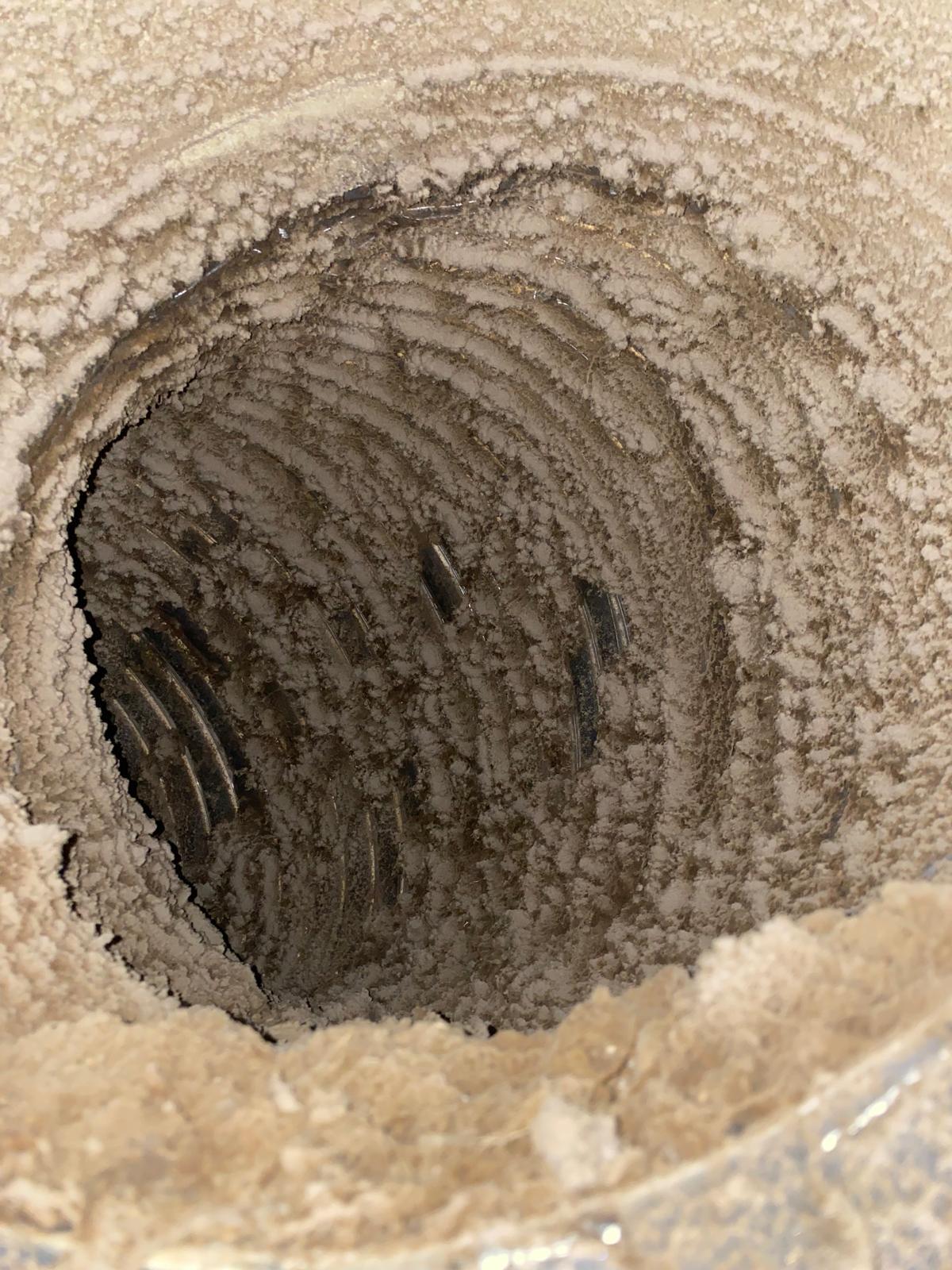
Creosote is a highly flammable, tar-like substance that forms from the combustion of wood. As it builds up on the inside of your chimney lining and smoke shelf, it not only creates a fire hazard but also narrows the passageway for smoke and air. A heavily creosote-lined chimney can impede proper airflow, leading to those annoying downdrafts and, more critically, reducing the efficiency of your fireplace. Think of it as gunk in your arteries – it slows things down and makes everything harder to flow. Regular chimney cleaning in Los Angeles is the best way to combat this.
Structural Issues: The Bigger Picture
Sometimes, the problem goes beyond simple operational issues. Several structural problems can lead to drafts:
- Cracked or Damaged Chimney Liner: The liner (often made of clay tile, metal, or cast-in-place cement) is crucial for protecting your home from heat and preventing dangerous gases from entering. If it’s cracked or damaged, air can leak in and out, causing drafts and potentially compromising your home’s safety.
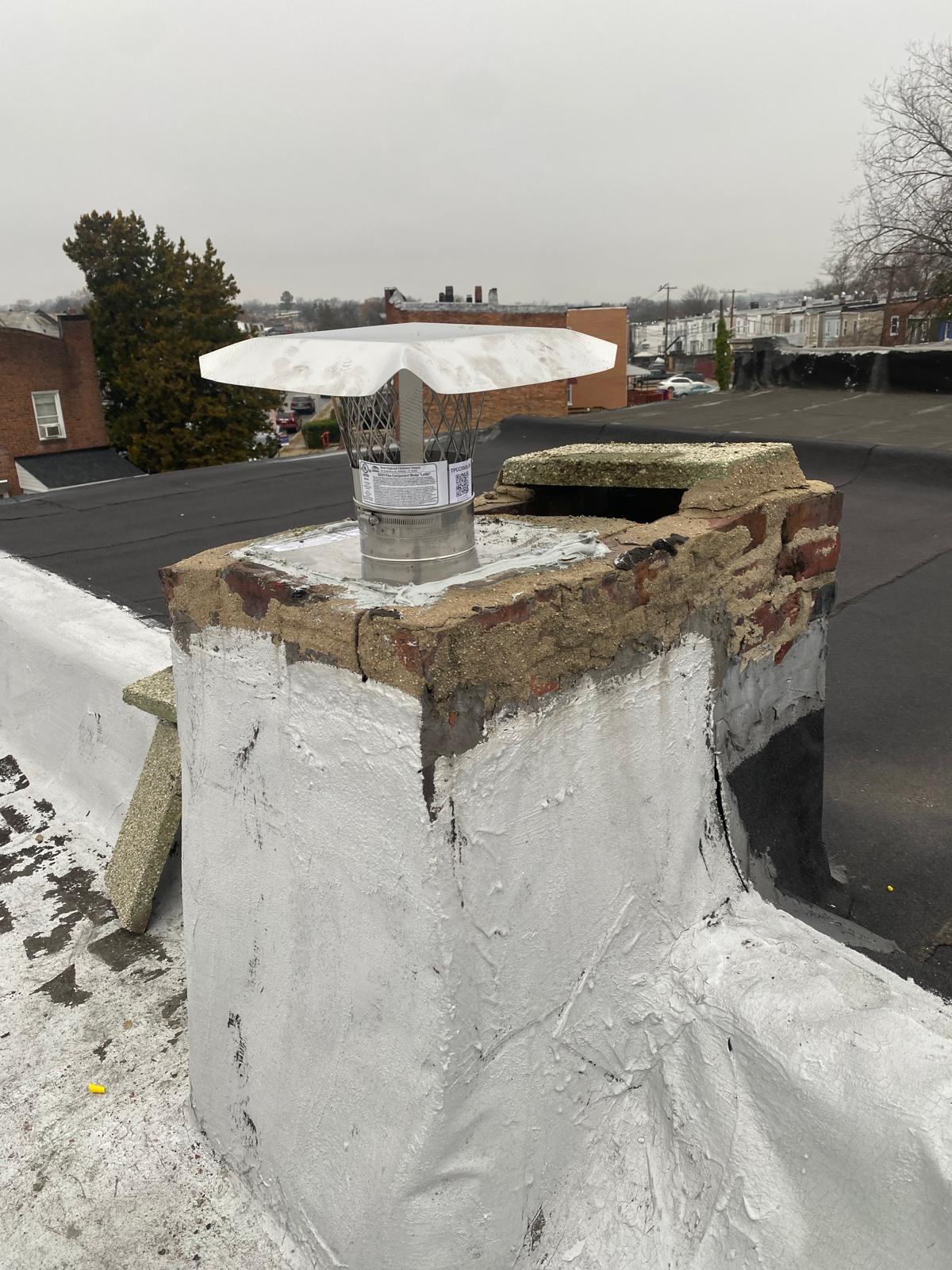
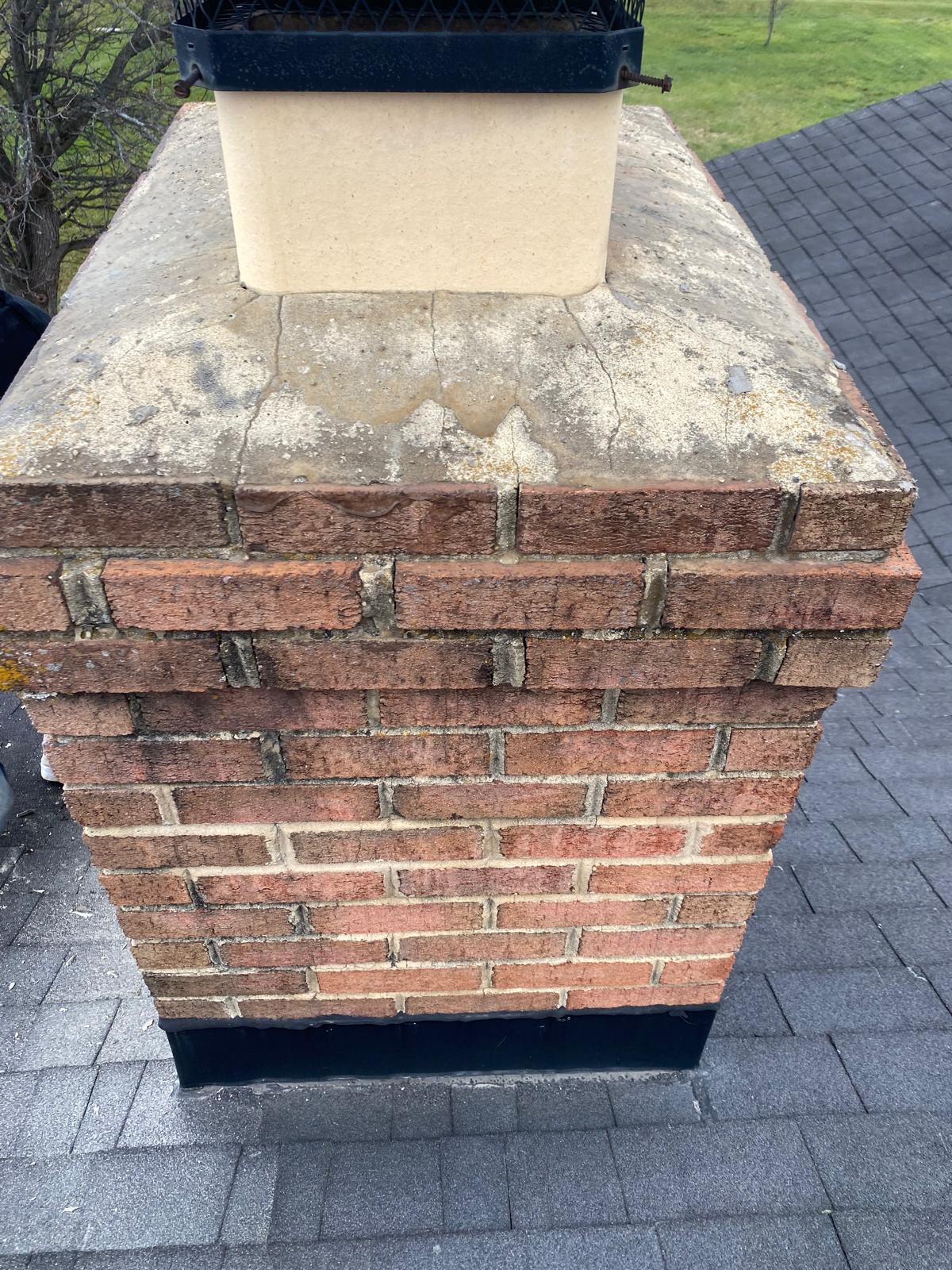
- Chimney Cap Problems: The chimney cap sits atop your chimney and is designed to keep rain, snow, and pests out while allowing smoke to escape. If it’s damaged, missing, or not properly sized, it can allow rain to enter, which can then freeze and expand, leading to liner damage, or it can simply disrupt airflow.
- Blockages: Bird nests, animal infestations (sadly common in parts of LA county), leaves, or other debris can completely block the flue, forcing air and smoke back into your home.
- Improper Chimney Design or Height: In some cases, older homes might have chimneys that weren’t designed to meet modern airflow standards or may be too short to create adequate draft, especially when compared to contemporary construction or homes in areas like Chicago with more dramatic weather shifts that necessitate robust draft systems, as one might find with professional services from DD Chimney Cleaning in Chicago.
Preventing the Chill: Proactive Measures for Your Los Angeles Home
The good news is that preventing drafts, or at least significantly minimizing them, is achievable with a proactive approach. It’s all about maintenance and being aware of what’s going on with your chimney system.
The Golden Rule: Regular Cleaning and Inspections
This is non-negotiable. Just like you get your car serviced regularly, your chimney needs professional attention. A qualified chimney sweep will:
- Remove Creosote and Soot: This is the primary function and directly addresses one of the main causes of poor draft and fire hazards.
- Inspect for Damage: They’ll spot cracks, loose bricks, and liner damage that you might miss.
- Check the Damper: Ensure it’s functioning correctly and seals properly.
- Identify Blockages: They can safely remove nests and other debris.
For Los Angeles homeowners, it’s especially important to schedule this service annually, even if you don’t use your fireplace extensively. The marine layer can contribute to moisture buildup, and even occasional fires can create creosote. DD Chimney Cleaning understands the unique environmental factors that affect chimneys in our area and can provide thorough service. Homeowners in Beverly Hills have also found great results with bh locksmith.
Maintain Your Chimney Cap
Ensure your chimney cap is secure and in good condition. If you notice any damage, or if it appears to be loose, contact a professional. A well-functioning cap is your first line of defense against external elements that can impact draft and damage your chimney.
Seal Air Leaks
Around the fireplace itself, check for any visible gaps or cracks between the fireplace surround and the wall. Seal these with high-temperature caulk or sealant designed for fireplaces. This is a simple DIY task that can prevent small drafts from entering your home.
Operate Your Fireplace Wisely
- Close the Damper: Always ensure the damper is fully closed once the embers have completely died out and the fireplace has cooled down.
- Burn Properly Seasoned Wood: Wet or unseasoned wood produces more creosote and smoke, contributing to buildup and poor drafting.
- Avoid Over-Firing: Burning excessively hot fires can stress your chimney system and contribute to faster creosote buildup.
When to Call the Professionals (Besides a Draft!)
While we’ve focused on drafts, there are other signs your chimney might need attention. Strange noises, visible cracks in the masonry, a persistent smoky smell even when the fireplace isn’t in use, or water stains on the exterior of your chimney are all reasons to call in the experts at DD Chimney Cleaning. Our team is equipped with the knowledge and tools to diagnose and address a wide range of chimney issues, ensuring your system operates safely and efficiently.
Frequently Asked Questions About Chimney Drafts
We get a lot of questions about chimney drafts. Here are some of the most common:
Q1: Why does my chimney draft more when it’s windy?
Wind blowing over the top of your chimney can create a low-pressure zone that pulls air upwards, creating an updraft. However, strong gusts can sometimes push air *down* into the chimney, causing a downdraft, especially if the damper isn’t sealing perfectly or there’s an obstruction.
Q2: Is a slight draft always a problem?
A slight, controlled updraft is necessary for your fireplace to function. However, if you feel cold air coming down when you have no fire, or if the draft is strong enough to cause discomfort or noticeable air movement, it’s a sign that something is amiss and needs to be checked.
Q3: Can a dirty chimney cause drafts?
Yes! Significant creosote buildup narrows the flue, impeding airflow. This makes it harder for smoke and hot air to exit, potentially leading to downdrafts as the air struggles to find a clear path. It also creates a hazardous condition.
Q4: How often should I get my chimney inspected and cleaned?
The Chimney Safety Institute of America (CSIA) recommends an inspection annually, and cleaning based on usage and the amount of creosote buildup. For most homeowners in Los Angeles who use their fireplace moderately, an annual cleaning and inspection by a professional like DD Chimney Cleaning is generally sufficient. Speaking of home maintenance, visit their website provides top-quality air duct cleaning.
Q5: I have a gas fireplace insert. Can it still have draft problems?
Absolutely. While gas fireplaces generally produce less creosote, they still rely on proper venting. Blockages, damper issues, or problems with the vent pipe can all cause drafting problems with gas inserts.
Q6: What’s the difference between a downdraft and an updraft?
An updraft is when air and smoke are pulled *up* and out of the chimney, which is normal and desired for a functioning fireplace. A downdraft is when air is pushed *down* into the chimney and into your home, which is the problematic draft we’ve been discussing.
Q7: Can I seal my chimney myself to stop drafts?
While sealing minor air leaks around the fireplace surround is possible, attempting to seal the chimney flue or damper without professional knowledge can be dangerous. Improper sealing can lead to creosote buildup in unintended areas or prevent necessary ventilation, creating fire hazards or carbon monoxide risks. Always consult with a certified chimney professional.
Don’t let your Los Angeles chimney be a gateway for unwanted chills and energy loss! A well-maintained chimney is a sign of a well-cared-for home. If you suspect drafts or just want the peace of mind that comes with a clean and safe fireplace, reach out to the experts. At DD Chimney Cleaning, we’re dedicated to keeping your home warm, safe, and free from those bothersome drafts. Give us a call today at (833) 339-6803 to schedule your chimney cleaning and inspection!