Imagine this chilling scenario: a cozy winter evening in your beautiful Los Angeles home – perhaps in the Hollywood Hills or nestled near Griffith Park. You’ve got a roaring fire going, the family is gathered, and everything feels perfect. Then, an ominous cracking sound from above, followed by falling debris, smoke backing up into your living room, or worse, a flash fire ignited by a structural failure in your chimney. It’s a homeowner’s nightmare, a catastrophic outcome often linked to an aging, neglected chimney system. This isn’t just about inconvenience; it’s about significant property damage, health risks from smoke inhalation, and potentially devastating fires. The critical question isn’t if your chimney will age, but when its natural lifespan will reach its limit. The good news? Many of these preventable tragedies can be averted with timely intervention and expert chimney cleaning.
At DD Chimney Cleaning, we understand the unique challenges facing Los Angeles homeowners. From the dry Santa Ana winds to the occasional heavy winter rains, our local climate puts specific stresses on chimney structures, often accelerating age-related degradation. Don’t wait for the worst-case scenario. Recognizing the critical signs of an aging chimney and acting swiftly can save you from far greater headaches and hazards down the line.
Before: The Silent Deterioration – Critical Signs Your Los Angeles Chimney is Reaching its End
Unlike many other home systems, chimney degradation can be subtle, hiding its dangerous decline behind a facade of normalcy. Many chimneys in established LA neighborhoods were built decades ago, often with lifespans ranging from 25 to 50 years before major overhauls or replacements become necessary. If your home in Pasadena or Santa Monica dates back to the mid-20th century or earlier, your chimney is likely well into its advanced years. What should you be looking for?
External Warnings: Cracks, Crumbling, and Spalling Masonry
The exterior of your chimney, visible above the roofline, is constantly exposed to the elements. Over time, heat expansion, moisture infiltration, and seismic shifts (yes, even minor ones are a factor in Southern California) take their toll. Look for these red flags:
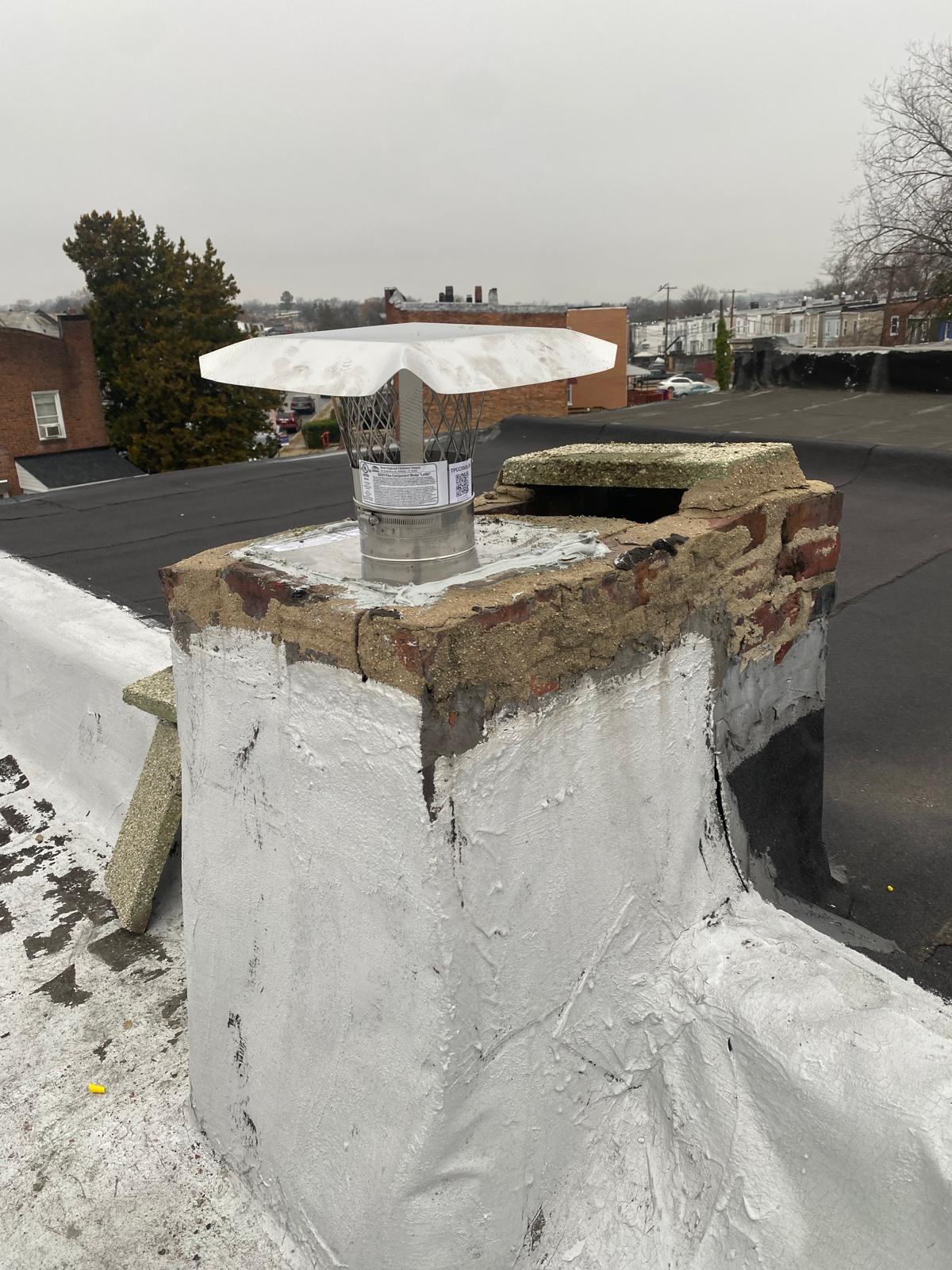
- Visible Cracks: From hairline fractures to larger, more significant fissures in the brick or mortar joints. These allow moisture to penetrate, leading to freeze-thaw cycles that further expand the damage.
- Spalling or Crumbling Masonry: This is when the surface of bricks or stones flakes off, crumbles, or pits. It indicates water saturation and the brick losing its structural integrity.
- Leaning or Shifting: A chimney that visibly leans to one side or has sections that appear misaligned is a serious structural concern, hinting at foundational problems or mortar failure.
- Damaged Flashing: The metal sealing around the chimney where it meets the roof can corrode or lift, creating direct pathways for water leaks into your attic and home.
Beyond the Bricks: Internal Flue Degradation and Dangerous Build-Up
While external signs are alarming, the interior of your chimney – the flue – is where the most dangerous age-related issues often reside. This vital pathway vents smoke and combustion byproducts safely out of your home. A compromised flue is a direct fire hazard and a source of toxic gas exposure.
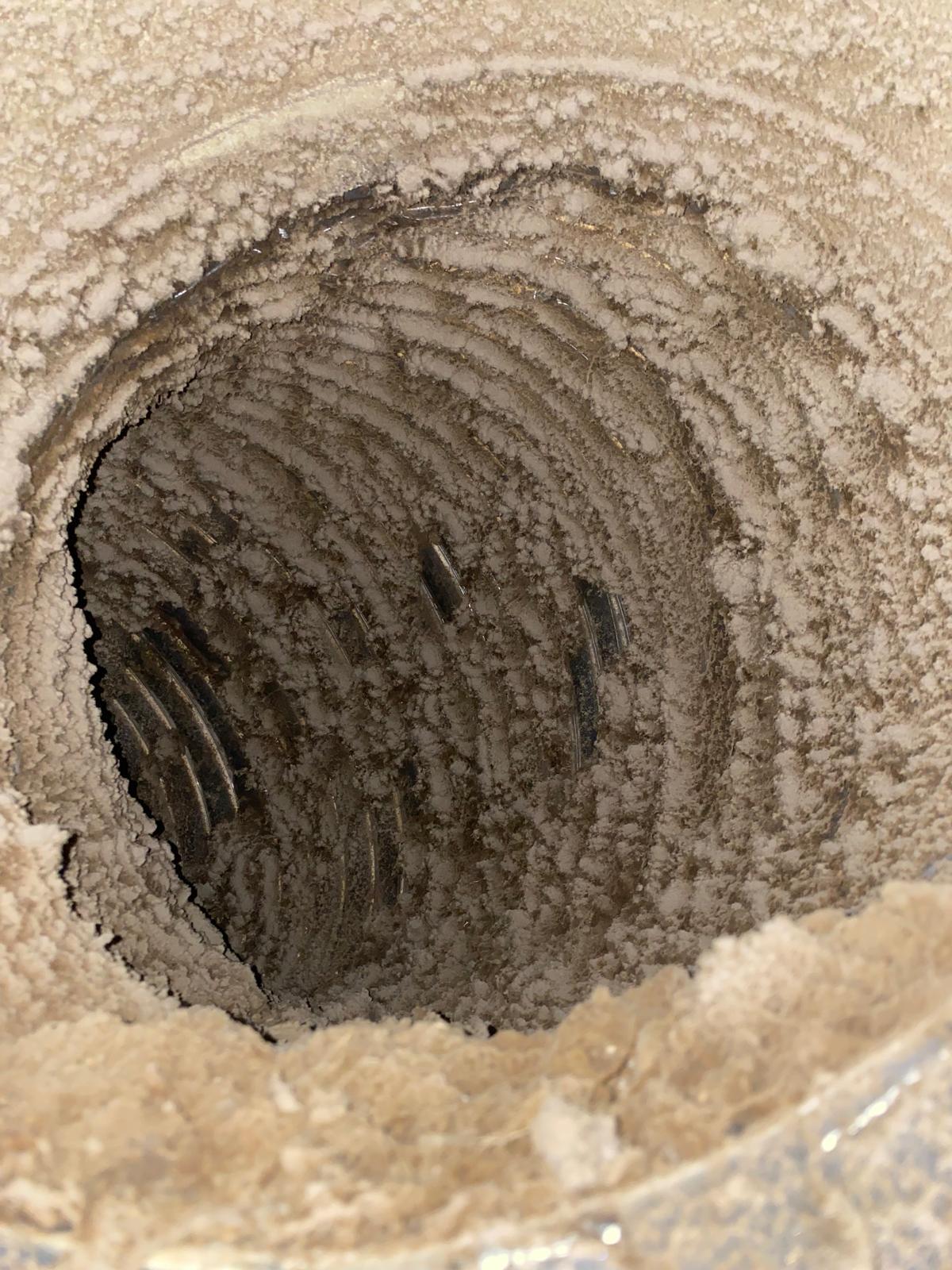
- Creosote Accumulation: Even in younger chimneys, heavy use without regular cleaning leads to layers of highly flammable creosote. In older flues, existing cracks or uneven surfaces can accelerate creosote buildup, making ignition easier. According to the Chimney Safety Institute of America (CSIA), creosote is a leading cause of chimney fires.
- Cracked or Missing Flue Liners: Most older chimneys have clay tile liners. Over decades of intense heat cycles, these can crack, chip, or even fall out. A compromised liner exposes the combustible framing of your home to extreme temperatures and sparks, creating a direct path for fire. It also allows carbon monoxide and other noxious gases to seep into your living spaces.
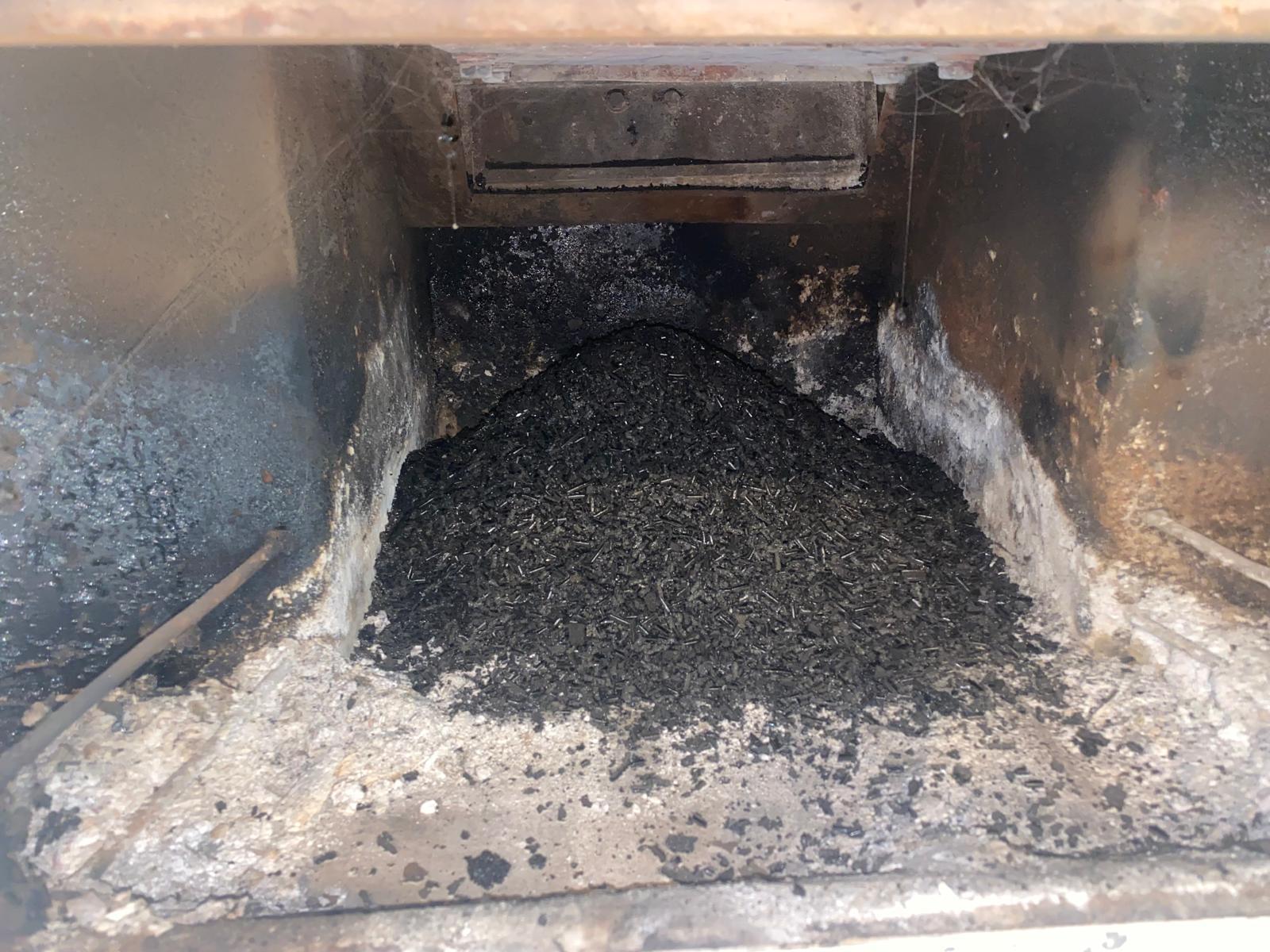
- Deteriorated Smoke Chamber: The smoke chamber, located directly above the firebox, funnels smoke into the flue. If its parging (smooth mortar coating) deteriorates or cracks, smoke can escape into wall voids, or debris can fall, creating blockages or hazards.
The Los Angeles Climate Factor: Accelerating Wear
Our unique climate, especially the contrast between dry periods and occasional torrential rains, can be particularly harsh on chimneys. The expansion and contraction from temperature fluctuations, combined with moisture infiltration from rain and fog, accelerate mortar erosion and brick spalling. The risk of wildfires also underscores the importance of a clean, well-maintained flue, as sparks from a dirty chimney can easily ignite dry surrounding vegetation.
Recognizing these signs is the first step. The second, and most crucial, is proactive intervention. DD Chimney Cleaning in Los Angeles is equipped with the expertise and specialized tools to meticulously inspect and diagnose the true condition of your chimney, both inside and out.
After: Proactive Protection – Extending Your Chimney’s Safe Life with DD Chimney Cleaning
You don’t have to wait for a crisis. A professional chimney inspection and cleaning can transform a potential disaster into a continued source of warmth and comfort. This is where DD Chimney Cleaning in Los Angeles shines. Our certified technicians provide thorough evaluations, addressing not just surface-level concerns but also deeply hidden structural and creosote issues. We recommend checking out click here for additional electrical needs.
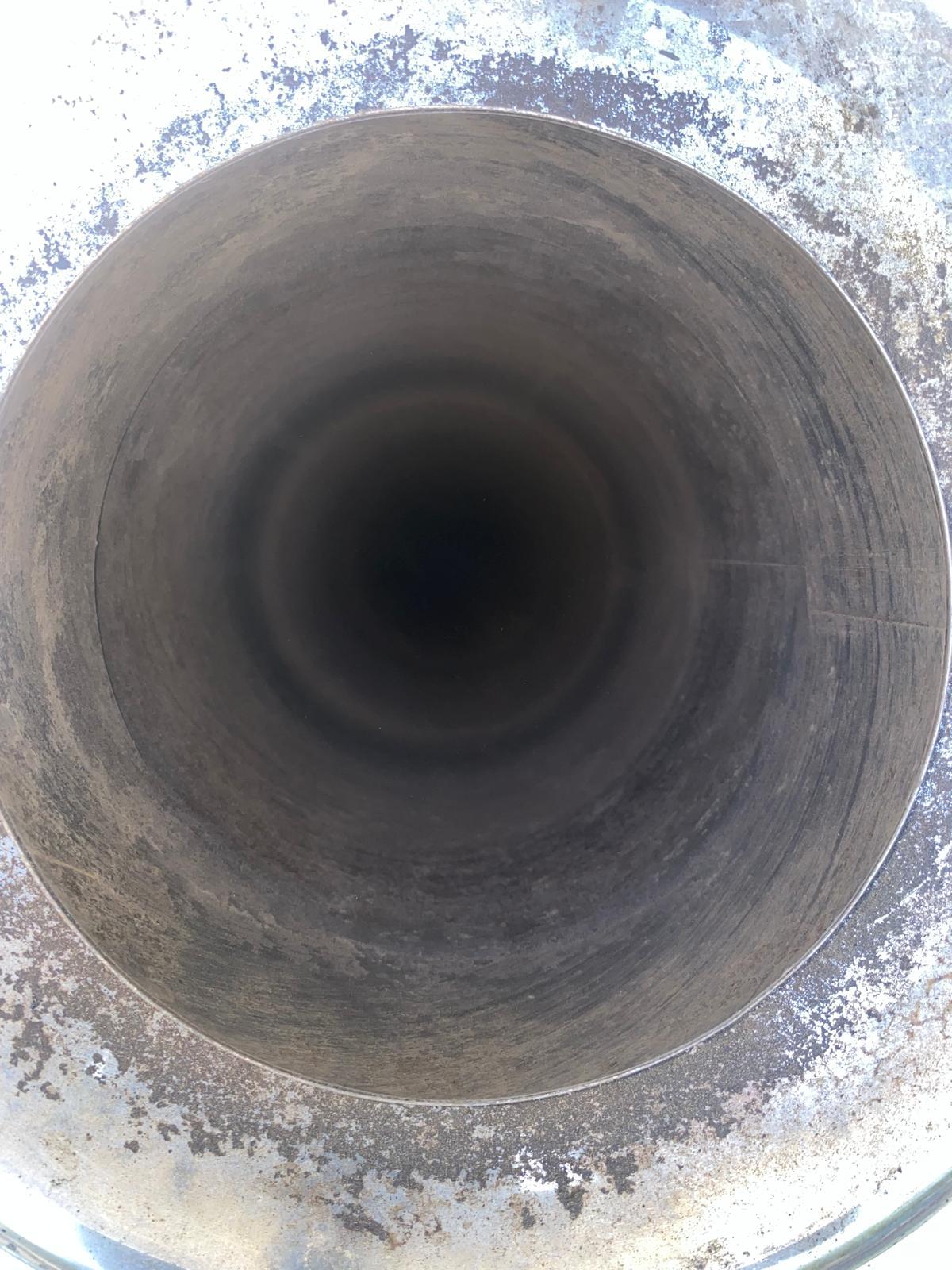
Our comprehensive DD Chimney Cleaning in Dallas services are not just about sweeping away soot; they are about extending your chimney’s safe operational life. We meticulously remove hazardous creosote, inspect flue liners for integrity, and check all components for wear and tear. A clean flue also ensures optimal draft, preventing smoke from backing up into your home and maximizing heating efficiency. Whether your chimney is in sunny California or perhaps in an area like DD Chimney Cleaning in New York, proactive maintenance is universally vital. We also address other critical venting components like dryer vents, ensuring they are free from lint blockages, which are a common fire hazard in homes nationwide.
Preventative chimney cleaning isn’t merely a maintenance task; it’s a critical safety measure, safeguarding your property and loved ones. Don’t let your chimney become a ticking time bomb. Regular inspections and cleaning by DD Chimney Cleaning can uncover age-related problems before they escalate, providing peace of mind for many more years of fireside enjoyment.
Frequently Asked Questions About Aging Chimneys
- Q1: How often should I have my chimney inspected in Los Angeles?
- A: The National Fire Protection Association (NFPA) recommends annual inspections for all chimneys, regardless of usage. Even if you don’t burn fires frequently, weather exposure and age can cause significant damage.
- Q2: What is creosote, and why is it so dangerous?
- A: Creosote is a highly flammable tar-like residue that accumulates in your chimney flue when wood