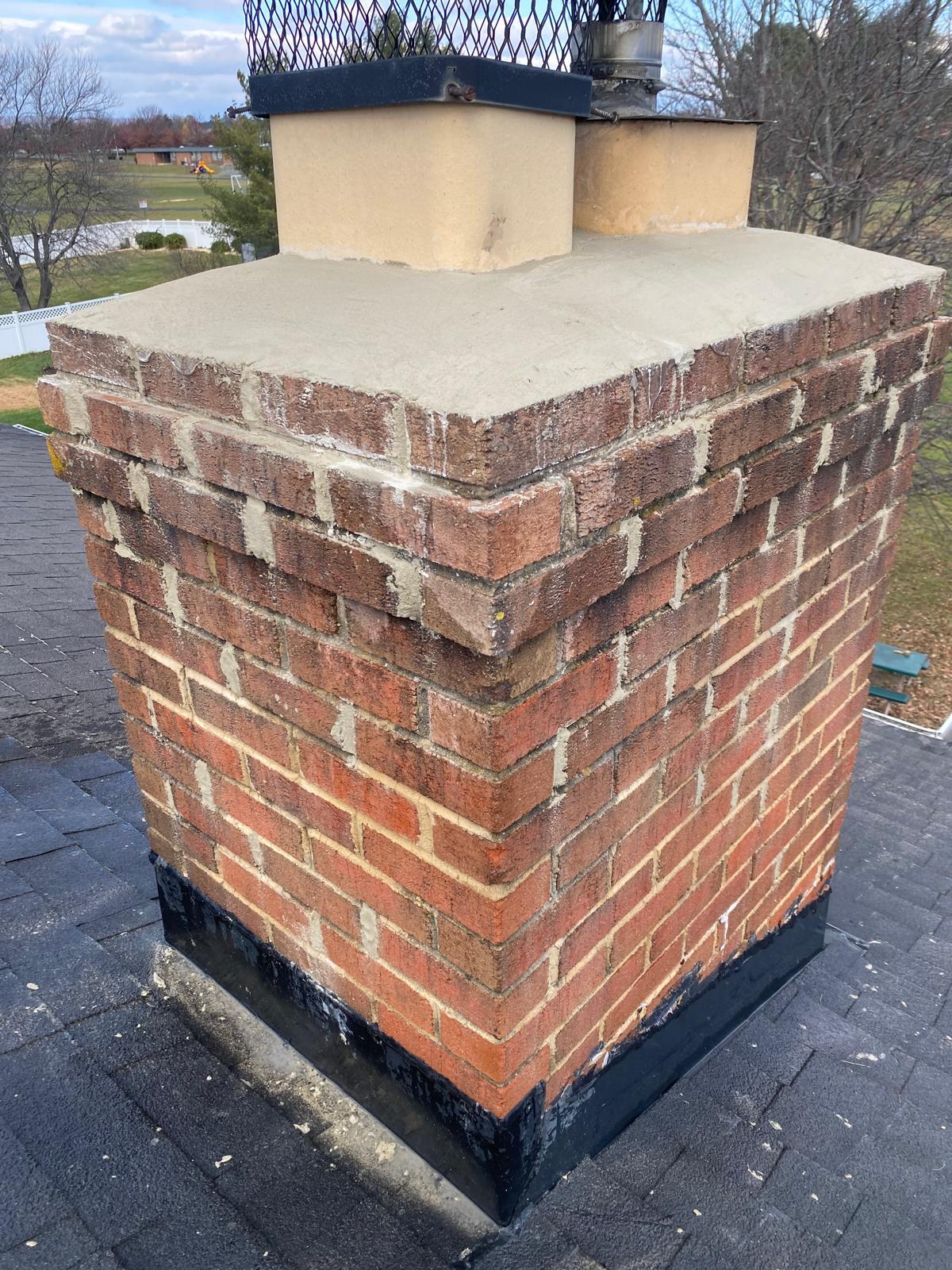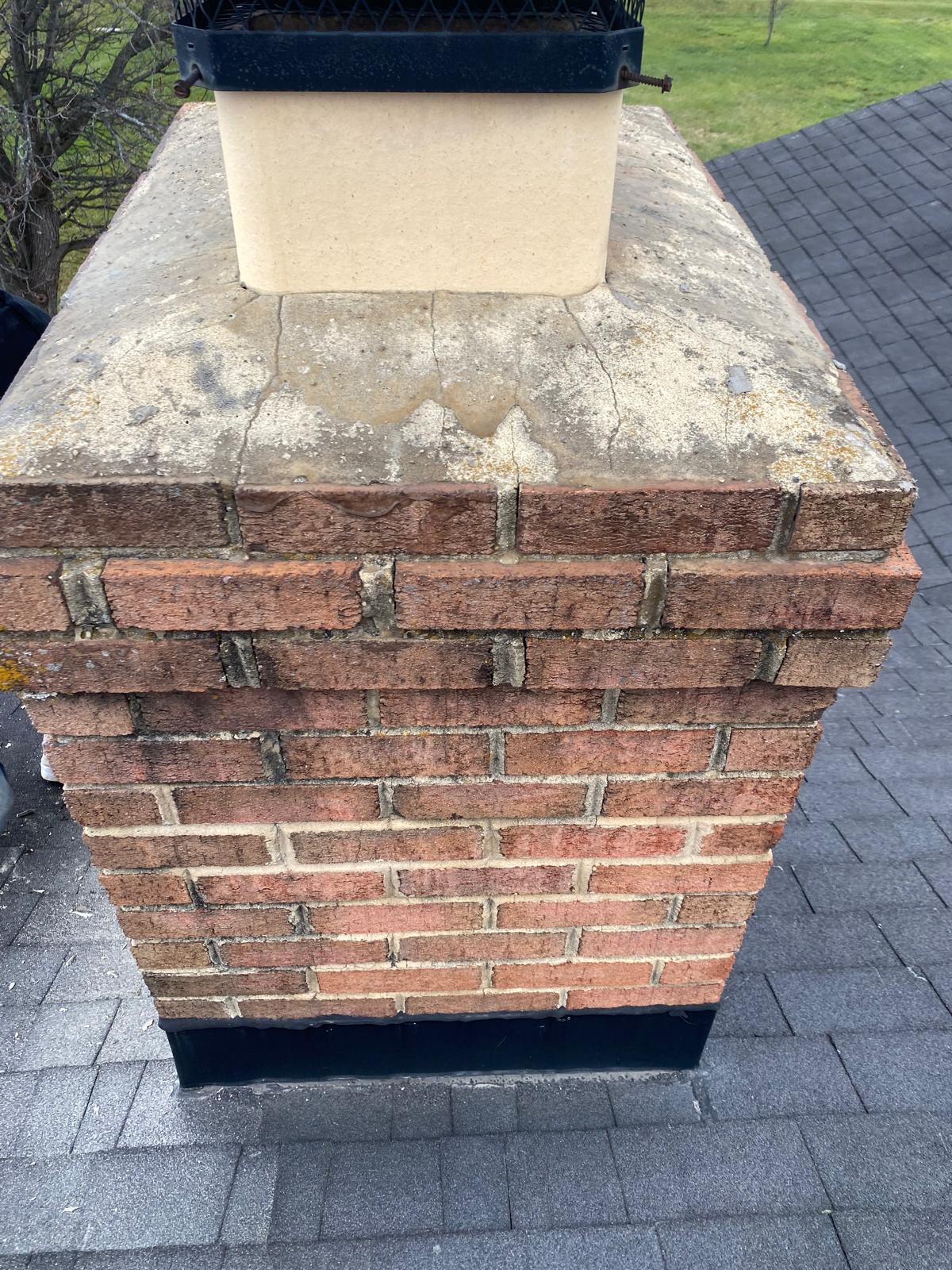
A chill wind howled through Boston’s historic Back Bay, rattling the windows of Mrs. Albright’s brownstone. It was late November, and the first significant snowfall dusted the cobblestone streets. She’d lit her fireplace for warmth and ambiance, a cherished ritual for decades in her Beacon Hill home. But this year, something felt off. A strange draft, a faint odor of dampness, and an occasional flutter of debris down the flue made her uneasy. A quick look from her backyard revealed the tell-tale sign: a section of her chimney crown was crumbling, and the mesh on her cap looked bent and rusted. The integrity of her chimney, a critical component of her century-old home, was clearly compromised. Mrs. Albright’s scenario isn’t unique; maintaining the chimney caps and crowns of Boston’s iconic brownstones is a non-negotiable aspect of homeownership.
The Indispensable Role of Chimney Caps and Crowns
Chimney caps and crowns are the first line of defense for your chimney system. The cap sits atop the flue, acting as a lid to prevent rain, snow, animals, and debris from entering. Its mesh sides stop birds, squirrels, and other critters from nesting inside, which can lead to dangerous blockages. The crown is the concrete or stone slab covering the entire top of the chimney structure, sloped to shed water away from the flue opening and down the exterior masonry. Together, they protect your flue liner, damper, and interior fireplace from the harsh elements, significantly extending the life of your chimney. In Boston’s climate, characterized by heavy snow, freezing rain, and constant freeze-thaw cycles, these components are under perpetual stress. A well-maintained cap and crown can prevent thousands of dollars in water damage, creosote buildup exacerbated by moisture, and pest infestations.
Cost Consideration: Preventing Early Damage
- Regular Cleaning & Inspection: $150 – $400 (per visit by a qualified chimney sweep). While not a repair, this service identifies minor issues before they escalate. DD Chimney Cleaning emphasizes that routine cleaning removes creosote and debris that can trap moisture, accelerating cap and crown deterioration. An annual inspection can spot rust or cracks early, saving significant repair costs.
Understanding Chimney Cap Maintenance & Potential Costs
Chimney caps come in various materials, predominantly stainless steel, copper, or galvanized steel. Stainless steel is generally the most durable and cost-effective, offering excellent corrosion resistance against Boston’s salty air and winter moisture. Copper caps, while more expensive, offer superior longevity and aesthetic appeal for historic homes. Common issues include rust, bent mesh, loosened mounting, or complete dislodgment due to strong winds.
Cost Consideration: Chimney Cap Repairs & Replacement
- Minor Cap Repair (e.g., reattaching, minor rust treatment): $100 – $300. This is typically for superficial damage or re-securing.
- Replacement of a Standard Galvanized Steel Cap: $150 – $400. Galvanized steel has a shorter lifespan, often corroding within 5-10 years in harsh environments.
- Replacement of a Standard Stainless Steel Cap: $300 – $800. These offer better durability, often lasting 15-25 years.
- Replacement of a Custom or Copper Cap: $500 – $1,500+. For larger, multi-flue chimneys or specific aesthetic requirements common in Back Bay or North End brownstones.
- What DD Chimney Cleaning Does: While DD Chimney Cleaning focuses solely on comprehensive cleaning and inspection services, our technicians are trained to identify cap damage during an inspection. We ensure your flue is clean, which directly prevents moisture accumulation that can exacerbate cap corrosion and dislodgment. Neglecting annual chimney cleaning can lead to increased condensation inside the flue, a factor that degrades both caps and crowns. For professional chimney cleaning in Los Angeles, DD Chimney Cleaning provides thorough service, often uncovering cap and crown issues that would otherwise go unnoticed.
Preserving Your Chimney Crown: Cost & Care Insights
The chimney crown forms the top perimeter of your chimney. It’s typically constructed from concrete and designed to be watertight, preventing water from seeping into the masonry below or into the flue itself. Cracks in the crown are a critical concern, as they allow water penetration, leading to efflorescence (white salt deposits on masonry), spalling (flaking or crumbling bricks), and eventual structural damage to the chimney stack. Boston’s freeze-thaw cycles are particularly destructive to crowns, as absorbed water