Did you know that in cities like Philadelphia, where historic architecture defines much of the urban landscape, homes with multi-flue chimney systems silently harbor a unique set of challenges? These intricate systems, often a relic of bygone heating configurations, are significantly more complex to maintain than their single-flue counterparts. Disturbingly, neglected multi-flue chimneys can amplify the risks of insidious carbon monoxide poisoning or devastating chimney fires, contributing to a notable percentage of residential heating-related incidents each year, often without immediate visible signs to the untrained eye. It’s an unsettling thought, knowing that the very heart of your home’s warmth could quietly be posing such a threat.
For homeowners across Philadelphia – from the historic cobblestone streets of Society Hill to the bustling neighborhoods of Manayunk and the serene avenues of Chestnut Hill – the responsibility of maintaining an older home often comes with a distinct set of worries. The multi-flue chimney, a testament to the layered history of your property, is undoubtedly one of the most critical, yet frequently overlooked, components. We understand the deep concern that can arise from contemplating such a complex system; it’s not just about a chimney, it’s about the safety, integrity, and warmth of your cherished home and family.
At DD Chimney Cleaning, we recognize that living with and maintaining a multi-flue chimney system in an historic city like Philadelphia isn’t merely a task; it’s a commitment to preserving your home’s character while ensuring modern safety standards. You’re not alone in navigating these intricacies. Our goal with this comprehensive guide is to demystify the multi-flue system and provide you with actionable, seasonal insights, helping you to proactively safeguard your Philadelphia home. Let’s embark on a journey through the year, detailing precisely what your multi-flue chimney needs to thrive, season after season.
Understanding Your Multi-Flue System: A Philadelphia Perspective
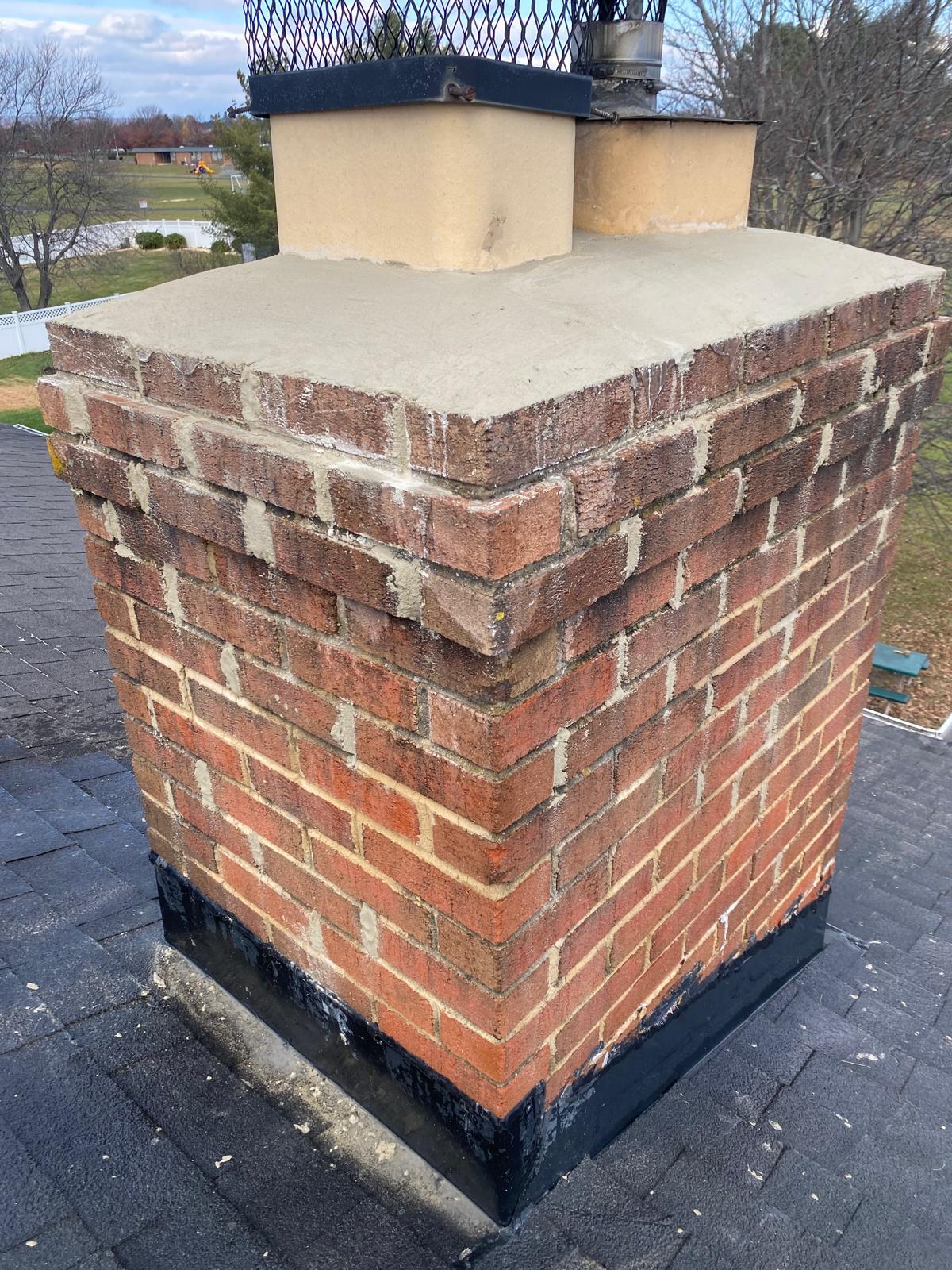
Before delving into seasonal maintenance, it’s crucial to grasp what a multi-flue chimney system entails and why it demands specialized attention, particularly in a city rich with architectural heritage like Philadelphia. A multi-flue chimney is essentially a single chimney stack that contains multiple individual flues or passageways. Each flue is designed to vent exhaust gases from a separate heating appliance – perhaps a furnace, a hot water heater, a fireplace, or even multiple fireplaces on different floors, all sharing the same exterior chimney structure. This design was incredibly common in older Philadelphia row homes and townhouses, where space efficiency and shared masonry stacks were practical solutions for multiple heat sources.
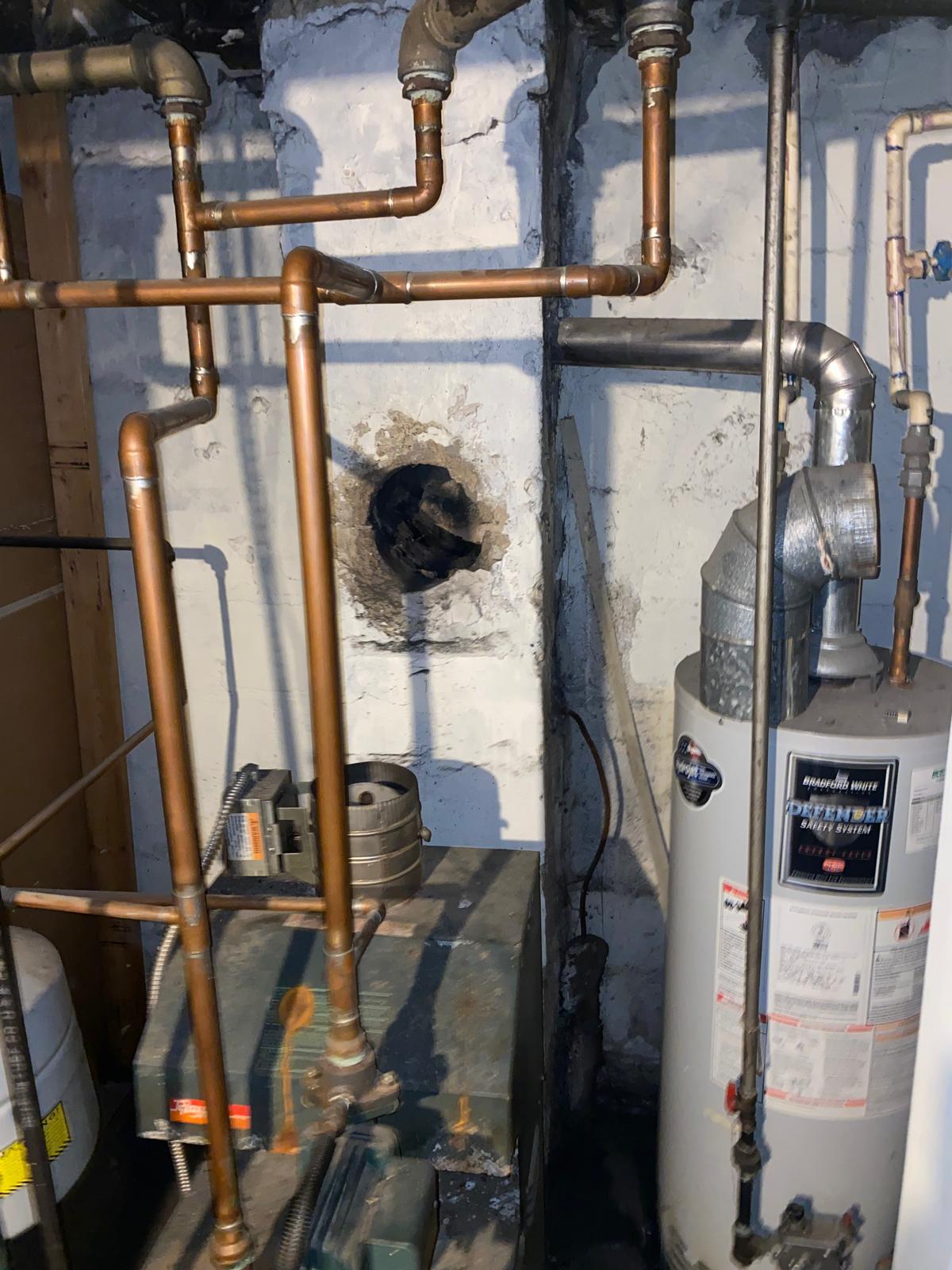
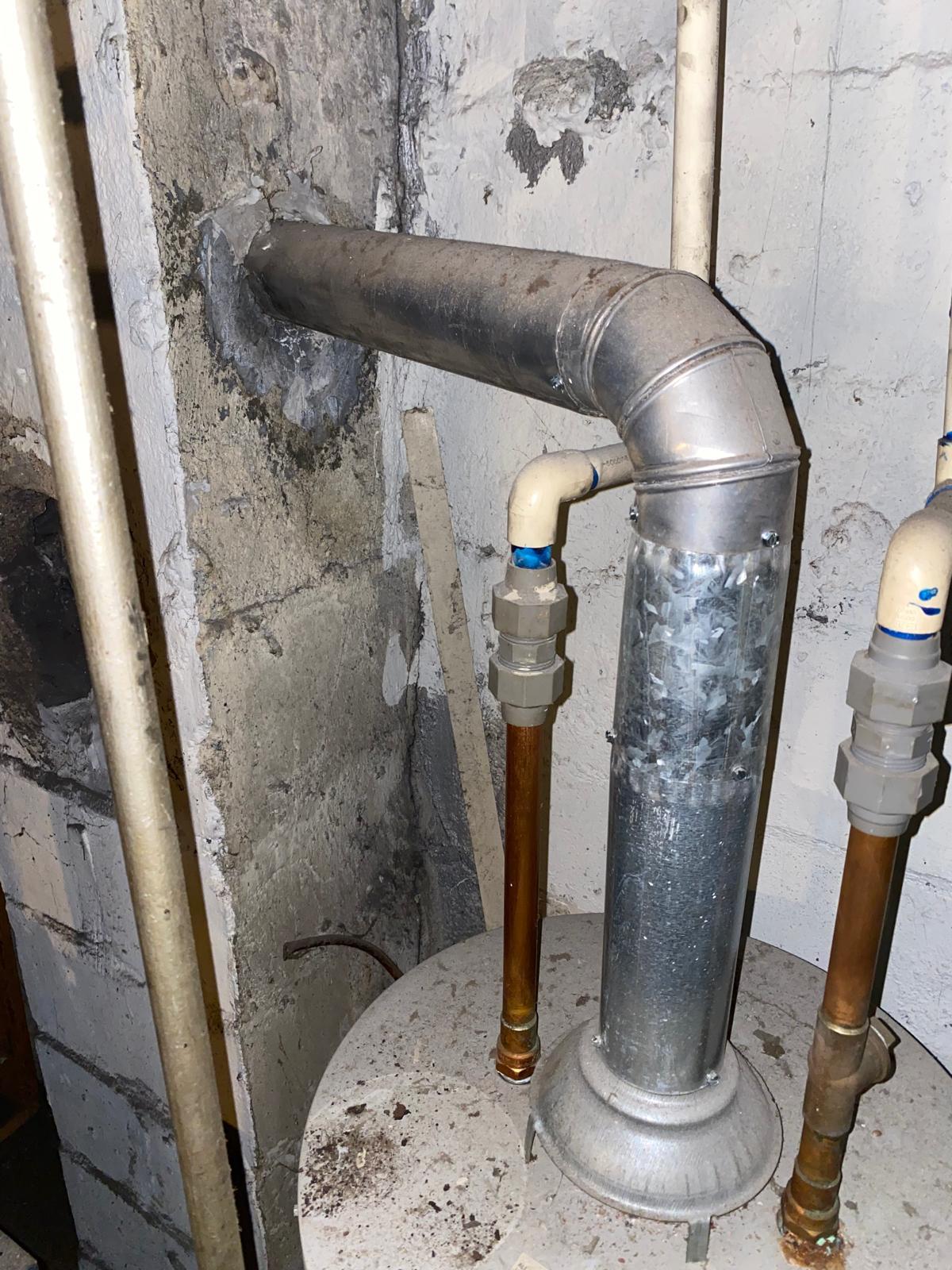
The inherent complexities of these systems arise from their proximity and interdependence. Imagine a venerable Rittenhouse Square brownstone, where a grand fireplace on the parlor level, a gas furnace in the basement, and potentially a separate water heater all vent into distinct, yet adjacent, flues within a single chimney. While seemingly separate, the integrity of one flue can impact another. This close configuration introduces several unique challenges: potential cross-flue leaks where combustion gases can seep from one flue to another, leading to dangerous carbon monoxide migration; exacerbated creosote buildup due to varying draft dynamics; and accelerated masonry degradation from differing thermal expansion and contraction rates.
The very age of many Philadelphia homes adds another layer of complexity. Original flue liners may be cracked, deteriorated, or even nonexistent. Mortar joints, exposed to decades of freeze-thaw cycles and acidic combustion byproducts, can become compromised. These vulnerabilities are precisely why multi-flue chimneys require a nuanced understanding and a meticulous approach to inspection and maintenance. It’s not just about cleaning a single path; it’s about evaluating an entire interconnected network of vital safety passages.
Addressing these concerns early is paramount for the safety and longevity of your home. When you consider the deep history embedded in Philadelphia’s residential structures, the importance of expert chimney care becomes clear. For those seeking comprehensive assessment and cleaning of these complex systems, professionals like DD Chimney Cleaning in Philadelphia possess the specialized tools and knowledge to ensure every flue within your stack is operating safely and efficiently.
Spring: The Season for Post-Winter Assessment and Recovery
As the brisk chill of winter slowly yields to the rejuvenating warmth of spring in Philadelphia, marked by blooming cherry blossoms in Fairmount Park and the reawakening of street life, it’s a critical time to shift your focus to your multi-flue chimney system. After months of heavy use, your chimney has endured a significant workload, and now is the ideal period for a thorough post-winter assessment and proactive recovery. The exhaustive work of venting exhaust gases from multiple appliances invariably leads to a buildup of creosote, soot, and other residues, which, if left unchecked, can compromise safety and efficiency.
Post-Winter Inspection: Uncovering Hidden Issues
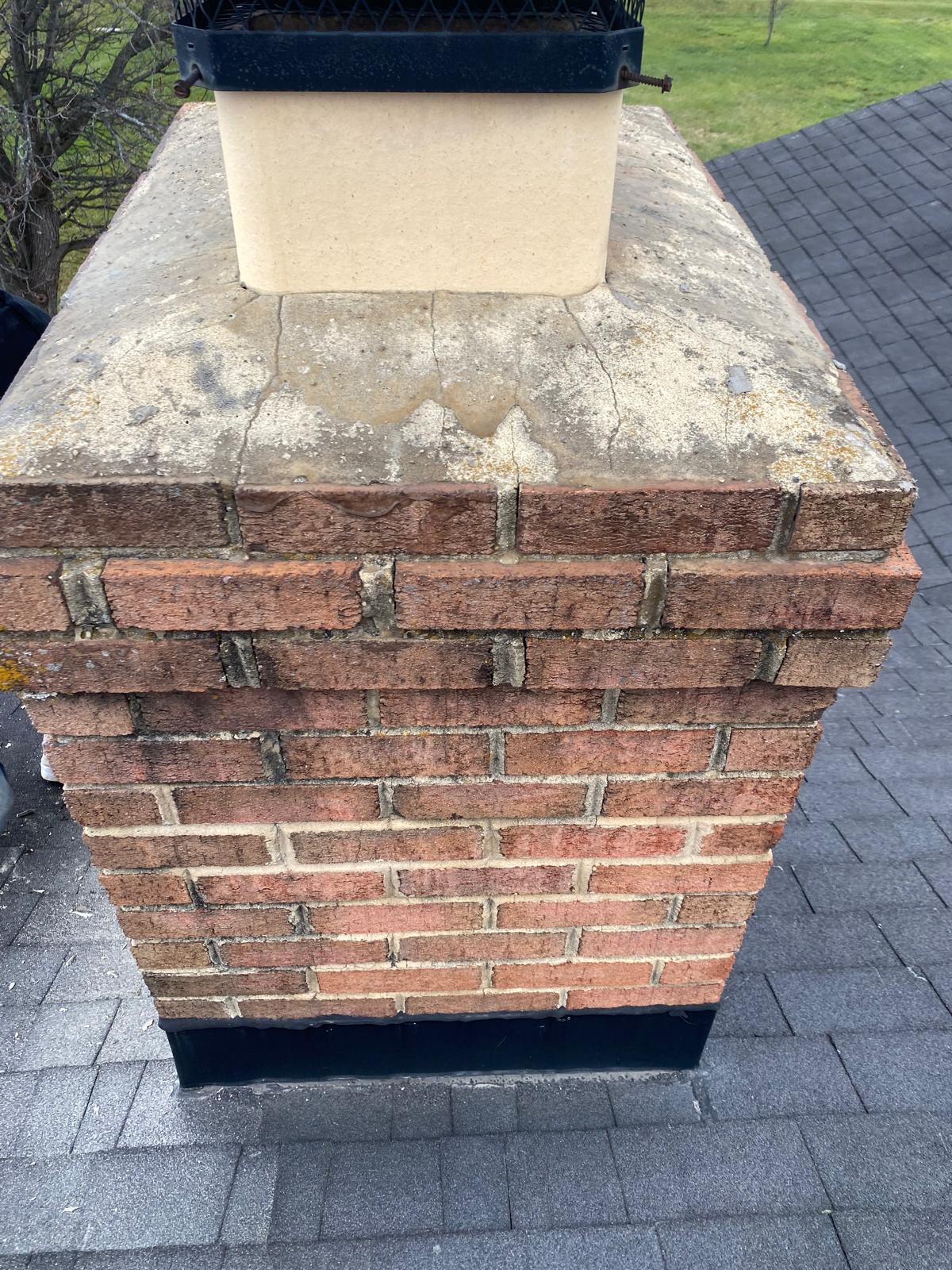
The first step in spring maintenance is an in-depth professional inspection. Winter’s varying temperatures and frequent precipitation contribute to significant wear and tear on your chimney’s exterior masonry, especially on older Philadelphia homes where brickwork may already be decades, if not centuries, old. Inspectors will meticulously examine the chimney crown for cracks, spalling bricks, deteriorating mortar joints, and any signs of efflorescence, which often indicates internal moisture issues. Beyond the visible exterior, a Level 2 inspection, often recommended post-heavy use or when a property changes ownership, will utilize specialized cameras to inspect each individual flue liner. This crucial internal examination can reveal cracks, gaps, or blockages that are impossible to detect from the outside, pinpointing potential cross-flue leaks or structural weaknesses that could endanger your home.
Professional Sweeping: Eliminating Creosote and Blockages
Creosote, a highly combustible byproduct of wood burning, is a primary concern. Its accumulation can range from a flaky powder to a tar-like glaze, all of which pose a significant fire hazard. Multi-flue systems can present varied creosote levels depending on the appliance attached to each flue, making a professional assessment of each pathway indispensable. A certified chimney sweep will meticulously clean each flue from top to bottom, using specialized brushes and powerful vacuums to remove all traces of creosote, soot, and other debris. This process not only mitigates fire risks but also ensures optimal draft for all connected appliances, leading to better efficiency and reduced fuel consumption as the weather eventually cools again. Many of our readers also trust best air duct cleaning in Los Angeles for their home service needs.
Addressing Moisture and Freeze-Thaw Cycles
Philadelphia’s climate, with its wet springs and frequent freeze-thaw cycles through late winter and early spring, is particularly unforgiving on chimney masonry. Water intrusion is arguably the single greatest threat to a chimney’s structural integrity. Rain and melting snow can penetrate hairline cracks, freeze, expand, and then thaw, gradually eroding mortar and brick. Spring is the opportune time to identify and repair these vulnerabilities. Waterproofing treatments, if appropriate for your chimney’s material, can be applied to create a barrier against moisture, significantly extending the lifespan of your masonry. Ensuring proper chimney caps and covers are in place is also vital to prevent water from entering the flue directly, protecting the internal components from rust and decay. If you’re also looking for locksmith help, click here is a trusted provider.
Neglecting these spring preventative measures is akin to ignoring the signs of stress after a grueling race. Your multi-flue chimney has worked tirelessly; now is its moment for rejuvenation, setting the stage for safety and efficiency in the months ahead. Proactive care in the spring ensures that small, manageable issues don’t escalate into costly and dangerous emergencies later in the year.
Summer: Proactive Maintenance and Future-Proofing
As the vibrant Philadelphia summer ushers in long, sun-drenched days perfect for exploring the Delaware River Waterfront or strolling through Fishtown, it also brings the ideal conditions for substantial chimney maintenance. With heating systems largely dormant, this season provides an invaluable window of opportunity to undertake more significant repairs, structural improvements, and future-proofing measures for your multi-flue chimney system without the disruption of appliance usage. This is a time for addressing the deeper issues that might compromise the long-term safety and functionality of your complex chimney structure.
Structural Integrity and Masonry Restoration
The summer heat helps dry out masonry, making it an excellent time for repairs that require mortar to cure properly. Professional technicians can perform tuckpointing, which involves grinding out old, deteriorated mortar joints and replacing them with fresh, durable mortar. This process is crucial for preventing water penetration and maintaining the structural stability of the chimney, a common concern for the venerable brickwork seen in areas like Graduate Hospital or Queen Village. Beyond aesthetics, proper tuckpointing prevents the chimney from leaning or collapsing and stops moisture from reaching the interior flues, protecting the vital liners and surrounding woodwork. Addressing cracked chimney crowns, which act as a capstone, is equally important; a professional can repair or replace these to create an impenetrable barrier against precipitation.
Chimney Relining: The Modern Necessity for Older Homes
For many older Philadelphia homes, particularly those with original masonry multi-flue systems, the existing liners may be compromised, inadequate, or even absent. Years of use, thermal stress, and acidic combustion byproducts can cause
Our Chimney Services:
Professional chimney cleaning and chimney inspection services available nationwide. Our CSIA-certified technicians serve Chicago, New York, Boston, Houston, and hundreds of cities nationwide. Call (833) 339-6803 for a free inspection.