Let’s be brutally honest: most New Yorkers treat their chimneys like a secret basement storage unit – out of sight, out of mind, until disaster strikes. They assume that if it’s not actively pouring smoke into the living room, it’s fine. This isn’t just a misconception; it’s a dangerous gamble, especially when you factor in the intricate, often bewildering world of New York City’s building codes and historic district regulations. You see, a chimney isn’t just a conduit for smoke; it’s a critical component of your building’s safety, a key player in its historical narrative, and a potential legal minefield if neglected. Ignoring it isn’t just ignoring a minor repair; it’s potentially inviting fines, structural damage, and even tragic incidents, all while sidestepping the very fabric of urban preservation. So, let’s pull back the soot-stained curtain and truly understand what it means to own, maintain, or even modify a chimney in the greatest city in the world.
The Labyrinth of NYC Chimney Regulations: Why It’s More Complex Than You Think
Ah, New York City! A place where even the most straightforward task can become a multi-layered saga, and chimney maintenance is certainly no exception. It’s not just about cleaning soot; it’s about navigating a dense, evolving web of rules designed to protect both the individual safety of residents and the structural integrity of millions of buildings. From the charming brownstones of Brooklyn to the soaring pre-war co-ops of Manhattan, every chimney tells a story – a story that, without proper attention to code, could end in a less-than-charming plot twist.
The average New Yorker might only interact with a few key municipal bodies, but for a building owner or tenant eyeing chimney work, the Department of Buildings (DOB) and, crucially for many, the Landmarks Preservation Commission (LPC), become central characters. Ignoring their mandates isn’t just about bending a rule; it’s a direct challenge to the city’s commitment to safety and heritage, often resulting in costly stop-work orders, significant fines, and frustrating delays that can stretch for months, if not years. We’re talking about a system that recorded over 47,000 code violations related to structural and fire safety across all building types in a recent fiscal year – a sobering statistic that highlights the vigilance required.
Decoding the NYC Building Code: Key Sections for Chimneys
The New York City Building Code, a tome often described as exhaustive and intricate, is your primary playbook. It’s not light reading, but understanding its pertinent sections is absolutely non-negotiable for any chimney-related project. Think of it as the ultimate operating manual for your building, especially when dealing with elements that impact fire safety, air quality, and structural integrity. We recommend checking out click here for additional air duct cleaning needs.
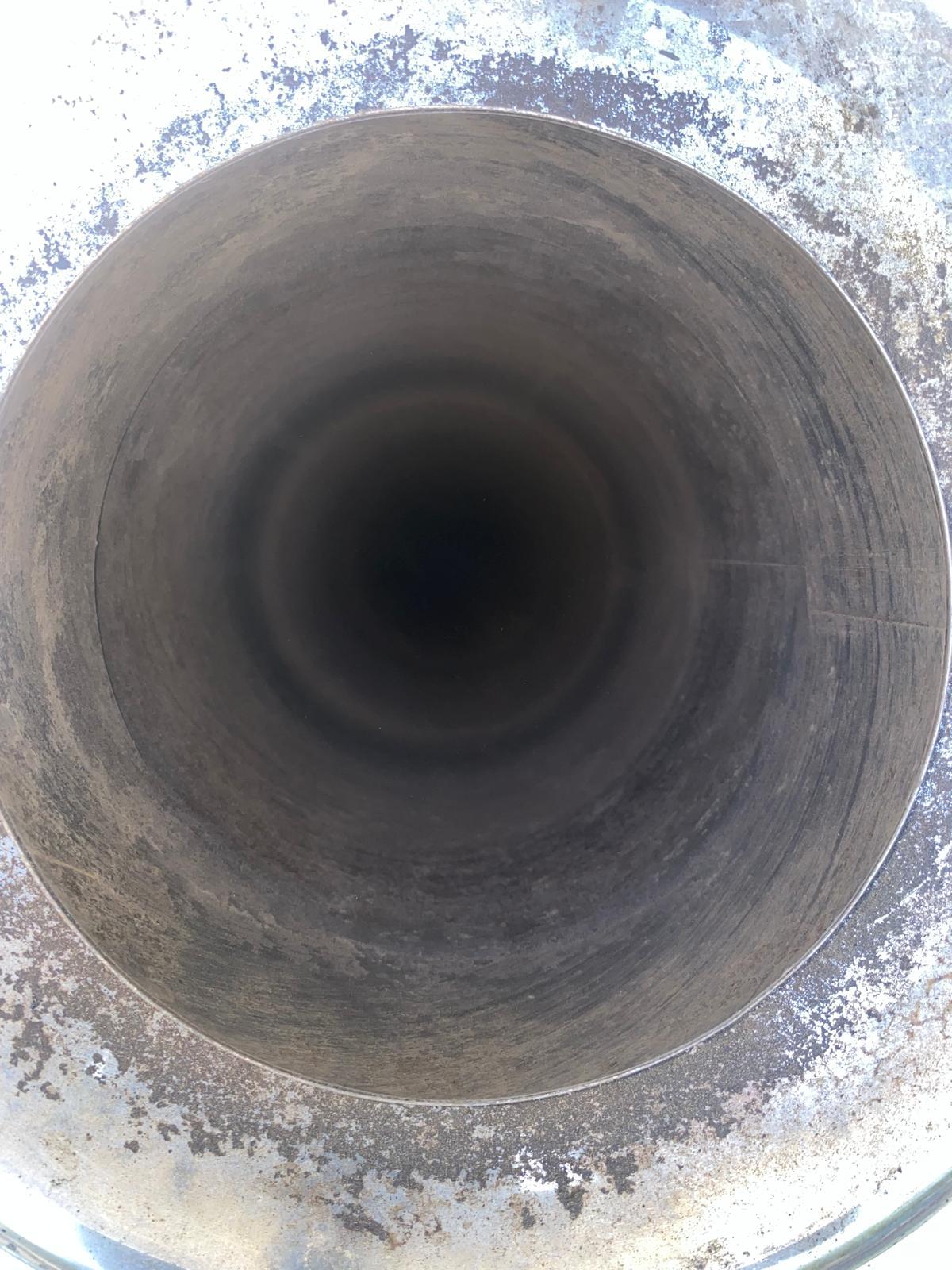
- Ventilation and Flue Liners (Chapters 5 & 10): These chapters are the bread and butter of chimney safety. They dictate everything from the minimum size and type of flue required for different appliances (gas, oil, solid fuel) to the necessity of proper flue liners. An unlined or improperly lined flue is not just inefficient; it’s a significant fire hazard, allowing superheated gases to compromise the masonry, potentially igniting combustible materials in adjacent walls. The code mandates that liners must be sound, leak-free, and resistant to corrosive byproducts of combustion. Many older NYC chimneys, built before modern lining standards, often require retrospective lining, a project that can quickly become complex due to existing structural constraints.
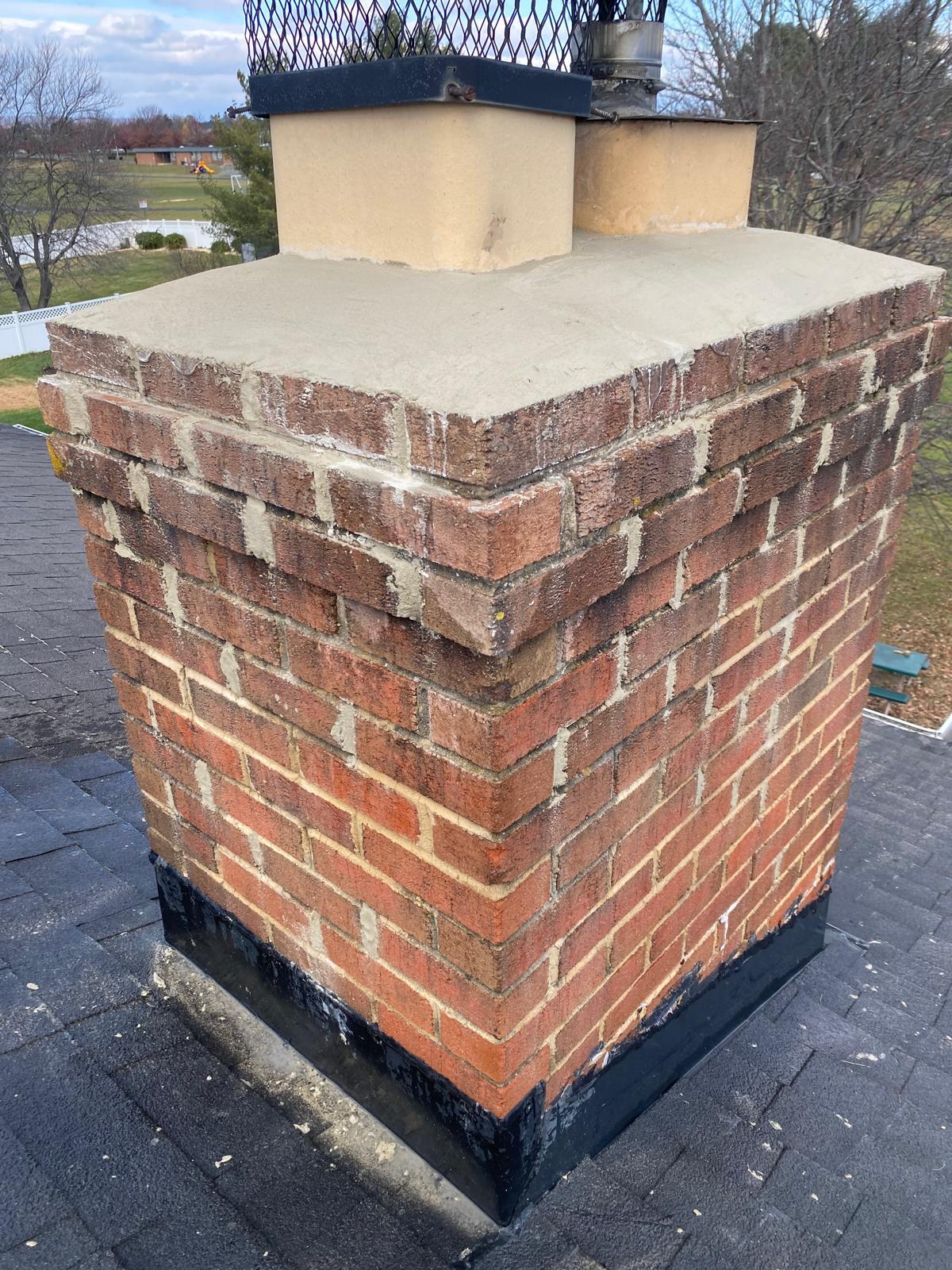
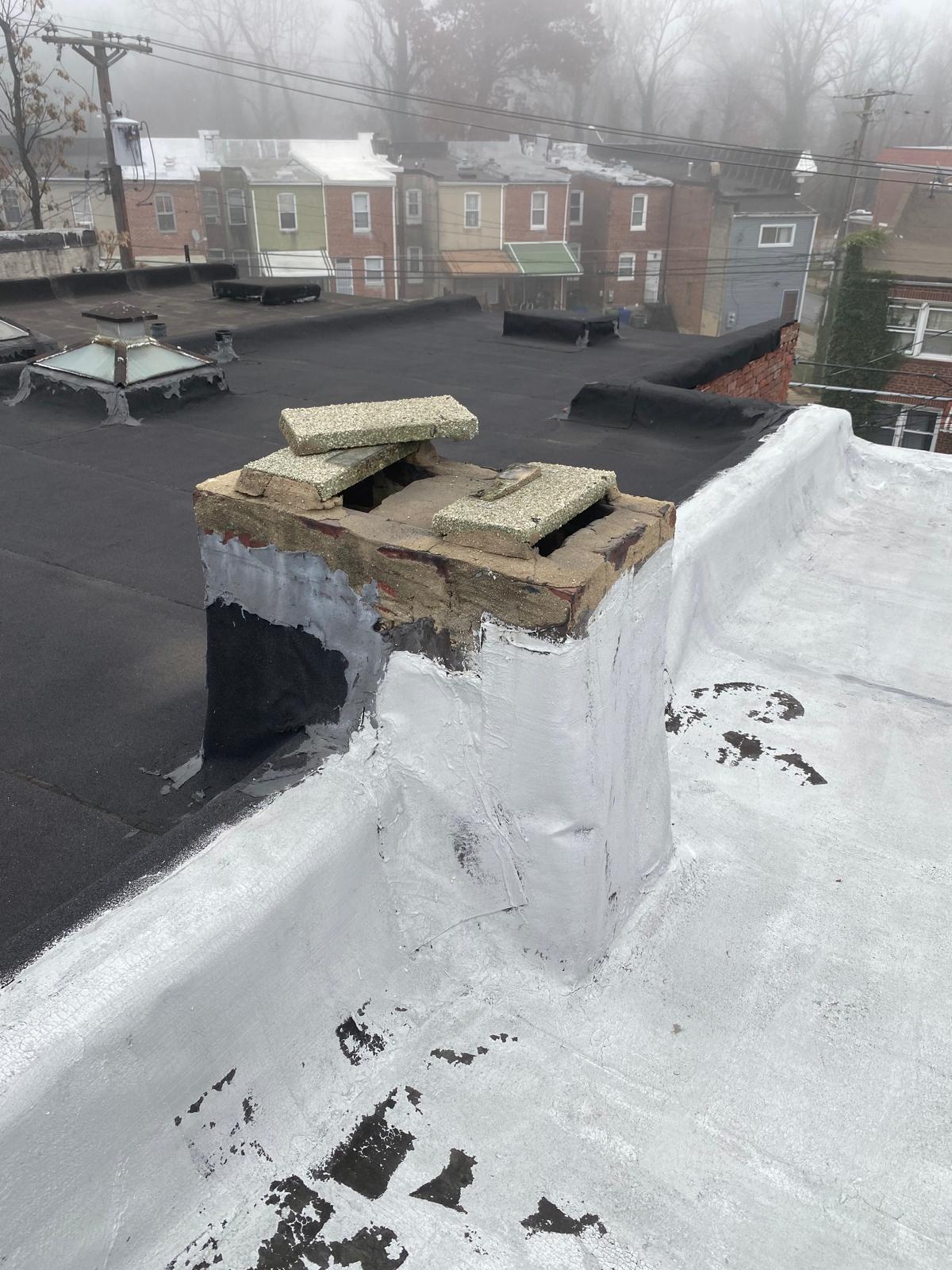
- Material Specifications and Construction (Chapters 14 & 21): Fancy a new chimney cap or a complete rebuild of the crown? These chapters lay out the precise requirements for materials, mortar types, and construction methods. For instance, chimney masonry must be sound, resistant to weather, and securely attached to the building structure. Imagine replacing a crumbling terra cotta cap with a flimsy metal one – not only is it an eyesore in a city renowned for its architectural detail, but it’s a direct code violation. Furthermore, issues like improper height or proximity to combustible materials (e.g., a wooden eaves) are also strictly addressed, all aimed at preventing the spread of fire and ensuring adequate draft.
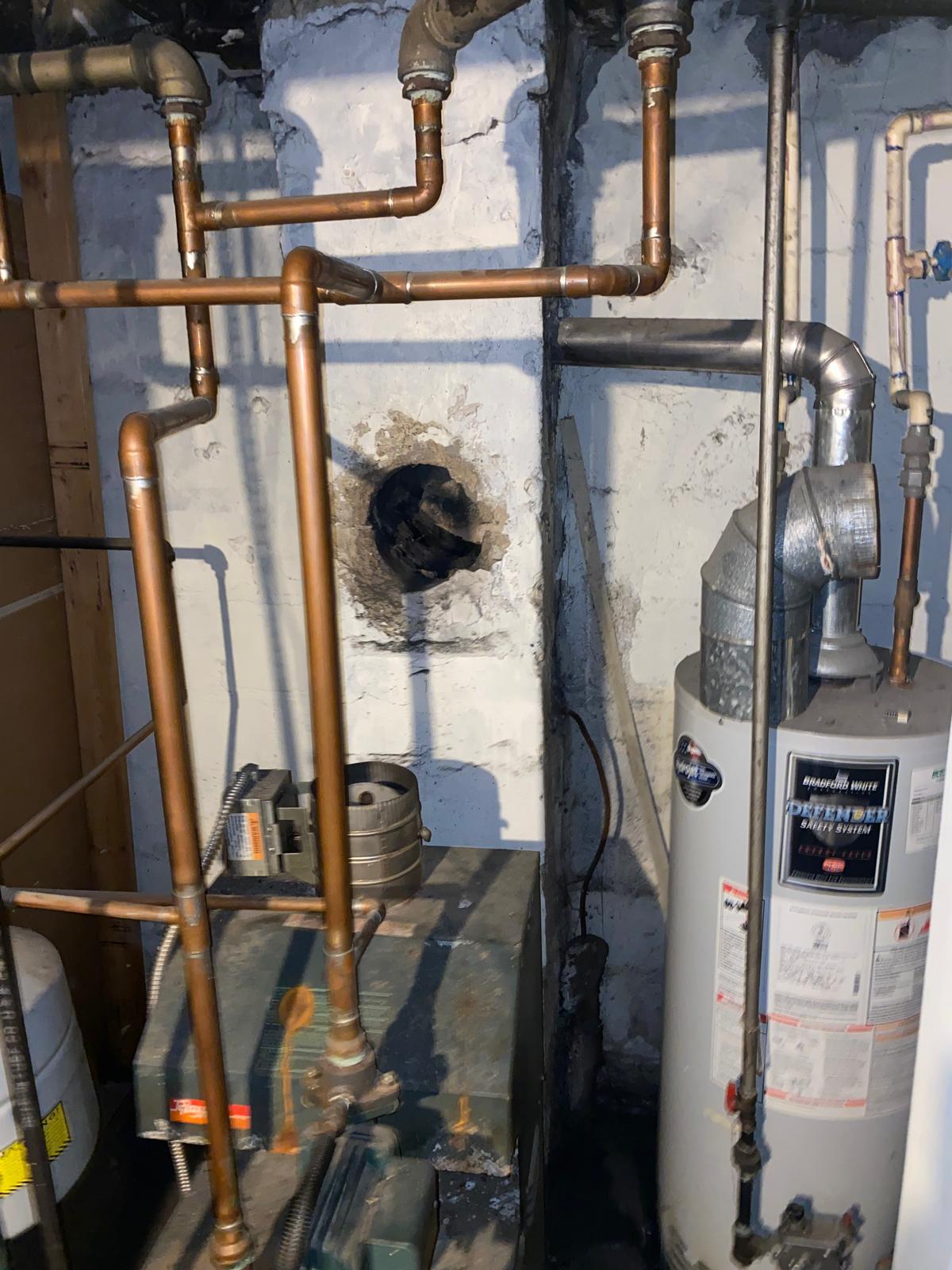
- Appliances and Mechanical Systems (Chapter 10): If your chimney serves a heating appliance, boiler, or hot water heater, then Chapter 10 steps in. This is where you’ll find directives on how these appliances must be vented into the chimney, ensuring proper combustion air supply and the safe exhaust of carbon monoxide. Over 70% of NYC chimney violations, in fact, stem from issues related to improper appliance venting or inadequate maintenance leading to blockages or structural failure. This often involves ensuring that gas-fired appliances have Category I venting and that solid fuel burning units are serviced by appropriately sized and robust flues. It’s a critical detail often overlooked by property owners focused solely on the “pretty” exterior repairs.
- Permitting and Inspections (Chapter 28): Perhaps the most critical chapter for property owners. Almost any significant work on a chimney, from replacing a liner to major structural repairs or even installing a new appliance that vents into it, requires a permit from the DOB. This isn’t optional. Permitting ensures that plans are reviewed by city engineers and that work is inspected at various stages by licensed professionals, culminating in a final sign-off. Skipping this step can lead to forced demolition, substantial fines, and difficulty selling your property down the line. It’s a bureaucratic hurdle, yes, but it’s there for a reason: your safety and the safety of your neighbors in such a densely populated environment.
Beyond the Basics: NYC-Specific Challenges (Weather, Density, Age)
New York City isn’t just any urban environment; it’s a dynamic, harsh ecosystem for buildings, and chimneys bear the brunt of it. Understanding these unique challenges helps explain why the codes are so stringent and why maintenance is so critical. Many of our readers also trust professional electrical Los Angeles County for their home service needs.
- The Relentless Weather Cycle: From the freezing blizzards of winter that dump feet of snow, leading to freeze-thaw cycles that expand and contract masonry, to the humid, salty air drifting in from the Atlantic, NYC weather is brutal. These conditions cause bricks to spall, mortar to deteriorate, and flue liners to crack. A chimney that might last 50 years in a temperate climate could show significant wear in just 20 years in New York.
- Urban Density and High-Rise Proximity: Think about it: your chimney isn’t in a suburban backyard. It’s often surrounded by taller buildings, affecting draft and exposing it to strong, swirling winds that accelerate erosion. Furthermore, in such close quarters, a chimney fire or carbon monoxide leak isn’t just a threat to your home; it’s a potential disaster for an entire block. Debris, pigeons, and other urban wildlife also find chimneys convenient homes, leading to blockages at an alarming rate.
- The Age of Infrastructure: A significant portion of New York City’s housing stock, especially in residential neighborhoods like Greenwich Village, Park Slope, or the Upper West Side, dates back to the late 19th and early 20th centuries. These buildings, while beautiful, come with aging infrastructure. Many chimneys were originally built for coal-burning fireplaces and later adapted for oil or gas, or simply left dormant. Their construction materials might predate modern standards for structural resilience, moisture protection, and venting efficiency. A good number of these venerable chimneys require significant reconstruction or relining to bring them up to modern code, a common service we perform when providing DD Chimney Cleaning in New York.
Stepping Back in Time: Historic Districts and Their Impact on Your Chimney
If your property resides within one of New York City’s numerous historic districts – and there are quite a few, spanning virtually every borough – then your chimney isn’t just a functional element; it’s a historical artifact. This adds an entirely new, often more stringent, layer of regulatory oversight courtesy of the Landmarks Preservation Commission (LPC
Our Chimney Services:
Professional chimney cleaning and chimney inspection services available nationwide. Our CSIA-certified technicians serve Chicago, New York, Boston, Houston, and hundreds of cities nationwide. Call (833) 339-6803 for a free inspection.