The Smoke Gets in Your Eyes: Untangling the Complexities of Shared Chimney Flues
There’s a unique frustration that comes with multi-unit living, isn’t there? Whether it’s managing shared laundry schedules, negotiating parking spots, or navigating differing expectations for community spaces, communal living can often feel like a delicate dance. Now, imagine extending that delicate dance to something as critical as your chimney flue – a system designed to safely vent combustion byproducts from your home. In bustling cities like Dallas, where historic properties meet modern condos, shared chimney flues are a common architectural feature, often presenting a unique set of maintenance challenges that leave homeowners feeling confused, concerned, and sometimes, frankly, a little heated. Here at DD Chimney Cleaning, we understand these frustrations deeply, offering our expertise to illuminate these often-overlooked complexities, even if our direct services are focused on the Los Angeles area, we share our knowledge to keep communities nationwide safe.
Understanding the Shared Flue Conundrum: A Dallas Perspective
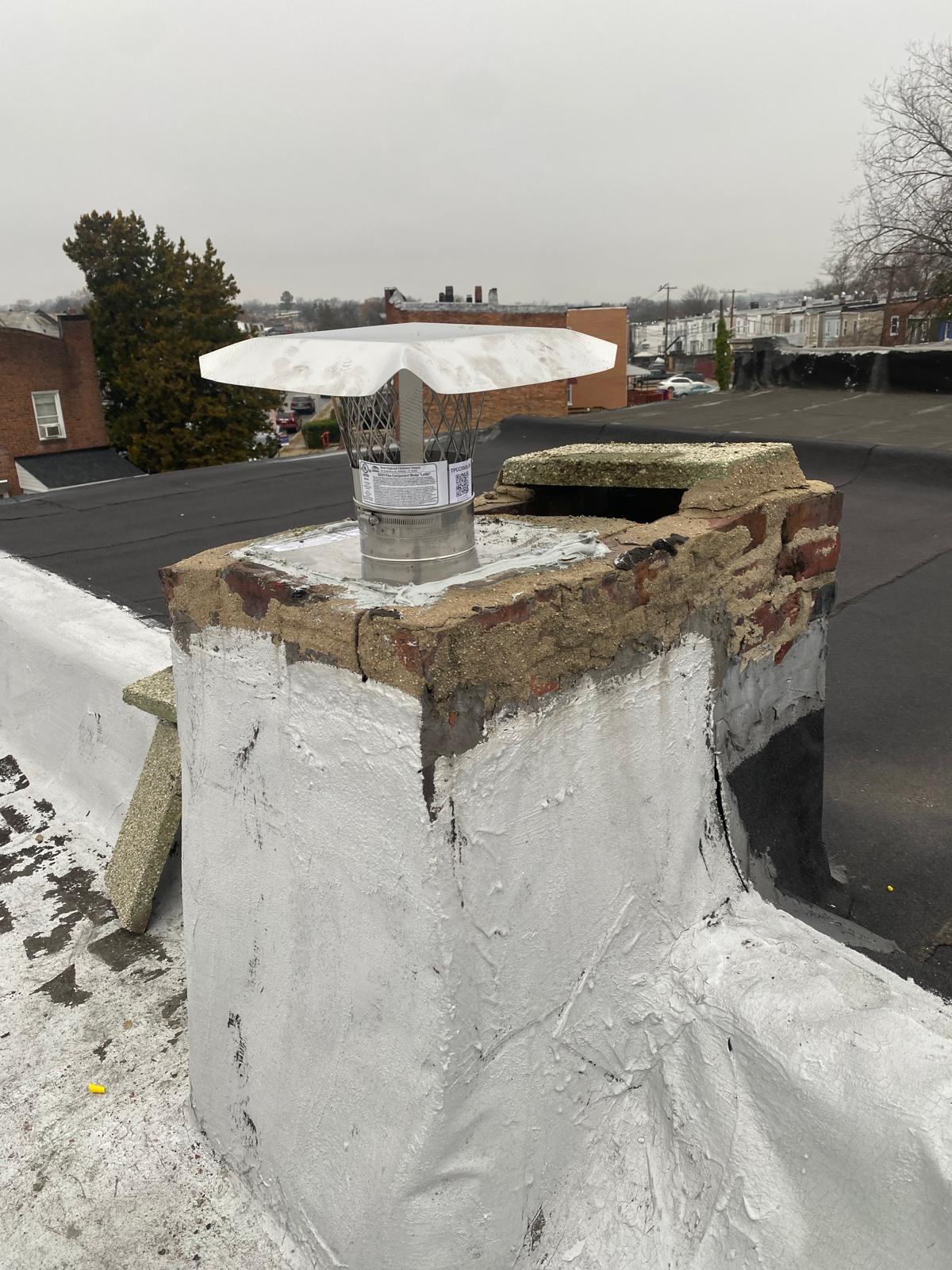
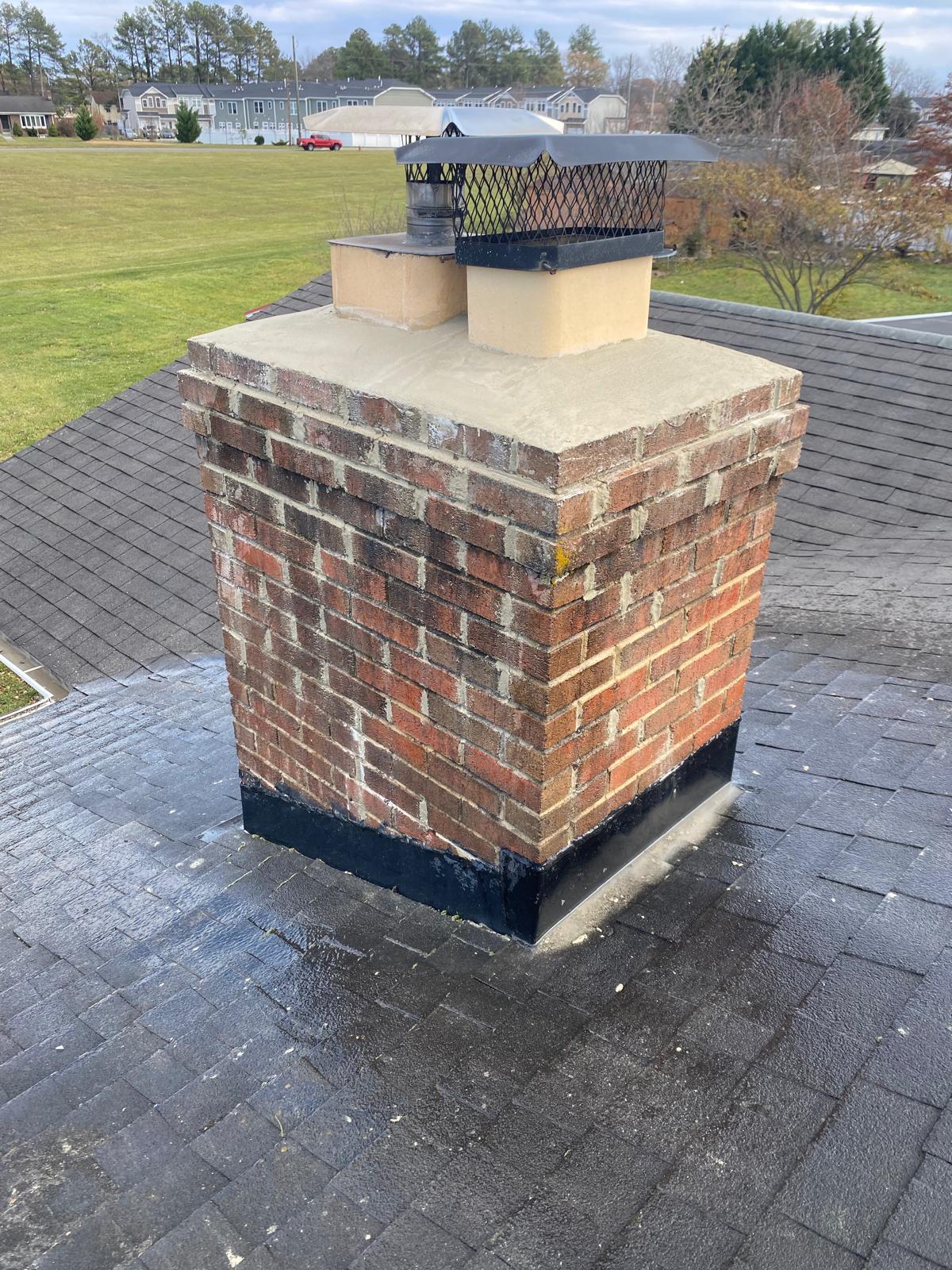
Shared chimney flues, also known as common or multi-unit flues, are single vertical shafts designed to serve two or more independent heating appliances (fireplaces, furnaces, water heaters) from different dwelling units. This design was common in older buildings, particularly in historic Dallas neighborhoods like the M Streets or areas around White Rock Lake, where space was at a premium and construction methods differed. While efficient in their original conception, these shared systems can become maintenance headaches, especially when one unit’s habits impact another’s safety and air quality. Our aim is to shed light on these issues, guiding you through best practices for a safe, efficient chimney system, regardless of your location, from Pittsburgh to the West Coast.
Case Study: The “Uptown Unit Quandary” in Dallas
Consider a hypothetical scenario, a classic brownstone-style duplex in Dallas’s vibrant Uptown district. Unit A, occupied by a family who loves cozy winter fires, meticulously uses their fireplace every weekend. Unit B, home to a young professional, rarely uses their fireplace, believing “no use means no need for cleaning.” Both units share a common chimney flue. One winter evening, Unit A lights a fire, and smoke begins to back up into Unit B’s living room, filling it with acrid odors. Simultaneously, Unit A notices an unusually weak draft and excessive smoke lingering in their own fireplace opening.
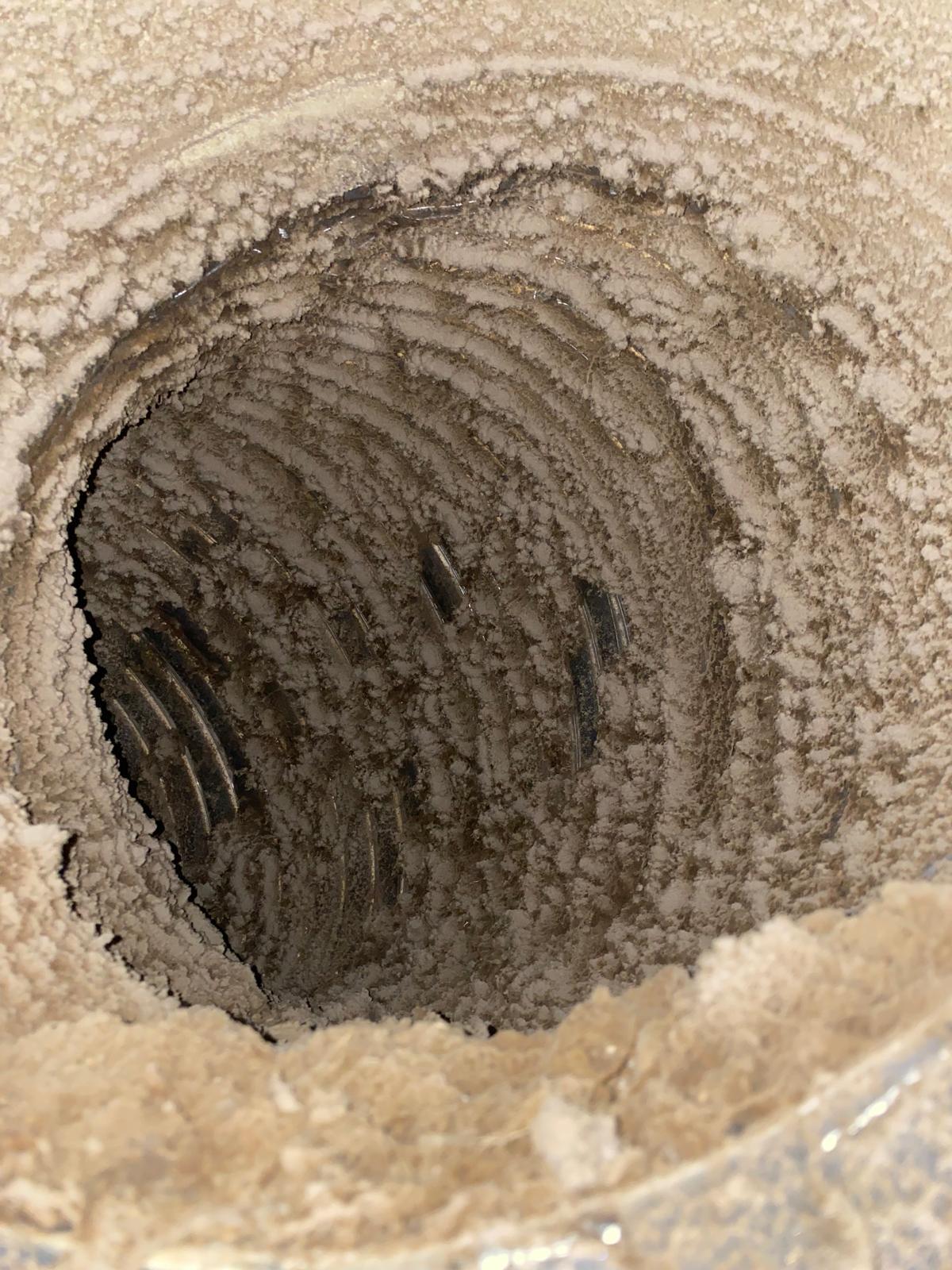
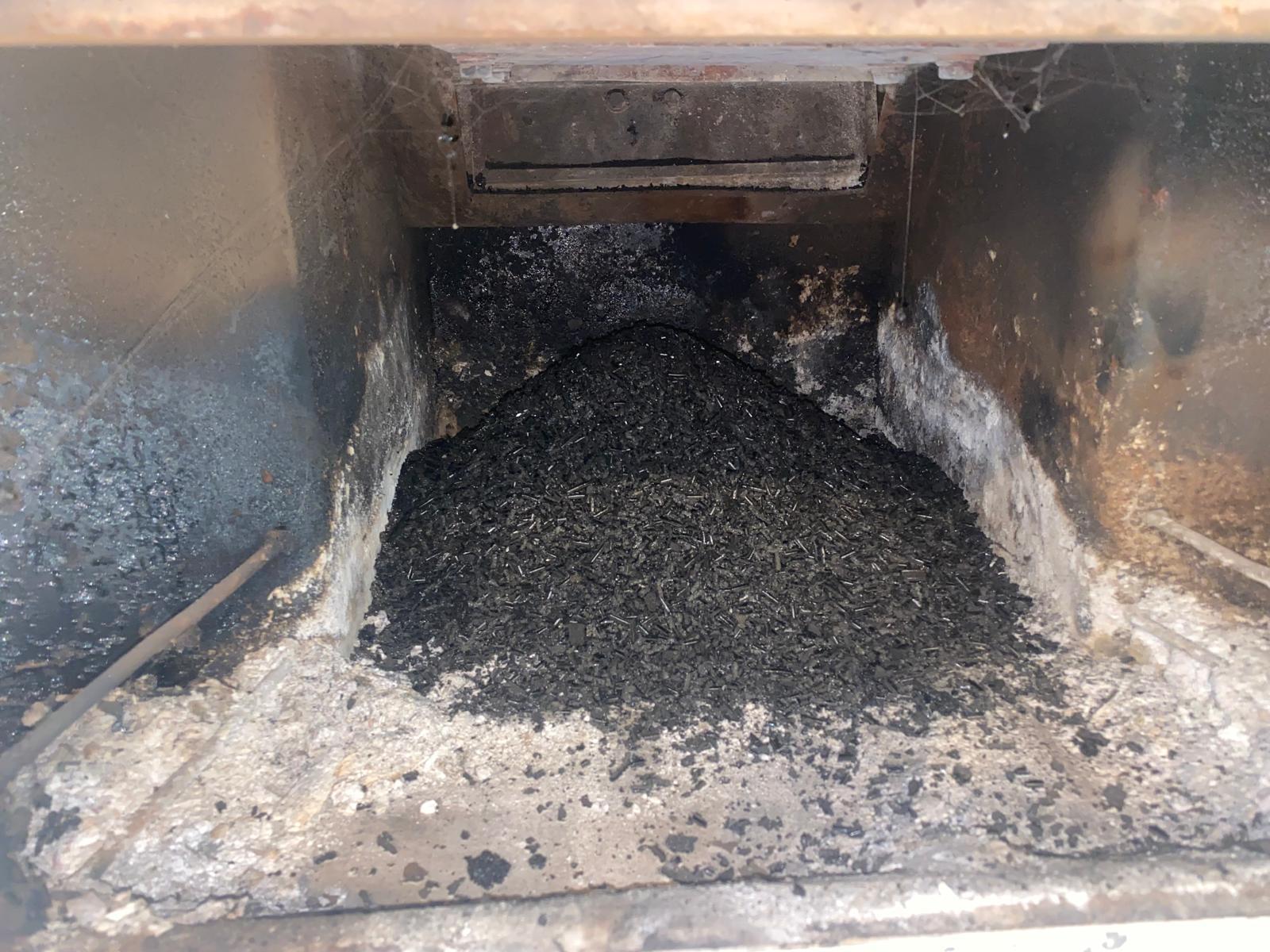
This situation, while fictional, highlights a very real problem. The likely culprit? Years of creosote buildup in the shared flue, predominantly from Unit A’s regular use, had significantly narrowed the passageway. NFPA (National Fire Protection Association) 211 standards recommend annual inspections and cleanings, a practice neither unit had followed due to a misunderstanding of their shared responsibility. The blockage meant smoke couldn’t escape effectively, forcing it back into the path of least resistance – Unit B’s unused fireplace – and causing dangerous backpuffing in Unit A. Such incidents contribute to the 25,000 chimney fires reported annually in the U.S., a significant portion of which originate from creosote buildup.
Key Challenges Identified in Shared Chimney Maintenance
The “Uptown Unit Quandary” underscores several critical challenges:
- Lack of Coordinated Maintenance: When multiple homeowners or tenants share a flue, coordinating inspections and cleanings can be incredibly difficult. A single neglectful party can jeopardize the safety of all connected units. This challenge is common everywhere, from Cleveland to Los Angeles.
- Disparate Usage Patterns: As seen, one unit’s frequent use impacts the entire system, even if other units are dormant. Creosote buildup from one fireplace affects the draw and safety of all appliances sharing the flue.
- Cost Allocation and Responsibility: Who pays for the inspection and cleaning? Is it split evenly? Is it based on usage? Establishing clear agreements from the outset is crucial, yet often overlooked until a problem arises.
- Identifying the Source of the Problem: Diagnosing issues in a shared flue can be complex. Smoke migrating between units or insufficient draft requires professional expertise to pinpoint the exact blockage or structural fault.
- Specific Dallas Climate Factors: Dallas experiences periods of high humidity and occasional strong winds. These conditions can accelerate creosote formation and affect chimney draft, making regular professional chimney cleaning even more vital. Property owners looking for specialized chimney care in the area can always reach out to DD Chimney Cleaning in Dallas for comprehensive service.
DD Chimney Cleaning’s Expert Solutions & Best Practices
Addressing these challenges requires a proactive and collaborative approach. Here’s how homeowners in multi-unit properties, whether in Dallas or elsewhere, can ensure their shared flues remain safe:
- Establish a Shared Maintenance Agreement: Homeowner associations or landlords should create a formal document outlining shared responsibilities for chimney inspection and cleaning. This agreement should specify frequency, cost allocation, and the process for scheduling.
- Regular Professional Chimney Inspections: All units sharing a flue should commit to annual professional chimney inspections by CSIA-certified technicians. This helps identify creosote buildup, blockages (like nests or debris), and structural damage early. A Level 2 inspection, especially during property sales or after a flue fire, is recommended for shared systems due to their complexity.
- Consistent Chimney Cleaning: If fireplaces are used regularly by any unit, a professional chimney cleaning is paramount. DD Chimney Cleaning emphasizes that neglecting one portion of a shared system impacts all. Even if your unit doesn’t use its fireplace, residual smoke and creosote from a neighbor’s usage can still accumulate.
- Educate All Occupants: Ensure every resident understands the risks associated with shared flues and the importance of professional chimney cleaning and maintenance. Proper burning practices (using seasoned wood, not burning trash) also reduce creosote formation.
- Install Carbon Monoxide Detectors: While not a maintenance solution, CO detectors are crucial safety devices, especially in homes with shared flues, as they provide an early warning against potentially deadly carbon monoxide leaks caused by flue blockages.
For expert guidance on navigating the complexities of your chimney system, remember that DD Chimney Cleaning is always available. We pride ourselves on transparent, thorough, and effective chimney cleaning, ensuring your system is safe and compliant. You can reach our dedicated team at (833) 339-6803 for any questions or to schedule your next service in the Los Angeles area.
Frequently Asked Questions About Shared Flues
Here are some common questions we encounter:
Q1: How can I tell if my unit shares a chimney flue?
A: In older multi-unit buildings, it’s very common. Look for multiple fireplace openings or heating appliance vents entering the same visible chimney stack from the outside. A professional chimney inspection can definitively confirm the setup. We recommend checking out Electrical in Los Angeles County for additional electrical needs.
Q2: Who is responsible for cleaning a shared chimney flue?
A: Responsibility typically falls to all units sharing the flue, or the homeowner’s association/landlord if applicable. A clear agreement is essential to avoid disputes and ensure safety.
Q3: What are the risks of a neglected shared flue?
A: Major risks include chimney fires due to creosote buildup, carbon monoxide poisoning from blockages causing exhaust to back up, smoke migration between units, and structural damage to the chimney system.
Q4: Do all units need to be cleaned even if only one uses their fireplace?
A: Yes. Smoke and byproducts from one unit’s usage still travel through the shared flue, causing creosote buildup that affects all connected appliances and units. Neglecting any part compromises the whole system.
Q5: Can I cap off my portion of a shared flue if I don’t use it?
A: Sealing off an unused flue can be done, but it must be performed by a qualified professional to ensure proper ventilation for the shared system and prevent moisture issues or the trapping of harmful gases. It’s not a DIY project.
Prioritizing Chimney Safety for All
The complexities of shared chimney flues should never compromise safety. By understanding the challenges and committing to a regime of professional chimney cleaning and inspection, residents in multi-unit properties can safeguard their homes and neighbors. While DD Chimney Cleaning serves the vibrant communities of Los Angeles, our commitment to chimney safety is universal.
Don’t let the nuances of a shared flue system become a source of worry or, worse, a hazard. Take proactive steps today to ensure the safety and efficiency of your chimney. For unparalleled chimney cleaning services in Los Angeles, reach out to the trusted experts at DD Chimney Cleaning. Protect your home and loved ones – call us at (833) 339-6803 to schedule your professional inspection and cleaning today!