The Case of the Smoky Silver Lake Chimney: A New Homeowner’s Lesson
Picture this: Sarah and Tom, thrilled new homeowners, just closed on their dream mid-century modern in Silver Lake. The boxes are still stacked, but the weather’s hinting at a cozy evening, perfect for breaking in their beautiful, untouched fireplace. They’ve dreamed of nights like this since moving to Los Angeles, a crackling fire casting a warm glow on their new living room.
So, they gather some logs, light the kindling, and wait for that comforting warmth. Instead, a thick, acrid cloud billows into their living space, stinging their eyes and coating everything in a fine film of soot. Panic sets in. Smoke alarms blare. Their vision of domestic bliss is instantly replaced by a choking, coughing disaster, and a frantic dash to air out the entire house, wondering if they’d just ruined their new home on day one.
Sound familiar? Or perhaps, thankfully, like a nightmare you hope to avoid? While Los Angeles might not get the freezing winters of other regions, fireplaces are still cherished features in many homes, from historic Craftsman bungalows in Pasadena to charming Spanish-style villas in West Hollywood. And just like any other part of your new property, that chimney needs attention.
That smoky fiasco wasn’t a freak accident. It was a preventable incident, a stark reminder that what you don’t know about your new chimney can absolutely hurt you—or at least ruin your evening and your upholstery. Buying a home in LA is exciting, but amidst the myriad inspections and paperwork, the chimney often gets overlooked. This “case study” will walk you through what Sarah and Tom learned the hard way, so you don’t have to.
Your Post-Purchase Chimney Checklist: Preventing a Home-Warming Horror Story
Let’s unpack what happened to Sarah and Tom, and how a little foresight could have saved them a lot of trouble. Think of this as your essential roadmap to chimney safety and enjoyment.
Step 1: Get a Professional Inspection – The First and Most Crucial Move
This is where Sarah and Tom went wrong first. They assumed “if it’s there, it works.” Big mistake. When you move into an existing home, especially an older one common across LA neighborhoods like Los Feliz, Laurel Canyon, or Hancock Park, you’re inheriting years—sometimes decades—of history. Not all of it is good for your chimney.
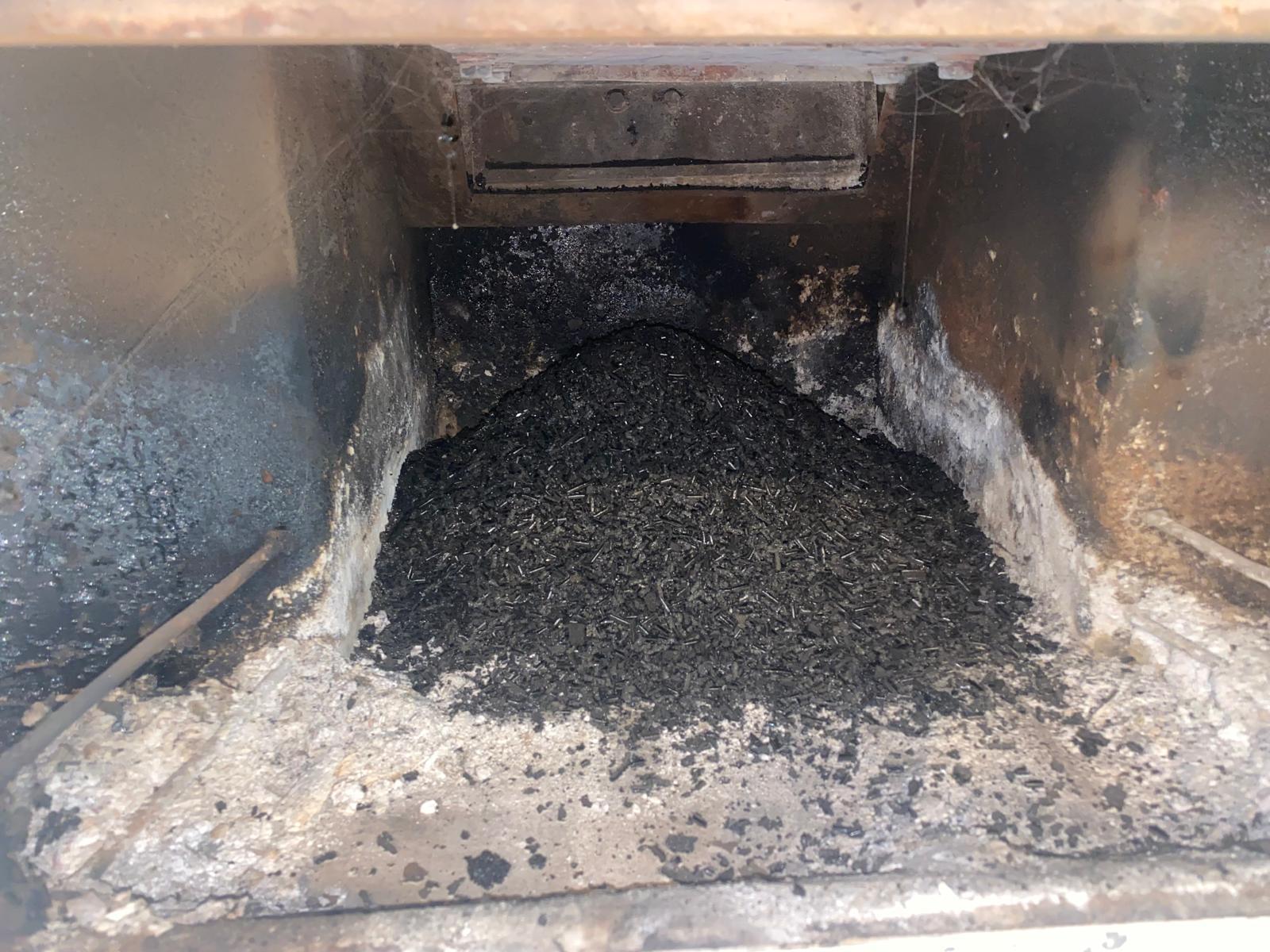
- What an Inspection Reveals: A professional chimney inspection, preferably a Level 2 (which is recommended for new home purchases), delves deep. It checks for creosote buildup, a highly flammable residue from previous fires. It looks for structural damage, cracks in the flue liner, compromised mortar joints, and proper function of the damper. It can identify hidden animal nests (think pigeons or squirrels making a home in your flue during the long, unused summer months), debris blockages, and even previous fire damage that wasn’t visible from the outside.
- Why It Matters in LA: While fireplaces might be used less frequently here than in colder climates, the dry California air can still contribute to creosote buildup if the chimney hasn’t been cleaned in years. Plus, many older LA homes have brick chimneys that are vulnerable to earthquake activity or just general aging, leading to cracks that aren’t immediately obvious.
This isn’t a DIY job, folks. You need an experienced eye, specialized tools, and a trained understanding of chimney dynamics. Think of it like getting a thorough dental check-up — you can brush your teeth every day, but only a dentist can spot those lurking issues.
Step 2: Understand Your Damper and Flue – Your Chimney’s Gatekeepers
Sarah and Tom — like many new homeowners — probably didn’t even know what a damper was, let alone how to operate it correctly. The damper is essentially a lid or valve located in the throat of your chimney, designed to open to allow smoke to escape and close to prevent heat loss or entry of outside air when the fireplace isn’t in use.
- Dampers: Open or Closed? A closed damper is a surefire way to fill your living room with smoke. But even an open damper isn’t enough if it’s stuck, broken, or not opening fully. An inspection will confirm its functionality.
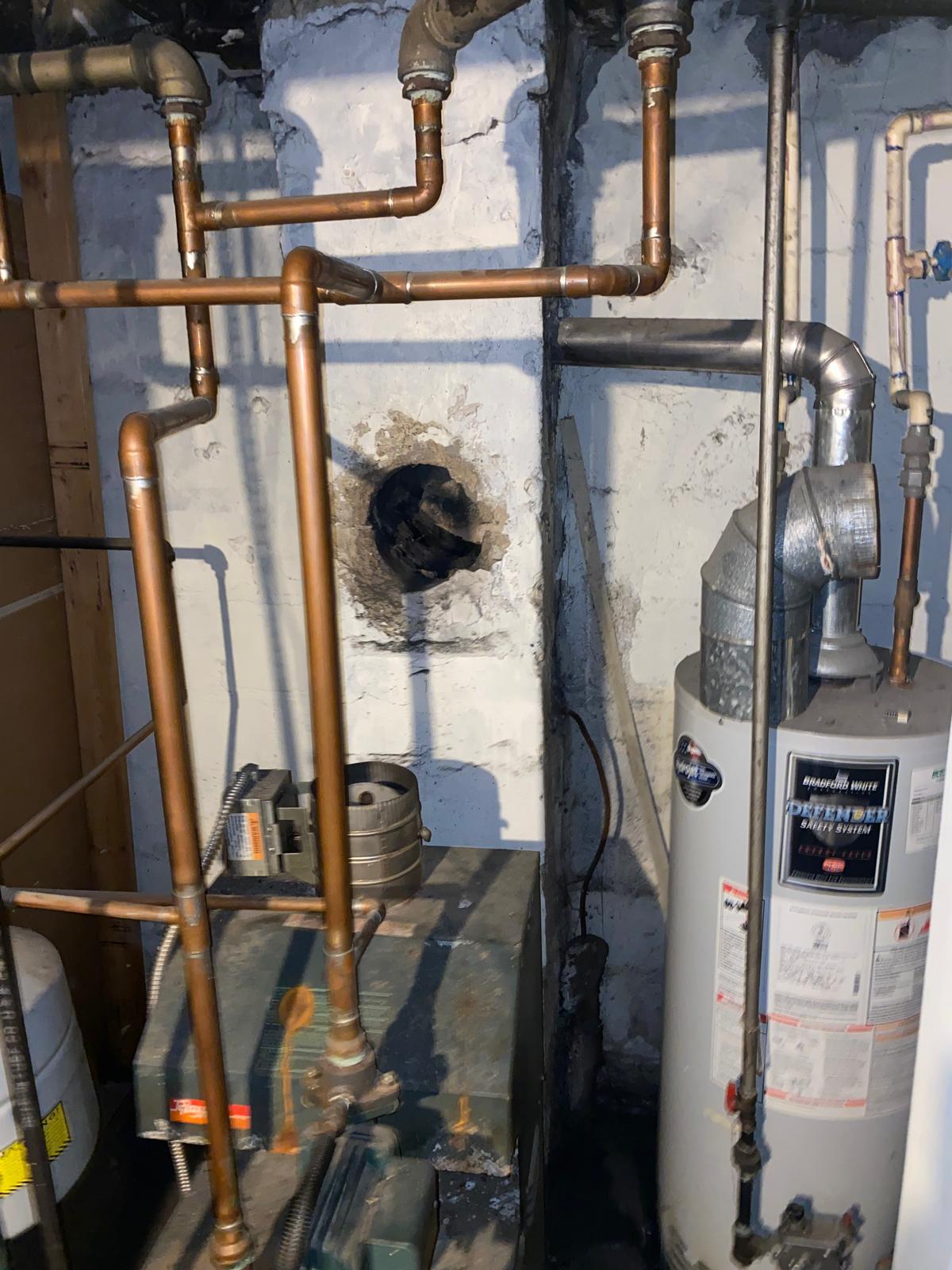
- Flue Integrity: The flue liner is the crucial passageway for smoke and gases. Cracks or damage can allow heat and harmful gases to leak into your home’s structure, posing a serious fire or carbon monoxide risk. An inspector will check for this, often using specialized cameras to get a clear view of the interior.
Ensuring these components are in perfect working order is non-negotiable for safe and efficient fireplace operation.
Step 3: Examine the Exterior: Chimney Cap and Masonry – Your First Line of Defense
It’s easy to overlook what’s happening on your roof. But the chimney’s exterior components are just as critical as its interior. Sarah and Tom certainly hadn’t climbed up there before lighting their first fire!
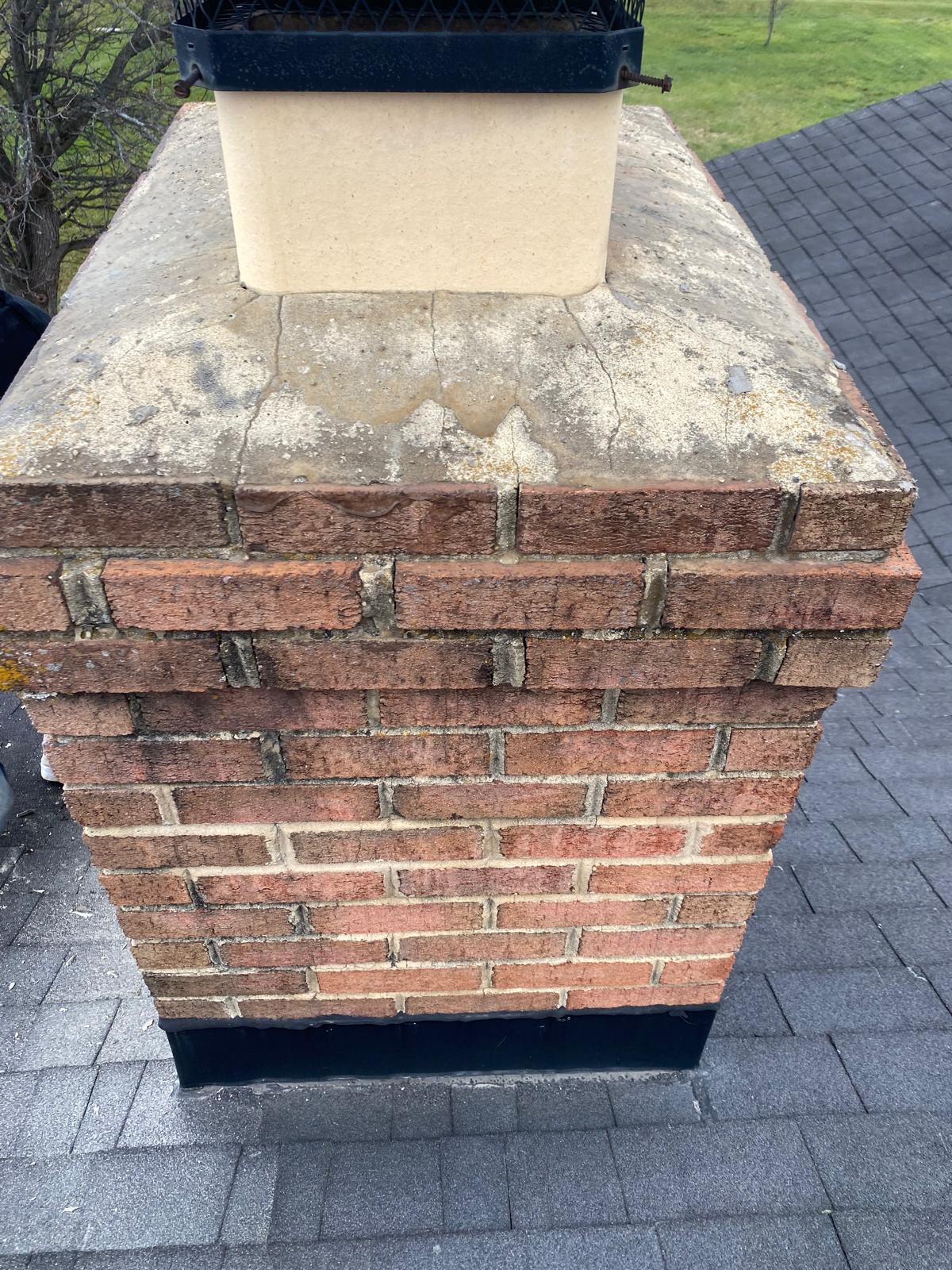
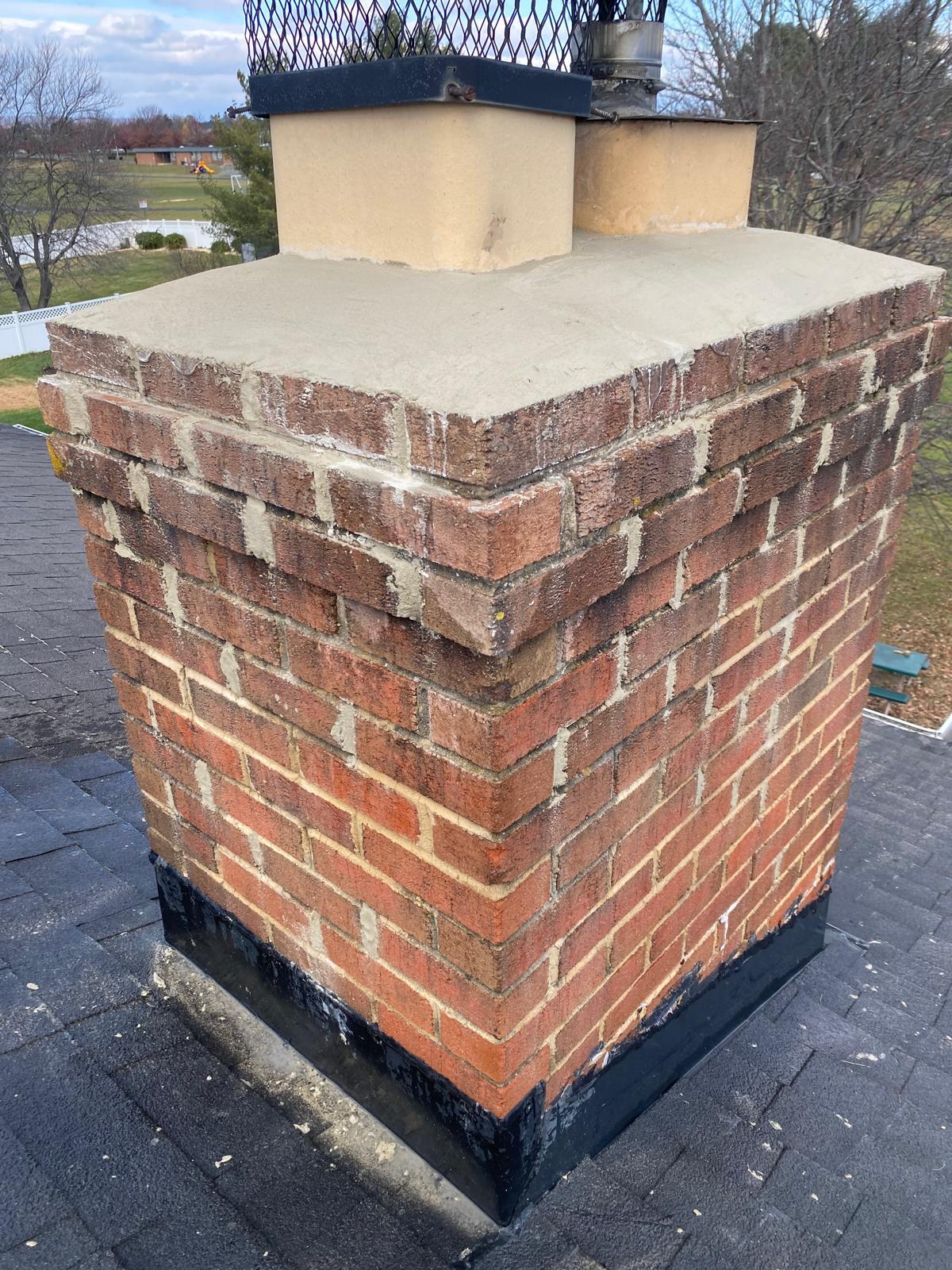
- The Unsung Hero: The Chimney Cap: This often-neglected feature sits atop your chimney and serves multiple vital functions. It keeps rain out, preventing water damage to the flue and internal structure (even in sunny LA, we get our rainy season!). It also acts as a crucial barrier against unwanted guests like birds, squirrels, and raccoons who would love to set up nests inside your warm, sheltered flue, creating blockages. A missing or damaged cap is an invitation for trouble.
- Masonry and Crown: Look for cracked mortar joints, spalling (flaking) bricks, or a damaged chimney crown (the slab protecting the top of theney structure). These can lead to water penetration, deterioration, and structural instability. Even in a mild climate, consistent exposure to sun, occasional rain, and – let’s be honest – years of neglect, can take their toll.
Your professional inspector will give these exterior elements a thorough once-over, letting you know if repairs are needed before problems escalate.
Step 4: The Chimney Sweep: Clearing the Path for Safe Fires
This is perhaps the most direct preventative measure against a smoky, dangerous fireplace. If your home’s previous owners never bothered with a sweep, or if it’s been years, you’re looking at a potential creosote buildup situation. Creosote is highly flammable, and a thick layer can ignite, leading to a devastating chimney fire.
- Why a Sweep is Essential: Even if your inspection reveals no major structural flaws, a professional cleaning is vital to remove creosote, soot, and any minor blockages. It ensures a clear, safe path for smoke and gases to exit your home. For homes in Pasadena with older chimneys, or classic Hollywood Hills residences, this service is often long overdue.
- When to Sweep: It’s generally recommended to have your chimney swept after approximately every cord of wood burned, or at least once a year if you use your fireplace regularly. For new homeowners, especially if usage history is unknown, a “move-in” sweep is always a wise investment.
Don’t wait for your own smoky saga. Be proactive. It’s truly not worth the risk.
Step 5: Fuel Management: Not All Wood is Created Equal
While this isn’t strictly about the chimney’s structure, the type of wood you burn directly impacts chimney performance and safety. Sarah and Tom might have just grabbed whatever logs looked good at the grocery store.
- Seasoned Wood Only: This means wood that has been dried for at least six months to a year. It burns hotter, cleaner, and more efficiently. Wet or “green” wood produces more smoke, more creosote, and less heat, increasing the risk of chimney fires and filling your home with more particulates — definitely not the clean air you want in sunny Los Angeles.
- Avoid Treated or Scraps: Never burn treated lumber, household trash, or cardboard. These can release toxic fumes and create dangerous embers or intense heat that can damage your chimney.
Being mindful of your fuel source is a simple step that significantly enhances your fireplace’s safety and efficiency.
Frequently Asked Questions for LA Homeowners
Do I really need a chimney inspection in mild Los Angeles?
Absolutely! While our winters aren’t harsh, fireplaces are still used, and chimneys, especially in older LA homes, are exposed to years of sun, occasional rain, and general wear and tear. An inspection reveals critical safety issues like creosote buildup (a fire hazard), structural damage from age or seismic activity, and animal infestations — problems that aren’t exclusive to cold climates. Neglecting it can lead to dangerous and costly issues. Speaking of home maintenance, read more here provides top-quality electrical.
How often should I have my chimney cleaned?
The National Fire Protection Association (NFPA) recommends annual inspections for all chimneys, fireplaces, and vents. If you use your fireplace regularly (e.g., more than a few times a month during cooler periods), an annual cleaning is highly advisable. If you only light a fire for special occasions, an annual inspection is still crucial, with cleaning performed as needed based on creosote accumulation.
What are the signs my chimney needs attention?
Watch out for smoke filling your room (like Sarah and Tom!), difficulty getting a fire started or keeping it going, strange odors (especially a strong campfire smell when the fireplace isn’t in use, which could indicate creosote), unusual noises coming from the chimney (possibly animals), visible cracks in the masonry, or a missing/damaged chimney cap. Any of these signals it’s time to call a professional.
Can I do a DIY inspection or cleaning?
While you can visually check for obvious issues like a missing cap or a large bird’s nest visible from the ground, a comprehensive inspection and cleaning require specialized tools, training, and an understanding of chimney systems. Improper DIY attempts can actually cause damage or, worse, leave dangerous conditions unaddressed, putting your home and family at risk. It’s always best to entrust this to certified professionals.
Don’t Wait for Your Own “Smoky Silver Lake” Moment!
Sarah and Tom learned the hard way that a beautiful