As Angelenos, we live in a city renowned for its sunshine and vibrant culture. Yet, with that beauty comes the critical responsibility of preparing for wildfire season, a perennial concern from the Santa Monica Mountains to the Hollywood Hills. A common, yet dangerous, mistake many homeowners make is underestimating their chimney’s role in wildfire prevention, often focusing only on exterior brush clearance and neglecting internal hazards. Your chimney, if not properly maintained, can inadvertently become a fire starter during periods of high winds and dry conditions.
This guide from DD Chimney Cleaning aims to equip you with the essential knowledge to avoid crucial mistakes, ensuring your chimney is not just clean, but also a protective barrier against the unique wildfire challenges faced across Los Angeles. We’ll outline common missteps and provide the correct, expert-recommended approaches.
Mistake #1: Overlooking Creosote Buildup as a Fire Risk
Why it’s a Mistake: The Hidden Fuel
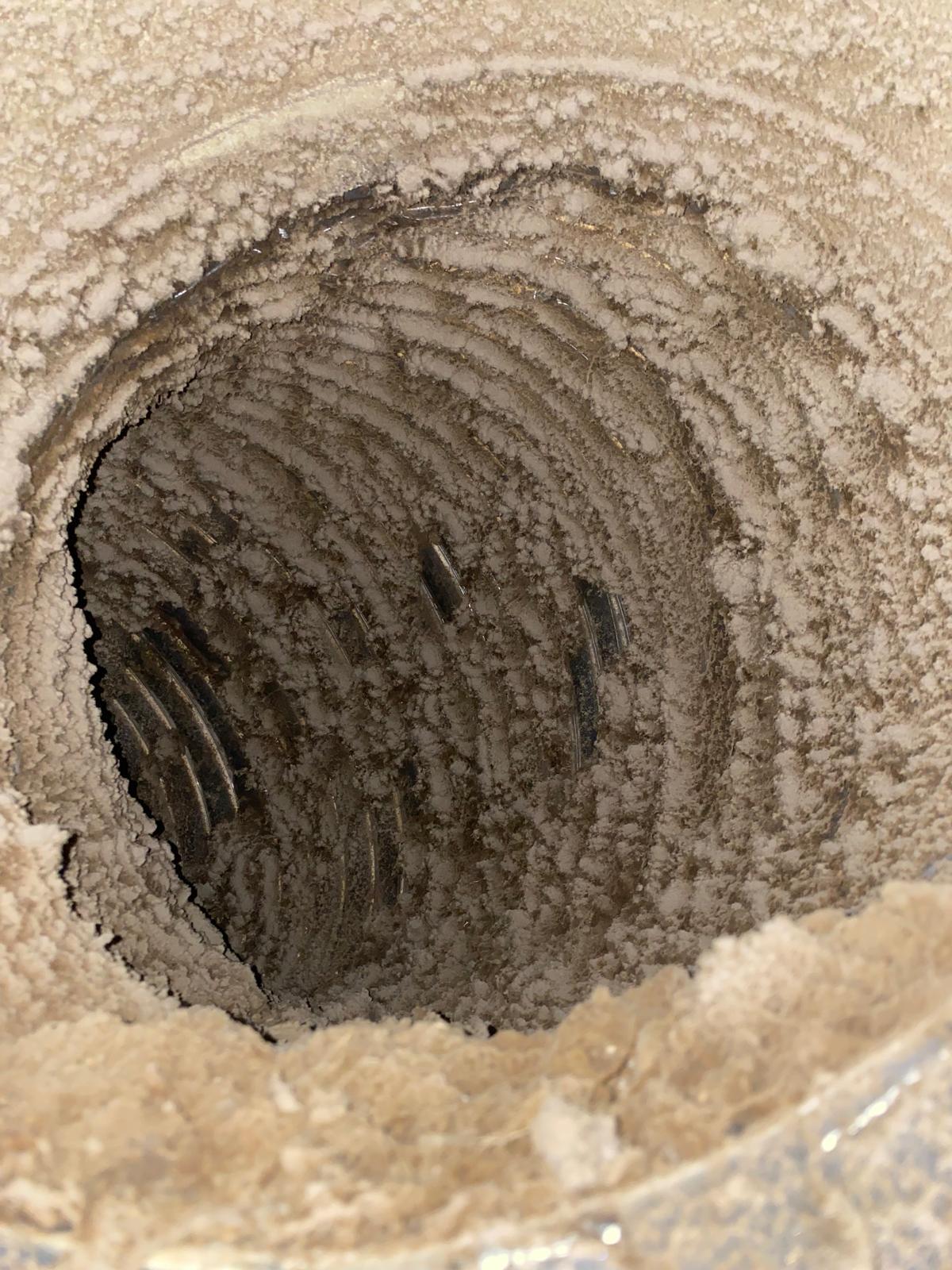
Creosote, a highly flammable byproduct of wood combustion, silently accumulates within your chimney flue. It’s not just a messy residue; it’s essentially concentrated fuel. During wildfire season, with dry air and potential ember storms, any internal spark can easily ignite this creosote, leading to a dangerous chimney fire that can quickly spread to your roof and attic. In Los Angeles, where homes often feature classic fireplaces, ignoring this internal hazard is akin to leaving kindling in your chimney. Data shows that chimney fires, often fueled by creosote, can reach temperatures exceeding 2000°F (1093°C), far hot enough to compromise chimney integrity and ignite surrounding structures.
The Correct Approach: Professional Chimney Cleaning
The only truly effective way to mitigate this risk is through effective creosote removal. Before wildfire season intensifies, scheduling a thorough cleaning is paramount. Our team at DD Chimney Cleaning in Los Angeles specializes in removing even the most stubborn, glaze-like creosote deposits. This proactive step dramatically reduces the internal fuel load, making your chimney far less likely to become a source of ignition during a wildfire event.
Mistake #2: Ignoring Missing or Damaged Chimney Screens (Spark Arrestors)
Why it’s a Mistake: Sparking Disaster
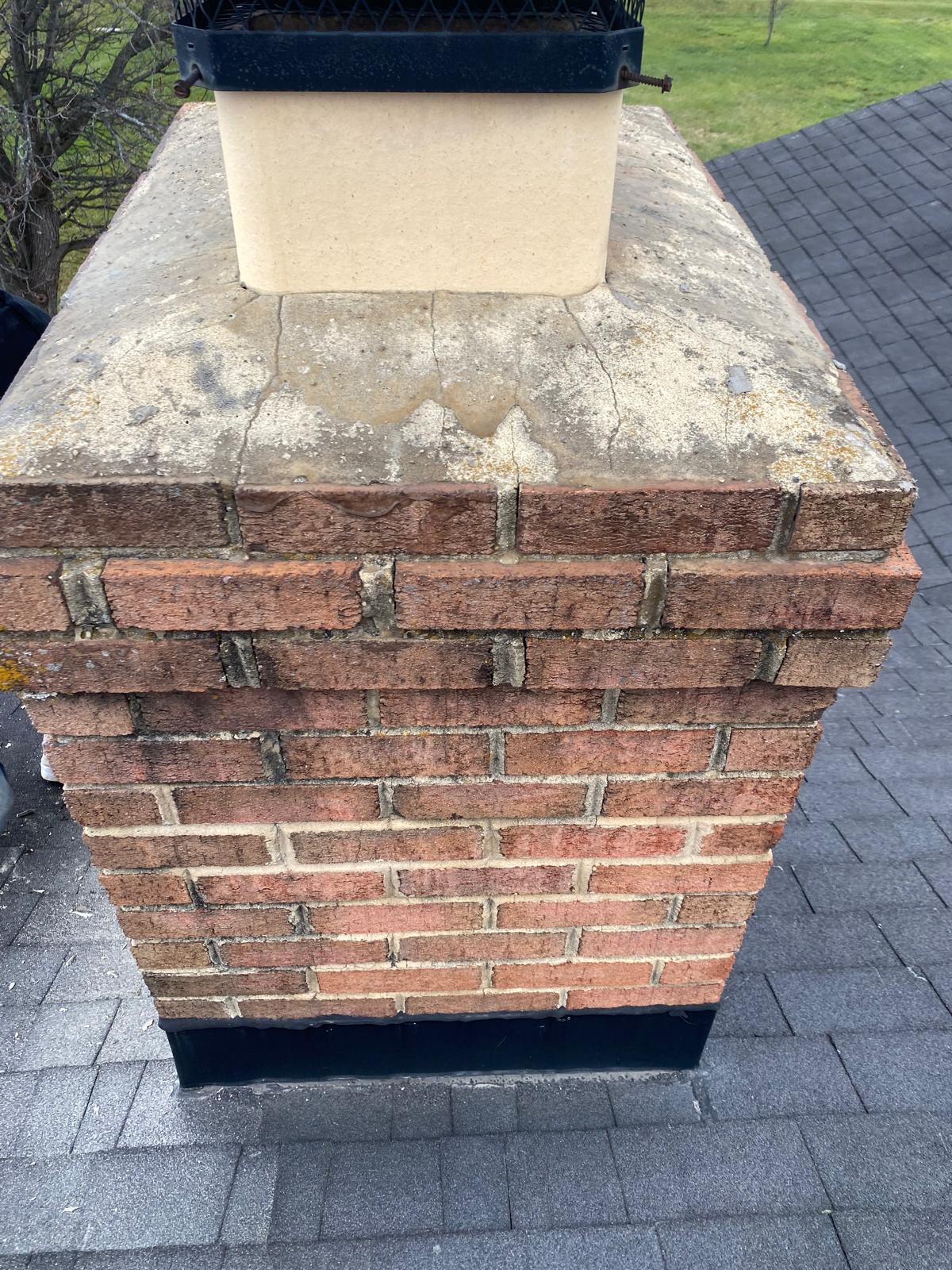
A missing or damaged chimney screen, also known as a spark arrestor, is a critical vulnerability. As sparks and embers rise through your chimney, a proper screen acts as a crucial filter, preventing them from escaping and igniting dry brush, roofs, or nearby vegetation – a significant concern in areas bordering open spaces like Topanga Canyon or Griffith Park. Without it, even a small campfire in your fireplace can launch burning embers onto your roof or into defensible space, posing an immediate wildfire threat during Santa Ana wind conditions.
The Correct Approach: Ensuring Proper Screening
Local building codes and fire safety regulations, especially in high-fire-severity zones, mandate spark arrestors. These screens should have openings no larger than 1/2 inch, designed to contain embers while still allowing smoke to vent. Regularly inspect your chimney cap and screen for deterioration, rust, or blockages. If you find any damage or a missing screen, it needs immediate replacement. A professional inspection, like those offered by DD Chimney Cleaning, will include checking and advising on the condition of your spark arrestor, ensuring it complies with critical wildfire prevention standards.
Mistake #3: Neglecting Flammable Clearance Zones Around Your Chimney
Why it’s a Mistake: Proximity Hazards
While homeowners often focus on the larger “defensible space” around their property, a common oversight is the immediate vicinity of the chimney. Trees overhanging the chimney, vines growing up its exterior, or dry leaves and debris accumulated on the roof near the flue create a direct pathway for embers to ignite. Imagine a stray spark landing on a pile of dry pine needles next to your chimney – it’s an express ticket for fire to enter your home or spread to your roof.
The Correct Approach: Maintaining Defensible Space
Implement the “Lean, Clean, Green” principle for the area immediately surrounding your chimney. Ensure that all tree branches are trimmed at least 10 feet away from the chimney and roofline. Remove any flammable vegetation, leaves, or debris from the roof and gutters, especially those adjacent to the chimney structure. Cal Fire recommends a “zone 0” immediate perimeter around structures (0-5 feet) that is entirely free of all combustible materials. Regular professional chimney inspections can often spot these clearance issues and advise on necessary adjustments, emphasizing holistic home safety. DD Chimney Cleaning professionals pay attention to these details, even though our core service is cleaning.
Mistake #4: Postponing Annual Chimney Inspections
Why it’s a Mistake: “Out of Sight, Out of Mind” Mentality
Many homeowners believe that if their fireplace seems to be working, an inspection isn’t necessary. This “out of sight, out of mind” mentality can lead to unseen dangers. Flue liners can crack, mortar joints can degrade, and hidden blockages from nesting animals or debris can occur. These issues not only pose fire risks but also compromise your chimney’s structural integrity, which is critical if exposed to radiant heat or embers during a wildfire. A compromised flue may allow heat to transfer more readily to surrounding combustibles.
The Correct Approach: Proactive Professional Assessment
An annual chimney inspection, even if you don’t use your fireplace frequently, is a preventative measure. Certified chimney technicians meticulously check for cracks, blockages, and any wear and tear that could become a hazard. This ensures your chimney flue integrity is sound, providing optimal performance and safety. While our primary service is chimney cleaning, we understand the importance of identifying issues during the cleaning process. This proactive approach is as vital in bustling Los Angeles as it is in communities like DD Chimney Cleaning in Pittsburgh or DD Chimney Cleaning in Cleveland, where fire safety is equally paramount.
Mistake #5: Believing DIY Is Sufficient for Wildfire Readiness
Why it’s a Mistake: The Dangers of Inexperience
Some homeowners might attempt DIY chimney sweeping or spark arrestor installations, assuming they can handle it. However, chimney systems are complex. Inexperienced cleaning can leave dangerous creosote behind, and improper spark arrestor installation can create new hazards or fail to meet code requirements. More importantly, DIY efforts rarely provide the comprehensive inspection of the entire chimney system that a certified professional can, missing critical structural or functional deficiencies that could become fire hazards.
The Correct Approach: Trusting Certified Professionals
For something as critical as wildfire safety, professional expertise is indispensable. Certified chimney technicians have the specialized tools, training, and experience to thoroughly clean, inspect, and identify potential risks in accordance with stringent safety standards. They understand the nuances of chimney construction and local wildfire codes. For reliable and expert chimney cleaning in Los Angeles, call DD Chimney Cleaning at (833) 339-6803. Our professionals are trained to spot and address concerns relevant to the wildfire season.
Frequently Asked Questions (FAQs)
Preparing for Los Angeles’s wildfire season often brings up specific questions about chimney care. Here are some common inquiries:
Q1: How often should my chimney be cleaned for wildfire preparedness?
A: We recommend annual professional chimney cleaning, especially if you use your fireplace regularly. Even with infrequent use, a yearly check ensures no creosote has built up and addresses any nesting or debris issues.
Q2: What is a spark arrestor and why is it crucial for wildfire season?
A: A spark arrestor is a screen or mesh cap installed on top of your chimney. It prevents sparks and embers from escaping the chimney and landing on your roof or dry vegetation, significantly reducing the risk of a wildfire ignition.
Q3: Can DD Chimney Cleaning install a new spark arrestor?
A: While our primary service is comprehensive chimney cleaning, our technicians can assess the condition of your existing spark arrestor during a cleaning appointment and advise if a replacement is needed. We focus on ensuring your chimney is clean and ready for safe operation.
Q4: Are there specific regulations for chimneys in Los Angeles’s high-fire zones?
A: Yes, California and local Los Angeles fire codes mandate spark arrestors with specific mesh sizes for chimneys in identified high-fire-severity zones. It’s crucial your chimney cap meets these standards.
Q5: What if I rarely use my fireplace in Los Angeles? Do I still need to worry about cleaning?
A: Absolutely. Even unused chimneys can accumulate debris, bird nests, or animal intrusions, creating blockages. These can become fuel or pathways for embers during wildfires. An annual cleaning is a preventative measure for all chimneys.
Q6: Does cleaning my dryer vent also contribute to wildfire safety?
A: While our focus at DD Chimney Cleaning is exclusively on chimneys, properly maintaining a dryer vent (a common non-chimney fire hazard) is generally good fire safety practice for your home. However, our services specifically target chimney cleaning.
Don’t let your chimney become a weak link in your home’s wildfire defense. By avoiding these common mistakes and prioritizing professional chimney cleaning, you’re taking a vital step in protecting your property and loved ones. For expert chimney cleaning services in Los Angeles, contact DD Chimney Cleaning at (833) 339