The Uninvited Tenants: A Historical Overview of Chimney Pests
For centuries, chimneys have served as vital conduits for smoke and gases, integral to home heating and cooking. Yet, their very design – a dark, vertical shaft leading to the outside – inadvertently created an attractive, sheltered haven for various wildlife. From ancient hearths to modern fireplaces, the problem of creatures nesting within chimneys is not new. Birds, squirrels, raccoons, and even bats have long exploited these structures for shelter, nesting, and escape from predators or harsh weather. In urban and suburban environments like Los Angeles, with abundant green spaces, mature trees, and easy access to human food sources, chimneys present an especially appealing refuge, leading to complications for homeowners.
Why Your Los Angeles Chimney Becomes a Wildlife Haven
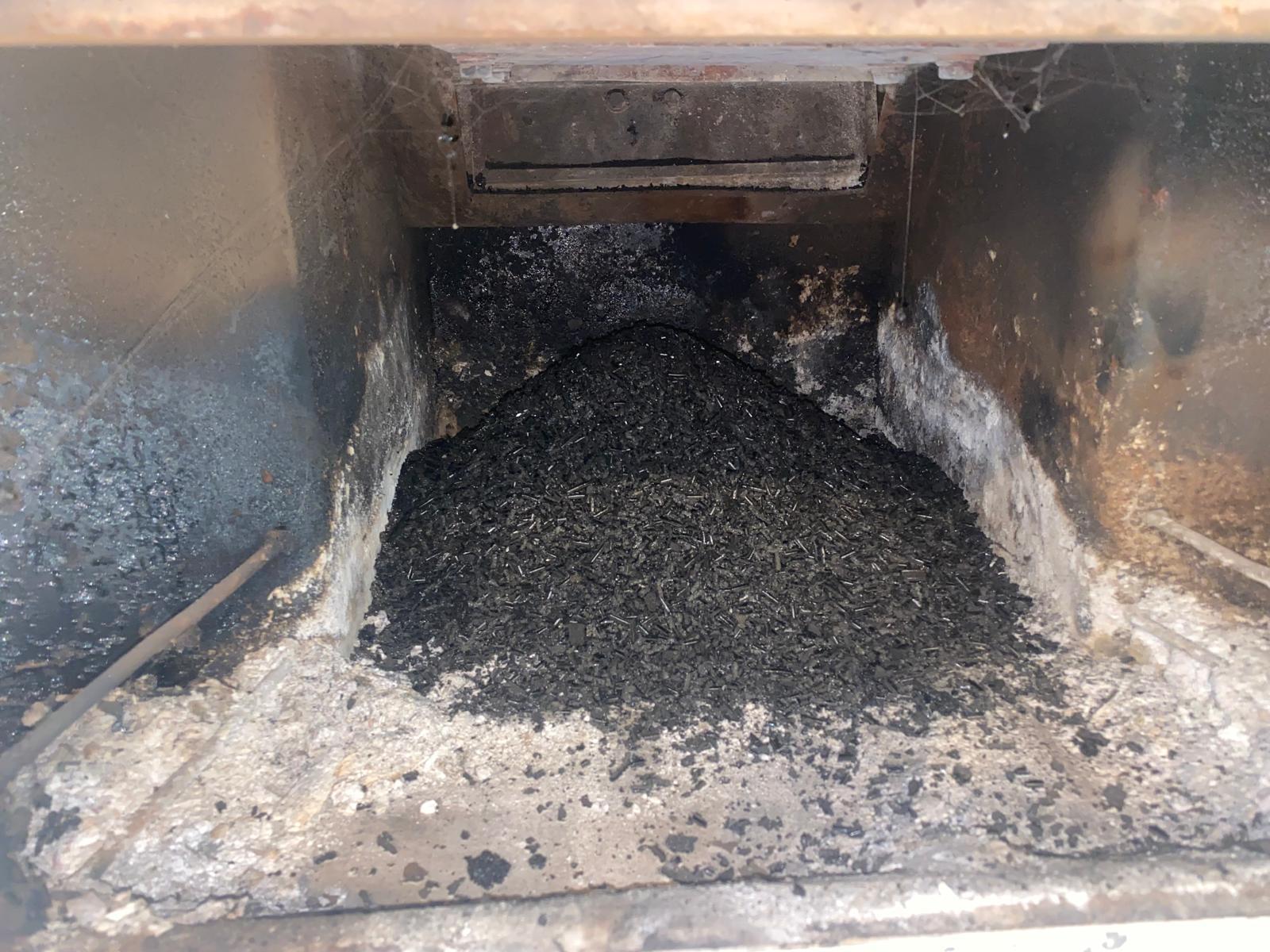
Los Angeles homeowners often encounter pest issues in their chimneys due to a unique confluence of factors. The city’s mild climate, especially through the cooler months, offers animals a consistent need for shelter without the extreme cold found elsewhere. Areas like the Hollywood Hills, Santa Monica Mountains, and the diverse neighborhoods across the San Fernando Valley provide ample habitat for raccoons, squirrels, and various bird species. A chimney offers these animals protection from elements, predators, and urban noise. These unsolicited residents can quickly create blockages, posing significant fire hazards due to the accumulation of highly flammable nesting materials. Additionally, decaying animals or accumulated droppings can produce foul odors that permeate your home and harbor diseases, impacting indoor air quality. According to industry data, blockages caused by animal nests account for an estimated 20-30% of all chimney blockage calls in metropolitan areas, a statistic DD Chimney Cleaning regularly encounters. Proactive measures are essential to maintain the safety and functionality of your chimney system.
Proactive Prevention: Essential Steps to Secure Your Flue
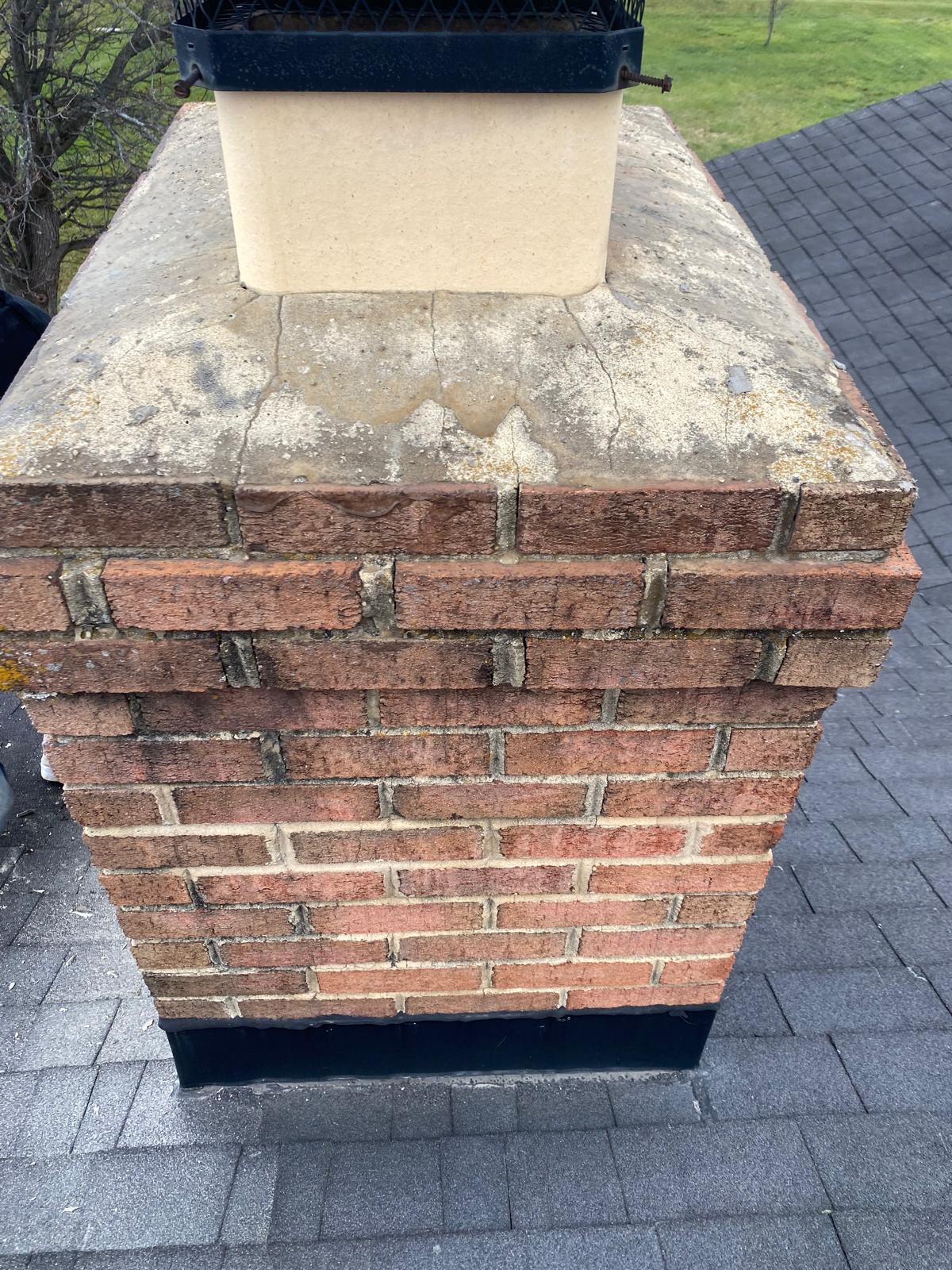
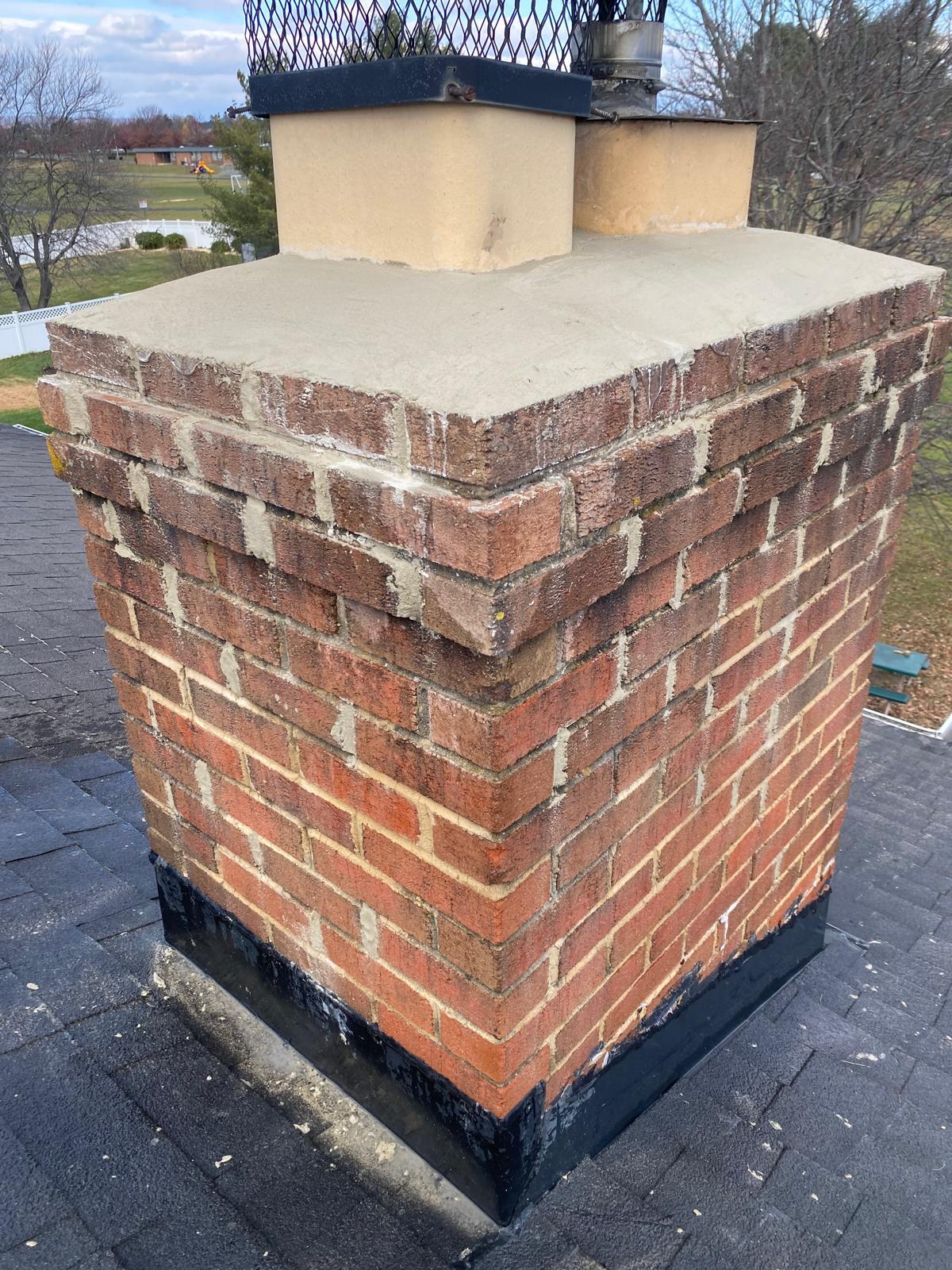
Preventing animal entry into your chimney is primarily about strategic exclusion. The most effective first line of defense is a professionally installed chimney cap with sturdy mesh screening. This physical barrier prevents animals and debris from entering the flue while allowing smoke to escape unimpeded. For homeowners across Los Angeles, DD Chimney Cleaning advises selecting a cap that is robust enough to withstand the elements and resistant to persistent animal attempts to gain access. Furthermore, trimming tree branches that overhang or are close to your roofline significantly reduces easy access points for climbing animals like squirrels and raccoons. Regular inspections, ideally annually, are also paramount. A chimney professional, such as the specialists at DD Chimney Cleaning, can identify potential entry points, assess the condition of your chimney cap, and recommend necessary repairs before a problem escalates. Our expertise extends beyond Los Angeles; homeowners from distant regions, for instance, relying on comprehensive DD Chimney Cleaning in Boston or DD Chimney Cleaning in Philadelphia, also prioritize these fundamental preventative steps.
Recognizing the Signs of an Infestation
Early detection is crucial in mitigating the damage and health risks associated with chimney pests. Homeowners should remain vigilant for specific indicators. Common signs include unusual noises emanating from the chimney, such as scratching, chirping, or fluttering sounds, particularly in the early morning or evening. Foul odors, indicative of animal droppings, urine, or decomposition, are another strong signal. You might also observe visible nesting materials protruding from the top of the flue or notice displaced soot and debris in your fireplace or at the base of the chimney. In Los Angeles, where animal activity is frequent, paying attention to these details can prevent larger issues. If you suspect an animal has taken up residence, contact DD Chimney Cleaning at (833) 339-6803 promptly. Attempting to smoke out animals or remove them yourself can be dangerous and is often ineffective, potentially leading to injuries or further blockages. Our team provides professional assessment and solutions related to such obstructions as part of our core DD Chimney Cleaning in Los Angeles services.
Professional Intervention: The DD Chimney Cleaning Approach
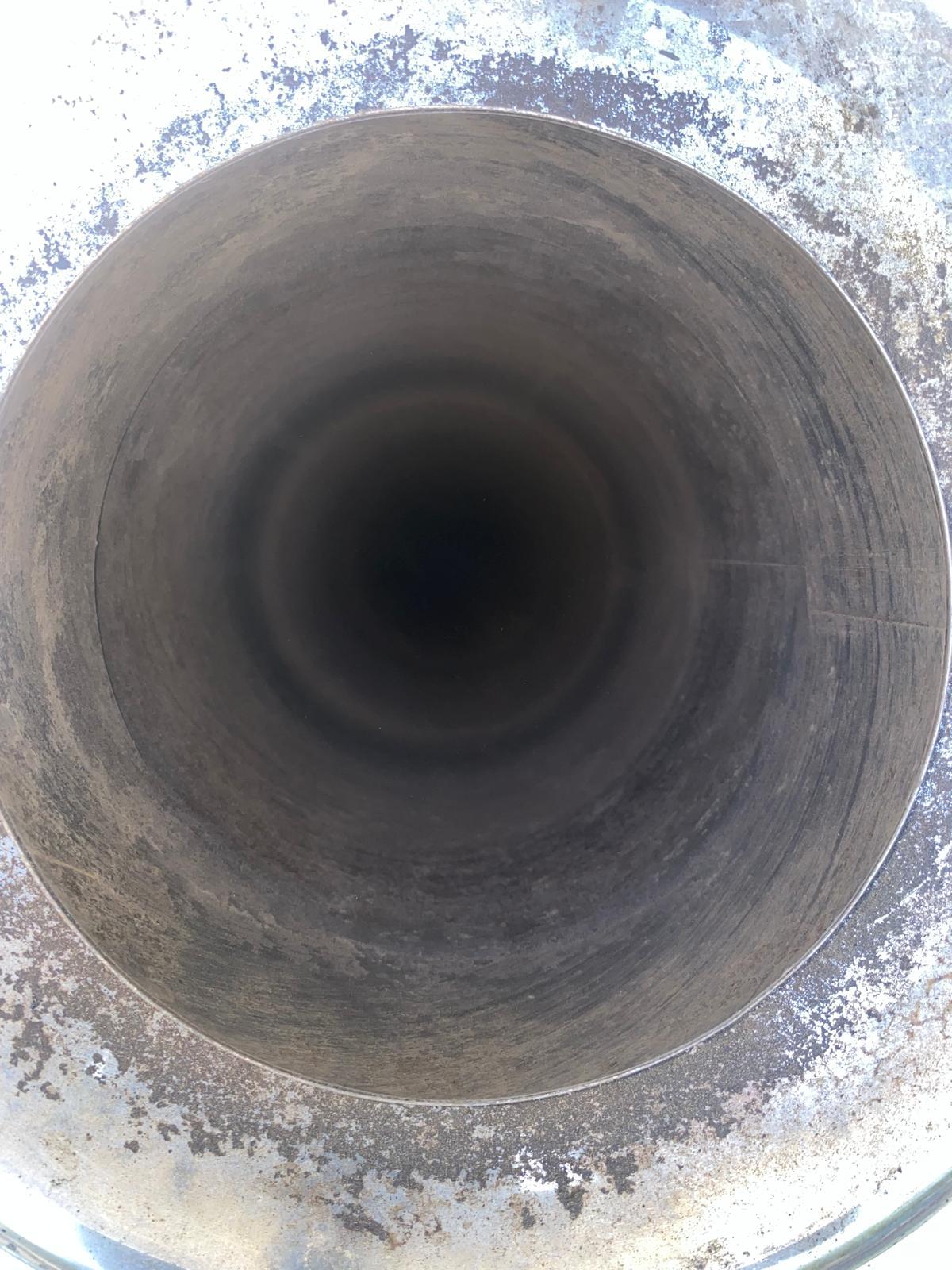
When animals have successfully breached your chimney’s defenses, professional intervention is necessary to ensure safe and thorough resolution. DD Chimney Cleaning specializes in removing these animal-related obstructions and performing the subsequent deep cleaning required. Our process involves carefully extracting nesting materials, debris, and any animal remains, followed by a comprehensive cleaning of the flue to remove creosote and other flammable residues. This thorough approach restores the chimney’s integrity and eliminates potential health hazards. It is important to note that our service focuses specifically on chimney cleaning and obstruction removal, not generalized pest control. Our certified technicians understand the intricate structure of chimneys and how to safely clear blockages while minimizing damage. For dependable chimney cleaning in Los Angeles, ensuring your flue is clear and safe, our expertise is unmatched.
Frequently Asked Questions About Chimney Pests
Q1: What types of animals most commonly get into chimneys in Los Angeles?
A: In Los Angeles, squirrels, raccoons, bats, and various bird species (especially swifts and pigeons) are the most common culprits for chimney infestations.
Q2: Can animals cause a chimney fire?
A: Yes, absolutely. Nesting materials are highly combustible. When combined with creosote buildup from burning wood, they significantly increase the risk of a dangerous chimney fire.
Q3: Is it safe to try to remove an animal from my chimney myself?
A: It is generally not safe. Animals can be aggressive or carry diseases. Additionally, you may push the animal further down or dislodge nesting materials, creating a more severe blockage. Professional intervention is recommended.
Q4: How often should I inspect my chimney for signs of pests?
A: It’s wise to visually inspect your chimney’s exterior and listen for unusual noises throughout the year, especially before the heating season. A professional inspection by DD Chimney Cleaning in Los Angeles should be conducted annually.
Q5: What is a chimney cap, and how does it prevent pests?
A: A chimney cap is a cover installed on top of your chimney flue. It typically includes a mesh screen that prevents animals, leaves, and other debris from entering the chimney while allowing smoke and gases to exit.
Q6: If an animal dies in my chimney, what should I do?
A: If you suspect an animal has died in your chimney, contact DD Chimney Cleaning immediately. We can safely remove the remains, clear any associated debris, and perform a thorough cleaning and deodorization.
Ensure Your Chimney’s Safety and Longevity
Protecting your chimney from unwanted animal intrusions is a critical aspect of home maintenance, particularly in a vibrant urban environment like Los Angeles. Ignoring the issue can lead to serious safety hazards, including devastating chimney fires and significant health risks. By implementing proactive measures such as chimney