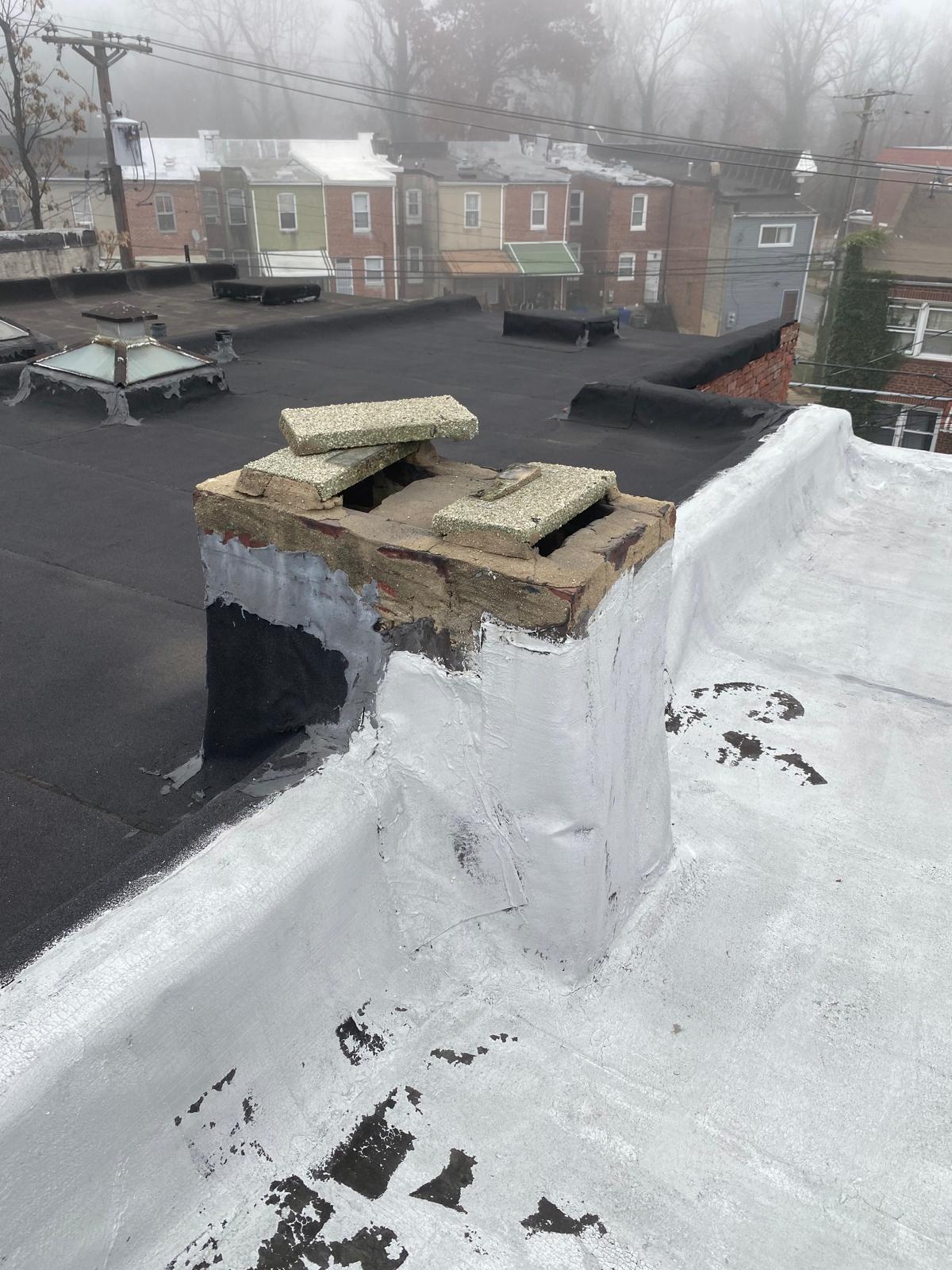
Many homeowners living in Nor’easter alley falsely believe their chimney is inherently robust against nature’s wrath, a dangerous assumption that can lead to catastrophic damage and fire hazards. It’s a bold statement, but the reality is stark: without proactive measures, the relentless winds, torrential rains, and heavy snowfalls characteristic of a Nor’easter can transform your home’s seemingly sturdy chimney into a structural liability. From Boston’s historic Beacon Hill brownstones to the modern homes dotting its suburbs, chimneys are constantly exposed, making them one of the most vulnerable components of your dwelling during severe weather. DD Chimney Cleaning, while proudly serving the Los Angeles, California community, understands that the principles of chimney safety and maintenance are universal, extending our expertise to advise homeowners in challenging climates nationwide. We believe in preparing not just for the next storm, but for every season, ensuring your home remains a sanctuary.
The Overlooked Threat: Why Your Boston Chimney Needs Nor’easter Prep
Nor’easters are more than just a bad winter storm; they are a formidable combination of high winds, freezing temperatures, and prodigious precipitation, all conspiring against your chimney’s integrity. Boston, with its coastal proximity and distinct seasonal shifts, frequently experiences the full force of these weather systems. Common Nor’easter-induced damage includes cracked chimney crowns, spalling bricks due to repeated freeze-thaw cycles, deteriorated mortar joints, and compromised flashing that can lead to severe water intrusion. A 2022 study by the National Fire Protection Association (NFPA) indicates that a significant percentage of home heating fires originate in chimneys or flues, often exacerbated by structural weaknesses or creosote buildup that becomes an even greater hazard when water penetrates the system. Our insights, derived from years of experience protecting homes from diverse weather conditions, apply to the unique challenges faced in cities like Boston, where you might seek information on DD Chimney Cleaning in Boston, to the Santa Ana winds of our home base in Los Angeles.
Pre-Storm Vigilance: Essential Chimney Inspections
The cornerstone of Nor’easter preparedness is a thorough, professional chimney inspection. Just as a strong foundation supports a house, a comprehensive assessment provides the bedrock for your chimney’s resilience. Before the first significant cold snap or storm warning, a certified chimney sweep can identify existing vulnerabilities that Nor’easters are guaranteed to exploit. This includes scrutinizing the flue liner for cracks, checking the integrity of the chimney cap, and evaluating the condition of the exterior masonry and flashing. These critical components work together to protect your chimney from weather and ensure safe operation. A Level 2 inspection, often recommended before making changes to your system or after any severe weather event, delves deeper, utilizing specialized camera equipment to assess internal damage not visible from the exterior. Timely professional chimney cleaning services are essential to remove creosote and blockages, which can compound hazards if the chimney’s structure is compromised.
Understanding Your Chimney’s Vulnerabilities
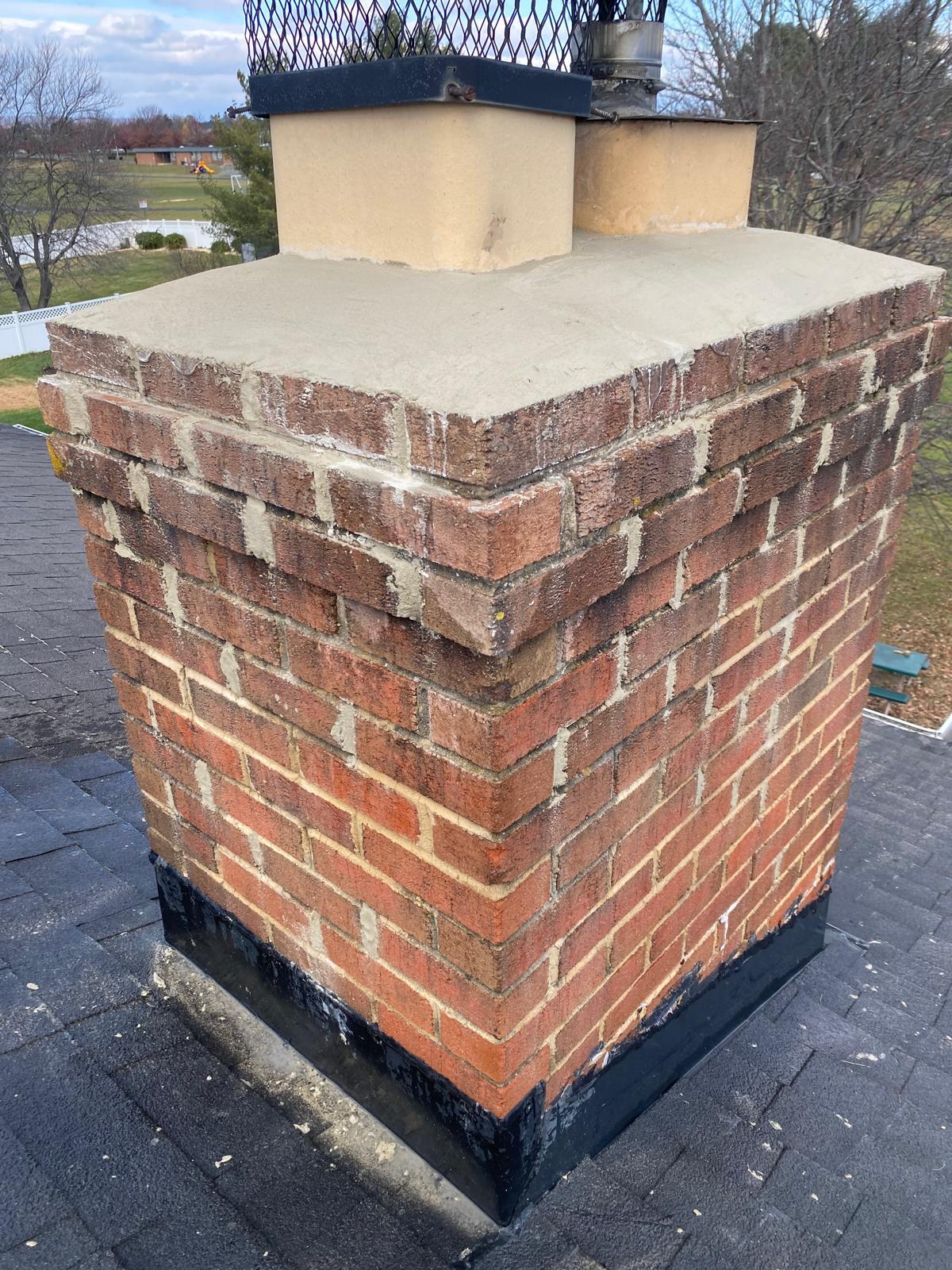
- Chimney Crown: The concrete slab at the top of your chimney, protecting the flue from water. Cracks here are direct pathways for water to penetrate the masonry below.
- Flashing: The seal where your chimney meets your roof. High winds can lift or tear flashing, creating significant leaks into your attic and home’s interior.
- Mortar Joints: Over time, mortar degrades. Nor’easters accelerate this process, allowing moisture to seep between bricks, leading to spalling (surface deterioration).
- Chimney Cap: This prevents rain, snow, and animals from entering the flue. A damaged or missing cap leaves your chimney exposed and can contribute to moisture-related damage and blockages.
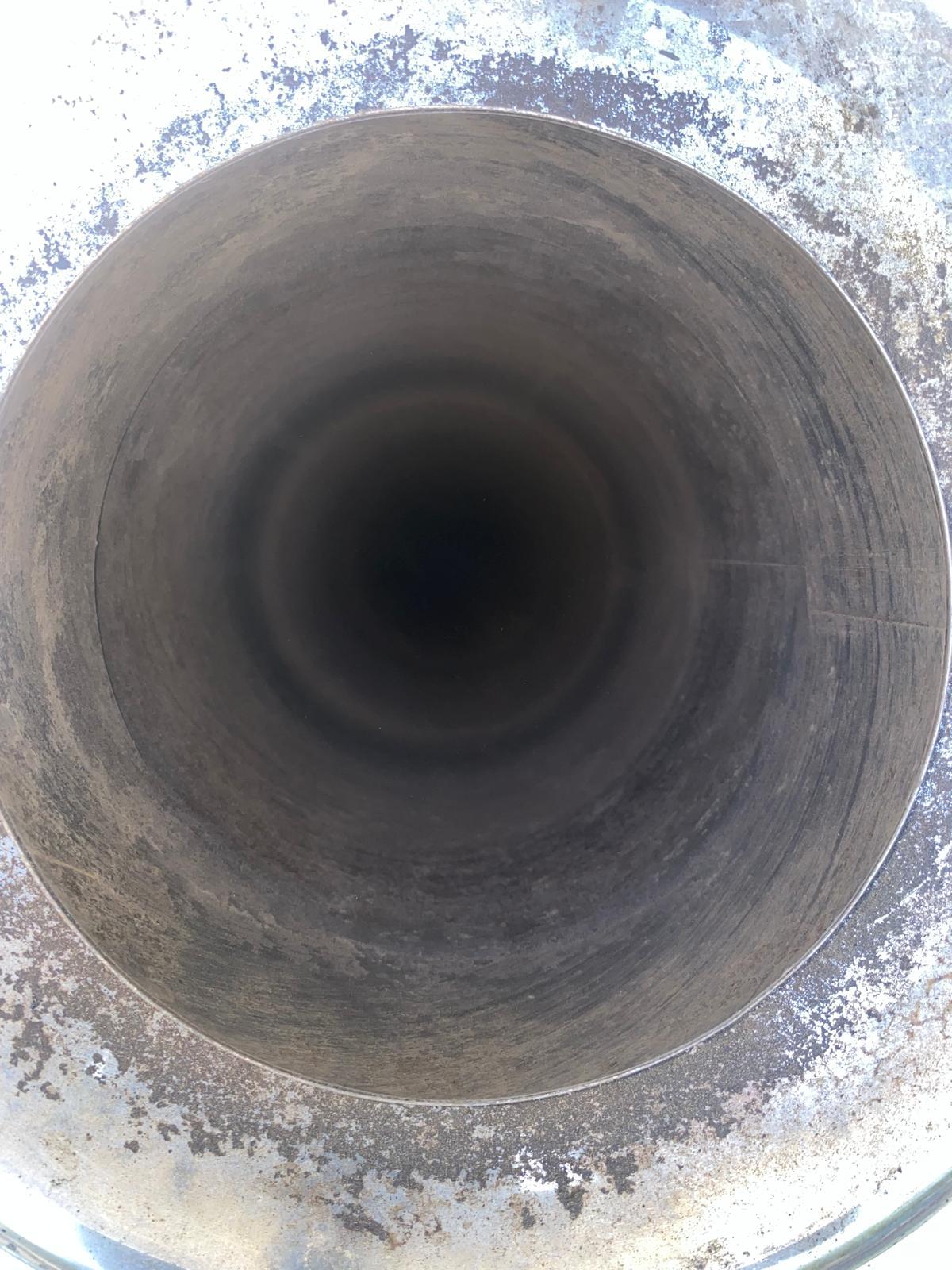
- Flue Liner: An intact liner is crucial for containing heat and corrosive byproducts. Water intrusion can weaken older clay tile liners, making them prone to cracking, which then becomes a severe fire and carbon monoxide risk.
Weatherproofing Your Chimney: Proactive Measures
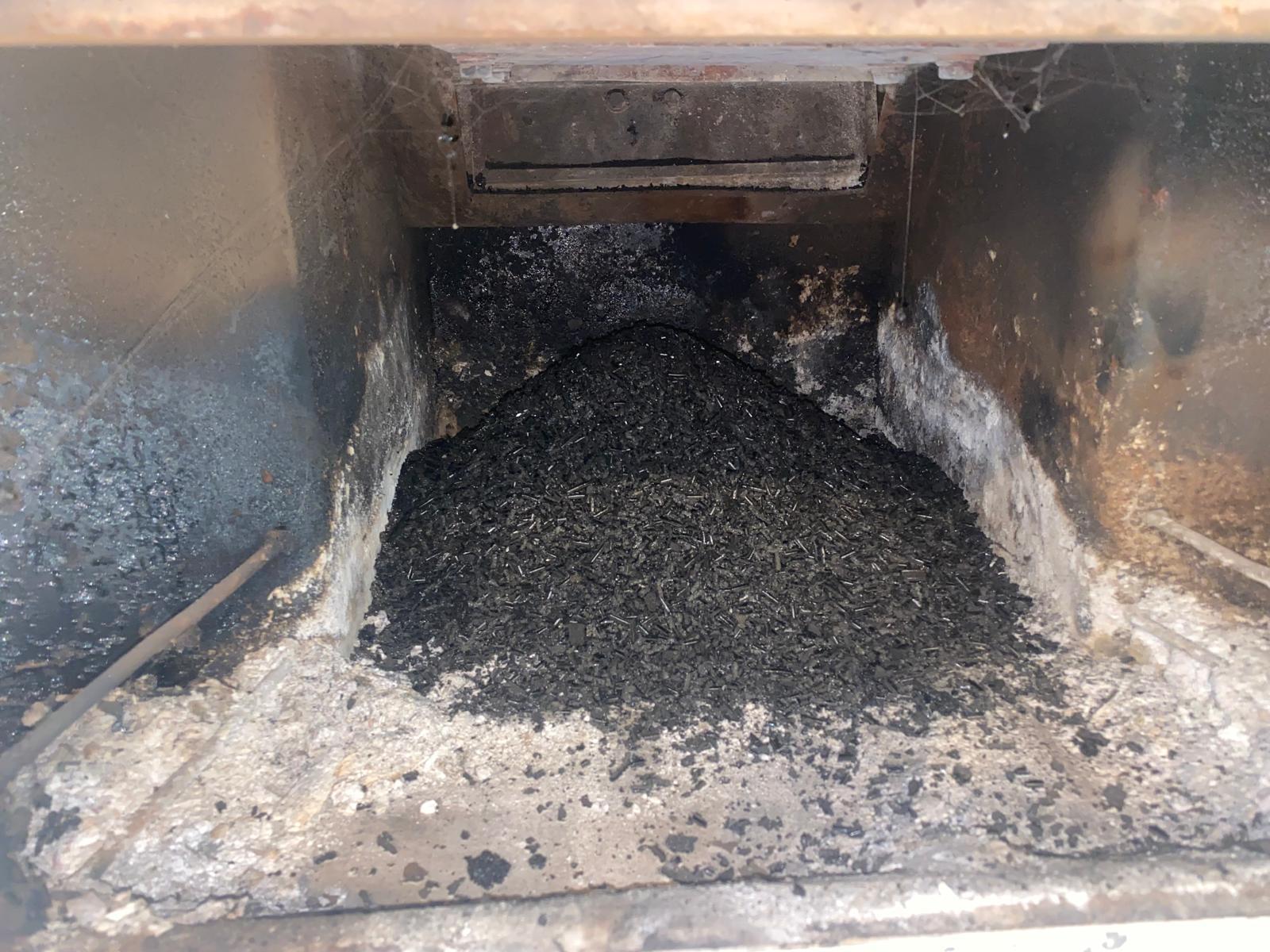
Once identified, vulnerabilities must be addressed with targeted weatherproofing solutions. Applying a breathable waterproofing sealant to the exterior masonry can significantly reduce moisture absorption without trapping existing moisture. Repairing or replacing damaged chimney crowns, sealing cracks, and ensuring flashing is securely installed are paramount. For optimal protection, investing in a sturdy, animal-proof chimney cap will not only prevent water ingress but also keep out debris and wildlife. Beyond structural integrity, regular creosote removal services are a non-negotiable part of chimney maintenance. Creosote, a highly flammable byproduct of combustion, can ignite if sparks escape a compromised flue, transforming a structural issue into a potentially devastating house fire. While DD Chimney Cleaning’s expert technicians are primarily available for chimney cleaning in Los Angeles, California, our insights extend nationwide. This expertise benefits homeowners concerned about everything from ensuring fireplace safety tips for regular use to protecting their systems in diverse climates, such as those relying on DD Chimney Cleaning in Dallas for maintenance against different weather challenges.
Post-Nor’easter Assessment: What to Look For
After a Nor’easter has passed, a quick visual inspection can provide initial clues about your chimney’s condition. Look for obvious signs of damage: a dislodged chimney cap, missing or spalled bricks, visible cracks, or loose flashing. Inside your home, check for water stains on ceilings or walls near the chimney or fireplace. However, much of the storm’s impact can be hidden from plain sight. This is why a professional post-storm inspection is critical, particularly if your area experienced significant wind, ice, or lightning. Don’t assume that if your fireplace still works, your chimney is safe. Internal flue damage or subtle structural shifts can go unnoticed, creating delayed hazards. Whether you’re in the path of a Nor’easter or dealing with the aftermath of any severe weather, understanding and mitigating these risks is key. Our experts, like those providing guidance on DD Chimney Cleaning in New York, emphasize that proactive checks save lives and costly repairs.
Frequently Asked Questions About Chimney Storm Preparedness
- Q: How often should my chimney be inspected in a region prone to Nor’easters?
A: Annually, typically before the heating season begins. A post-storm inspection is also highly recommended after any severe weather event. - Q: What’s the most common Nor’easter damage to chimneys?
A: Water penetration leading to spalling bricks, compromised mortar, and damaged flue liners. High winds can also dislodge caps and tear flashing. - Q: Can I waterproof my chimney myself?
A: While some DIY products exist, professional application ensures proper coverage and material compatibility. Improper waterproofing can trap moisture, causing more harm than good. - Q: Does DD Chimney Cleaning provide services in Boston?
A: While DD Chimney Cleaning primarily serves the Los Angeles, California area, we provide expert advice and resources like this guide to homeowners nationwide, leveraging our extensive experience in chimney cleaning and safety. - Q: How can I tell if my flue liner is damaged without an inspection?
A: You might notice excessive smoke in your home, a strong odor coming from the fireplace, or visible cracks in the firebox. However