Q: Once Upon a Time… Why Did Chimneys Start Cracking Under Pressure?
Back in the day, when folks first started building hearths and chimneys, they probably weren’t thinking too much about the long-term effects of a scorching Texas sun. They just wanted to keep warm and cook their vittles! Fast forward to today, and our understanding of building materials, thermal dynamics, and local climates like San Antonio’s has grown significantly. We know now that chimneys, especially their exposed crowns and exteriors, are constantly battling Mother Nature’s elements – rain, wind, freezing temps, and yes, even the relentless, blazing sun. What seemed like a simple, sturdy structure can actually be quite delicate, prone to cracking and deterioration when exposed to extreme heat and UV radiation for years on end. It’s like asking a brick to get a suntan every day without moisturizer – eventually, it’s going to get a little crispy!
Q: What’s the Big Deal with San Antonio Sun Anyway? It’s Just Sunshine, Right?
Oh, you sweet summer child! If you live in the Alamo City, you know it’s a bit more than “just sunshine.” San Antonio basks in an average of 220 sunny days per year, with summer temperatures regularly soaring past 90°F, sometimes even kissing the triple-digit mark. That’s a lot of solar radiation hammering down on your home, and your chimney often bears the brunt of it. Think about your roof in neighborhoods like Alamo Heights or Stone Oak – it’s constantly absorbing heat, and so is your chimney structure, from the flue liner to the exterior bricks. This isn’t just about discomfort; it’s about physics and how materials react to prolonged, intense heat and UV exposure.
Q: How Does the Sun Turn My Chimney Into a Cracker?
It’s not magic; it’s science, folks! Your chimney, whether it’s made of brick, stone, or stucco, is susceptible to what we call thermal expansion and contraction. During those sizzling San Antonio days, your chimney materials expand. Then, as the sun sets and temperatures drop (even if only slightly), they contract. Repeat this cycle thousands of times over years, and microscopic stress cracks begin to form. It’s like bending a paperclip back and forth until it breaks. Additionally, the sun’s UV rays mercilessly attack the mortar joints, breaking down their binders and causing them to degrade and crumble. A recent study by the National Institute of Building Sciences noted that temperature fluctuations are a significant contributor to material fatigue in masonry structures. Without proper care, those tiny cracks can become major pathways for moisture, leading to even bigger headaches down the road. This is why expert chimney cleaning from a company like DD Chimney Cleaning emphasizes not just the interior, but also the structural integrity of your entire chimney system.
Q: What Are the Sneaky Signs of Sun Damage on My Chimney?
You don’t need X-ray vision to spot sun damage, but you do need a keen eye (or a professional, hint hint!). Here’s what to look for without climbing on your roof (please don’t, unless you’re a pro!):
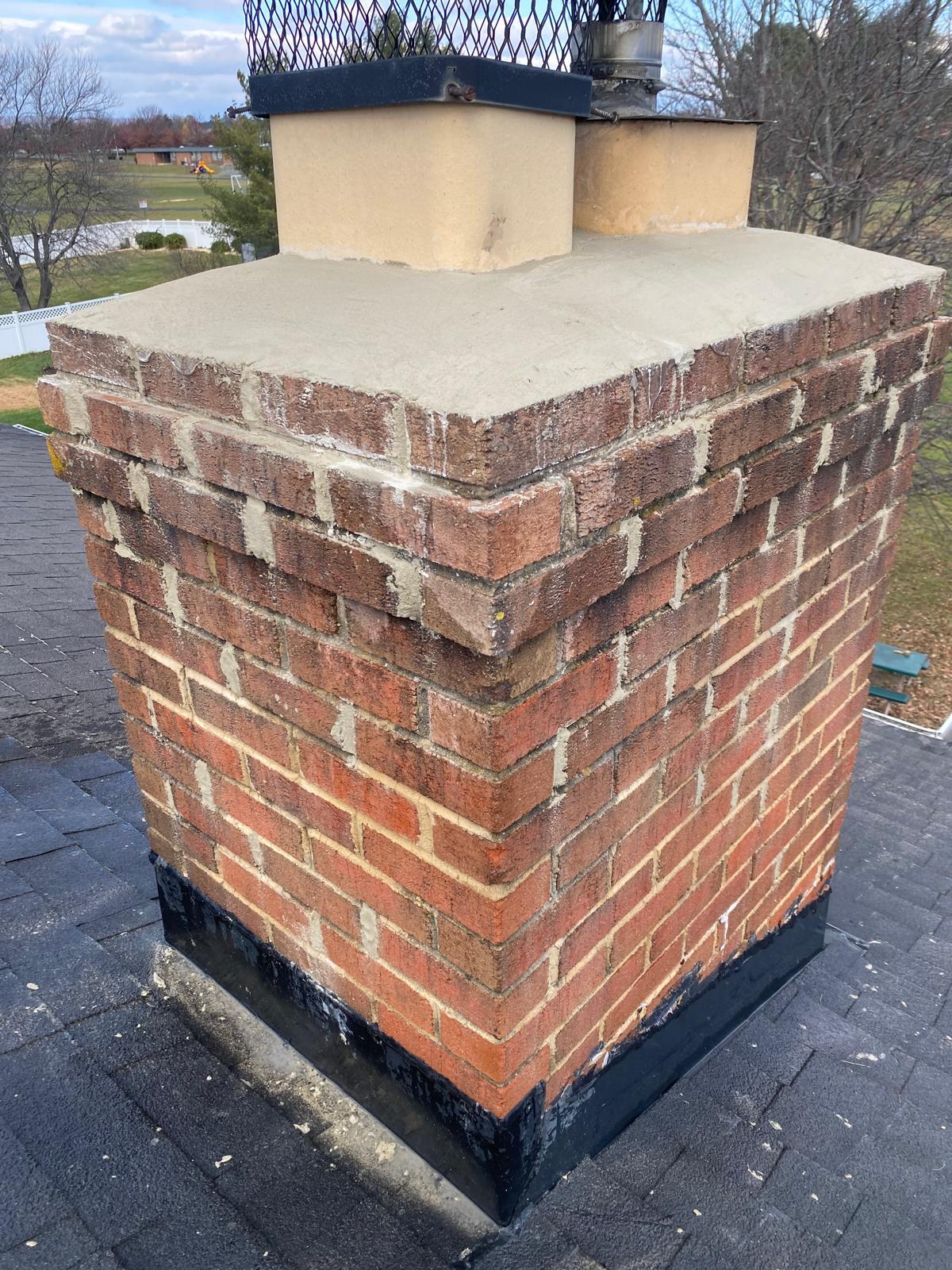
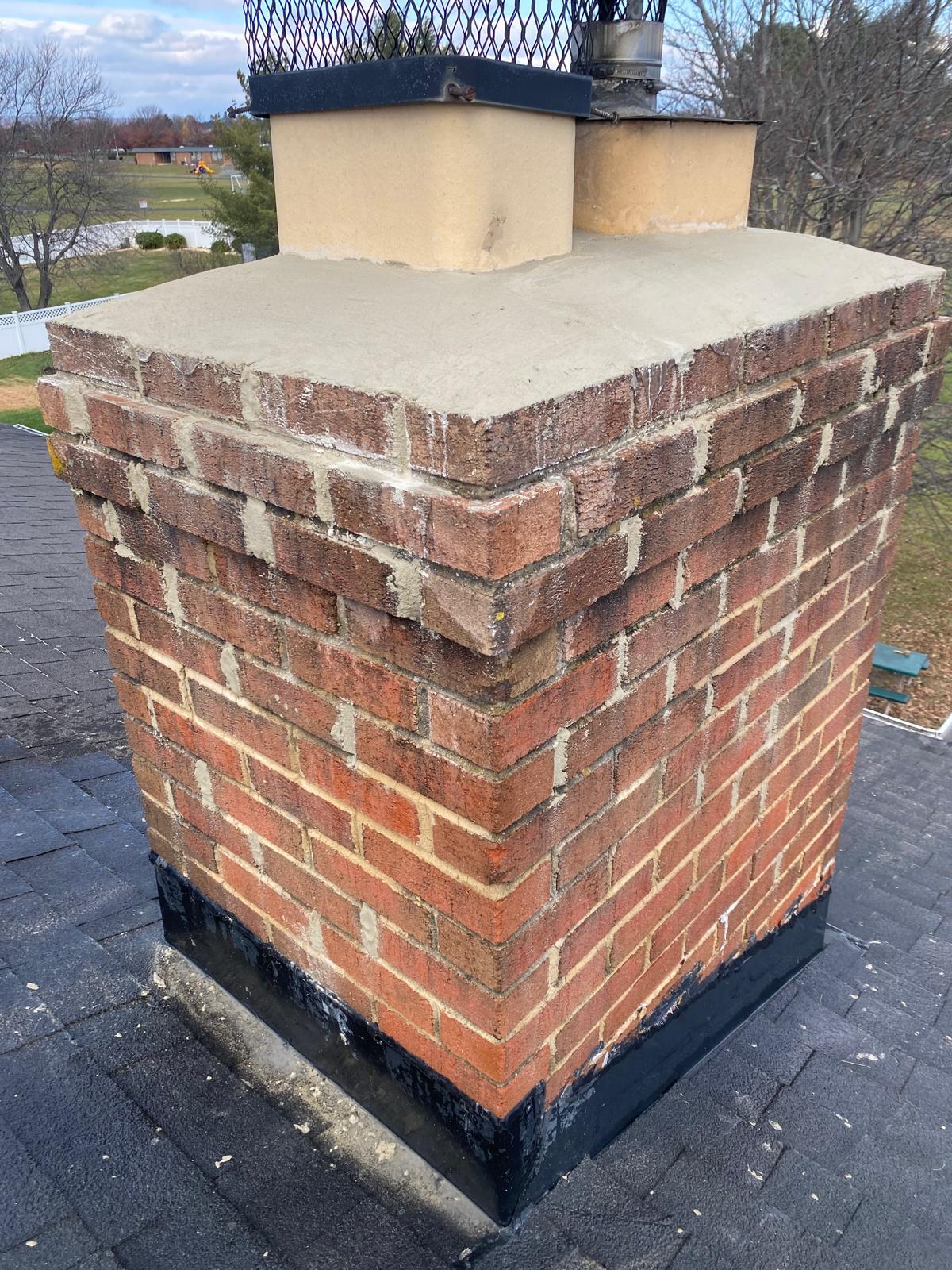
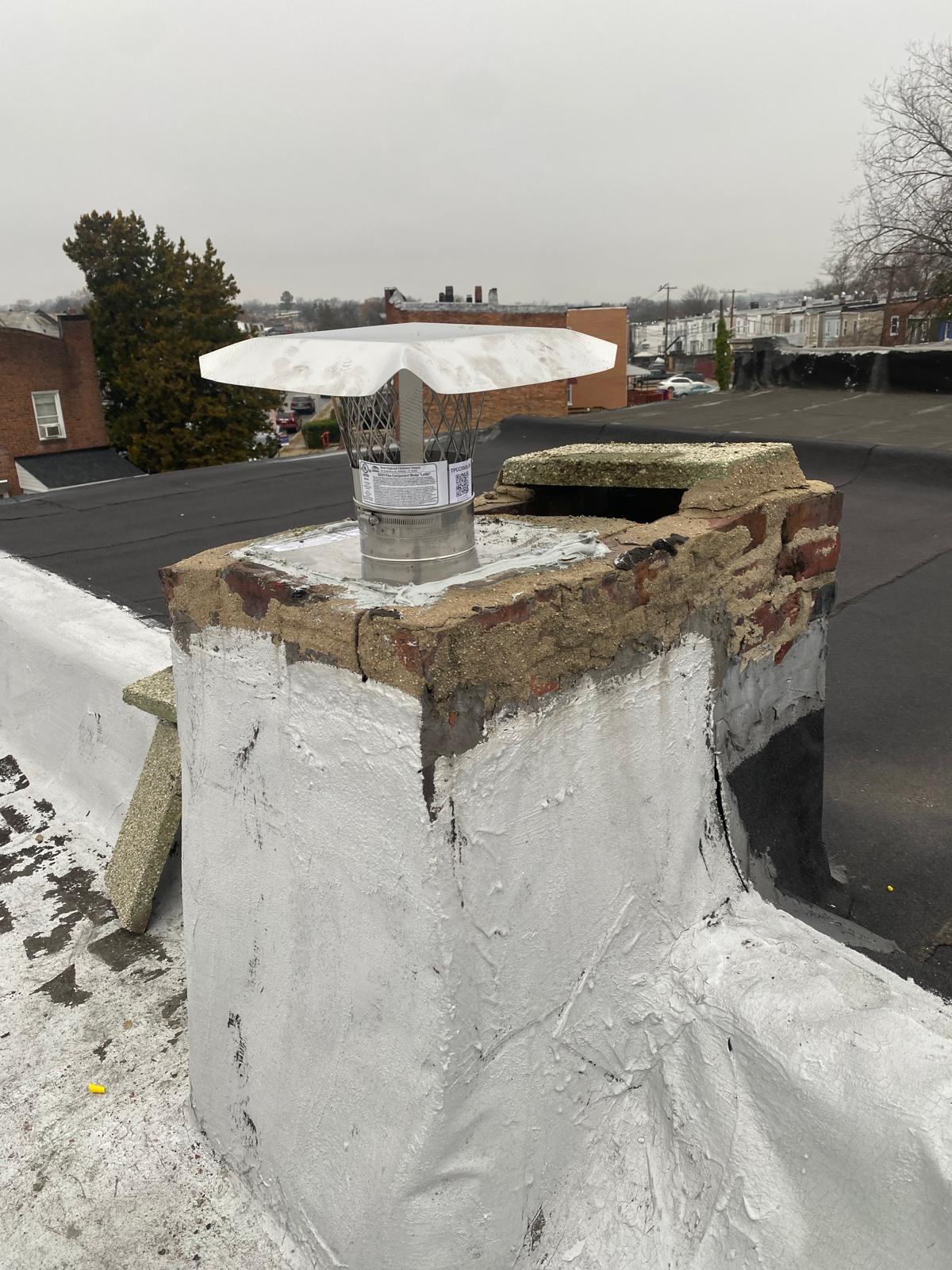
- Hairline Cracks: Look for tiny spiderweb cracks on the chimney crown or along the brickwork, especially on the sunny side. These are often the first tell-tale signs.
- Spalling Bricks: This is when the face of bricks starts to peel, flake, or pop off. It looks like your chimney has a bad case of sunburn peeling.
- Mortar Deterioration: The mortar between your bricks might appear sandy, powdery, or start crumbling out. This is a common result of UV degradation.
- Discoloration or Fading: While less structurally critical, fading or uneven discoloration can indicate significant UV exposure.
- Loose or Missing Chimney Cap: High winds, often exacerbated by a compromised structure due to heat, can dislodge caps, leaving the flue vulnerable.
If you spot any of these issues while admiring the skyline from your backyard in neighborhoods like The Dominion or Shavano Park, it might be time for a professional to assess the situation. For a thorough check of your chimney’s exterior and interior health, consider reaching out to the experts. You can even find reliable pros, like DD Chimney Cleaning in San Antonio, who understand the unique challenges of local climates.
Q: Can I Really “Sunscreen” My Chimney? Practical Protection Tips!
While you can’t slather SPF 50 on your chimney, there are indeed practical ways to protect it from the relentless sun. Think of it as preventative maintenance that helps avoid costly repairs down the line:
- Chimney Cap & Crown Maintenance: A sturdy, well-maintained chimney crown is your chimney’s first line of defense against the elements, including direct sun and rain. Ensure it’s not cracked and extends slightly beyond the chimney walls. A proper chimney cap prevents debris and animals from entering while also offering some shade to the flue opening.
- Waterproofing & Sealants: Specialty sealants designed for masonry can create a protective barrier, reducing water absorption (which can freeze and expand cracks in winter) and UV degradation. Make sure it’s breathable to prevent moisture entrapment.
- Regular Inspections: The absolute best defense is a good offense. Regular chimney inspections by a certified professional are crucial. They can spot tiny problems before they become massive, expensive ones. For instance, the pros at DD Chimney Cleaning know exactly what to look for when dealing with San Antonio’s specific weather challenges.
- Strategic Landscaping: While not always feasible for the chimney itself, strategic tree planting can offer some partial shade to the chimney structure, reducing direct sun exposure over the hottest parts of the day. Just ensure trees are not too close, as branches can cause other problems.
These proactive steps not only protect your chimney from sun damage but also contribute to its overall longevity and safe operation. Remember, even if you’re looking for