One of the most common oversights homeowners make, especially those with cherished historic properties, is underestimating the relentless, often invisible, forces that work against their chimney’s structural integrity. While visible cracks and leaning stacks are obvious concerns, a far more insidious threat exists: wind uplift damage. For homeowners in windy cities, where structures are battered by powerful gusts and shifting air currents, this isn’t just a hypothetical problem – it’s an emergency preparedness imperative that demands proactive attention.
The Unseen Threat: Why Wind Uplift Damages Historic Chimneys
Historic chimneys, particularly those crafted from Chicago brick, possess a unique charm and historical significance, but also inherent vulnerabilities to environmental stressors. Unlike their modern counterparts often integrated into building frames, many older chimneys stand as independent structures, tall and exposed. They act like sails in a strong breeze, bearing the brunt of wind pressure from all directions. The cumulative stress from continuous wind exposure, particularly during powerful weather events common in certain regions, can lead to masonry degradation and significant structural damage over time.
The Anatomy of Vulnerability in Chicago Brick
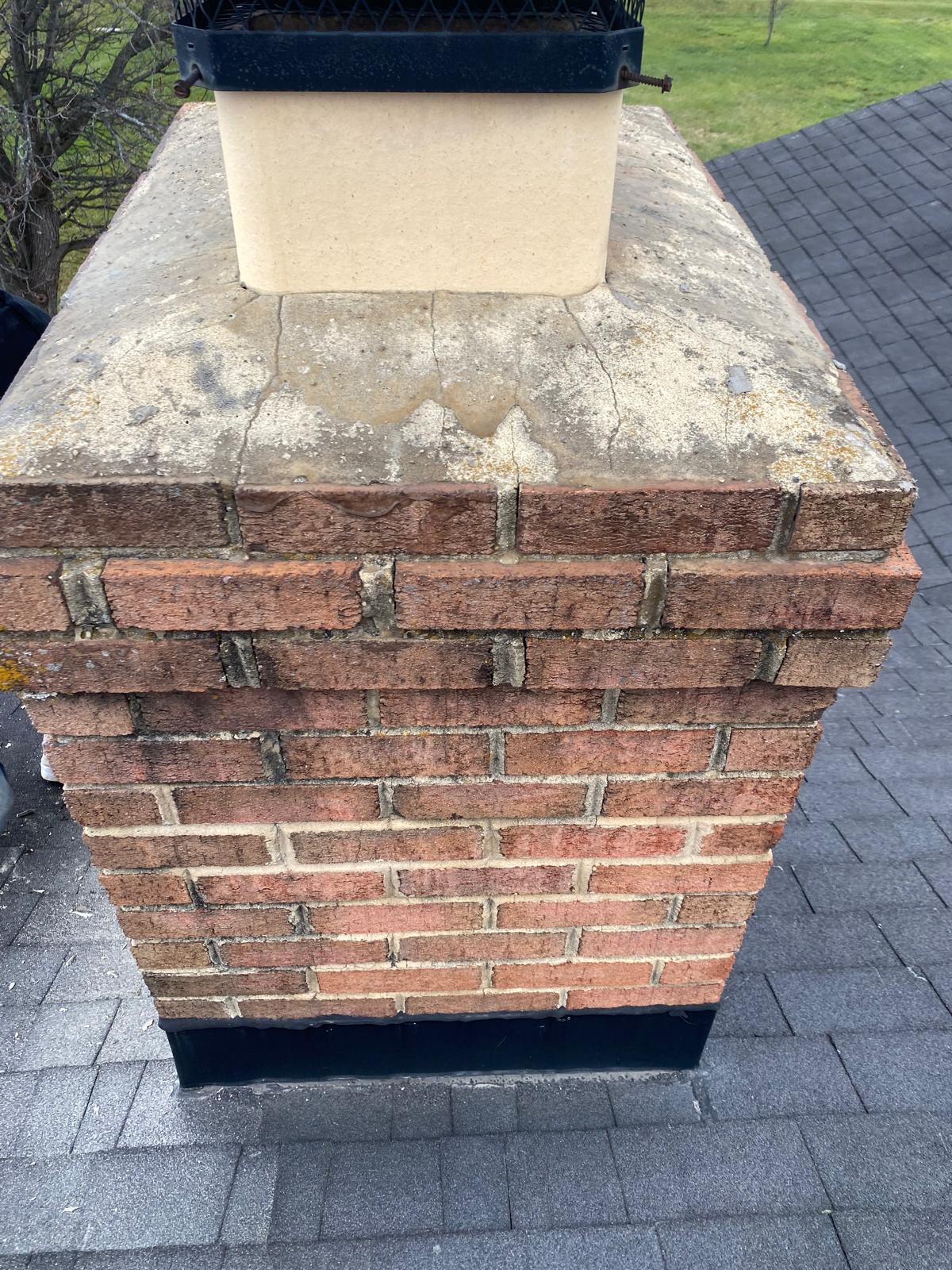
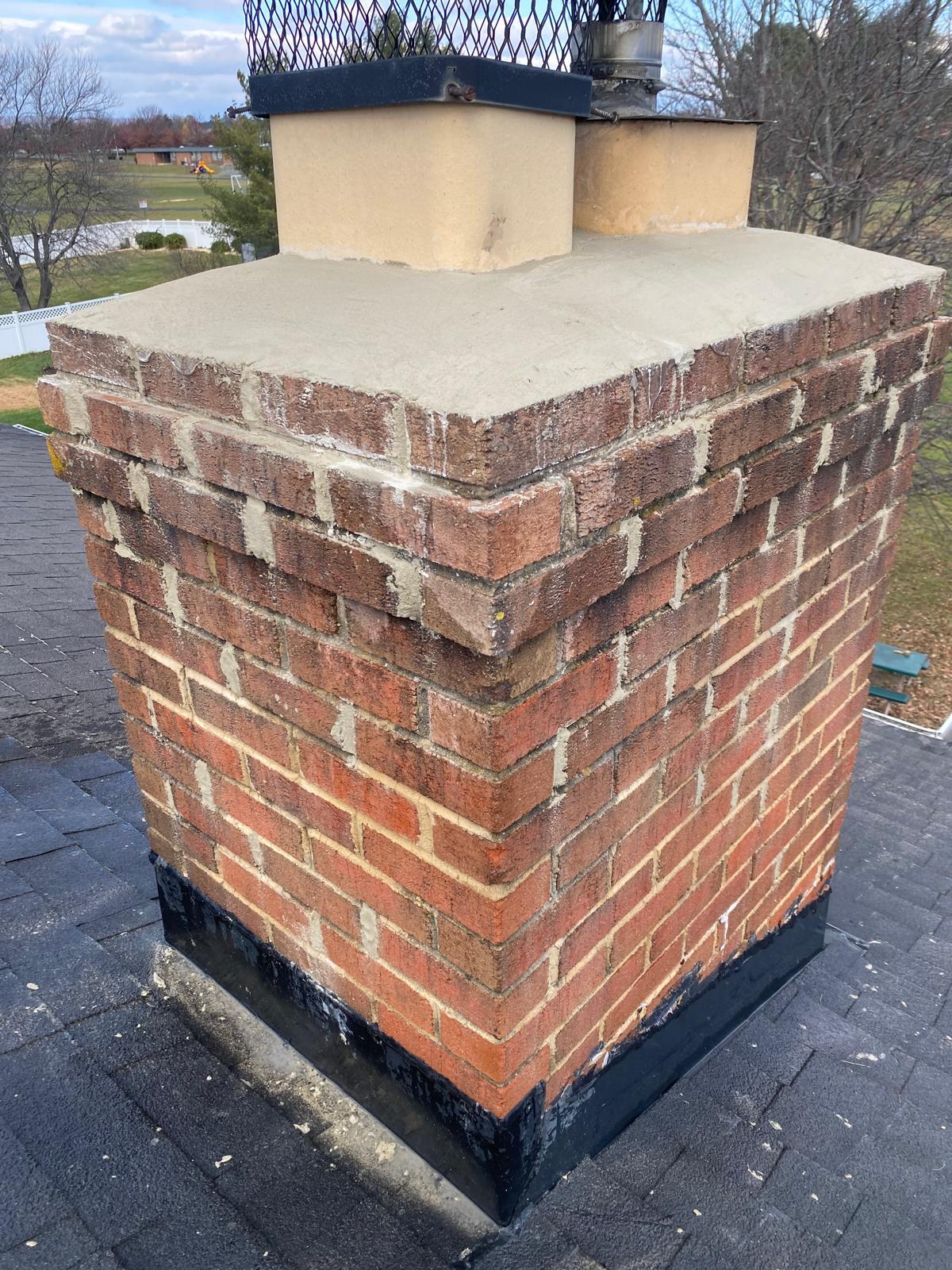
Chicago brick, known for its distinct character, typically means an older installation, which implies mortar joints that may be decades old. Over time, these mortar joints naturally degrade due to thermal expansion and contraction, moisture intrusion, and chemical weathering. A weakened mortar joint is the Achilles’ heel in a high-wind scenario. Once the mortar begins to crumble, even slightly, the integrity of the entire chimney flue system is compromised. The historic charm is no match for physics when faced with sustained winds. This is a common challenge we, at DD Chimney Cleaning, often address in our professional assessments, even if our primary service area is Los Angeles.
Cracking the Code: The Science of Wind Pressure
Understanding wind uplift isn’t just about how hard the wind blows; it’s about aerodynamics. Wind flowing over and around a chimney creates differential pressure. The windward side experiences positive pressure (pushing inward), while the leeward side and, crucially, the sides and top can experience negative pressure (suction, pulling outward). This “uplift” can literally try to pull components of the chimney apart, brick by brick. Research from structural engineering groups indicates that wind forces on tall structures can create dynamic pressures exceeding 50 pounds per square foot in extreme gusts, a force few aging masonry structures are built to withstand without proper maintenance and reinforcement. Addressing these forces is paramount for ensuring long-term chimney health and safety.
Proactive Measures: Fortifying Your Chimney Against the Elements
The key to protecting a historic Chicago brick chimney from wind uplift damage lies in vigilance and professional intervention. This isn’t a task for DIY enthusiasts; the safety implications are too great. Regular, expert chimney maintenance is the cornerstone of emergency preparedness.
The Critical Role of Regular Professional Inspection
A comprehensive chimney inspection goes beyond a simple visual check. Experts like DD Chimney Cleaning use advanced tools, including internal cameras, to assess the condition of flue liners, mortar joints, and the overall masonry from top to bottom. For older homes, especially in areas with significant weather variations, we recommend an annual Level 2 inspection. This type of inspection is more in-depth and is crucial for identifying subtle signs of deterioration that could escalate into major wind damage risks. These thorough assessments are essential for protecting structures, whether it’s a home here in Los Angeles or understanding specific regional needs in cities like Pittsburgh.
Identifying Early Warning Signs
Homeowners should be aware of telltale signs of potential wind damage. These include:
- Spalling Bricks: Bricks that are flaking or crumbling indicate moisture intrusion and freeze-thaw cycles, weakening the masonry.
- Cracked Mortar Joints: Even hairline cracks can allow water in, leading to further decay and making the chimney more susceptible to wind stress.
- Leaning or Shifting: Any noticeable lean, however slight, suggests foundational issues or structural compromise.
- Debris in the Fireplace: Mortar chunks or brick fragments in the firebox or around the chimney base are a clear warning sign.
- Missing Chimney Cap: A missing or damaged chimney cap exposes the flue to the elements, accelerating deterioration.
Catching these issues early is critical for preventative maintenance, similar to how we advocate for comprehensive chimney cleaning services to prevent creosote buildup.
Emergency Preparedness: What to Do Before and After a Storm
Being prepared for severe weather can minimize damage and ensure safety. A pre-storm checklist and a clear post-storm assessment plan are invaluable for any homeowner. Speaking of home maintenance, read more here provides top-quality electrical.
Pre-Storm Checklist for Chimney Safety
Before a predicted high-wind event, homeowners should perform a quick visual check. Look for any loose debris on the roof near the chimney, ensure the chimney cap is secure, and note any existing visible cracks. While DD Chimney Cleaning, serving the Los Angeles area, emphasizes regular professional inspections as the ultimate preventative measure, these quick checks offer immediate peace of mind. If you suspect any vulnerabilities, do not hesitate to contact a professional for an immediate assessment. Your chimney’s structural integrity relies on timely intervention, which our team at DD Chimney Cleaning provides throughout LA, contactable at (833) 339-6803.
Post-Storm Assessment and Immediate Steps
After a significant windstorm, conduct a visual inspection from the ground. Look for:
- Dislodged bricks or cap.
- New or expanded cracks in the masonry.
- Debris in the yard originating from the chimney.
- Any visible lean or shift in the chimney structure.
If you notice any damage, however minor, keep everyone away from the fireplace and chimney area. Contact a certified chimney professional immediately. Never attempt to repair or inspect a damaged chimney yourself, especially if it involves working at heights. The immediate priority is safety, followed by a professional evaluation to assess the full extent of the damage and implement appropriate repairs.
The DD Chimney Cleaning Approach to Longevity
While our expertise lies in comprehensive chimney cleaning in Los Angeles, our understanding of chimney dynamics and structural health is universal. We approach every cleaning as an opportunity to observe and inform homeowners about their chimney’s overall condition, including potential risks like wind uplift vulnerability. Our professionals are trained not only in soot and creosote removal but also in identifying early signs of masonry deterioration, water intrusion, and structural weaknesses that could lead to significant issues during severe weather. We believe that a clean flue and a sound structure go hand in hand for ultimate chimney safety and longevity, helping prevent hazards like chimney fires.
Frequently Asked Questions About Chimney Wind Damage
- Q1: Can strong winds actually collapse a chimney?
- A: Yes, particularly older, unmaintained masonry chimneys with weakened mortar joints are highly susceptible to partial or full collapse during severe windstorms. The forces exerted can be immense.
- Q2: What is the average lifespan of a well-maintained chimney?
- A: With proper, consistent maintenance, including regular cleaning and minor repairs, a masonry chimney can last 50-100 years or more. Neglect significantly reduces this.
- Q3: Does homeowner’s insurance cover wind damage to chimneys?
- A: Most standard homeowner’s insurance policies cover sudden and accidental damage from windstorms. However, damage resulting from long-term neglect or pre-existing deterioration might not be covered. Always check your policy.
- Q4: How often should I have my chimney professionally inspected for structural integrity?
- A: The Chimney Safety Institute of America (CSIA) recommends annual inspections for all chimneys, regardless of usage. For historic homes or those in high-wind areas, a Level 2 inspection annually is advisable.
- Q5: Can a chimney cap help protect against wind damage?
- A: A properly installed, sturdy chimney cap primarily protects against moisture, animal intrusion, and debris. While it doesn’t prevent structural wind uplift on the main stack, it secures the flue opening and prevents internal damage from wind-driven rain and strong downdrafts.
Protecting your historic chimney from wind uplift is not merely about preserving aesthetics; it’s about ensuring the safety of your home and family. The expert team at DD Chimney Cleaning understands the complexities of chimney health, offering professional, thorough chimney cleaning services to Los Angeles homeowners. Don’t wait for a storm to expose vulnerabilities. Be proactive. For peace of mind and the continued safety of your home, schedule your professional chimney cleaning and inspection today. Call DD Chimney Cleaning at (833) 339-6803 – your trusted partner in chimney safety.