Imagine settling down for a relaxing evening in your beautiful Los Angeles home, perhaps nestled in the Hollywood Hills or overlooking the valley from Encino. A crackling fire glows warmly in your fireplace, chasing away the rare chill. Suddenly, an unsettling thought creeps in: what if sparks from your chimney ignite the dry leaves on your roof? What if a stray ember lands on a nearby dry bush, especially during our notoriously dry Santa Ana wind seasons? The risk of fire, particularly in a region like Southern California where wildfires are a constant concern, is a genuine and relatable fear for any homeowner.
This isn’t just a hypothetical nightmare; chimney fires can cause extensive and costly damage to your roof, attic, and even lead to catastrophic house fires. But what if we told you there’s a simple, yet incredibly effective, device designed to be your roof’s first line of defense against this very threat? As your dedicated experts at DD Chimney Cleaning, we’re here to demystify the unsung hero of chimney safety: the spark arrestor. Consider this your essential guide to understanding, maintaining, and leveraging this critical component to safeguard your home.
Understanding The Threat: Chimney Fire Risks to Your Roof
Chimney fires are a more common occurrence than many Angelenos realize. The primary culprit is creosote, a highly flammable byproduct of wood combustion that accumulates in your chimney flue. When conditions are just right – often involving an uncleaned chimney and a robust fire – this creosote can ignite. The National Fire Protection Association (NFPA) reports that chimney fires are responsible for a significant number of residential fires annually, with many originating from neglected flues.
When creosote ignites, the super-heated air and flames inside your chimney can expel fiery embers, ash, and sparks out of the chimney top. These glowing projectiles can then land on your roof, particularly on vulnerable areas like shingles, gutters filled with leaves, or even nearby foliage. Given Los Angeles’s dry climate and susceptibility to strong winds, these airborne embers pose an elevated risk, turning a cozy evening into a potential disaster. Protecting your roof isn’t just about shingles; it’s about comprehensive chimney safety.
What is a Spark Arrestor and Why is it Essential for LA Homes?
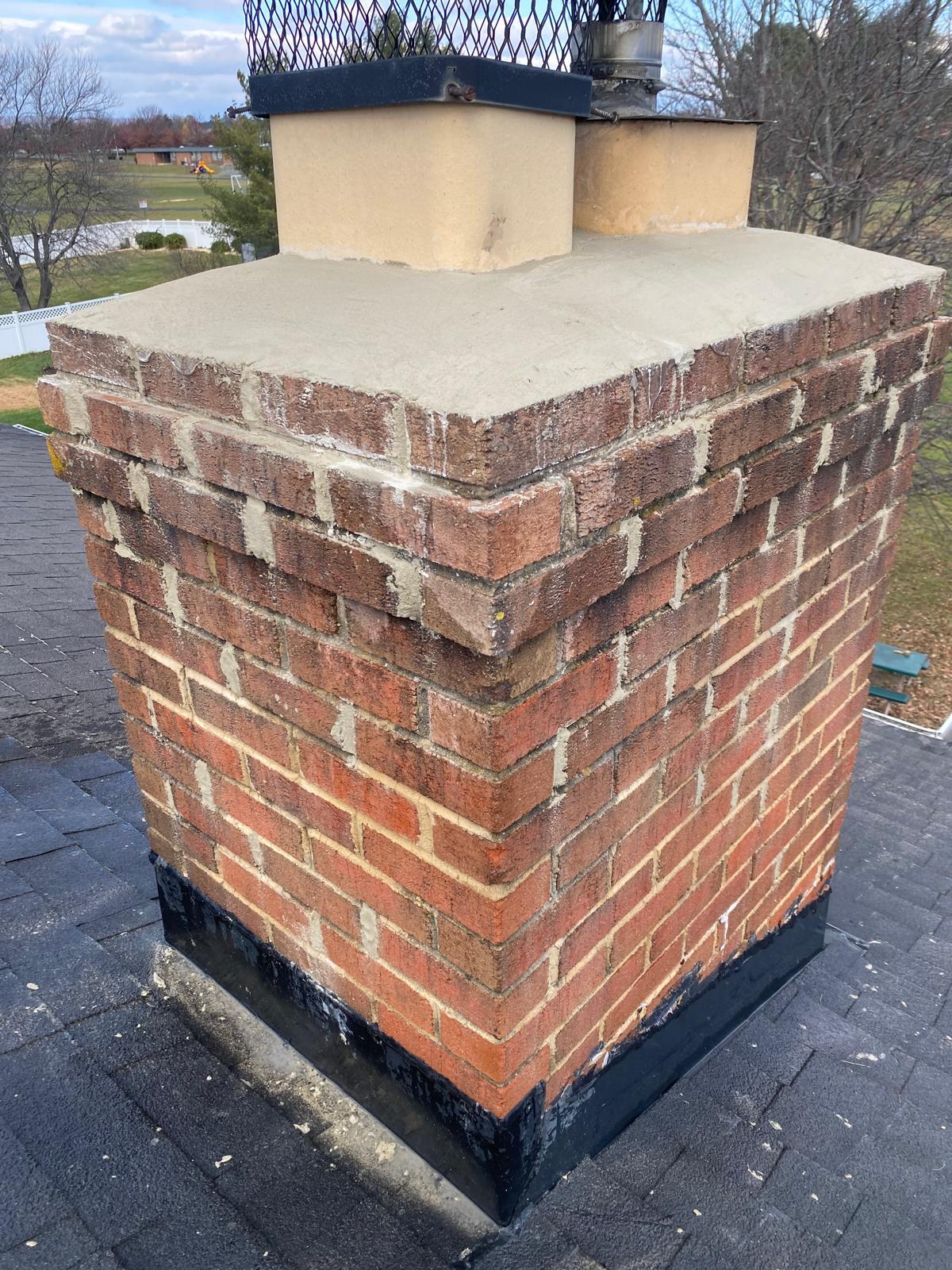
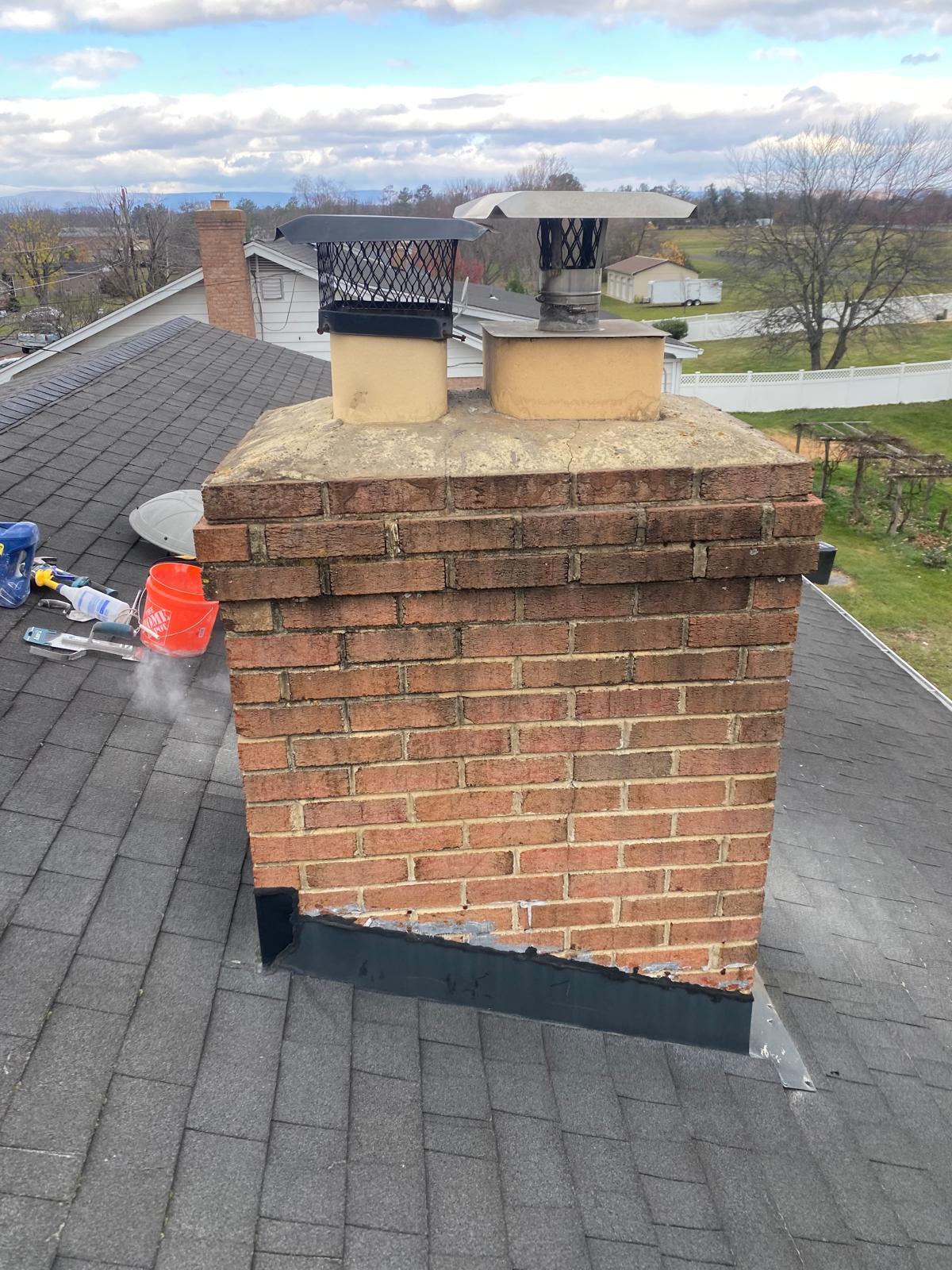
So, what exactly is this vital device? A spark arrestor is a mesh or screen cap installed at the very top of your chimney, above the flue opening. Its design allows smoke and exhaust gases to escape freely, but critically, it prevents larger, incandescent embers and sparks from exiting the chimney and potentially igniting flammable materials on your roof or surroundings. Think of it as a crucial sieve, catching any fiery debris before it can cause harm.
For homes across Los Angeles, from the suburban streets of Pasadena to the sprawling estates of Bel Air, spark arrestors are not just a good idea; they are often a code requirement due to the high fire risk in California. Many local building codes mandate their presence, especially in fire-prone areas. Their importance cannot be overstated, acting as an essential barrier between a potential internal chimney fire and your external property.
How Spark Arrestors Work: A Closer Look at Prevention
The mechanism of a spark arrestor is quite straightforward, yet incredibly effective. As smoke and gases rise through your chimney, they pass through the fine mesh or wire screen of the spark arrestor. Any hot embers, pieces of burning creosote, or ash that are too large to pass through the screen are contained within the chimney cap, eventually cooling and settling back down into the firebox or collecting in the cap itself. This simple physical barrier dramatically reduces the chances of a roof or property fire.
It’s important to note that while they are incredibly effective, spark arrestors are one component of a larger fire prevention strategy. They work in tandem with regular chimney cleaning and inspections to minimize the risk of fire. Even if you have a spark arrestor, a heavily creosote-laden chimney can still experience a fire, and the intense heat can even damage the arrestor itself. Our commitment to fire safety extends across the nation, whether you’re engaging with DD Chimney Cleaning in New York or seeking services in sunny Southern California.
Maintenance and Inspection: Ensuring Your Spark Arrestor is Ready
Like any component exposed to the elements and the rigors of your fireplace, spark arrestors require regular attention. They can become clogged with creosote, soot, bird nests, or other debris, which can restrict airflow and hinder the chimney’s ability to vent properly. A clogged spark arrestor is not only ineffective at preventing sparks but can also cause smoke to back up into your home – a serious health hazard.
Here’s how to ensure your spark arrestor is always performing its best:
- Annual Visual Checks: From the ground, if possible and safe, periodically inspect your chimney cap for obvious damage or blockage.
- Professional Inspection & Cleaning: This is where DD Chimney Cleaning comes in. As part of our comprehensive chimney cleaning services, we meticulously inspect your spark arrestor and chimney cap. We look for:
- Holes, tears, or bent mesh that could allow sparks to escape.
- Heavy creosote or debris buildup that restricts airflow.
- Rust or corrosion that compromises the structural integrity.
- Proper attachment to the chimney flue.
We recommend annual professional chimney cleaning and inspection for anyone who uses their fireplace regularly. This ensures that not only your spark arrestor is clean and intact, but your entire flue system is free from dangerous creosote buildup.
When to Call the Professionals: Your Guide to Expert Chimney Care
While a quick visual check can be helpful, scaling your roof to inspect and clean a spark arrestor is a task best left to certified professionals. Roofs can be slippery and dangerous, and assessing the condition of your chimney and spark arrestor requires trained eyes and specialized equipment. Attempting DIY solutions can lead to injury or improper maintenance, leaving your home vulnerable.
If you suspect damage, notice excessive smoke entering your home, or simply haven’t had your chimney inspected in over a year, it’s time to call DD Chimney Cleaning. We provide thorough, reliable chimney cleaning and inspection services throughout Los Angeles, ensuring your spark arrestor and entire chimney system are in optimal condition. The demand for professional chimney maintenance is high, not just here in Los Angeles, but in other bustling cities, much like the needs for DD Chimney Cleaning in Dallas. Our experienced technicians understand the unique challenges of Los Angeles homes and are equipped to keep your fireplace safe and efficient. Don’t wait for a problem to arise; proactive maintenance is your best defense. You can reach us directly at (833) 339-6803.
Your Questions Answered: Spark Arrestors FAQ
We know you might have more questions about spark arrestors and chimney safety. Here are some common inquiries:
- Q: Is a spark arrestor the same as a chimney cap?
A: Not exactly. A spark arrestor is typically a component *of* a chimney cap. A chimney cap often includes a rain cover to prevent water entry and a mesh screen that acts as the spark arrestor. Some spark arrestors are standalone components, but most are integrated into a cap. - Q: How often should I have my spark arrestor inspected?
A: At least once a year, as part of your annual chimney cleaning and inspection. If you use your fireplace frequently or live in a high-wind area, more frequent checks by DD Chimney Cleaning may be advisable. - Q: Can I install a spark arrestor myself?
A: We strongly advise against DIY installation. It requires working at heights, correctly sizing the arrestor, and ensuring a secure, code-compliant fit. Professional installation ensures safety and effectiveness. - Q: What are the signs my spark arrestor needs attention?
A: Visible damage to the cap or screen, excessive smoke backing into your home, difficulty drawing air through the chimney, or unusual debris on your roof around the chimney could all indicate an issue. - Q: Do all chimneys need a spark arrestor?
A: While not every single code mandates them everywhere, they are highly recommended for all wood-burning chimneys, especially in fire-prone regions like Los Angeles. They significantly reduce fire risk. - Q: Can a spark arrestor get clogged?
A: Yes, unfortunately. Creosote, soot, leaves, bird nests, and other debris can accumulate in the mesh, reducing its effectiveness and potentially causing smoke to build up. This is why regular cleaning is essential.
Protect Your Home with DD Chimney Cleaning
Don’t leave your roof’s safety to chance. A functional spark arrestor, combined with regular professional chimney cleaning, is an indispensable part of comprehensive fire prevention for any Los Angeles homeowner. At DD Chimney Cleaning, we are committed to helping you enjoy your