Recognizing and Recovering from a Chimney Fire in Your Home
Many homeowners believe a roaring, vibrant fire in their fireplace is the quintessential symbol of warmth and comfort, especially on a chilly evening in Richmond, VA. They couldn’t be more wrong. Sometimes, that comforting roar isn’t just the sound of burning logs; it’s the insidious crackle and rumble of a chimney fire igniting within your flue, a far more common and perilous occurrence than most people realize. This silent destroyer can quickly turn your hearth into a hazard, threatening not just your home but the lives within it.
As dedicated chimney professionals serving the greater Richmond area, we at DD Chimney Cleaning encounter the aftermath of these destructive events far too often. Our goal with this ultimate guide is to arm you with the knowledge to identify a chimney fire, understand the critical steps to take if one occurs, and, most importantly, prevent it from ever happening. Because when it comes to your home’s safety, ignorance is anything but bliss.
Understanding the Threat: What Exactly is a Chimney Fire?
A chimney fire is, simply put, the combustion of accumulated creosote or soot within your chimney flue. Creosote is a highly flammable residue that forms when wood smoke condenses in cooler parts of your chimney. The type of wood you burn, how well it’s seasoned, and even your burning habits contribute to its build-up. There are three stages of creosote:
- Stage 1 (Light, Flaky): A dry, sooty powder that is relatively easy to brush away.
- Stage 2 (Tar-Like Deposits): A crispy or crunchy texture, often shiny, indicating more significant build-up.
- Stage 3 (Glazed/Hardened): A thick, tar-like substance that is extremely difficult to remove and highly flammable. This is the most dangerous form.
Most chimney fires occur when this creosote, particularly stage 2 or 3, ignites due to high temperatures from regular fires, poor draft, or improper burning techniques. The resulting blaze can reach temperatures exceeding 2,000 degrees Fahrenheit, hot enough to severely damage the chimney structure and potentially spread to combustible materials within your home’s walls or attic.
Recognizing the Red Flags: How to Spot a Chimney Fire
A chimney fire isn’t always a dramatic column of flames erupting from your rooftop. Sometimes, they are “slow-burning” or “fast-burning” and can manifest in various ways, some subtle, others undeniable. Knowing these signs is crucial for prompt action.
Subtle Indicators: The Unseen Dangers
- Unusual Odors: A strong, hot, tar-like smell or the distinct aroma of burning creosote emanating from the fireplace or even within your home.
- Excessive Smoke: More smoke than usual pouring into your living space, or dense, dark smoke billowing from the chimney top.
- Strange Noises: A low rumbling sound, resembling a freight train or jet engine, originating from inside the chimney. This indicates a significant blaze.
- Flashing or Glowing in the Flue: If you can look up into your chimney from the fireplace opening, you might see flames or sparks well above the firebox.
Obvious & Immediate Signs: When Danger is Undeniable
- Loud Roaring Sound: The most commonly reported sign, a very distinct and powerful roar.
- Vibrations: Shaking or rattling within the chimney structure, often noticeable on exterior walls.
- Flames from the Top: Visible flames or dense, fiery sparks shooting out of the chimney top.
- Hot Exterior Walls: The exterior of your chimney or nearby walls feeling unusually hot to the touch. This is an immediate sign of structural failure and extreme danger.
- Cracked Masonry: If you notice cracks or even puffing mortar on your chimney’s exterior after a suspected event, damage has likely occurred.
Immediate Action: What to Do if a Chimney Fire Occurs
Time is of the essence when confronting a chimney fire. Panic is your enemy; swift, decisive action is your best defense. Remember, your safety and the safety of your family always come first.
- Call 911 IMMEDIATELY: Do not hesitate. Inform them you suspect a chimney fire. Even if you think you have it under control, fire departments in Richmond have specialized equipment and training to assess and handle such situations safely.
- Close the Damper: If safe to do so, close the fireplace damper. This restricts oxygen flow to the fire, helping to starve it. Do not put yourself in harm’s way to do this.
- Close the Fireplace Doors: If your fireplace has glass doors, close them firmly to contain any sparks or flames trying to escape into your home.
- Remove Nearby Combustibles: Move any rugs, furniture, curtains, or decorations away from the fireplace opening.
- Evacuate if Necessary: If flames or smoke enter your living space, or if the exterior of your chimney becomes hot, evacuate your home immediately and wait for emergency services.
- NEVER Use Water: Do not throw water into the fireplace or on the fire. Water can cause extreme thermal shock to the hot masonry, potentially causing it to crack or explode, and could create a dangerous steam explosion.
- Alert Others: Make sure everyone in your home is aware of the situation.
The Road to Recovery: Assessing and Repairing Post-Fire Damage
After the immediate danger has passed and the fire department has given the all-clear, the real work of recovery begins. A chimney fire, even a seemingly minor one, can inflict severe and often hidden damage to your chimney system.
What Needs to be Inspected?
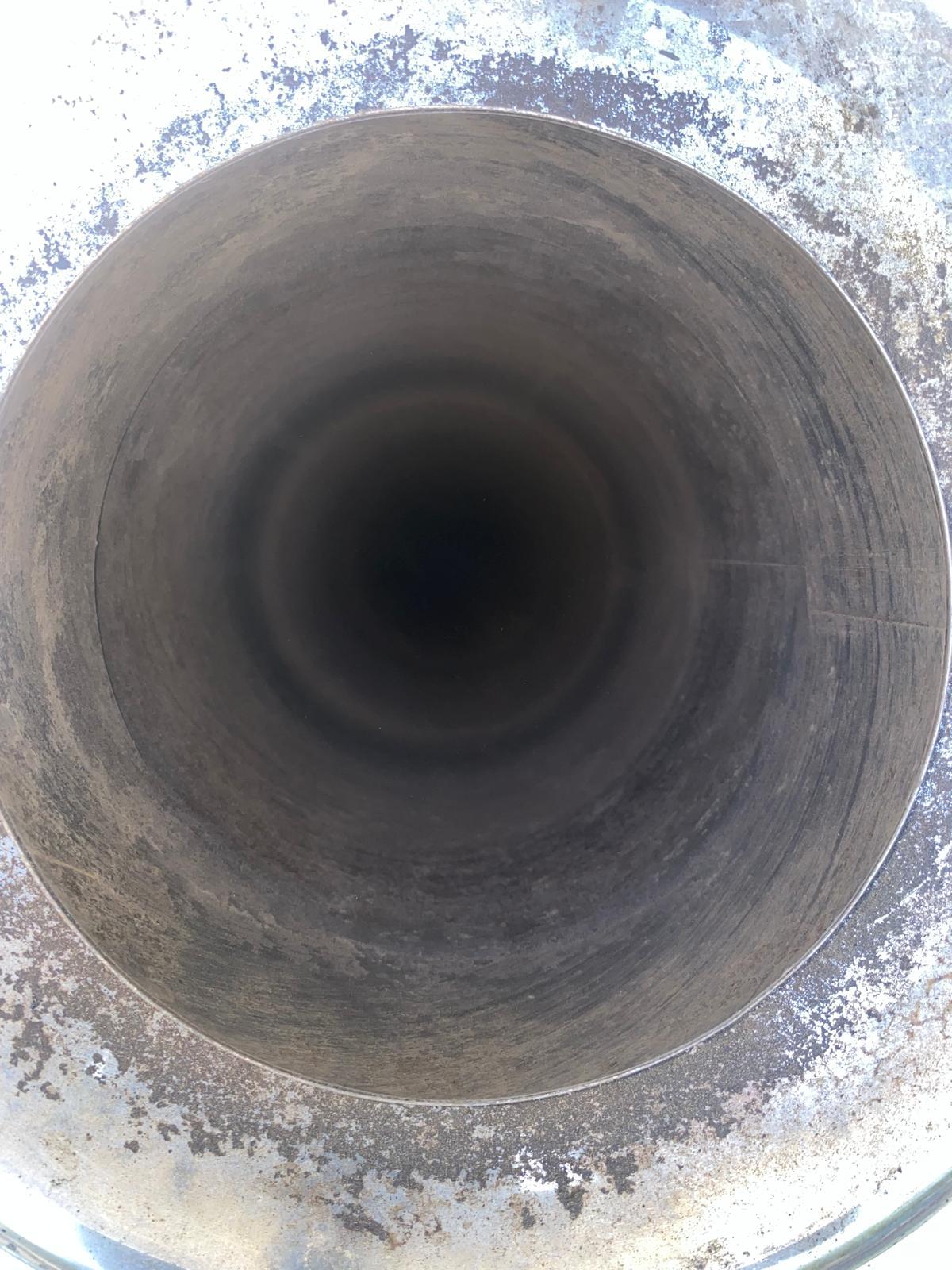
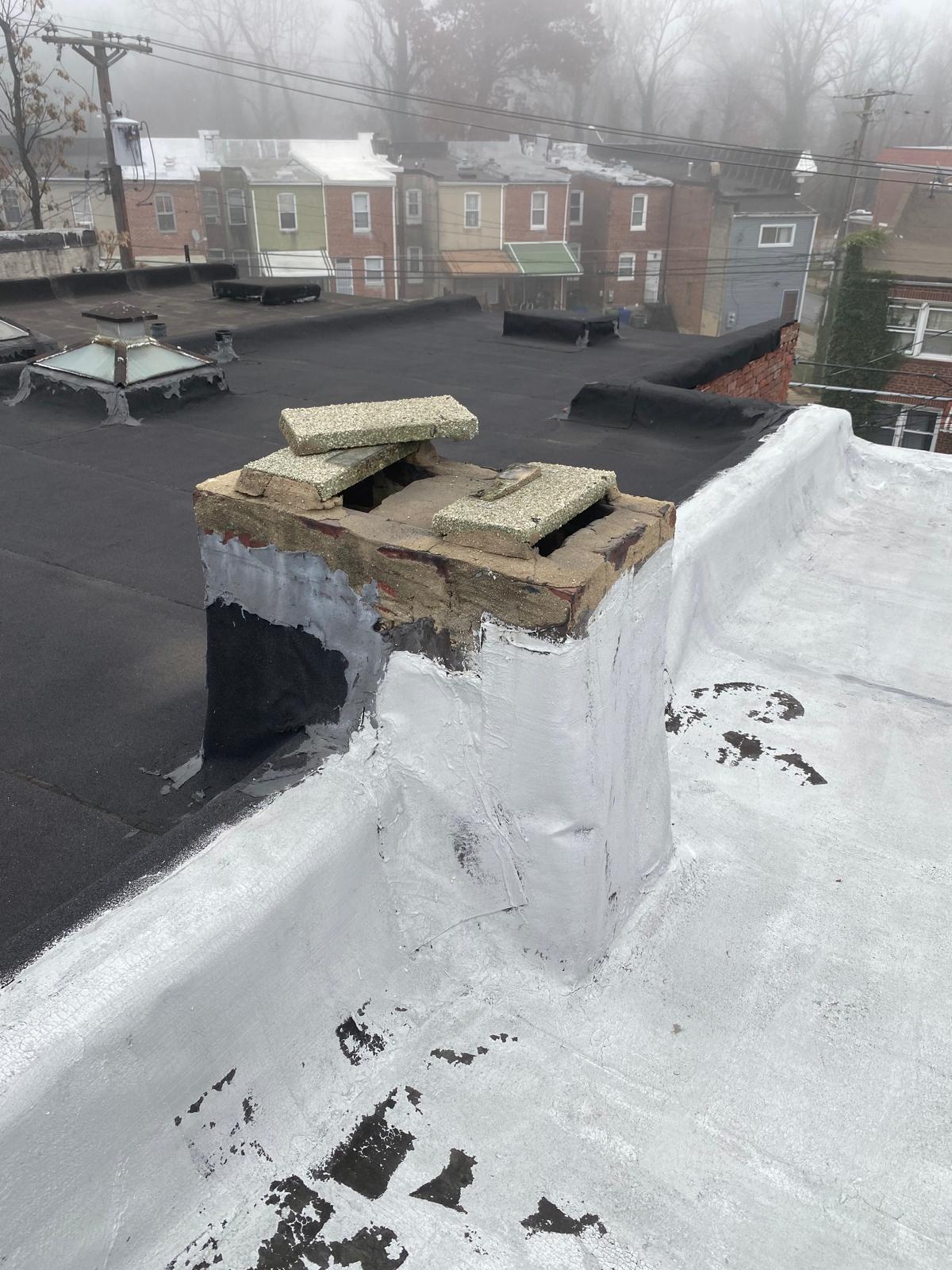
- Flue Liner Damage: The most common victim. Clay liners can crack, melt, or separate. Metal liners can warp, buckle, or have their seams compromise. A compromised liner is a direct pathway for heat and fire to enter your home’s structure.
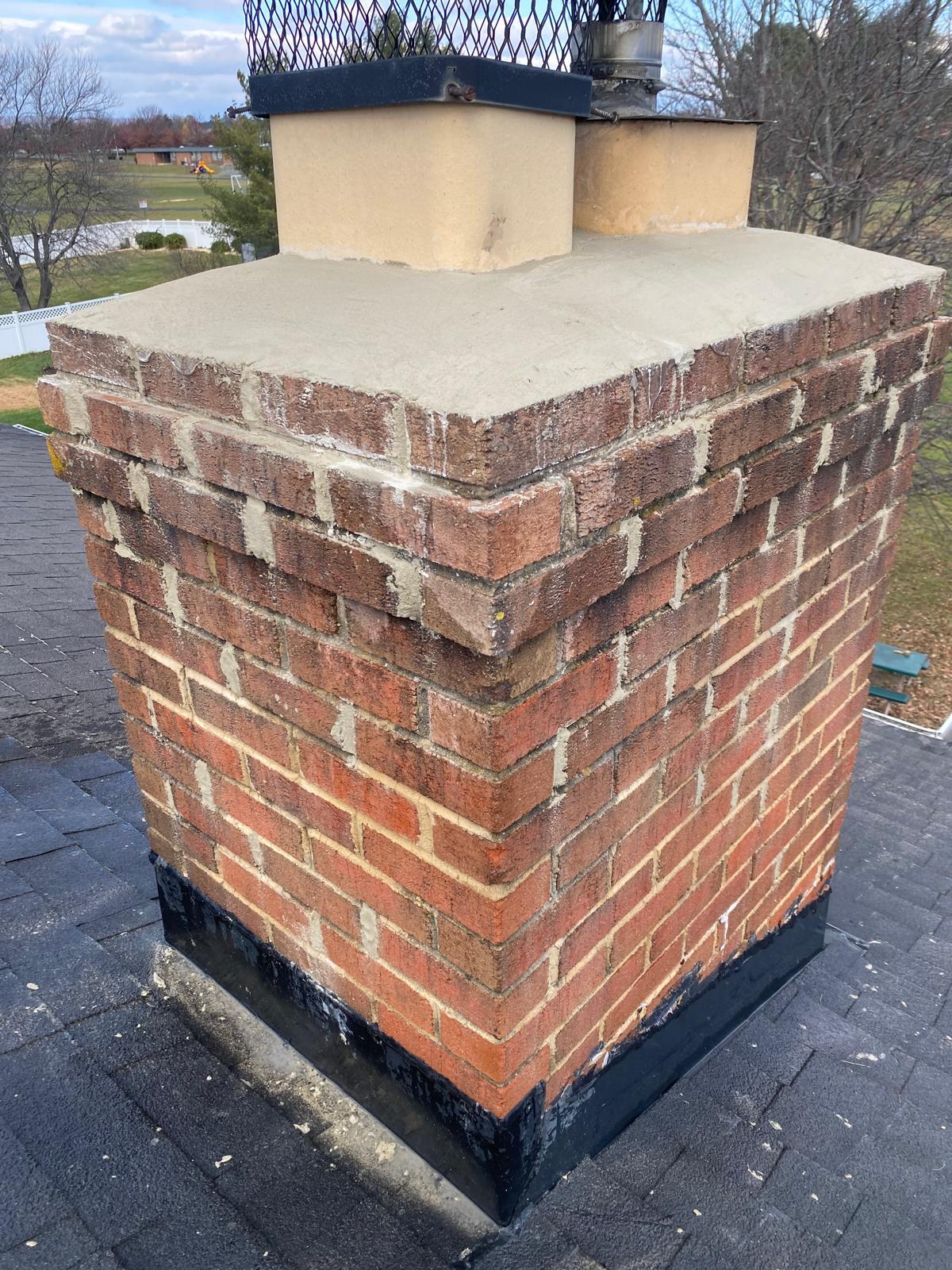
- Exterior Masonry Cracks: Extreme heat can cause mortar joints to crumble and bricks to crack or even explode, weakening the entire structure.
- Internal Structural Damage: Hidden components like the smoke chamber, firebox, and even the foundation can suffer damage from intense heat.
- Combustible Clearance Violations: The heat may have ignited nearby wood framing or other combustible materials in your walls or attic that were too close to the chimney structure.
- Appliance Damage: Fireplace inserts or wood stoves themselves can be warped, cracked, or have their internal components damaged.
- Roof Damage: Sparks or flames can damage roofing materials surrounding the chimney.
A post-fire inspection by a qualified professional is not just recommended; it’s absolutely mandatory. DD Chimney Cleaning provides thorough Level 2 and Level 3 chimney inspections (as defined by the CSIA – Chimney Safety Institute of America) designed specifically for post-fire scenarios. Our experts serving Richmond and surrounding areas use specialized cameras to examine every inch of your flue, ensuring no damage goes unnoticed, and providing a comprehensive report on necessary repairs.
Prevention is Key: Safeguarding Your Richmond Home
While recovery is possible, preventing a chimney fire altogether is always the superior strategy. Most chimney fires are entirely preventable through proper maintenance and burning habits.
- Annual Chimney Sweeping: The gold standard of prevention. Professional chimney sweeps like DD Chimney Cleaning remove creosote and soot build-up, significantly reducing the risk of a fire. We recommend annual sweeping for all active fireplaces and wood stoves in the Richmond, VA area, often before the heating season begins.
- Burn Dry, Seasoned Wood: Wet or “green” wood produces more smoke and, consequently, more creosote. Use only wood that has been seasoned for at least 6-12 months.
- Maintain a Hot Fire: A hot fire burns more efficiently and produces less creosote. Avoid smoldering fires.
- Regular Inspections: Beyond sweeping, professional inspections ensure all components of your chimney system are in good working order.
- Proper Appliance Sizing: Ensure your fireplace insert or wood stove is properly sized for your firebox and adequately vented.
Frequently Asked Questions About Chimney Fires
Q1: Can a chimney fire burn my house down completely?
A1: Yes, absolutely. While many chimney fires are contained within the flue, they can severely damage the chimney structure, allowing flames and intense heat to spread to surrounding combustible materials in your home’s walls, attic, or roof, leading to a devastating house fire. Immediate action and professional assessment are crucial.
Q2: My chimney fire seemed minor. Do I still need a professional inspection?
A2: Yes, unequivocally. Even “minor” or “slow-burning” chimney fires can cause significant, hidden damage to flue liners, mortar joints, and the chimney’s structural integrity. This damage compromises safety and sets the stage for future, potentially more catastrophic fires. A Level 2 inspection by a CSIA-certified professional is essential after any suspected chimney fire.
Q3: How often should I have my chimney cleaned to prevent fires?
A3: The Chimney Safety Institute of America (CSIA) recommends that chimneys be inspected annually and cleaned as needed. For fireplaces or wood stoves used regularly throughout the heating season in Richmond, annual cleaning is typically necessary to remove creosote buildup and prevent fires. Homeowners in Los Angeles County have also found great results with Electrical in Los Angeles County.
Q4: What’s the difference between a Level 1, 2, and 3 chimney inspection?
A4: A Level 1 is a basic visual inspection. A Level 2 is required when there’s a change in appliance or fuel type, sale of property, or after an operating malfunction or external event like a chimney fire; it involves video scanning of the flue. A Level 3 is the most in-depth, requiring removal of certain components of the chimney or building structure, and is only performed when a Level 2 suggests hidden hazards requiring further investigation.
The danger of a chimney fire is very real, but it doesn’t have to be a threat to your home in Richmond, VA. With vigilance, proper burning practices, and professional annual maintenance, you can enjoy the warmth of your fireplace without fear. Don’t leave your home’s safety to chance.
If you suspect you’ve experienced a chimney fire, or if it’s simply time for your annual inspection and cleaning, trust the experts who understand the unique needs of chimneys in our region. Contact DD Chimney Cleaning today for a comprehensive inspection and professional service. Protect your family and your investment. Call us at (833) 339-6803 to schedule your appointment!