As cooler Pacific breezes signal the approach of fall and winter in Los Angeles, many Angelenos eagerly anticipate cozy evenings by a crackling fireplace. But before you strike that match, consider a silent, invisible threat lurking within your chimney: creosote buildup. This highly flammable residue is the leading cause of chimney fires, a hazard that can turn your cozy evening into a catastrophe faster than you can imagine, especially with our region’s dry conditions.
To shed light on this urgent matter, we recently sat down with Sarah Chen, lead safety expert at DD Chimney Cleaning, a company dedicated exclusively to ensuring the safety of chimneys across Los Angeles. Sarah shared critical insights into recognizing the early warning signs of a creosote chimney fire hazard – information every Los Angeles homeowner needs to understand immediately.
The Silent Threat: What Exactly is Creosote?
“Creosote isn’t just soot; it’s a far more insidious byproduct,” explains Sarah. “When you burn wood, especially softer woods, unseasoned wood, or if your fire isn’t burning hot enough, the combustion isn’t complete. Smoke, unburnt wood particles, and gases travel up your flue. As these hot gases cool, they condense on the cooler surfaces of your chimney lining, forming creosote.”
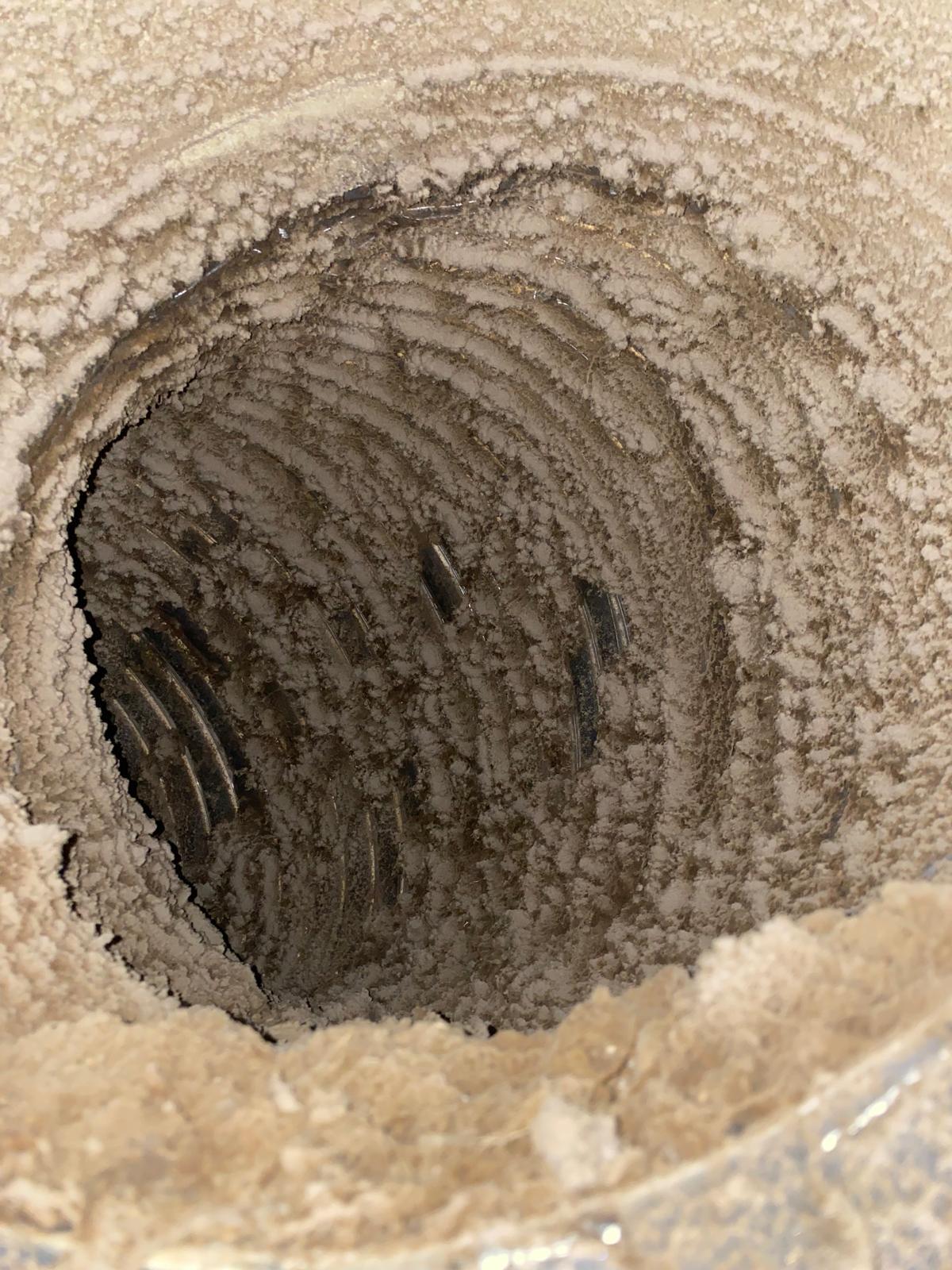
Sarah emphasizes that creosote manifests in three forms: a flaky, sooty deposit; a tarry, sticky substance; or a glazed, hardened coating that resembles asphalt. The glazed form is the most dangerous, as it’s extremely concentrated, highly flammable, and incredibly difficult to remove without professional tools. “The Chimney Safety Institute of America (CSIA) reports that creosote accumulation is consistently a leading cause of chimney fires nationwide. For Los Angeles, where fires can spread rapidly, this risk demands immediate attention,” she stresses.
Crucial Early Warning Signs Every LA Homeowner Must Know
“Many homeowners assume a chimney fire is obvious, a roaring inferno. But often, the earliest, most critical signs are subtle. Recognizing them could save your home, and potentially, your life,” warns Sarah. Here are the key indicators she advises every Los Angeles homeowner to look out for:
Intense, Lingering Odors
“One of the first signs we often hear about, especially in the humid coastal air or during our warmer days, is a strong, tar-like or acrid smell emanating from the fireplace,” Sarah notes. This distinctive odor is the smell of concentrated creosote. It’s often more noticeable when the weather is warm and humid, or after a period of intense use. If you detect this pungent smell even when your fireplace isn’t in use, it’s a clear signal that dangerous levels of creosote are present and professional DD Chimney Cleaning in Los Angeles is urgently needed.
Excessive Smoke Backing Up
While some smoke is normal upon starting a fire, excessive smoke that billows back into your living room, even after the flue is open, is a serious red flag. “This indicates a significant blockage, often creosote, severely impeding the draft,” Sarah explains. “Our technicians frequently encounter homes in areas like Santa Monica or Hollywood Hills where poor drafting indicates significant blockages that need immediate DD Chimney Cleaning’s expert sweeping process.” This isn’t just an inconvenience; it can expose your home to dangerous carbon monoxide and indicates a severe fire risk.
Unusual Burning Noises
Listen closely while your fire is burning. If you hear popping, crackling, or even a low roaring sound coming from the chimney itself (distinct from the wood burning in the firebox), this is a critical emergency. “These noises can indicate that creosote deposits are actively igniting inside your flue. It’s a mini-chimney fire in progress, and it can rapidly escalate,” warns Sarah. Stop using your fireplace immediately if you hear these sounds.
Visible Soot & Creosote Flakes
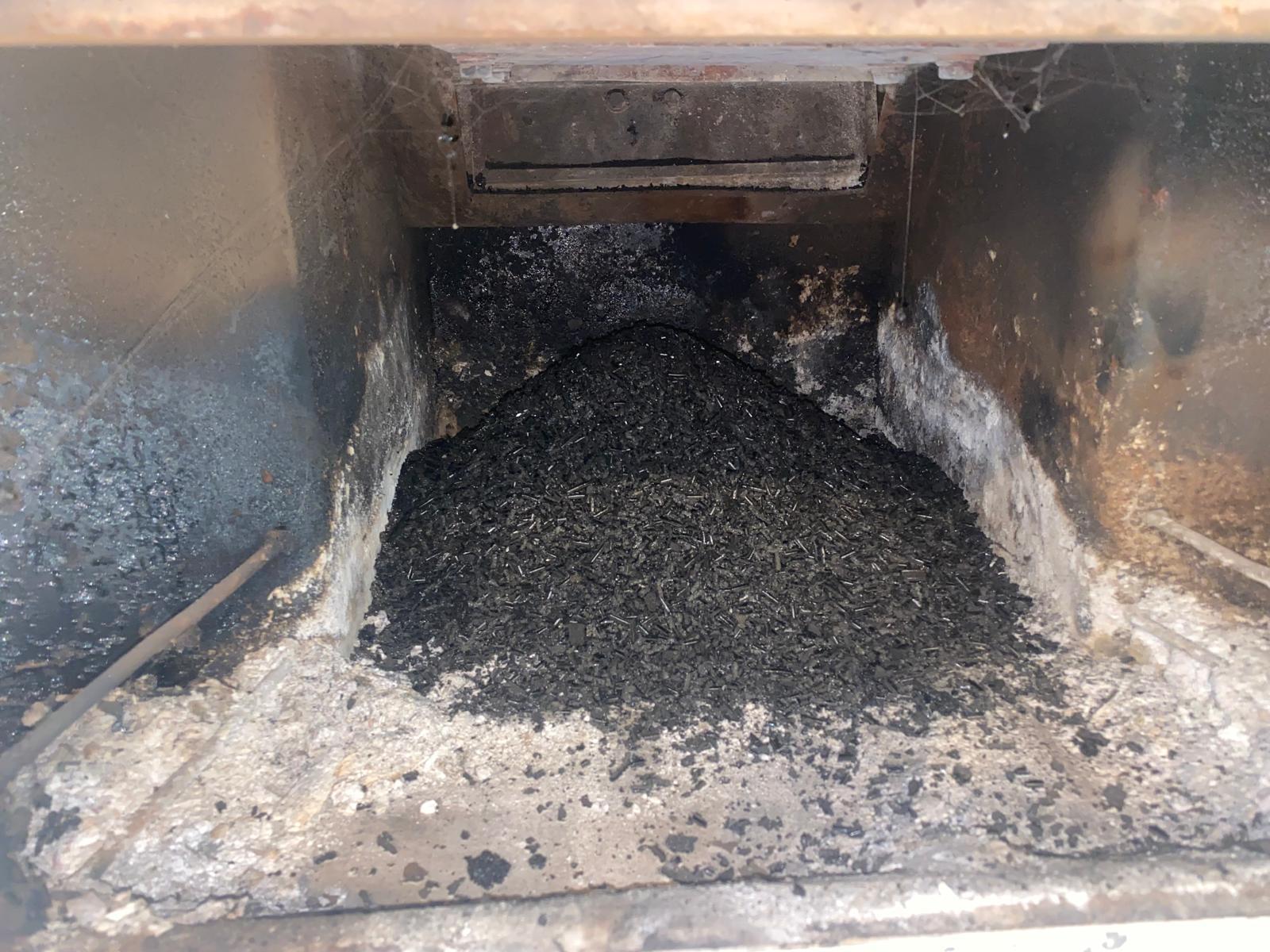
Periodically inspect your firebox and the damper. Do you see dark, flaky, or tar-like deposits falling from the chimney? If you notice black flakes on your hearth, fireplace floor, or even on the logs themselves, these are pieces of creosote breaking away. While small amounts might be normal after a fire, significant flaking or heavy, shiny black deposits point to a dangerous accumulation.
Difficulty Starting or Sustaining a Fire
If you find yourself struggling to get a fire going, or if the fire burns sluggishly and goes out easily, it could be due to a poor draft caused by creosote buildup. A chimney choked with creosote can’t pull air effectively, leading to inefficient combustion and increased smoke, which in turn, contributes to even more creosote.
The Urgency for Los Angeles Homes: Time is of the Essence
“Los Angeles’s climate, with its long dry seasons and infamous Santa Ana winds, adds a unique and terrifying urgency to chimney safety,” Sarah emphasizes. “A chimney fire here, especially in neighborhoods close to brushland, like parts of Pasadena or the hills of Studio City, can quickly spread beyond the chimney, posing a threat to entire communities. Proactive chimney fire prevention strategies are not just recommended; they are essential for homeowners.”
Waiting until you see active flames or severe smoke is a