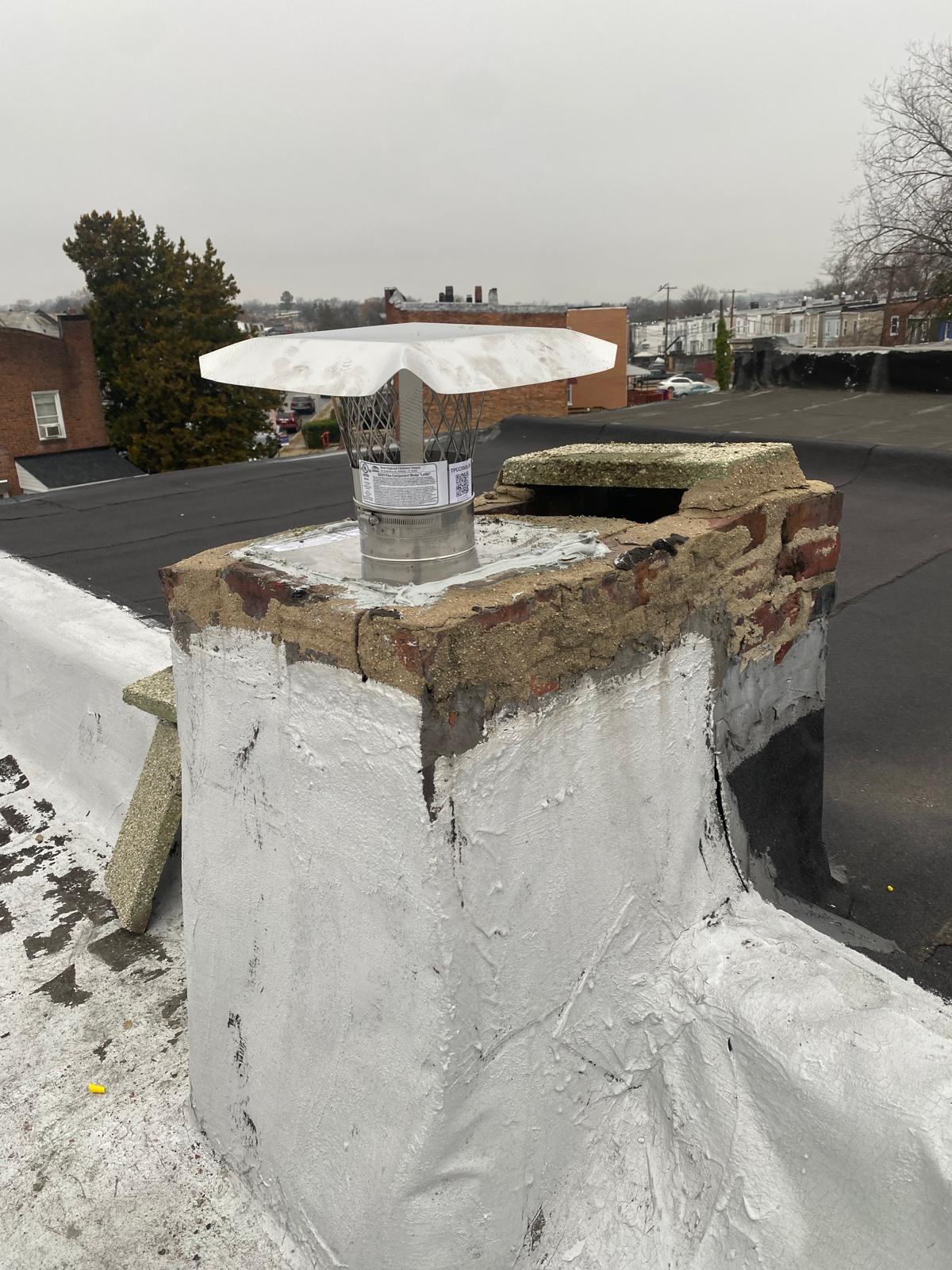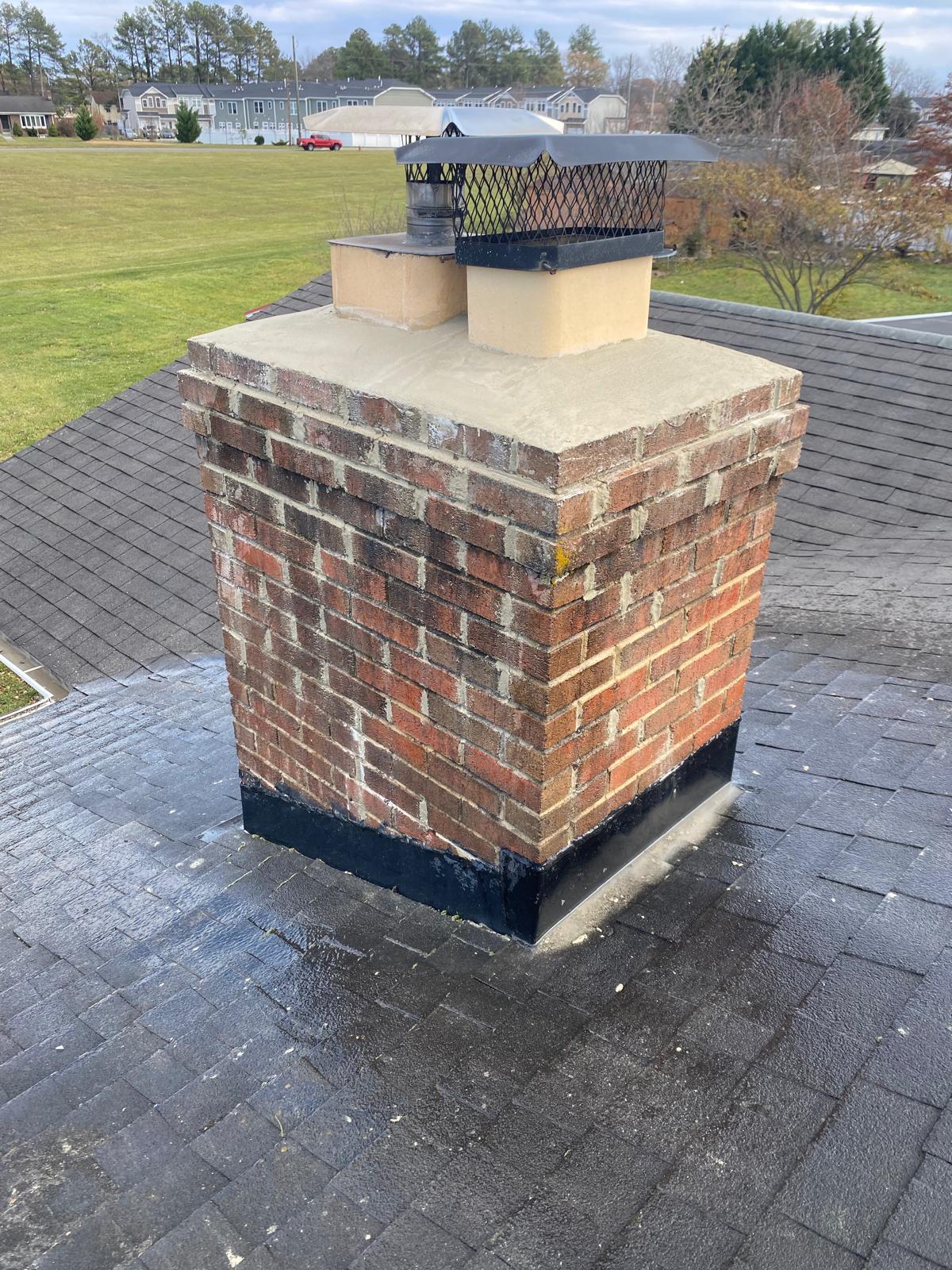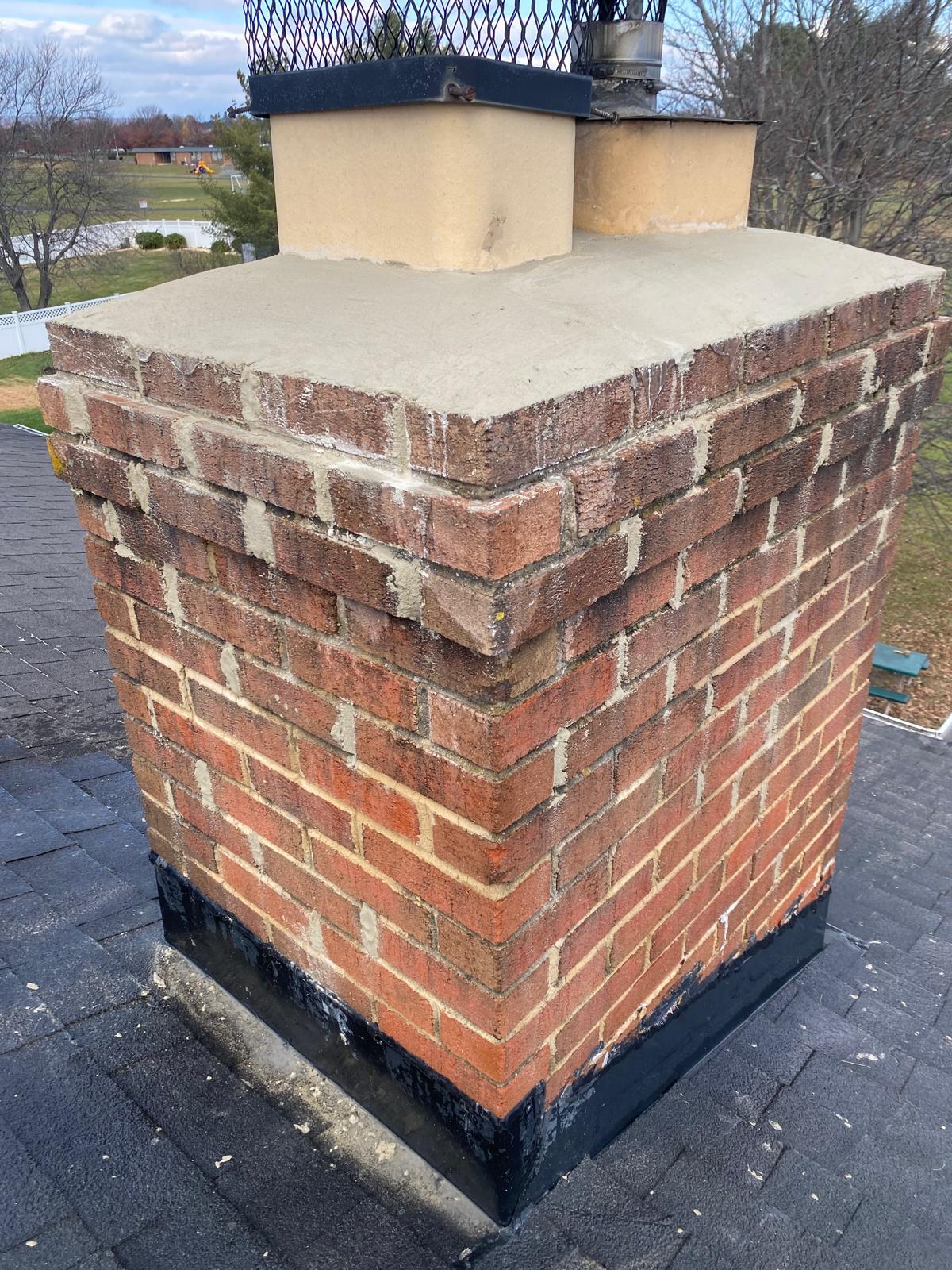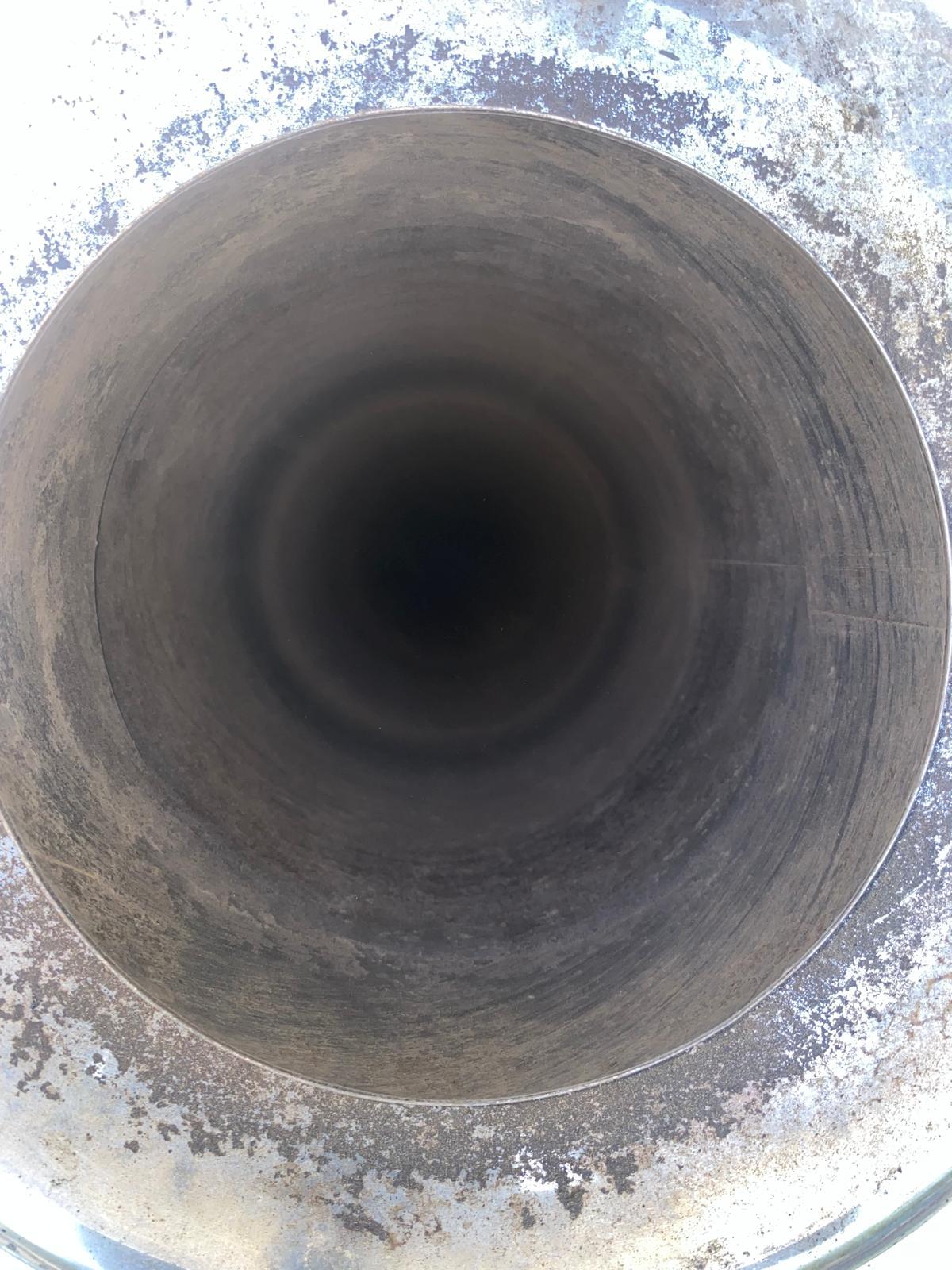
Thinking of a DIY residential wood stove installation in your Los Angeles home? You’re not just saving a few bucks; you’re playing Russian roulette with your property and your family’s lives. The allure of an alternative heat source, especially with escalating utility costs across the Southland, is strong. From the crisp nights in the Hollywood Hills to the cooler coastal breezes near Santa Monica, a wood stove promises warmth and ambiance. But the single most critical, often overlooked, and inherently dangerous aspect isn’t the stove itself, but the intricate venting system and the chimney it connects to. Get this wrong, and you’re inviting disaster – an urgent, time-sensitive risk that demands immediate professional attention, far beyond a weekend project.
The Illusion of DIY Savings vs. The Harsh Reality of Venting
Many Los Angeles homeowners, envisioning cozy evenings and reduced energy bills, might be tempted to handle the wood stove installation themselves. The internet offers countless guides, but none can replace the on-the-ground expertise required for compliant and safe chimney venting. This isn’t just about fitting pipes; it’s about safeguarding your home against combustible materials, ensuring proper draft, and preventing toxic fumes from entering your living space. The “savings” on a DIY job evaporate instantly with the first puff-back of smoke or, worse, the terrifying crackle of a chimney fire.
DIY Dangers in Chimney Venting: A Ticking Fire Hazard
Improperly installed wood stove venting systems are notorious for deadly hazards. Incorrect flue sizing can lead to inefficient burning and excessive creosote buildup – a tar-like, highly flammable residue. The National Fire Protection Association (NFPA) standard 211, the definitive guide for chimneys, fireplaces, vents, and solid fuel-burning appliances, mandates specific clearances to combustibles. Miss these, and structural wood members, insulation, or even drywall can ignite from the heat of the flue, turning your dream of a warm hearth into a nightmare, often with little warning. The dangers of carbon monoxide poisoning from inadequate drafting are also a silent, invisible killer that a poorly designed DIY vent invites.
Why Professional Chimney Expertise is Non-Negotiable for Wood Stoves
Understanding local building codes, manufacturers’ specifications, and NFPA 211 is a specialized skill. For a wood stove, the chimney and vent system are the primary safety components. While DD Chimney Cleaning does not install wood stoves, our professional expertise in chimney cleaning in Los Angeles extends to ensuring that your venting system is safe and ready to perform. Post-installation, or even during the planning phase for your new wood stove, having a professional evaluate your chimney’s integrity, flue size, and suitability is a critical safety measure. This vital assessment ensures the system can handle the rigorous demands of a wood stove safely, mitigating the risks of creosote accumulation and chimney fires that homeowners seeking DD Chimney Cleaning in Dallas or even DD Chimney Cleaning in New York face daily.
Navigating Los Angeles’s Unique Venting Challenges
Los Angeles presents its own set of challenges. Our Mediterranean climate might tempt homeowners to delay chimney maintenance, but sporadic use can still lead to creosote issues. Dense housing in neighborhoods from Silver Lake to Studio City means chimney fires pose an amplified risk of spreading. Understanding these local factors, coupled with strict fire codes, is paramount.
Fire Code Compliance: Your Legal and Life Insurance
California and Los Angeles County have specific building and fire codes that govern wood stove installations and their associated venting. These aren’t suggestions; they are legal requirements designed to protect. Neglecting these can result in hefty fines, insurance claim denials, and, most importantly, devastating fires. A professional chimney sweep, while not an installer, is keenly aware of these regulations as they pertain to the safe operation and maintenance of venting systems.
Proper Flue Sizing, Materials, and Clearances: The Core of Venting Safety
The flue liner must be correctly sized to the wood stove’s output, allowing for