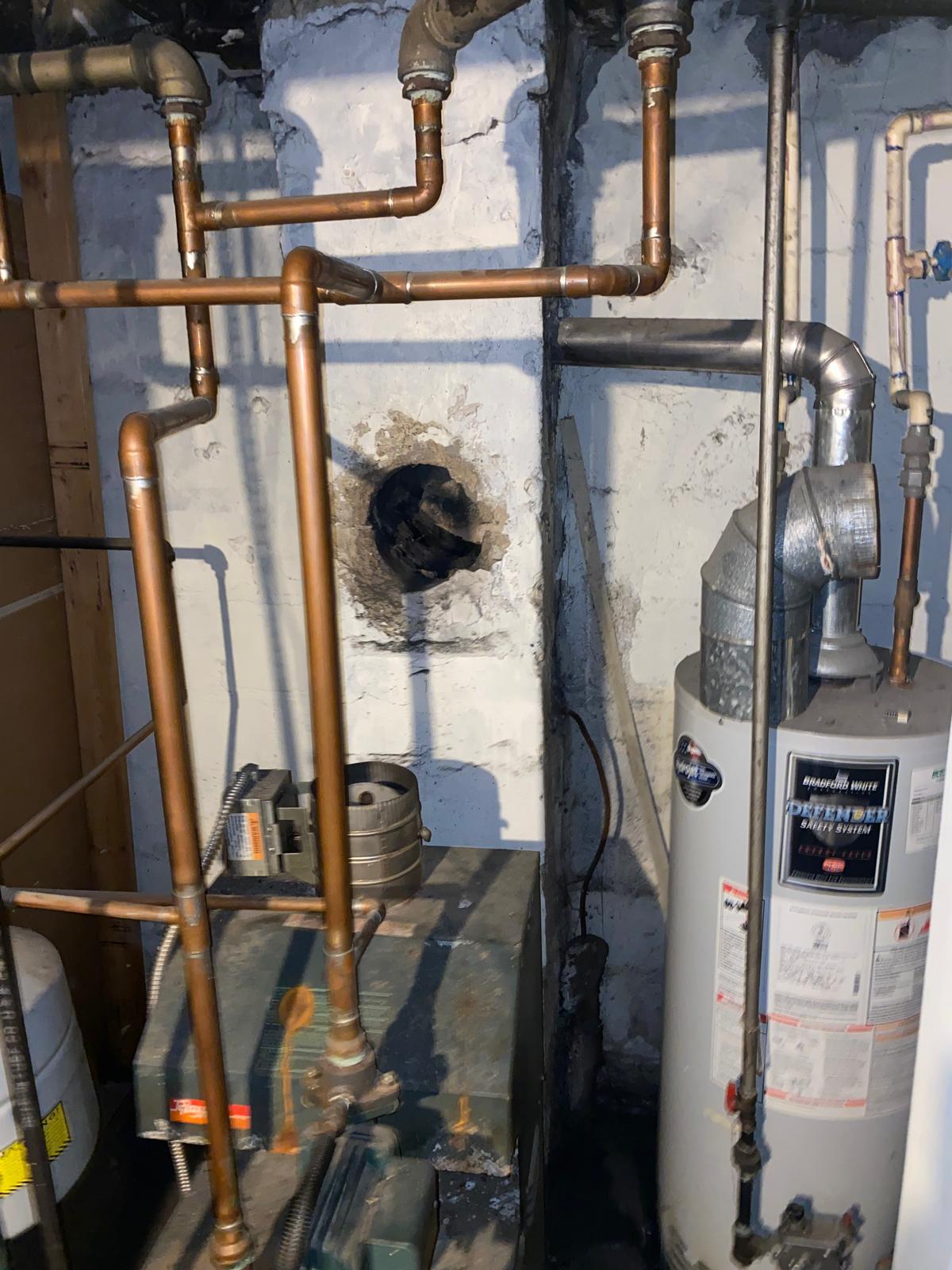
Picture this: Sarah, a long-time resident of a charming pre-war co-op in Brooklyn Heights, decides it’s finally time to upgrade her old boiler. It’s clunky, inefficient, and frankly, a bit of a relic. She’s thrilled about the prospect of lower energy bills and consistent heating, but what she didn’t realize was that her home’s beautiful, historic chimney—the same one that’s stood tall since the Roaring Twenties—was about to become the star of a complex and potentially costly renovation drama. Suddenly, she was drowning in terms like “flue liner,” “Category I vs. Category IV,” and “combustion air.” Sound familiar?
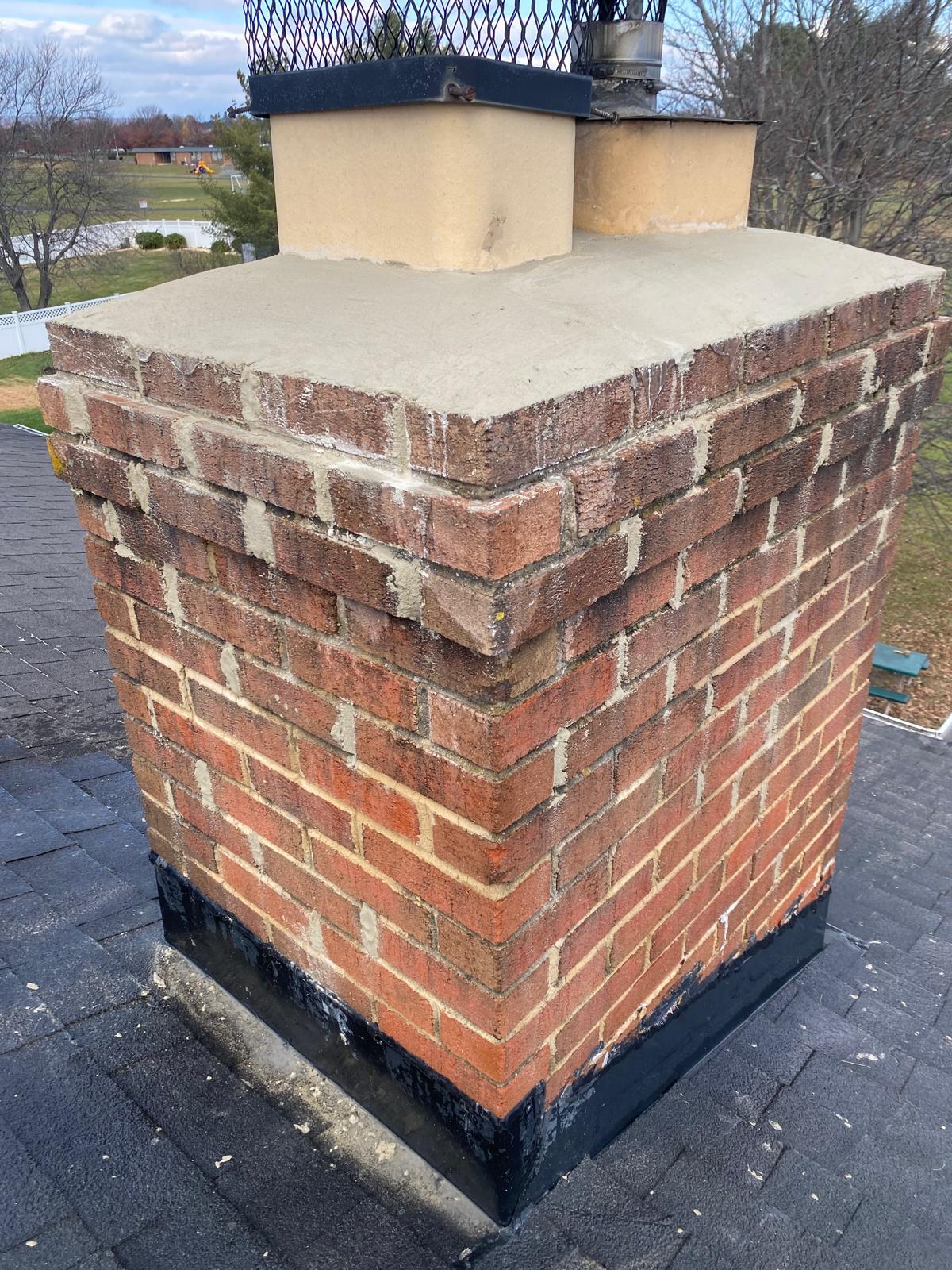
For homeowners in New York City, especially those living in older brownstones, townhouses, or apartments with original chimneys, upgrading to modern, high-efficiency appliances like furnaces, water heaters, or boilers can bring a unique set of challenges. These appliances operate differently than their predecessors, and they require a chimney system that’s up to modern safety and efficiency standards. Retrofitting isn’t just about sticking a new appliance in; it’s about ensuring the entire venting system is safe, efficient, and compliant. As a chimney cleaning company, DD Chimney Cleaning often sees the aftermath of neglected flues and understands the crucial role they play. While we serve DD Chimney Cleaning in Los Angeles, the core principles of chimney integrity are universal, applying just as much to the historic structures of NYC.
Mistakes to Avoid When Retrofitting Older NYC Chimneys
Mistake #1: Skipping a Thorough Chimney Inspection (Level 2 is Key!)
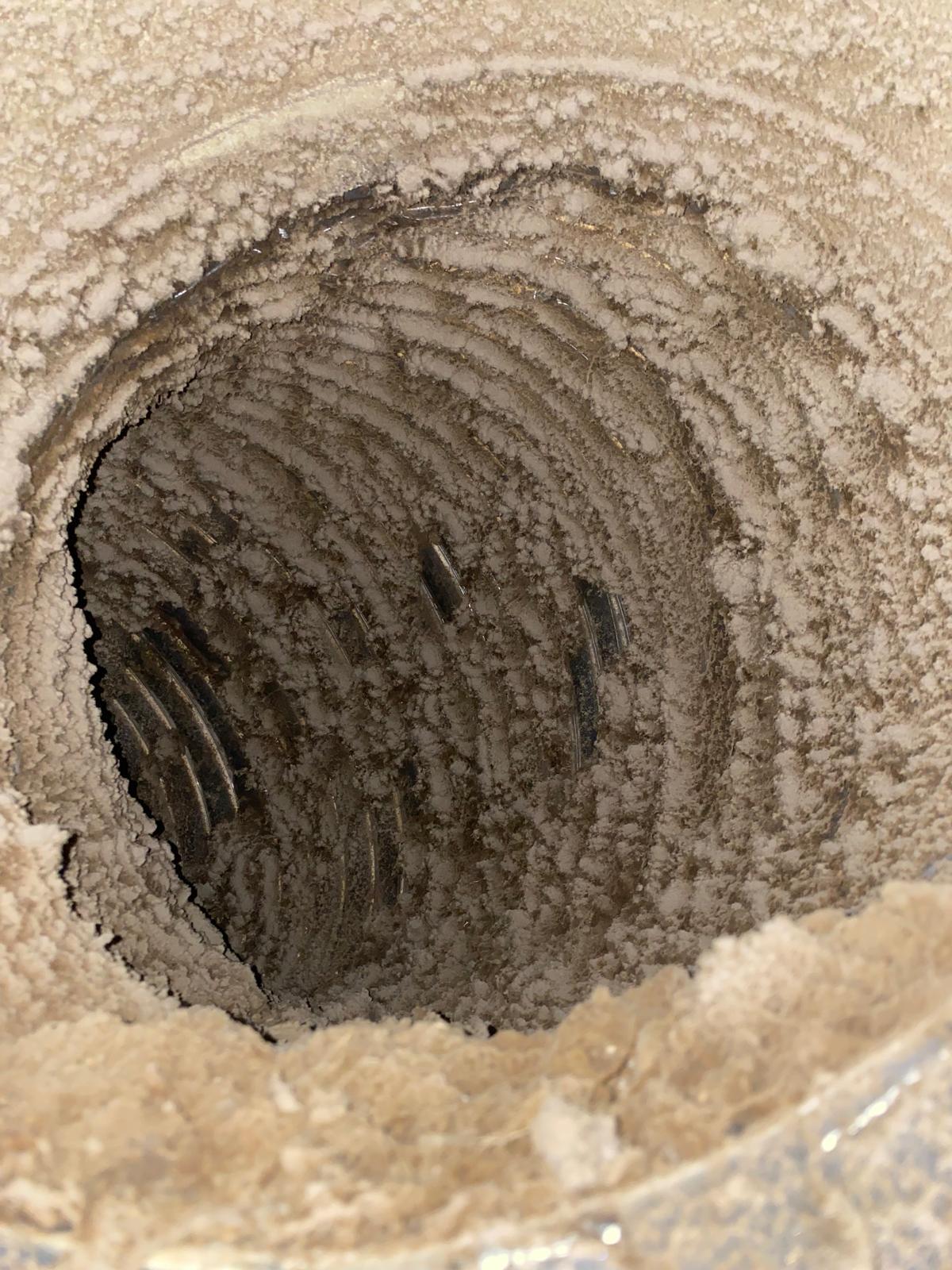
One of the biggest blunders is jumping into an appliance upgrade without first understanding the condition of your existing chimney. Older NYC chimneys, often constructed with brick and mortar, have weathered decades of use, harsh winters, and internal chemical reactions. Many don’t have proper liners, or if they do, they might be clay tile liners that are cracked, spalled, or poorly jointed. A Level 2 chimney inspection, complete with a video scan, is non-negotiable. This reveals hidden damage, blockages, or structural weaknesses that could turn a new appliance into a serious safety hazard. Remember, a chimney is a hidden component, and ignoring its condition is like buying a vintage car without checking under the hood.
Mistake #2: Underestimating the Unique Venting Needs of Modern Appliances
Modern, high-efficiency appliances often produce cooler exhaust gases than older models. These cooler gases condense more readily within the chimney, leading to highly corrosive acidic condensate. This can rapidly deteriorate unlined or improperly lined chimneys. Trying to vent a new, high-efficiency appliance into an unlined or unsuitable old chimney is a recipe for disaster. The corrosive byproducts can damage the chimney structure, allowing dangerous carbon monoxide to seep into your home. This is why a proper liner designed for these temperatures and corrosive gases, usually stainless steel or sometimes even specialized plastic (Category IV), is essential. While you might seek DD Chimney Cleaning in New York for cleaning needs, understanding liner requirements is critical before cleaning begins.
Mistake #3: Ignoring National & Local NYC Building Codes
New York City has stringent building codes and permitting requirements, particularly for renovations involving heating systems and structural components like chimneys. Ignoring these can lead to significant fines, stop-work orders, or worse, an unsafe installation that won’t pass inspection. Permitting isn’t just red tape; it ensures that your project meets minimum safety standards. Always work with licensed professionals who are intimately familiar with NYC’s Department of Buildings (DOB) regulations, including NFPA 211, which governs chimneys, fireplaces, vents, and solid fuel-burning appliances nationwide. These codes dictate everything from liner material and sizing to proper clearances and termination heights.
Mistake #4: Improper Sizing of the New Chimney Liner
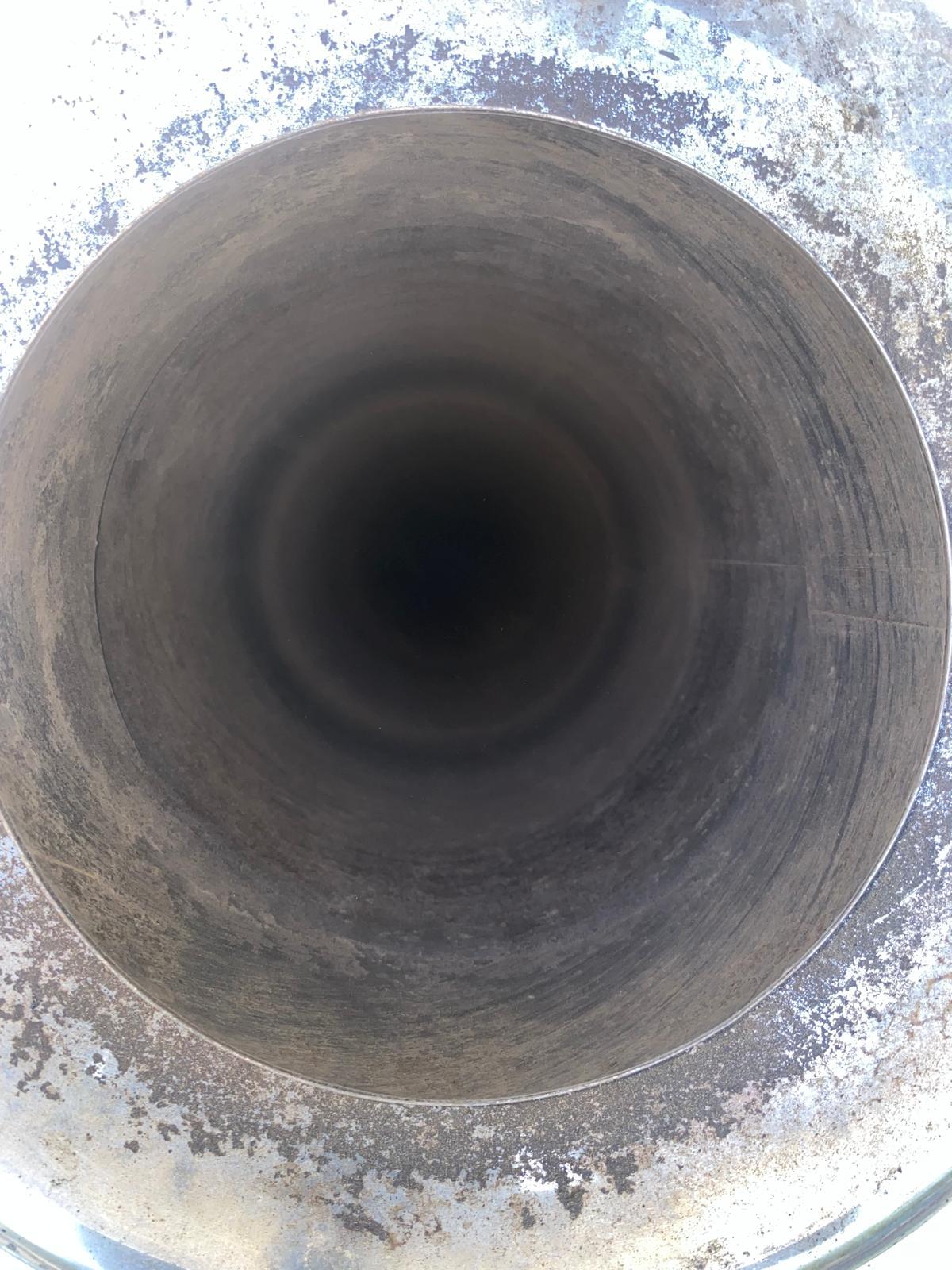
It’s not a one-size-fits-all situation. The diameter and type of your new chimney liner must be carefully calculated based on the BTU output and exhaust characteristics of your specific appliance. An undersized liner can lead to insufficient draft, poor combustion, and the spilling of combustion gases (including carbon monoxide) into your living space. An oversized liner can cause excessive cooling and condensation, leading to corrosion and flue blockages. Expert calculations are vital to ensure optimal performance and safety. When considering maintenance for your newly lined chimney, be sure to connect with DD Chimney Cleaning at DD Chimney Cleaning in Los Angeles, or wherever you are, to schedule a thorough cleaning and inspection. Our team knows how crucial proper flue dimensions are for effective cleaning.
Mistake #5: Neglecting Regular Maintenance After Retrofit
Just because you’ve installed a new liner and appliance doesn’t mean your chimney system is maintenance-free. Quite the opposite! Regular chimney cleaning and annual inspections remain paramount. Even with new liners, soot, creosote, and debris can accumulate, especially if your appliance isn’t burning optimally or if there are minor issues. These blockages can impede proper venting, reduce efficiency, and pose fire hazards or carbon monoxide risks. A properly maintained chimney is a safe chimney. We here at DD Chimney Cleaning, whether we’re in DD Chimney Cleaning in Houston or Los Angeles, stress the importance of ongoing care for every chimney system.
FAQ: Retrofitting Older Chimneys
- Q1: What’s the biggest safety concern with older, unlined chimneys?
A: The primary safety concern is the potential for carbon monoxide poisoning due to flue gas leakage through cracks in the masonry, and chimney fires due to creosote buildup in rough, unlined flues. The lack of proper containment for corrosive gases from modern appliances is also a major risk. - Q2: Can I use my old chimney for a modern furnace without a liner?
A: Absolutely not. Modern furnaces are often Category I or IV appliances, producing cooler, acidic exhaust that will quickly damage an unlined masonry flue, leading to leaks and dangerous combustion issues. A correctly sized and installed liner is mandated for safety and code compliance. - Q3: How often should a retrofitted chimney be cleaned?
A: Even with a new liner and appliance, annual inspections are crucial. Depending on appliance usage and fuel type, cleaning may also be needed annually or every other year. We generally recommend annual chimney cleaning service to ensure everything is operating safely. - Q4: What types of liners are typically used for modern appliance venting?
A: The most common are stainless steel liners (either flexible or rigid, depending on the chimney’s path) for Category I and some Category III appliances. For high-efficiency Category IV appliances, specialized, often plastic, liners are used because of their ability to handle condensation. - Q5: Do I need a permit for retrofitting my chimney with a new liner in NYC?
A: Yes, generally. Any alteration to a building’s heating system or structural components, including chimney lining, typically requires permits from the NYC Department of Buildings. It’s essential to confirm with a licensed professional.
Retrofitting an older New York City chimney for modern appliance venting is a significant undertaking that demands careful planning, expert knowledge, and meticulous execution. By avoiding these common mistakes and prioritizing safety, code compliance, and professional installation, you can ensure your home’s heating system operates efficiently and safely for years to come.
Thinking about your chimney’s health? Whether your home is newly built or historic, regular chimney cleaning is crucial. For reliable and professional chimney cleaning services here in Los Angeles, trust the experts at DD Chimney Cleaning. Don’t wait for a problem to arise—proactive maintenance protects your home and family. Call DD Chimney Cleaning today for your chimney cleaning needs at (833) 339-6803!