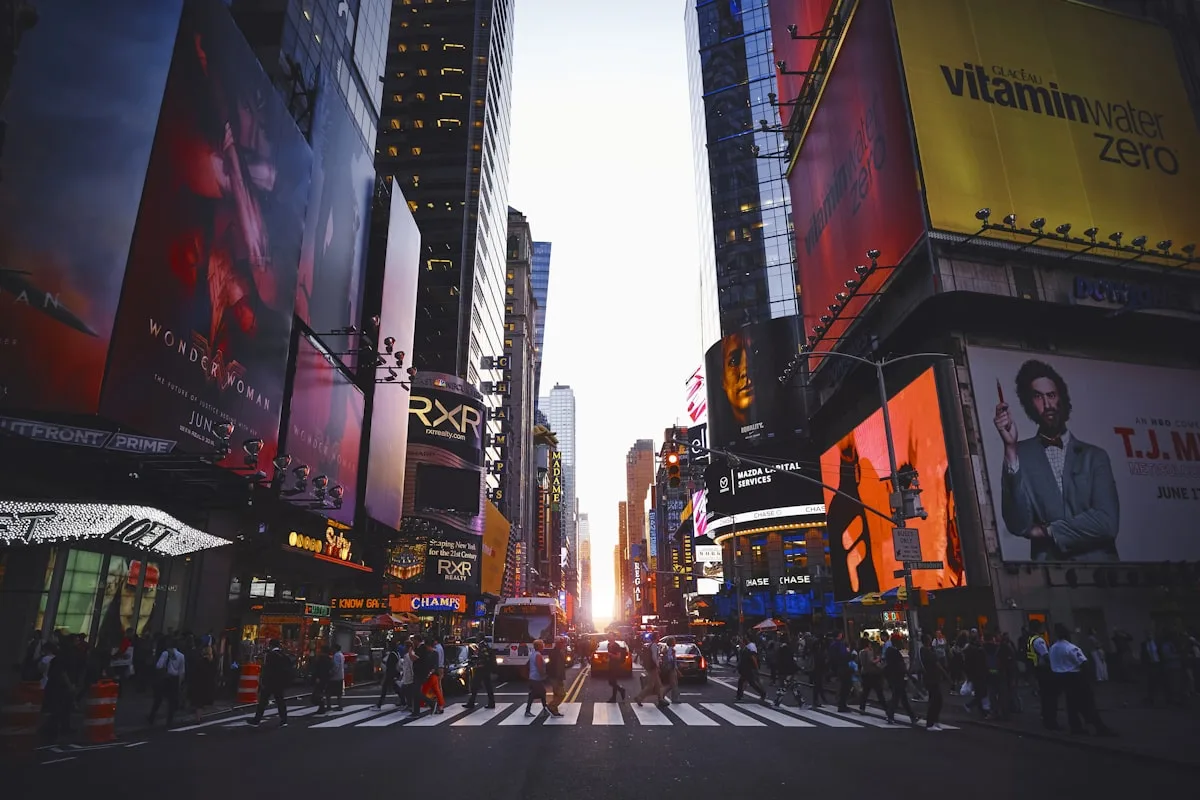
Let’s be honest: many historic New York apartment buildings are *accidentally* harboring forgotten fire hazards within their walls. While we at DD Chimney Cleaning proudly serve Los Angeles, the challenges faced by chimney professionals in cities with a rich, dense history like New York City resonate deeply with us. It’s not just about soot; it’s about navigating architectural puzzles that can turn a seemingly straightforward chimney sweep into an archaeological dig.
For those living in these venerable structures, often in neighborhoods like Greenwich Village, the Upper West Side, or Brooklyn Heights, the complex history of their heating systems presents unique difficulties. Ignoring these challenges isn’t just a minor oversight; it can lead to serious safety risks, diminished air quality, and even structural damage. Understanding these “mistakes to avoid” is crucial, whether you’re in a historic brownstone or a mid-century high-rise.
Mistake #1: Assuming Your Flue System Is Simple (It’s Not!)
One of the biggest blunders homeowners and even some less experienced professionals make in historic New York buildings is assuming a chimney flue goes straight up from fireplace to rooftop. In reality, older construction, especially in dense urban environments, often features intricate and interconnected flue systems. Builders of yesteryear were masters of maximizing space and heat distribution, leading to:
- Offset Flues: Instead of a vertical shaft, flues might “step” or angle to avoid structural beams, other flues, or neighboring properties. These bends are prime locations for creosote buildup, blockages, and nesting animals. A typical modern flue might be a straight shot, but many NYC pre-war buildings have multiple offsets.
- Shared Flues: Imagine your neighbor’s fireplace connected to yours! While modern codes strictly prohibit this, it wasn’t uncommon in very old buildings. Without proper understanding and inspection, cleaning one could push debris into another, or worse, cause smoke migration between units.
- Multiple Terminations: A single chimney stack on the roof might house flues from several different fireplaces, sometimes from different apartments or floors. Identifying which flue serves which unit requires meticulous detective work.
Attempting a DIY cleaning or using a service unfamiliar with such complexities is a recipe for incomplete cleaning and potential hazards. Understanding the different types of creosote buildup is the first step toward effective removal, and these intricate flues make that even harder.
Mistake #2: Overlooking Disused or Partially Blocked Flues
Historic buildings often undergo renovations or changes in heating systems over decades. A fireplace once serving a living room might have been sealed off, converted to decorative use, or even rerouted. However, the old flue often remains. Ignoring these disused flues can be a critical error:
- Animal Nesting: A warm, dark, unused flue is an inviting home for birds, squirrels, and raccoons. These nests can create massive blockages, sometimes causing unpleasant odors or attracting pests to other parts of the building.
- Structural Deterioration: Disused flues still experience moisture ingress and temperature fluctuations, which can lead to crumbling mortar or spalling brick within the flue liner. This debris can then fall and block active flues or create structural vulnerabilities.
- Smoke Migration & Fire Risk: A partially blocked flue, even if disused, can create a pathway for smoke and dangerous carbon monoxide to enter living spaces, or even ignite if enough creosote has accumulated and a nearby active flue overheats. A study found that chimney fires in historic areas are disproportionately linked to poor maintenance and unaddressed structural issues.
Professional chimney cleaning, like the comprehensive services offered by DD Chimney Cleaning, includes a thorough inspection to identify and address these dormant dangers.
Mistake #3: Ignoring the Unique Challenges of Aged Masonry and Materials
The materials themselves in an old New York building present unique considerations. The bricks, mortar, and even early flue liners are often different from modern constructions. Decades of harsh New York winters – with their freezing, thawing, and incessant moisture – take their toll. We often see similar challenges for our clients in maintaining their chimneys in Los Angeles’s varied climate, where even milder conditions can lead to issues over time.
- Creosote Hardening: Over 50, 80, or even 100+ years, creosote builds up in layers, becoming incredibly hard and tar-like. This isn’t your average fluffy soot; it often requires specialized tools and techniques for removal to avoid damaging the old masonry.
- Fragile Liners: Many older flues either lack modern liners entirely or have clay tile liners that are brittle and prone to cracking. Aggressive cleaning methods can cause more harm than good, leading to structural failures and dangerous leaks.
- Historic Preservation Concerns: In designated historic districts, any repair or modification needs to adhere to strict preservation guidelines, adding another layer of complexity to cleaning and maintenance.
Expert chimney sweeps understand how to carefully clean these delicate systems without causing damage. It’s about combining modern tools with an appreciation for historical integrity.
Mistake #4: Skipping Advanced Diagnostic Tools
Visually inspecting a chimney from the top and bottom might suffice for a newer, straightforward flue. But in a complex New York apartment building, it’s akin to trying to diagnose an illness without an X-ray. A major mistake is relying on insufficient inspection methods.
Professional chimney cleaning companies, including DD Chimney Cleaning, utilize high-definition chimney cameras for a thorough flue inspection. These cameras are invaluable for:
- Mapping Complex Flues: Tracing the exact path of the flue, identifying offsets, and confirming shared flues or hidden blockages. This is vital when performing chimney cleaning in intricate systems like those found in historic New York buildings or even in the dense urban centers like Chicago.
- Assessing Liner Condition: Spotting cracks, missing mortar joints, or deteriorations that could compromise safety. About 10% of chimney fires are caused by unaddressed structural issues visible only via camera.
- Locating Obstructions: Pinpointing the exact location and nature of creosote buildup, animal nests, or fallen debris. This prevents unnecessary and invasive work.
For buildings that have stood for a century or more, these diagnostic insights are not optional; they are essential for safe and effective cleaning. Don’t hesitate to ask your chimney sweep if they use advanced camera inspections – it’s a non-negotiable for historic properties.
Mistake #5: Underestimating Local Building Codes & Climate Impact
Ignoring local regulations and environmental factors is another major misstep. New York City, like other major metropolitan areas such as Boston, has its own set of building codes, fire regulations, and historic preservation ordinances that can directly impact chimney maintenance. While our focus is on providing top-tier chimney cleaning services in Los Angeles, understanding regional challenges is part of being an expert in this field.
- NYC Fire Codes: Compliance with fire codes is paramount, especially regarding creosote levels, clearances, and the proper functioning of fireplaces in multi-unit dwellings.
- Harsh Winters: New York’s cold, damp winters lead to increased fireplace usage, which in turn accelerates creosote buildup and exacerbates the effects of moisture on masonry. Annual or even more frequent chimney cleaning may be necessary compared to warmer climates.
- Limited Access: The sheer density of NYC, with its closely packed buildings and limited roof access, can make setting up equipment and performing cleanings physically challenging. This demands experienced professionals who can navigate these logistical hurdles safely and efficiently.
Always choose a company that understands the unique regulatory and environmental pressures on chimneys in densely populated, historic areas. An average chimney can accumulate up to half an inch of creosote in a single season of heavy use, underscoring the need for diligence.
Frequently Asked Questions About Historic Chimney Cleaning
We often get questions that reflect these common challenges. Here are a few to help clarify things:
Q1: How often should a historic New York chimney be cleaned?
A: Generally, annual cleaning is recommended, especially if the fireplace is used regularly. Due to the complex nature of historic flues and the harsh winters, more frequent inspections might be beneficial, even if not cleaned every time.
Q2: Is a camera inspection really necessary for an old chimney?
A: Absolutely. A camera inspection is critical for identifying offsets, blockages, and structural issues like cracks or crumbling mortar that are invisible from the exterior. It’s an indispensable diagnostic tool for historic flues.
Q3: Can I use my fireplace if the chimney hasn’t been inspected in years?
A: We strongly advise against it. An uninspected historic chimney could have dangerous creosote buildup, blockages, or structural damage that poses a significant fire and carbon monoxide risk. Always get a professional inspection first.
Q4: What if my historic chimney doesn’t have a modern liner?
A: Many old chimneys lack modern liners. While some might be acceptable after inspection, professional guidance is key. Sometimes, installing a new, appropriately sized liner is the safest solution, ensuring proper drafting and preventing heat transfer to combustibles.
Q5: What are the signs that my historic chimney needs immediate attention?
A: Watch for smoke entering the room, difficulty starting or maintaining a fire, strange odors, debris falling into the fireplace, or visible cracks in the exterior masonry. These are all red flags indicating a need for professional chimney cleaning or repair.
Q6: Are there special tools needed for historic chimney cleaning?
A: Yes. Beyond standard brushes, specialists might use rotary power tools for hard creosote, custom brushes for offset flues, and powerful vacuums to ensure no debris escapes into living spaces, especially crucial for asbestos-containing materials (though removal requires different professionals).
Ready for a Professional Chimney Cleaning?
While DD Chimney Cleaning brings our expertise to Los Angeles, California, we understand that homeowners everywhere deserve a safe and efficient fireplace. Navigating the unique challenges of historic chimney systems requires a specific blend of experience, specialized tools, and a deep understanding of both modern