Did you know that while a basic carbon monoxide detector is a crucial safety device, its effectiveness in protecting your Los Angeles home is inherently linked to the health of your chimney system? Ignoring this connection can create a false sense of security, allowing a silent, deadly gas to infiltrate your living space.
This discussion moves beyond simply plugging in a detector. It delves into the symbiotic relationship between smart CO monitoring technology and the often-overlooked ventilation system of your fireplace and heating appliances: the chimney. For Los Angeles homeowners, understanding this connection is not just about compliance; it’s about comprehensive safety.
The Silent Threat: Carbon Monoxide and Your LA Home
Carbon monoxide (CO) is an odorless, colorless, and tasteless gas produced whenever fuel such as wood, oil, natural gas, or propane is burned. In a properly functioning system, this gas is safely vented outdoors through your chimney. However, blockages, damage, or improper installation within your chimney system can cause CO to back up into your home, posing a severe threat to occupants.
Los Angeles residents, especially those in older homes or with regularly used fireplaces, should recognize their chimney as a critical safety component, not just an architectural feature. The potential for CO buildup from a compromised chimney system necessitates a multi-layered approach to protection, integrating both advanced detection and professional maintenance.
Understanding the “DIY” Approach to Smart CO Detection
The rise of smart home technology has brought advanced carbon monoxide detectors within reach of every homeowner. These devices offer significant advantages over their traditional counterparts, enhancing your immediate response capabilities.
- Connectivity: Smart detectors connect to your home Wi-Fi, allowing them to send alerts directly to your smartphone, even when you’re away from home. This is invaluable for ensuring family safety if CO levels rise while you’re at work or on vacation.
- Integration: Many smart CO detectors integrate with other smart home systems, such as smart thermostats, lighting, and security systems. This can enable automated responses, like turning off a smart furnace in the event of CO detection or triggering connected lights to flash for visual alerts.
- Diagnostic Information: Some advanced models provide real-time readings, historical data, and battery life notifications, offering a more granular understanding of your home’s air quality and detector status.
- Simplified Monitoring: Features like self-testing and remote notifications reduce the burden of manual checks, making consistent safety monitoring more passive and reliable for the average Los Angeles household.
What the DIY homeowner can achieve: Purchasing and installing smart CO detectors throughout your home is a straightforward process. Manufacturers provide clear instructions for placement (typically near sleeping areas and on every level of the home). Homeowners can connect these devices to their Wi-Fi network and set up alerts on their phones. This DIY step significantly elevates the baseline of CO safety in any residence, providing vital early warning.
Limitations of a Purely DIY Smart Detector Strategy
While installing smart CO detectors is essential, relying solely on these devices without addressing the root cause of potential CO emissions is a critical oversight. A smart detector merely alerts you to a problem; it does not prevent it. If your chimney system is faulty, your detector will only activate *after* dangerous CO levels have begun to accumulate in your Los Angeles home. This reactive approach, while better than no detection, exposes occupants to risk until the source is identified and neutralized.
The “smart” aspect of the detector pertains to its communication and integration capabilities, not its ability to diagnose or repair a compromised flue. Its effectiveness is predicated on the assumption that a CO incident is a random event, rather than the symptom of a systemic issue within your home’s venting infrastructure. This distinction is paramount.
Beyond the Detector: The Professional Chimney System Perspective
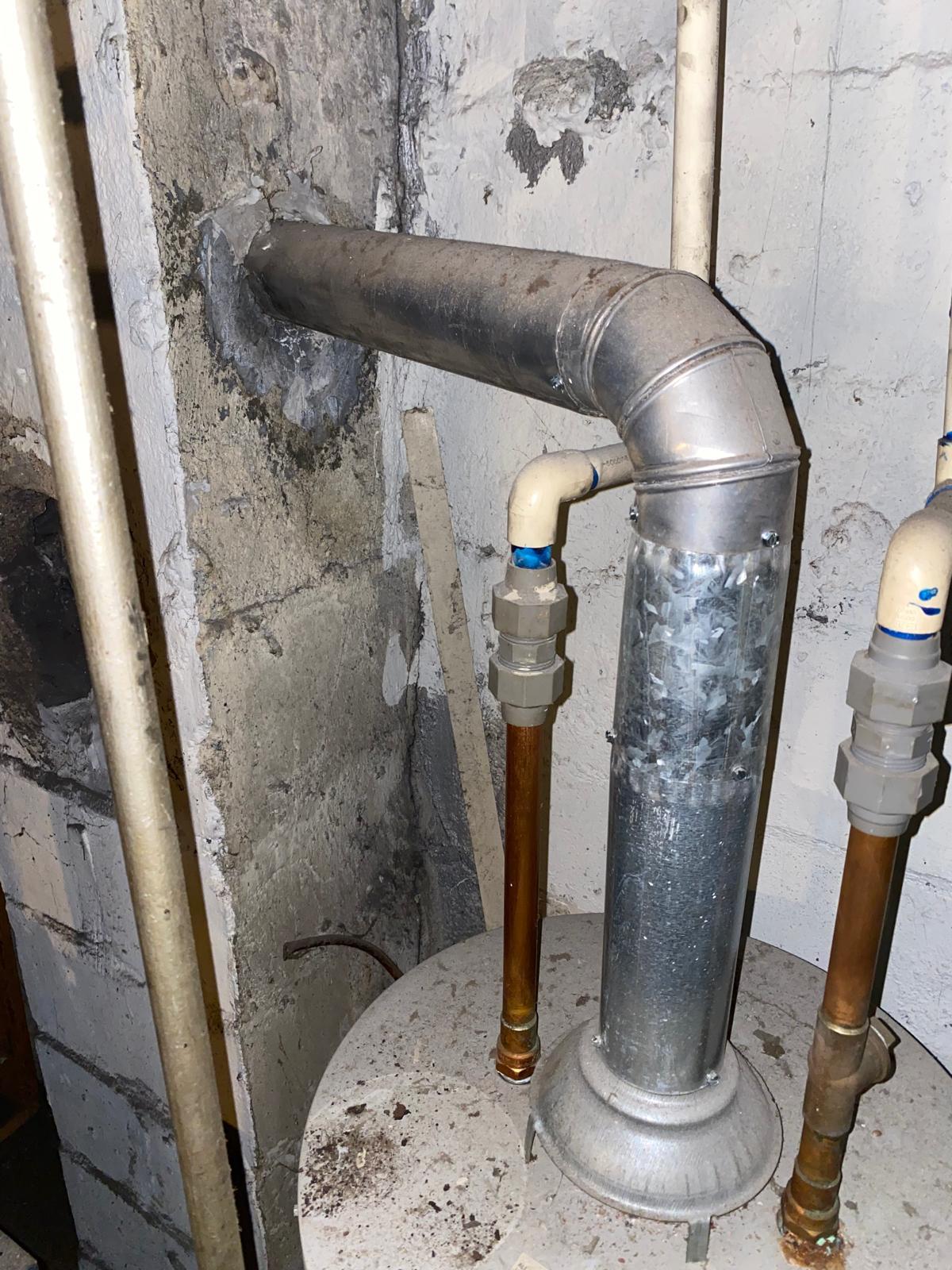
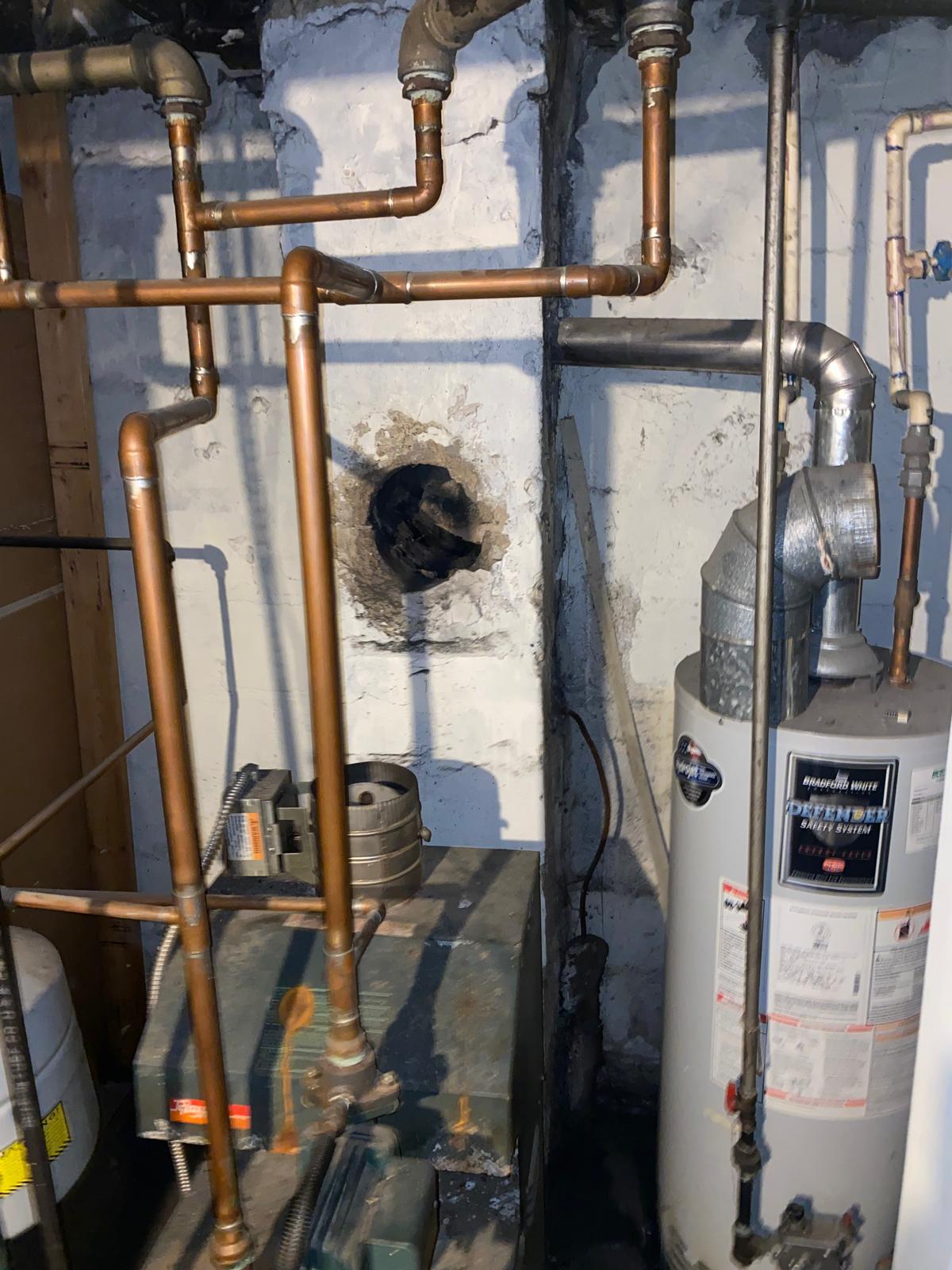
The chimney system is an intricate network of flues, liners, dampers, and caps designed to safely evacuate combustion byproducts, including carbon monoxide, from your home. When any part of this system is compromised, the risk of CO intrusion skyrockets.
How a Compromised Chimney Poses a CO Threat
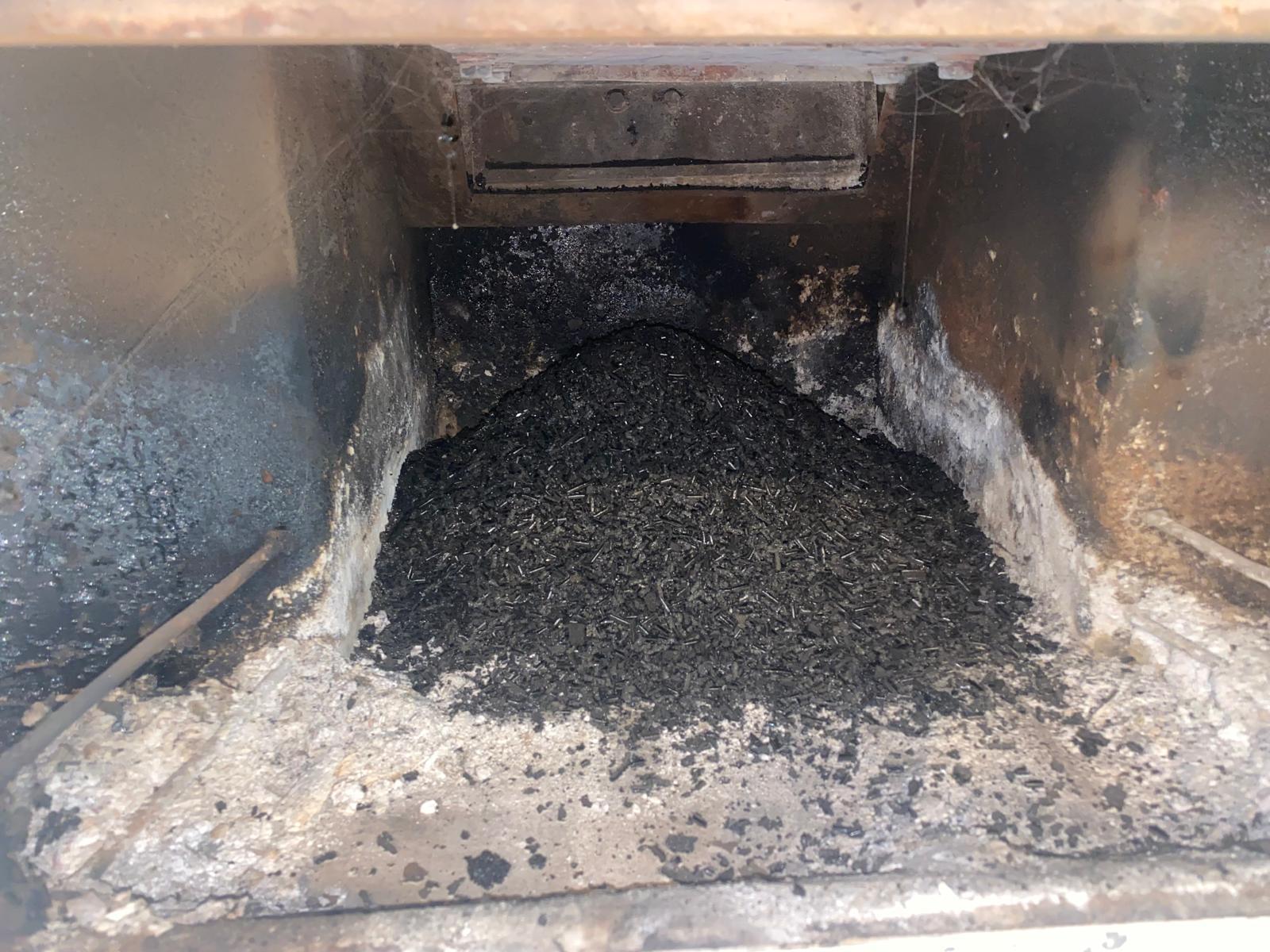
- Blockages: Accumulation of creosote, soot, debris, bird nests, or even structural collapse can create partial or complete blockages. This impedes the natural upward flow of gases, forcing them back down into your home.
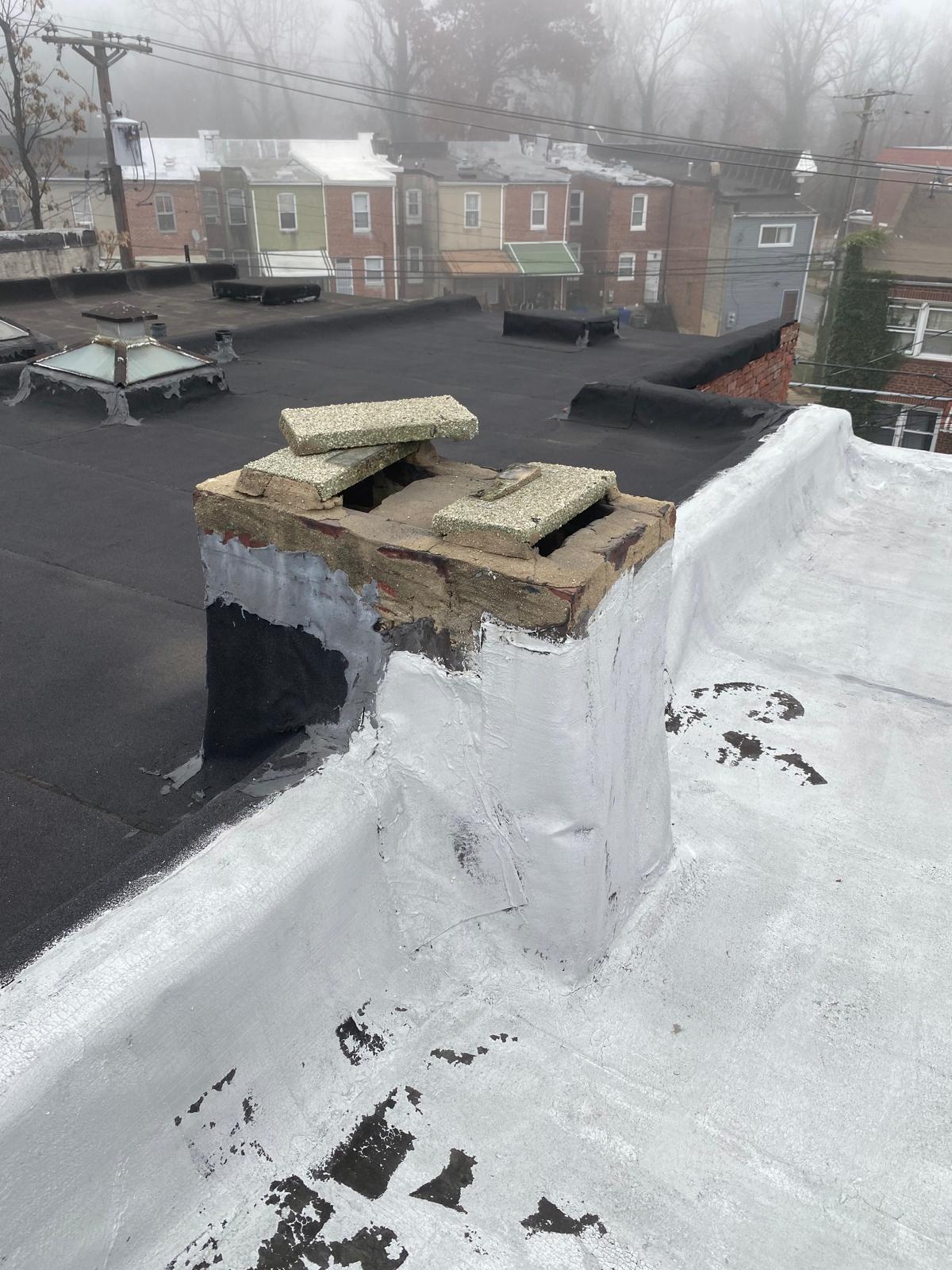
- Cracked or Deteriorated Liners: The chimney liner is a critical barrier that contains heat and gases, protecting the chimney structure and preventing gases from leaking into your home. Cracks, gaps, or deterioration allow CO to seep into the living space through brick and mortar joints.
- Damaged or Malfunctioning Dampers: A damper that doesn’t fully open or close properly can restrict airflow, causing smoke and CO to spill back into the room. A faulty damper might also allow cold air in, encouraging fires to burn inefficiently and produce more CO.
- Improper Drafting: Issues with chimney height, diameter, or external factors like high winds in certain parts of Los Angeles can lead to poor draft, preventing proper ventilation of combustion gases.
- Ventilation Issues: Modern, energy-efficient homes can be very tightly sealed, sometimes creating negative air pressure that pulls combustion gases back down the chimney instead of letting them escape.
The Essential Role of Professional Chimney Sweeping and Inspection
This is where the professional element becomes non-negotiable. A smart CO detector cannot identify or rectify any of the chimney issues listed above. Only a certified chimney technician, like those at DD Chimney Cleaning, possesses the tools, training, and expertise to thoroughly inspect, diagnose, and repair these critical system failures.
- Creosote Removal: Professional sweeping removes flammable creosote buildup, which is both a fire hazard and a potential blockage causing CO backup.
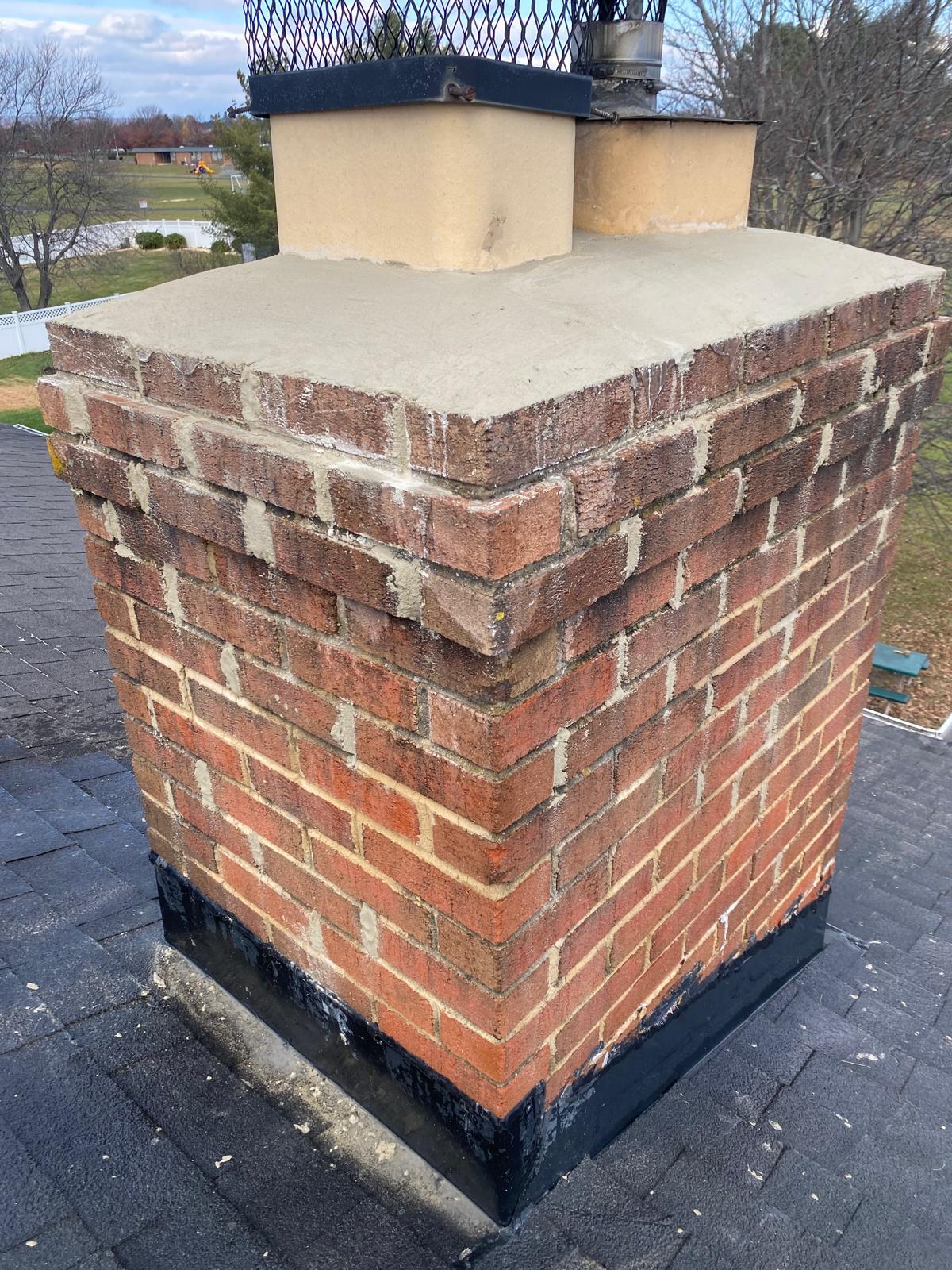
- Structural Integrity Check: Technicians inspect the entire chimney from top to bottom, checking for cracks, spalling bricks, mortar joint deterioration, and cap damage – all factors that can compromise safety.
- Liner Assessment: Using specialized cameras, professionals examine the chimney liner for cracks, gaps, and overall condition, ensuring it provides a continuous, secure pathway for gases.
- Dampener and Damper Functionality: Inspection of these components ensures proper operation, allowing for effective smoke and CO evacuation.
- Draft Analysis: Professionals can assess and recommend solutions for drafting issues that might be contributing to CO spillage.
Integration with Smart Home Systems (Professional Insight): Beyond just fixing physical issues, professional chimney experts can advise on how your chimney’s performance integrates with your overall home ventilation and smart system. They can explain how factors like exhaust fans or tightly sealed windows might impact chimney draft, a crucial piece of information for comprehensive CO safety in an advanced smart home environment.
DIY vs. Professional: A Crucial Distinction for Your Los Angeles Home Safety
For Los Angeles homeowners, the distinction between what you can “DIY” and what requires professional intervention is stark when it comes to CO safety and your chimney system. Both aspects are indispensable, but they address different facets of the problem.
When DIY is Sufficient (The Device Itself): You can, and absolutely should, take responsibility for purchasing, installing, and regularly monitoring your smart carbon monoxide detectors. This empowers you with immediate alerts and remote monitoring capabilities, significantly improving your reactive safety measures. These devices are user-friendly and designed for homeowner setup.
When Professional Intervention is Non-Negotiable (The Chimney System): The physical condition and operational efficiency of your chimney system are beyond the scope of DIY. This requires specialized tools, training, and knowledge. A professional chimney sweep and inspection ensure that the source of potential CO emissions—the combustion appliance and its venting—is functioning safely and efficiently. Without this proactive maintenance, your smart CO detector is merely a sophisticated last line of defense against an otherwise preventable threat.
The ultimate strategy for complete carbon monoxide safety in your Los Angeles home involves a synergistic approach: empower yourself with smart CO detectors for advanced warnings, and partner with qualified professionals for proactive chimney system maintenance. One without the other leaves your home vulnerable.
Frequently Asked Questions (FAQ)
Q1: How often should I have my chimney inspected in Los Angeles?
A: The Chimney Safety Institute of America (CSIA) recommends that chimneys connected to wood-burning appliances be inspected annually. Gas and oil heating system flues should also be inspected annually. This ensures early detection of potential issues that could lead to carbon monoxide intrusion.
Q2: Can a smart carbon monoxide detector detect issues with my chimney?
A: A smart CO detector can alert you if dangerous levels of carbon monoxide are present in your home. However, it cannot diagnose *why* those levels are present or identify specific chimney faults like blockages, cracks, or creosote buildup. Its function is detection, not diagnosis or prevention of the chimney issue itself.
Q3: Where should I place smart carbon monoxide detectors in my Los Angeles home?
A: Install smart CO detectors on every level of your home, including the basement and outside all sleeping areas. For maximum safety, place one inside each bedroom, especially if you have an attached garage or multiple fuel-burning appliances. Avoid placing them too close to fuel-burning appliances to prevent nuisance alarms, or too close to windows and doors where readings might be inaccurate.
Q4: What’s the difference between a smoke detector and a carbon monoxide detector?
A: A smoke detector is designed to detect smoke from fires. A carbon monoxide detector specifically detects the presence of carbon monoxide gas. While some units offer combined smoke and CO detection, it’s crucial to have both types of detection in your home, as CO is undetectable by smell or sight, unlike smoke.
Secure Your LA Home: Act Today
The safety of your Los Angeles home hinges on a comprehensive approach to carbon monoxide prevention. While smart CO detectors provide invaluable vigilance, they are only one part of the equation. Proactive chimney maintenance is the essential other half, addressing the potential sources of this dangerous gas before it ever enters your living space.
Don’t wait for your smart detector to warn you of an existing problem. Take the preventative steps that truly protect your family. For expert chimney sweeping, inspection, and repair services in the Los Angeles area, trust the professionals at DD Chimney Cleaning. We ensure your chimney system is operating safely and efficiently, providing peace of mind beyond basic detection.
Call DD Chimney Cleaning today for a comprehensive chimney system evaluation: (833) 339-6803. Your family’s safety is non-negotiable.