The sudden, acrid scent of smoke wafting into your living room instead of gracefully escaping up the chimney. The suspicious dark stain appearing on an attic beam after a particularly brutal Chicago winter. The unexplained, persistent draft chilling your historic Loop-area brownstone. These aren’t minor inconvenances; they’re distress signals from your home’s most neglected vertical system – the chimney. For homeowners across Chicago, especially those in classic neighborhoods like Lincoln Park, Lakeview, or the historic Bungalow Belt, an older home often means an older chimney. And with age, coupled with the unforgiving Illinois climate, comes a distinct profile of wear and tear that demands a discerning eye.
This isn’t about identifying a simple blockage. This is about playing the chimney detective, understanding the nuanced language of deterioration in structures that have weathered decades, often a century or more, of Chicago’s notorious elements. We delve into specific case studies, dissecting the symptoms, diagnosing the root causes, and illuminating the preventative measures critical for safety, efficiency, and the structural integrity of your treasured property.
Case Study 1: The Crumbling Crown – Chicago’s Freeze-Thaw Nemesis
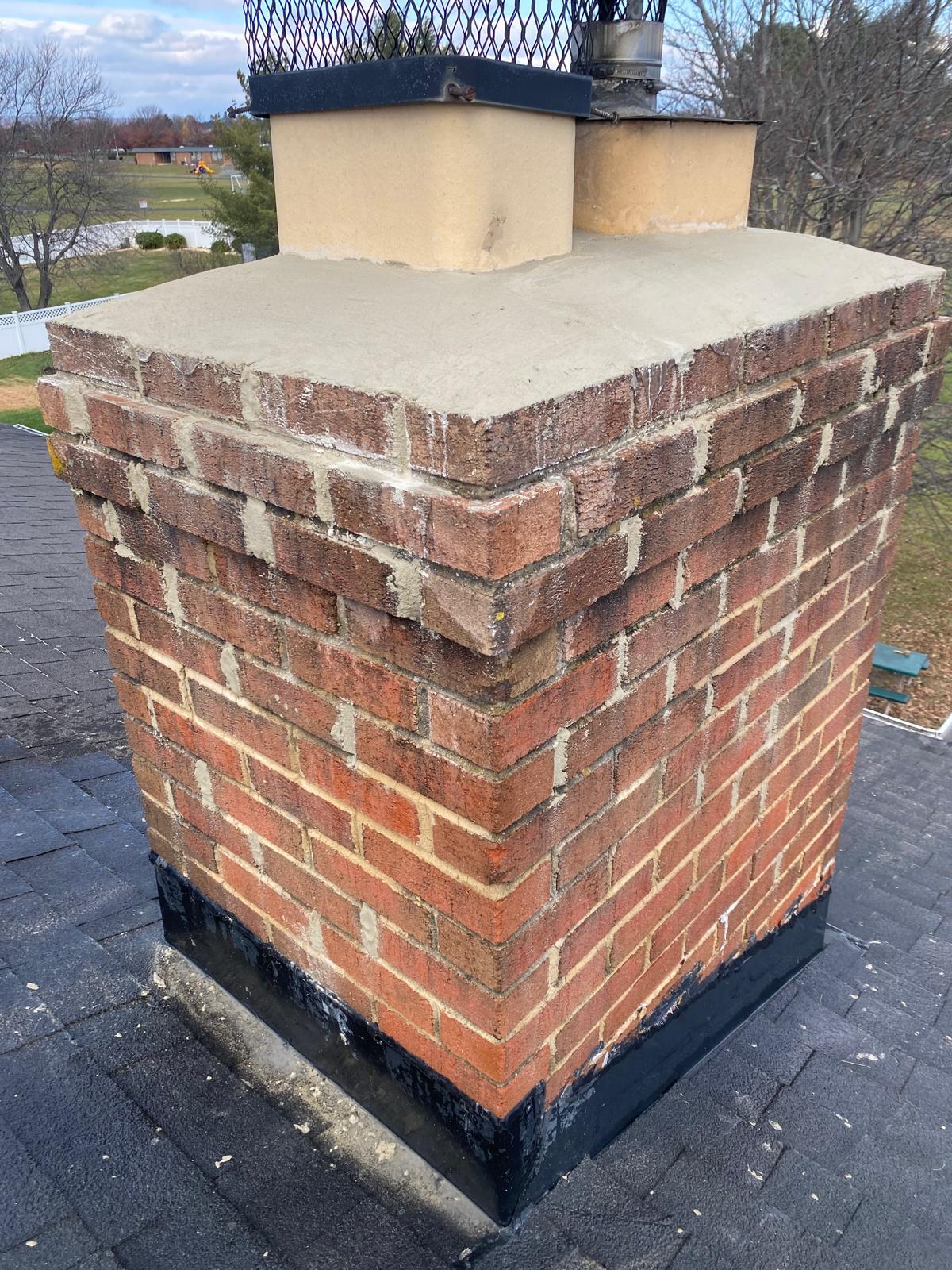
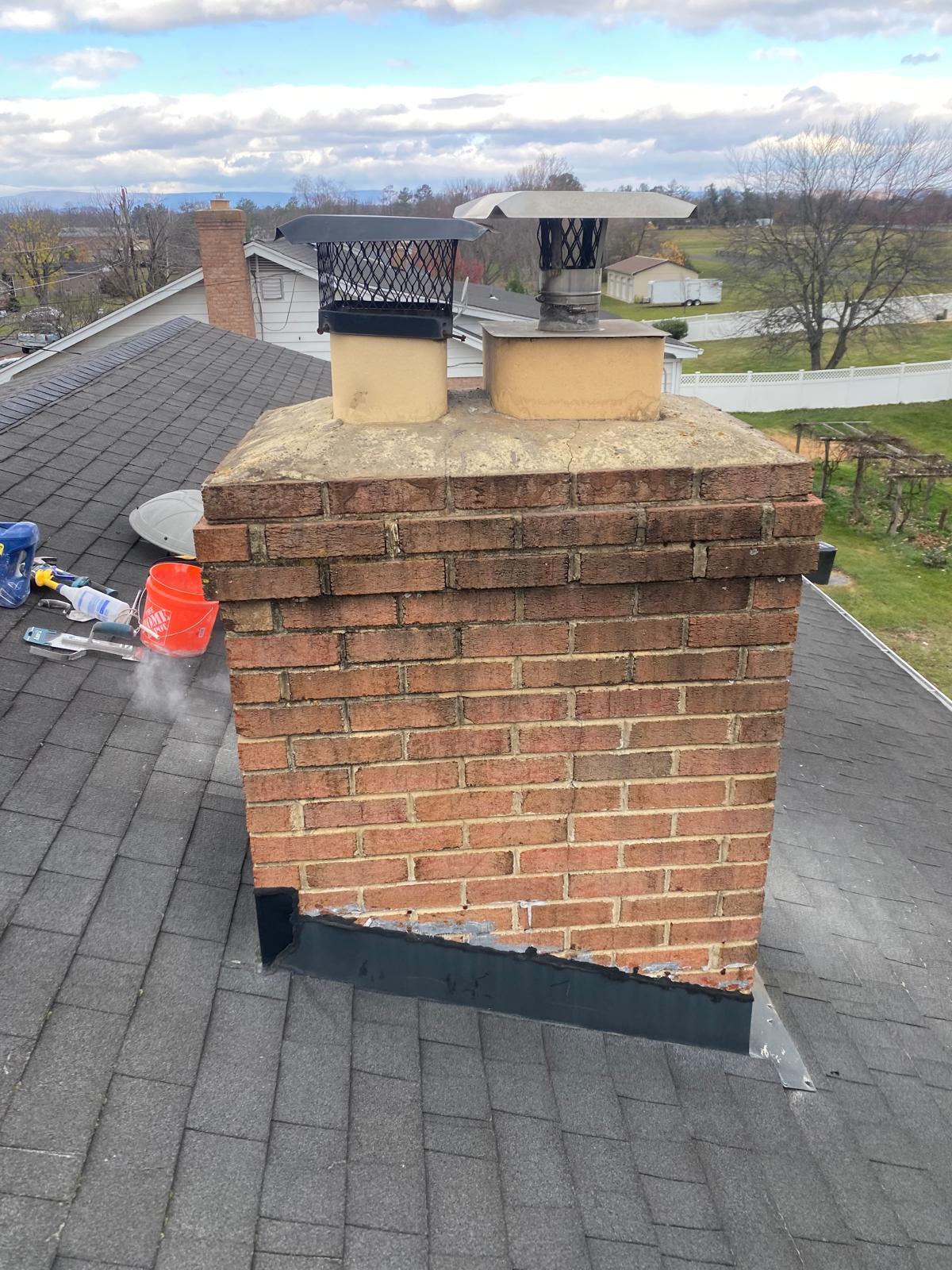
Imagine a century-old brick two-flat in Logan Square. The structure is robust, but the chimney, rising prominently above the roofline, tells a different story. The homeowner reports inexplicable moisture stains on the attic ceiling directly below the chimney, particularly after a snowmelt or heavy rain. Visually, from the ground, the brickwork appears generally sound, but a closer inspection, perhaps by a roofing contractor for another issue, reveals an ominous detail: large chunks of mortar and small pieces of brick accumulating on the roof around the chimney base.
Diagnosis: Deteriorated Chimney Crown
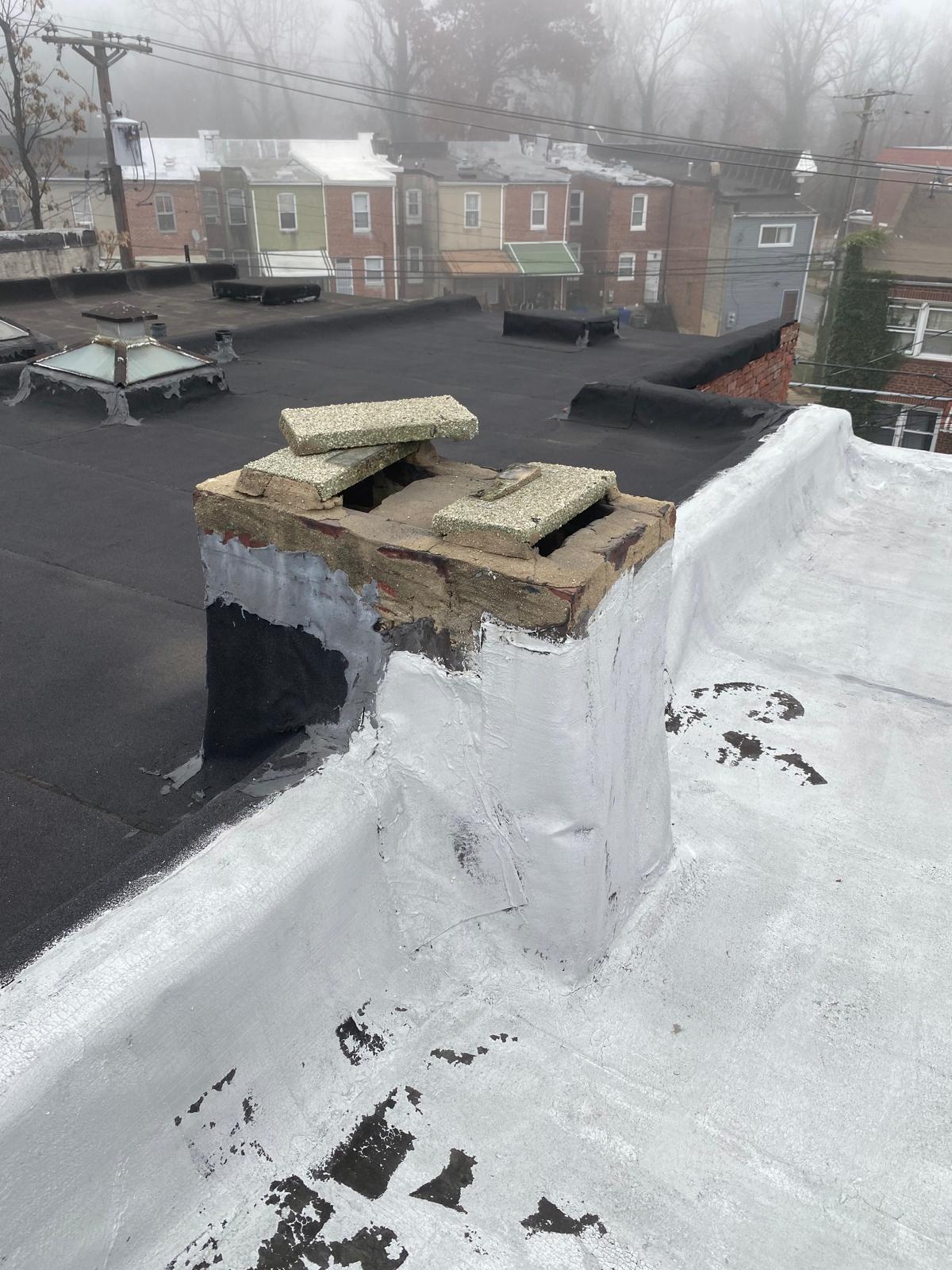
The chimney crown, also known as the wash, is the concrete or stone slab capping the top of the chimney stack, sealing off the chimney from the elements except for the flue opening(s). Its primary function is to shed water away from the vulnerable flue tiles and masonry below. In older Chicago homes, these crowns were often constructed with inadequate materials, or simply weren’t built to withstand the relentless assault of countless freeze-thaw cycles. Temperatures can swing from sub-zero to above freezing multiple times within a single week during a typical Chicago winter. When moisture seeps into micro-fissures in the crown, freezes, expands, and then thaws, it exerts immense pressure, progressively widening cracks and ultimately causing spalling (surface flaking or crumbling) and significant deterioration. Over time, these cracks become significant pathways for water intrusion, leading directly to the symptoms observed.
The tell-tale signs often include:
- Visible cracks extending across the crown surface, sometimes radiating from the flue liner.
- Missing sections of the crown, exposing mortar joints or even the top course of bricks directly to precipitation.
- Water pooling on the crown surface instead of shedding properly, indicating improper slope.
- Efflorescence (white, powdery mineral deposits) on the exterior masonry below the crown, signaling water saturation within the bricks.
- Spalling brickwork directly beneath the crown, often the first few courses, indicating consistent water absorption and freezing.
Impact and Expert Insight
A compromised chimney crown is a critical vulnerability. Industry statistics indicate that water penetration is the single largest factor contributing to chimney damage, accounting for approximately 90% of all chimney problems. The crown is the first line of defense. Failure here means water can seep into the masonry, causing not only spalling but also significant structural damage, potentially rusting the steel rebar (if present) or weakening the mortar joints. Internally, water can degrade the flue liner and even lead to mold growth and expensive water damage to ceilings and walls within the home.
A true professional assessment, utilizing a high-definition camera system, will confirm the extent of crown damage. Repair often involves carefully removing deteriorated material and pouring a new, properly sloped, reinforced concrete crown with an adequate overhang and drip edge – a critical detail often overlooked in older, original crowns – to ensure water sheds completely away from the chimney’s sides. For those owning historical Greystones in Hyde Park or classic brick bungalows further west, understanding this common vulnerability is paramount for preventative maintenance. Addressing crown issues proactively can save thousands in more extensive masonry repairs down the line.
Case Study 2: The Silent Destroyer – Flue Liner Failure
Consider a historic Victorian home in Wicker Park, lovingly restored, but its fireplace remains largely unused due to a pervasive, damp, smoky odor that sometimes permeates the first floor, even when the fireplace isn’t lit. When it is used, it frequently smokes into the room, despite efforts to ensure proper damper operation and dry wood. The homeowners also recall a subtle but consistent downdraft on windy days coming from the unused flue.
Diagnosis: Compromised or Missing Flue Liner
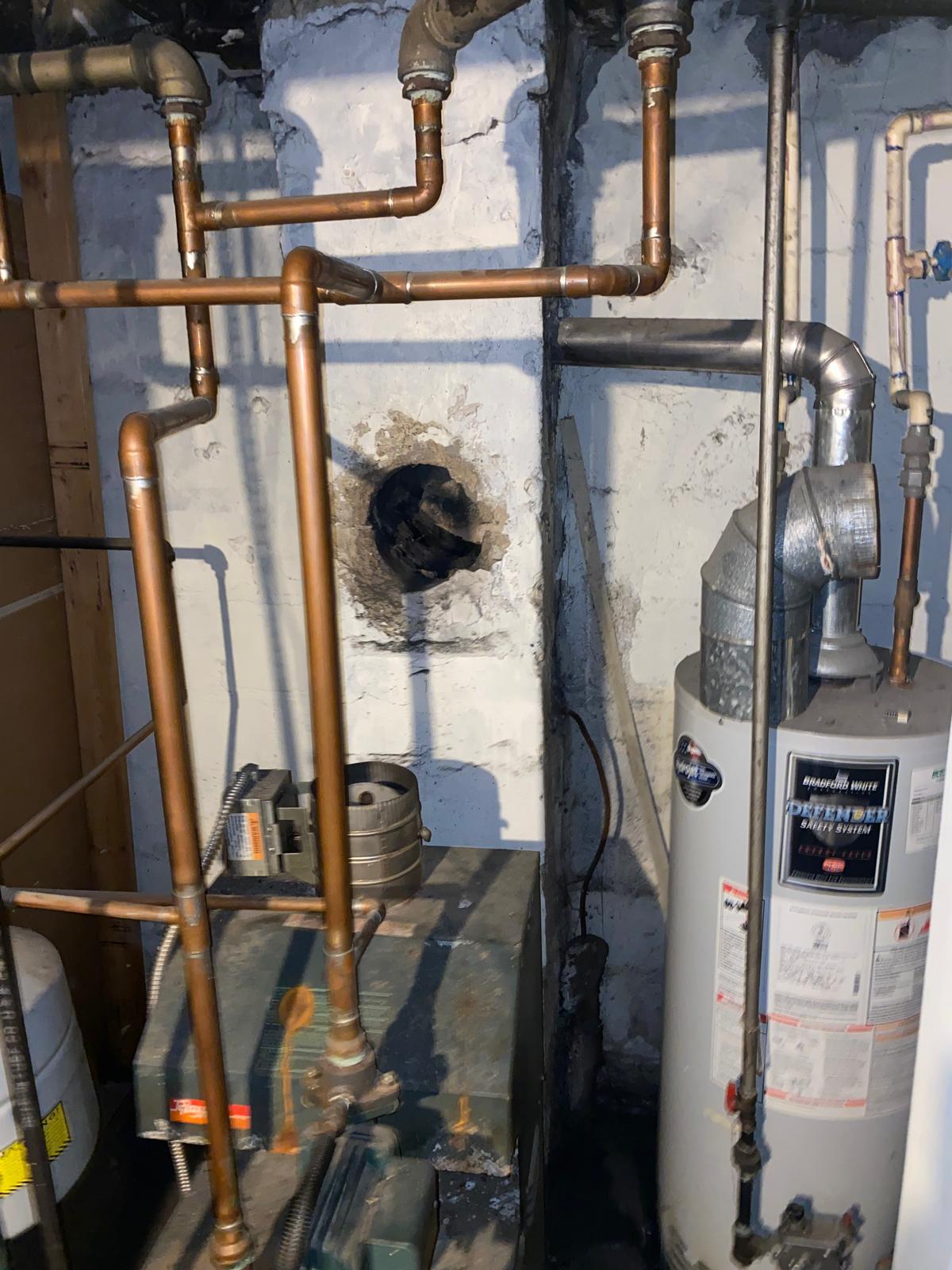
The flue liner is an often-unseen but critically important component, running the entire height of the chimney interior. It’s essentially the exhaust pipe for your fireplace, stove, or furnace. In many older Chicago homes, especially those built before the 1940s, chimneys may have been constructed with terra cotta (clay tile) liners. Some very old structures might even lack a dedicated liner altogether, relying solely on the brick and mortar joints for containment. Over time, these clay tiles are susceptible to cracking, spalling, and deterioration due to:
- Thermal Shock: Rapid heating and cooling during use, particularly with hotter-burning fuels or occasional chimney fires. Chicago’s rapid temperature changes externally exacerbate internal stresses.
- Moisture Intrusion: Water seeping in from a damaged crown or flashing can soften clay tiles and degrade mortar joints within the flue.
- Age and Material Quality: Decades of use and inherent limitations of original materials.
- Previous Chimney Fires: Even minor, unnoticed chimney fires can cause hairline cracks that propagate over time.
A damaged flue liner presents several critical dangers:
- Fire Hazard: Cracks in the liner allow intense heat and flames to escape into combustible materials surrounding the chimney (framing, insulation), drastically increasing the risk of a house fire. The National Fire Protection Association (NFPA) recommends annual inspections precisely to identify such vulnerabilities.
- Carbon Monoxide (CO) Poisoning: A breached liner can allow deadly, odorless carbon monoxide to leak into living spaces, particularly when connecting to gas appliances.
- Inefficient Draft: Rough, broken flue surfaces create turbulence, impeding proper smoke evacuation and leading to the smoky smell and downdraft experienced by our Wicker Park homeowners.
- Accelerated Masonry Decay: Acidic combustion byproducts (like creosote) can attack unprotected mortar joints and bricks, weakening the chimney structure from the inside out.
Homeowners in Beverly Hills have also found great results with visit their website.
Impact and Expert Insight
Professional chimney inspection for this type of issue necessitates a Level 2 inspection, which includes a video camera scan of the entire flue length. This technology allows inspectors to precisely identify cracked, spalled, or missing liner sections. If a flue liner is damaged, it absolutely requires repair or replacement before the fireplace or appliance can be safely used. Options typically include:
- Stainless Steel Liners: The most common and durable solution for fireplace and solid fuel appliance flues.
- Cast-in-Place Liners: A refractory cement mixture is pumped into the flue, creating a seamless, insulating, and highly durable liner.
- HeatShield® Cerfractory Flue Sealant: For minor cracking, this resurfacing system can restore the integrity of existing clay tile liners.
For related services, read more here offers excellent solutions.
When considering the safety of your home, whether you’re in a charming Ravenswood bungalow or a classic Lakeview condo, overlooking flue liner integrity is a grave mistake. The potential costs associated with a chimney fire or CO poisoning far outweigh the investment in a professional repair. The rigorous inspection standards applied by DD Chimney Cleaning in Chicago ensure such hidden dangers are meticulously uncovered.
Case Study 3: Masonry Meltdown – The Brick and Mortar Battlefield
Imagine a sturdy Old Town rowhouse built in the late 19th century. From the street, the brickwork exudes character, but closer examination of the chimney reveals patches of missing mortar, especially on the west and north-facing sides, exposed to the prevailing winds and harshest weather. Some bricks appear “pitted” or have lost their outer faces. The homeowner has noticed small piles of brick dust on the roof after particularly heavy rains.
Diagnosis: Deteriorated Mortar Joints and Spalling Bricks
This is arguably the most common and visually obvious form of chimney deterioration in older Chicago homes. The masonry, particularly the mortar, is constantly under siege. The primary culprits are:
- Weathering: Chicago’s climate (high winds, heavy rain, persistent freezing, significant temperature swings, and lake-effect moisture) relentlessly attacks mortar joints. Water infiltrates minute cracks, freezes, expands, and dislodges mortar particles. Over decades, this process leads to significant mortar erosion.
- Original Mortar Mix: Many older homes used lime-based mortar, which is softer and more permeable than modern Portland cement mixes. While ideal for historical brick movement, it requires more consistent maintenance.