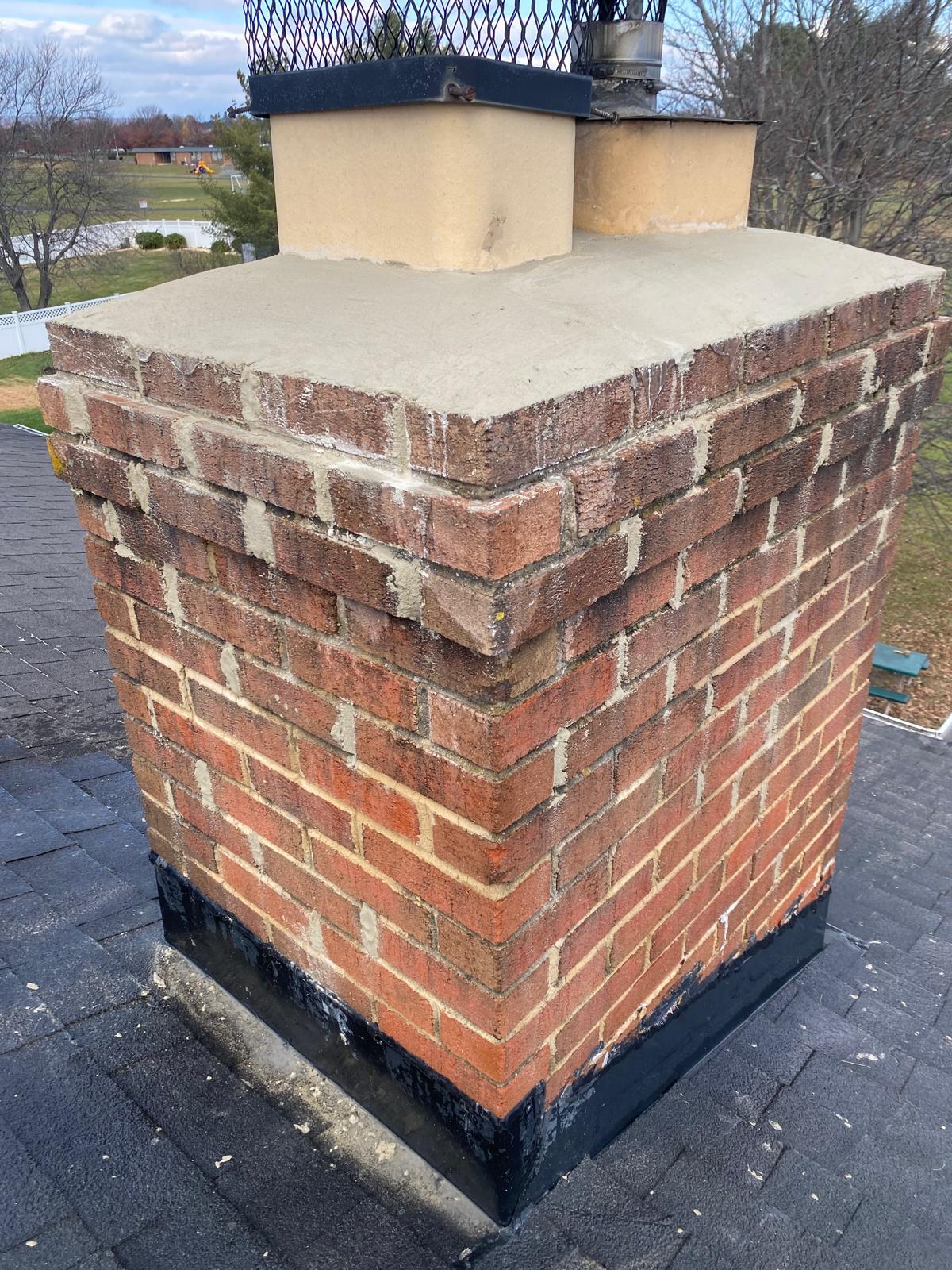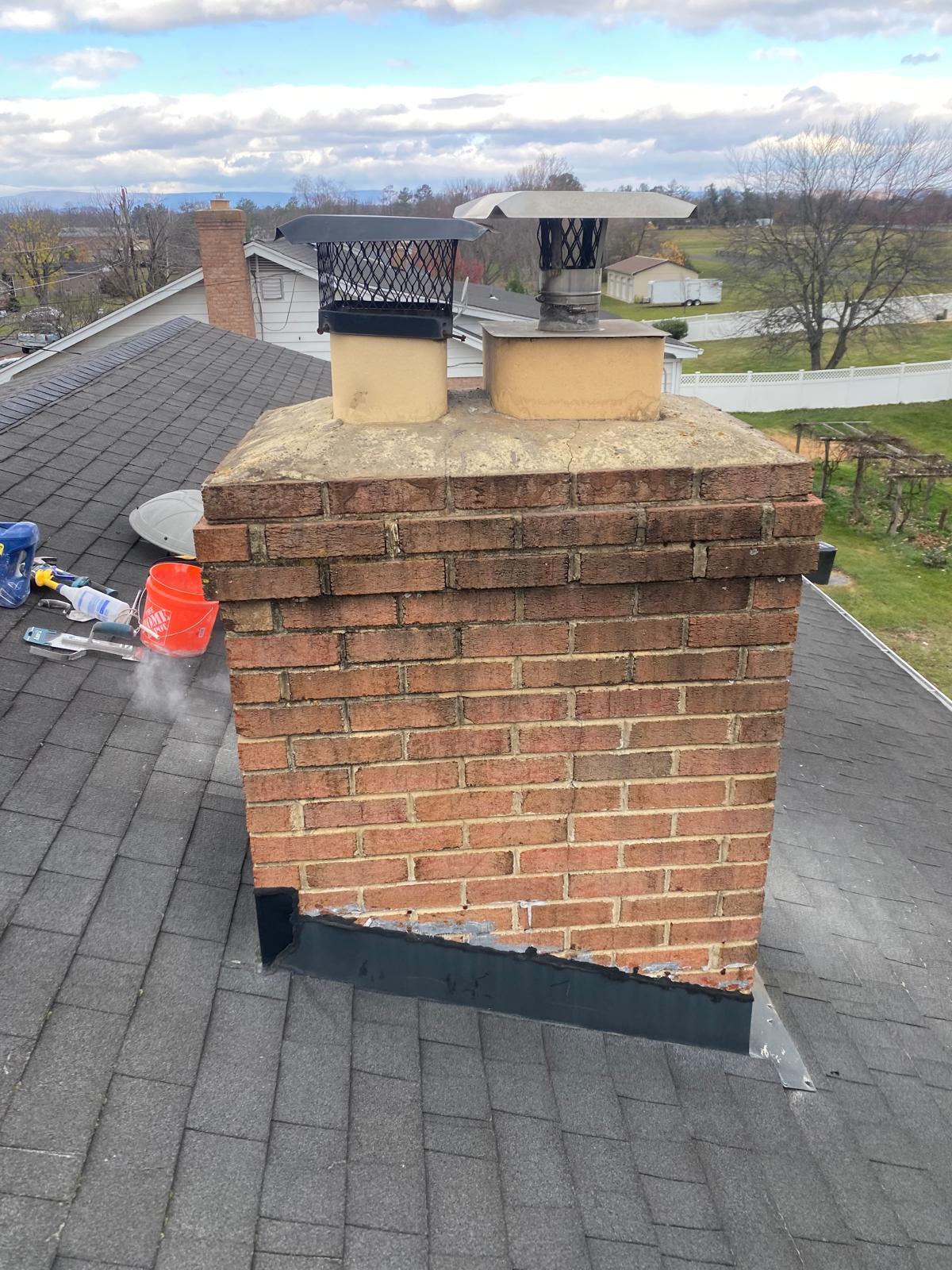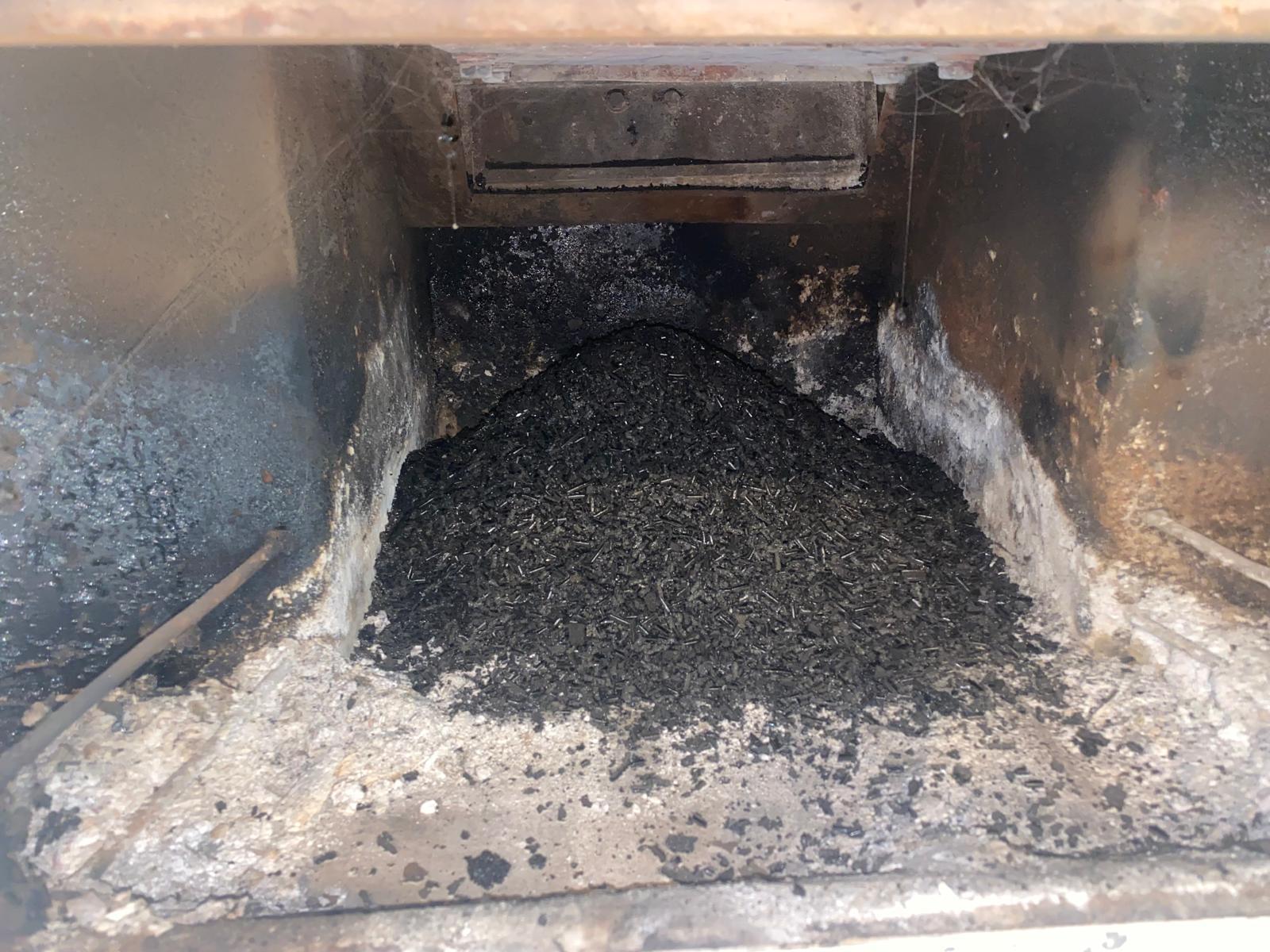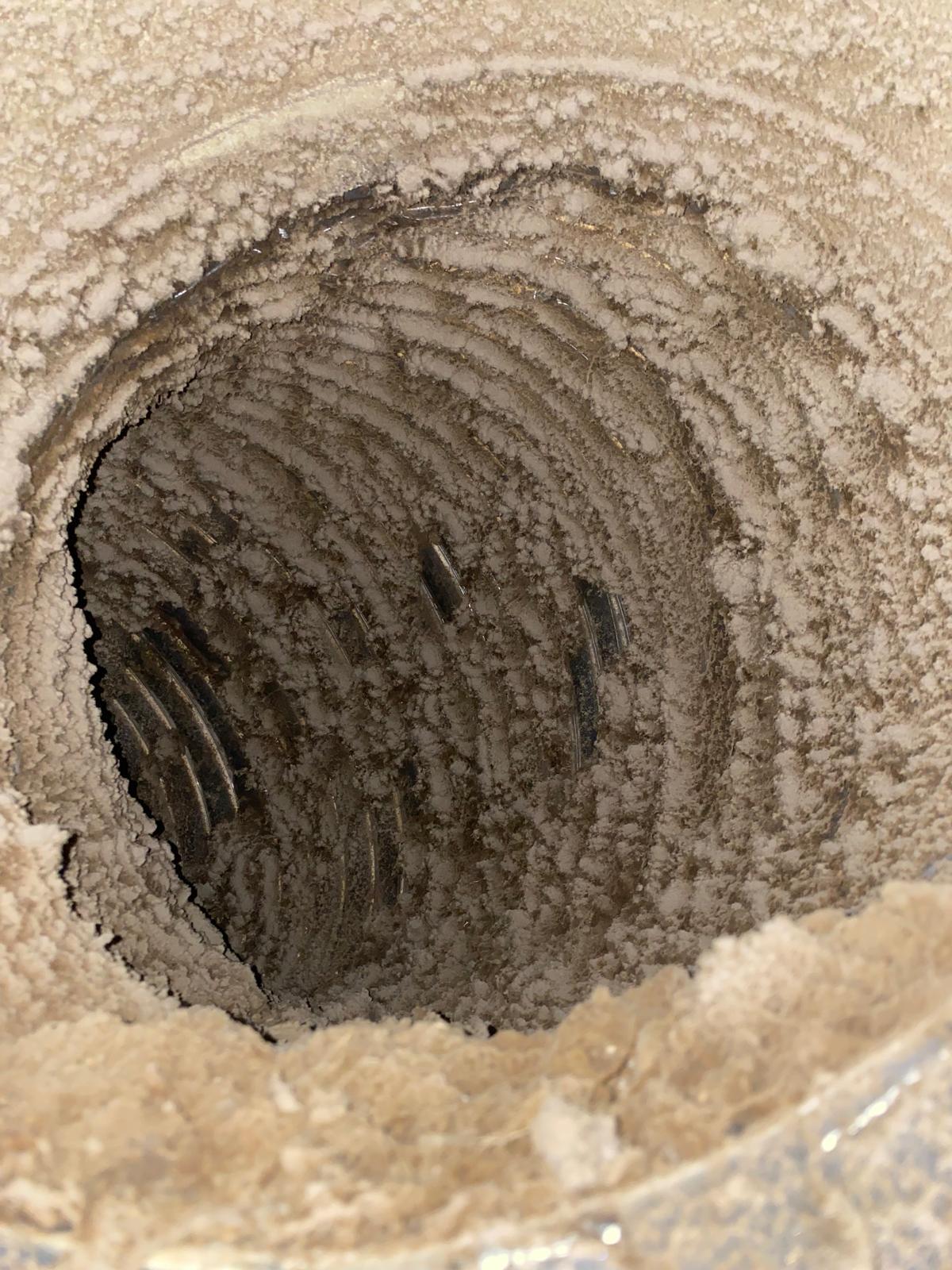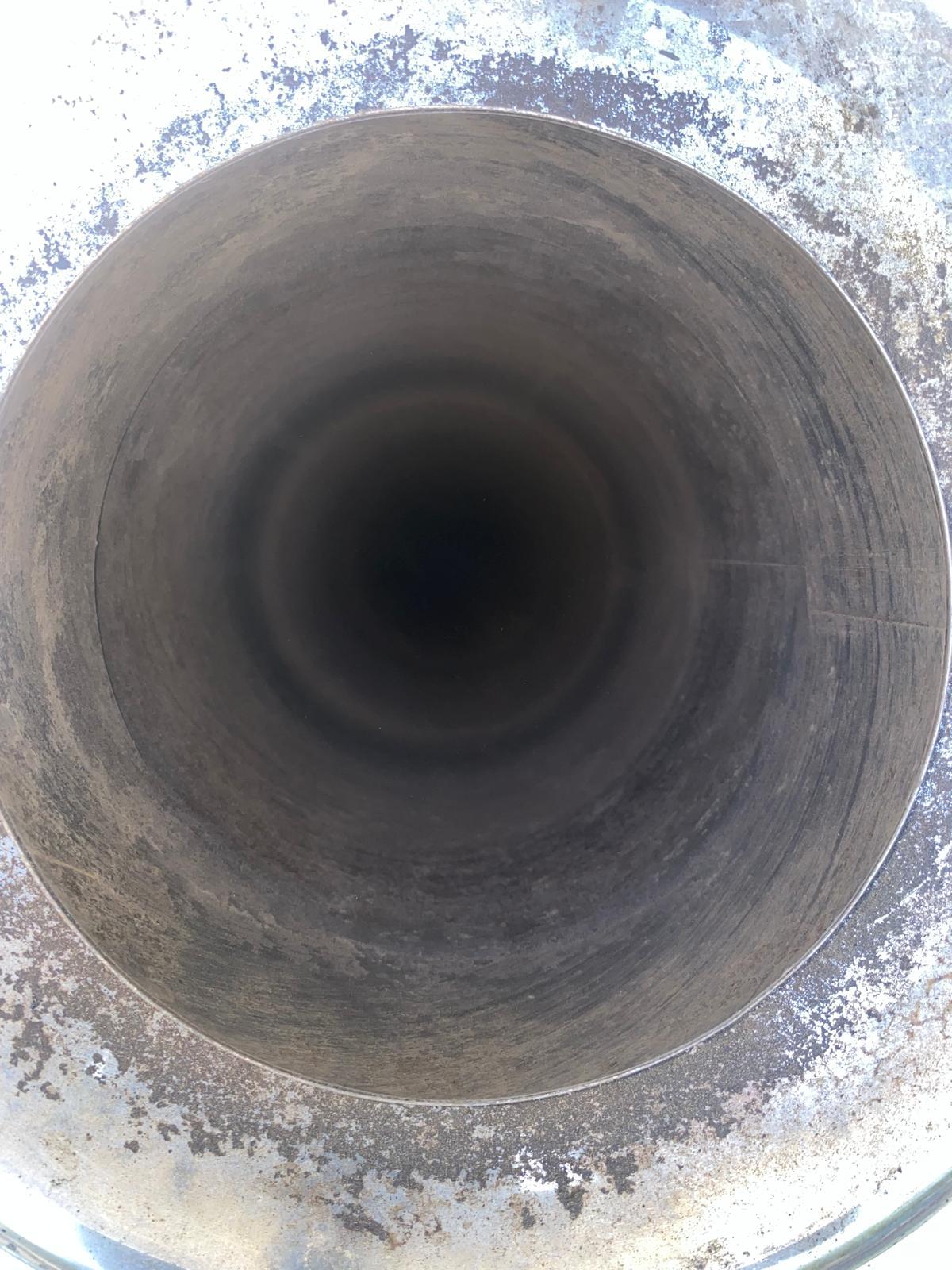
Do you own a Philadelphia home featuring a metal chimney, and often wonder if its care differs from traditional masonry structures?
At DD Chimney Cleaning, we understand the specific nuances that come with maintaining various chimney types across diverse climates. While our roots are firmly in Los Angeles, our expertise extends to advising homeowners in cities like Philadelphia, where climate and architecture present unique challenges. Metal chimneys, a common choice for their durability and lighter weight, require a distinct approach to cleaning and maintenance, especially amidst the historic charm and variable weather of the City of Brotherly Love. Let’s delve into a seasonal guide for ensuring your metal chimney remains safe and efficient.
Spring: Post-Winter Assessment and Initial Cleaning
As the long, often harsh Philadelphia winter gives way to spring, this is the critical period for assessing the toll the elements have taken on your metal chimney. The freeze-thaw cycles common to the region, particularly in neighborhoods like Manayunk or Chestnut Hill, can stress metal components. Moisture trapped in crevices can expand, causing minor warping or loosening of sections. More significantly, the winter heating season undoubtedly left behind a buildup of creosote and soot.
Metal chimneys, particularly those made of stainless steel or galvanized steel, can cool faster than masonry flues. This faster cooling can lead to accelerated creosote accumulation, especially if unseasoned wood was burned or the fireplace was operated inefficiently. Creosote, a highly flammable byproduct of combustion, is responsible for approximately 25,000 chimney fires annually in the U.S. Professional DD Chimney Cleaning in Philadelphia is essential to remove these hazardous deposits. Our technicians are trained to identify corrosion, examine joint integrity, and ensure the entire system, including caps and flashing, is sound after winter’s onslaught. This proactive cleaning not only prevents fires but also extends the lifespan of your chimney components.
Summer: Guarding Against Moisture and Preparing for Fall
Philadelphia’s humid summers, often punctuated by severe thunderstorms, present a different set of challenges for metal chimneys. Unlike masonry, metal is less porous but still susceptible to moisture-related issues, primarily rust and corrosion, especially at seams and joints. Regular visual checks for discoloration or rust streaks are crucial during this period. Beyond visual inspection, professional cleaning services like DD Chimney Cleaning often incorporate techniques to inspect for potential water intrusion points, which, if left unaddressed, can lead to internal corrosion and compromised structural integrity over time. Ensuring chimney caps are securely in place and free of debris will deter nesting animals and prevent rain from entering the flue. This preventative maintenance step is similar to vital chimney cleaning in Chicago, where extreme weather demands robust protection.
Summer is also the ideal time to schedule your pre-heating season chimney cleaning and inspection. Waiting until fall means longer wait times. An early inspection by DD Chimney Cleaning allows ample time to address any discovered issues, from minor repairs to component replacements, well before you need to light your first fire. This ensures optimal drafting, reduces the risk of chimney fires, and safeguards against carbon monoxide leaks.
Autumn: Pre-Heating Season Tune-Up and Operational Readiness
As the crisp autumn air settles over iconic areas like Rittenhouse Square and Society Hill, homes begin to anticipate the warmth of their fireplaces. For metal chimneys, this season calls for a final, thorough check to confirm readiness. The focus shifts to operational efficiency and safety. Ensure that any dampers operate smoothly and seal completely, preventing heat loss when the fireplace is not in use. Check that the flue is clear of any summer nests or debris that might have accumulated. Thermal efficiency is key; proper insulation within the metal chimney system, as per manufacturer specifications, prevents excessive heat loss and subsequent creosote formation.
A professional chimney sweeping at this time ensures all the remnants of summer dust and any early-season burning by others are cleared. The expertise brought by DD Chimney Cleaning ensures that even the most complex flue designs, often found in retrofitted historic homes across Philadelphia, are cleaned meticulously. Owners in the Mid-Atlantic, much like those relying on DD Chimney Cleaning in Boston, appreciate this meticulous attention to detail.
Winter: Vigilance During Operation
During winter, when your metal chimney is in regular use, vigilance is paramount. Beyond enjoying the warmth, pay attention to how your chimney is performing. Listen for unusual noises, such as rattling or whistling, which could indicate loose components or obstructions. Look for signs of smoke spillage into your home, which signals a drafting problem. Ensure your fire burns brightly and cleanly; a slow, smoldering fire significantly increases creosote production.
Regular visual inspections of the exterior for any obvious damage or blockages are recommended. While DD Chimney Cleaning provides thorough yearly cleaning, maintaining awareness of your system’s performance during peak usage is a shared responsibility. The varying temperatures from continuous burning inside to freezing temperatures outside can cause thermal stress on the metal, emphasizing the importance of a well-designed and properly maintained system, crucial for homes from South Philly to Fishtown. For professional advice or an urgent assessment, contact DD Chimney Cleaning at (833) 339-6803. Many of our readers also trust DD Air Duct Cleaning for their home service needs.
Year-Round Metal Chimney Considerations & DD Chimney Cleaning Expertise
Unlike masonry, which can absorb moisture and spall, metal chimneys are prone to specific issues such as corrosion, galvanic reactions (if dissimilar metals are improperly joined), and accelerated wear from thermal cycling. Stainless steel, generally preferred for its resistance to corrosive byproducts of combustion, still requires regular cleaning to remove acidic creosote and ensure its integrity. The average lifespan of a well-maintained stainless steel chimney liner can be 15-20 years, but this significantly diminishes with neglect. Without proper, annual cleaning, acidic creosote can eat away at the metal, reducing its wall thickness and compromising safety.
Whether your Philadelphia home has a modern pre-fabricated metal chimney system or a metal liner inserted into an older masonry flue, chimney cleaning in Baltimore shares common problems with its northern neighbor. The distinct benefits of metal – lighter weight, faster heat-up times, and suitability for various fuels – are maximized only with expert care. DD Chimney Cleaning has the specialized tools and knowledge to meticulously clean and inspect these systems, ensuring every component from the crown to the firebox is optimized for safety and efficiency. This expertise also extends to various regions, including Detroit chimney services, demonstrating our comprehensive approach to chimney safety regardless of location.
FAQ: Metal Chimneys in Philadelphia Homes
Q1: How often should a metal chimney in Philadelphia be cleaned?
A1: Generally, annual cleaning and inspection are recommended by the National Fire Protection Association (NFPA). However, if you burn frequently, use unseasoned wood, or notice rapid creosote buildup, more frequent cleaning by a professional like DD Chimney Cleaning may be necessary.
Q2: What are common signs a metal chimney needs cleaning or repair?
A2: Smoke coming back into your home, a strong smoky odor even when not in use, a sudden decrease in fireplace efficiency, visible creosote buildup, rattling noises, or rust/corrosion on the exterior are all indicators.