Imagine this chilling scenario: You wake up one morning in your Los Angeles home, perhaps in a charming bungalow in Silver Lake or a sprawling property in Brentwood, feeling unusually sluggish. Your head aches, and you’re nauseous. At first, you might dismiss it as a bug. But as the day progresses, symptoms worsen, becoming more severe for your children or elderly family members. The insidious culprit? An invisible, odorless, tasteless gas silently filling your home because your water heater, a seemingly innocuous appliance, can’t properly vent its exhaust. This isn’t just a hypothetical nightmare; it’s the very real danger of carbon monoxide poisoning, often stemming from a neglected chimney flue.
While we in sunny Los Angeles might not rely on our fireplaces as often as folks in colder climates, the chimney’s role extends far beyond aesthetic flames. It’s a critical safety component for several gas-burning appliances, including your water heater and furnace. Neglecting this vital exhaust pathway can lead to a cascade of problems, from inefficient energy consumption to life-threatening carbon monoxide leaks. At DD Chimney Cleaning, we believe in arming homeowners with knowledge to ensure their safety and comfort. This ultimate guide will meticulously uncover the hidden link between your chimney’s condition and your water heater’s safety and efficiency, offering insights typically shared by seasoned experts.
The Unseen Connection: How Your Chimney Serves Your Water Heater
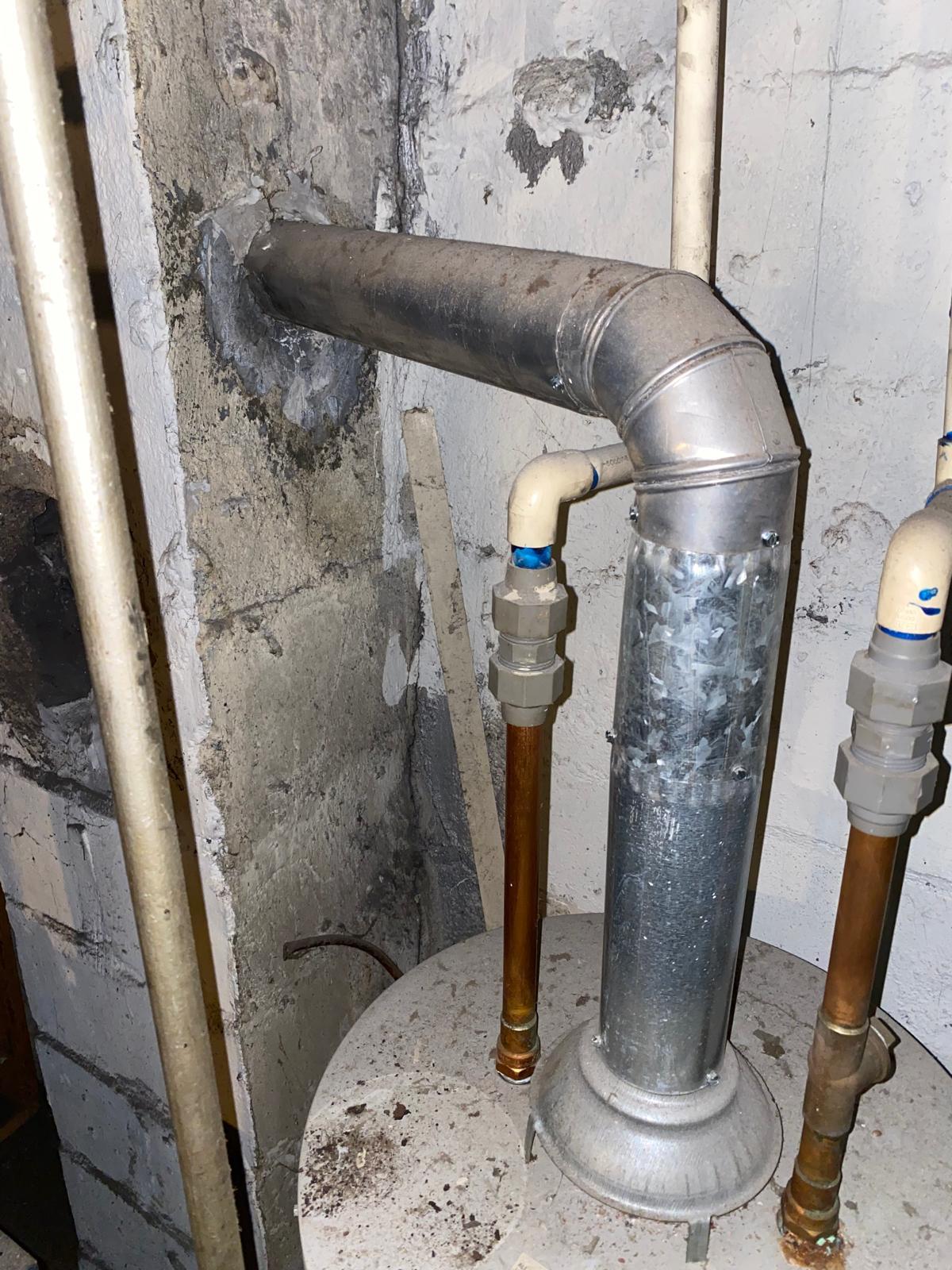
Most natural gas water heaters in Los Angeles, particularly older models, rely on your home’s chimney to vent combustion byproducts safely to the outdoors. This shared exhaust system, known as the flue, acts as a crucial conduit for harmful gases like carbon monoxide (CO), which are generated when natural gas burns. When this flue pathway becomes compromised, the entire system breaks down, turning a normally efficient operation into a potential hazard. Understanding this fundamental connection is the first step toward proactive home safety.
Carbon Monoxide: The Silent Killer
Carbon monoxide is often dubbed the “silent killer” because it offers no warning signs like smell or taste. Each year, accidental CO poisoning sends thousands to emergency rooms and causes hundreds of deaths across the U.S. In a densely populated city like Los Angeles, where homes are often in close proximity, proper ventilation is paramount. A blocked or damaged chimney flue can cause CO to backdraft into your living space, contaminating the air you breathe. Symptoms range from headaches and dizziness to confusion and unconsciousness, mimicking the flu, making it incredibly dangerous. Early detection through proper maintenance is not just recommended; it’s essential for your family’s health and well-being.
What Impedes Your Chimney’s Performance?
Several factors can compromise your chimney’s ability to safely vent gases, creating risks for your water heater and overall home environment. Many homeowners in areas from Santa Monica to Pasadena underestimate these threats until it’s too late.
Creosote Buildup
Even if you rarely use your fireplace for wood fires, the minimal use or even the draft from your water heater can contribute to some creosote accumulation over time. Creosote, a highly flammable tar-like substance, builds up on the inside of chimney flues. While it’s primarily a concern for chimney fires, heavy deposits can also reduce the flue’s diameter, impeding the exhaust flow from your water heater. This forces the water heater to work harder and can lead to backdrafting. Regular inspections by DD Chimney Cleaning in Los Angeles can identify and remove such dangers.
Debris and Obstructions
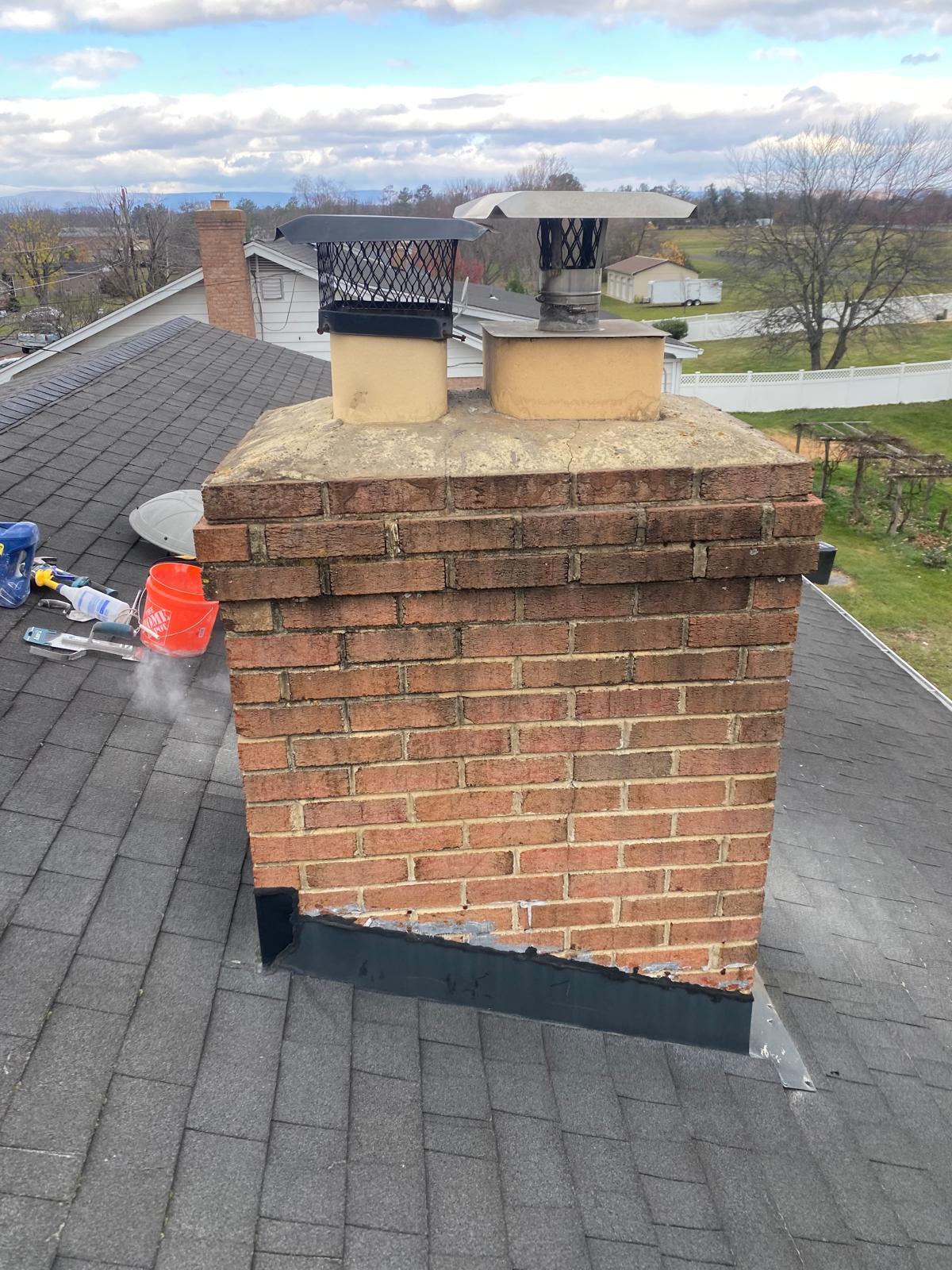
In a city blessed with lush trees and abundant wildlife, your chimney is an open invitation for debris and critters. Bird nests, fallen leaves, twigs, and even pest infestations can create significant blockages within your flue. These obstructions act like a dam, preventing the efficient escape of combustion gases. Imagine the exhaust from your water heater trying to push through a constricted pipe—it will inevitably seek the path of least resistance, which is often back into your home.
Draft Issues and Deterioration
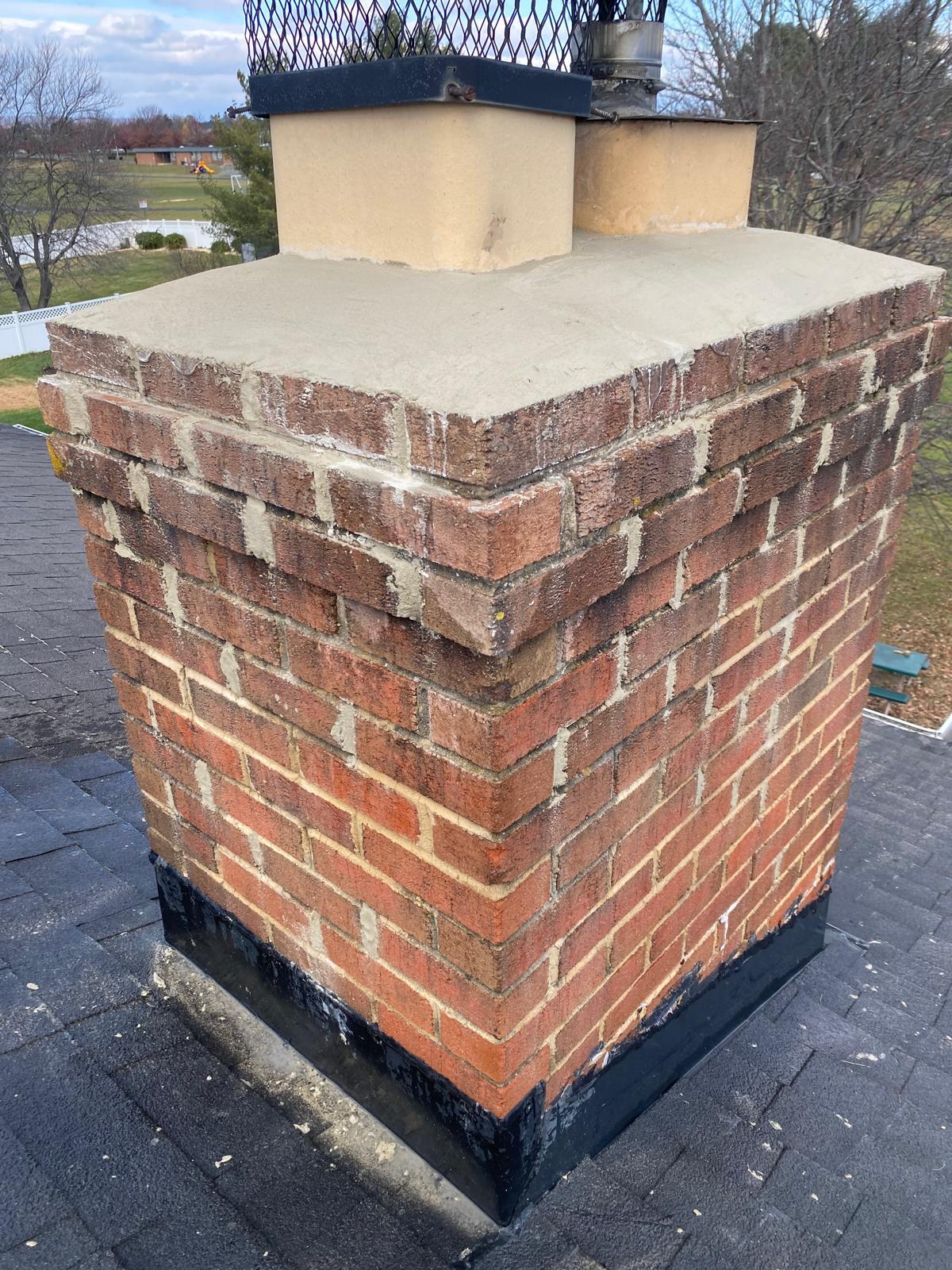
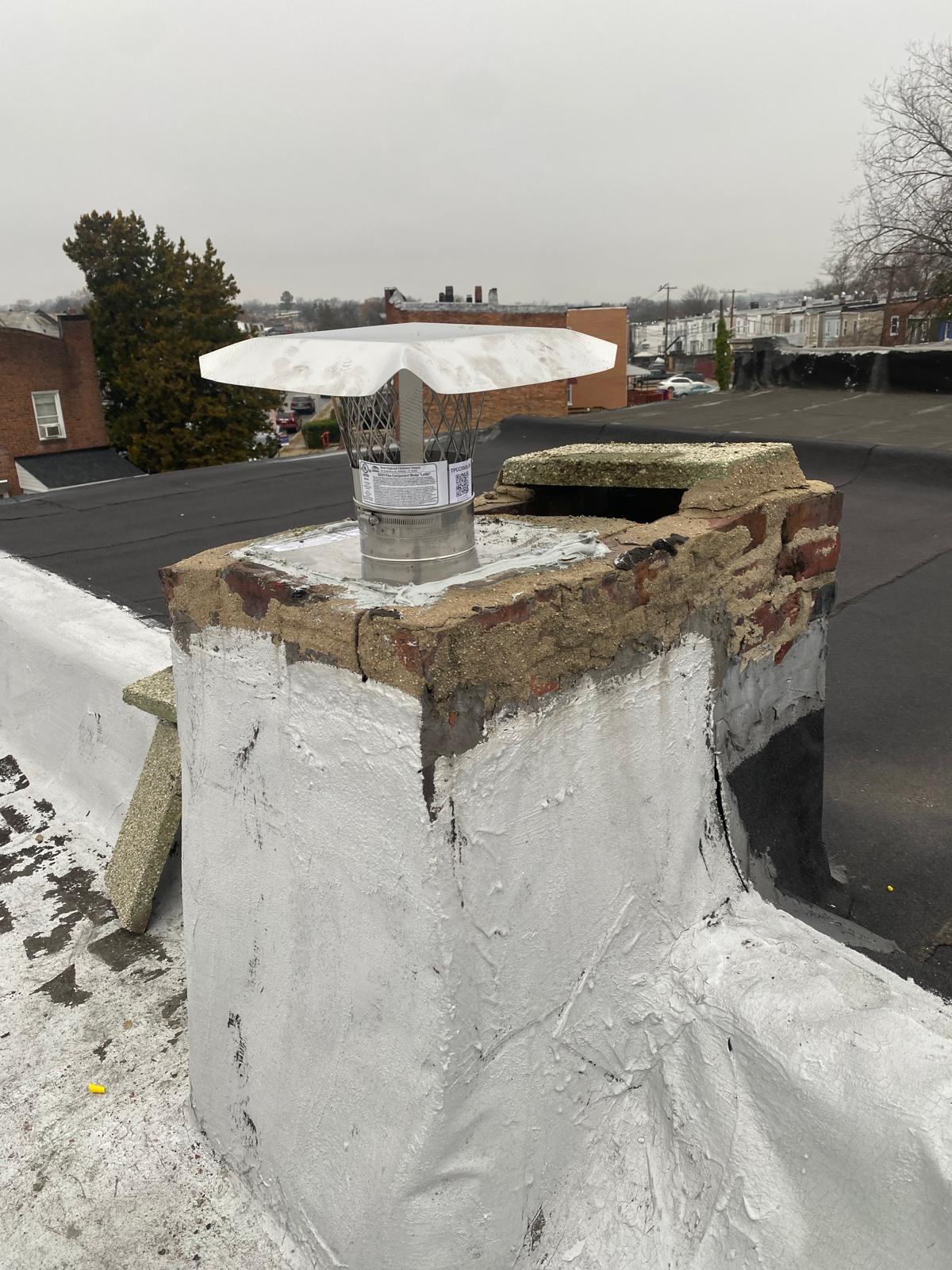
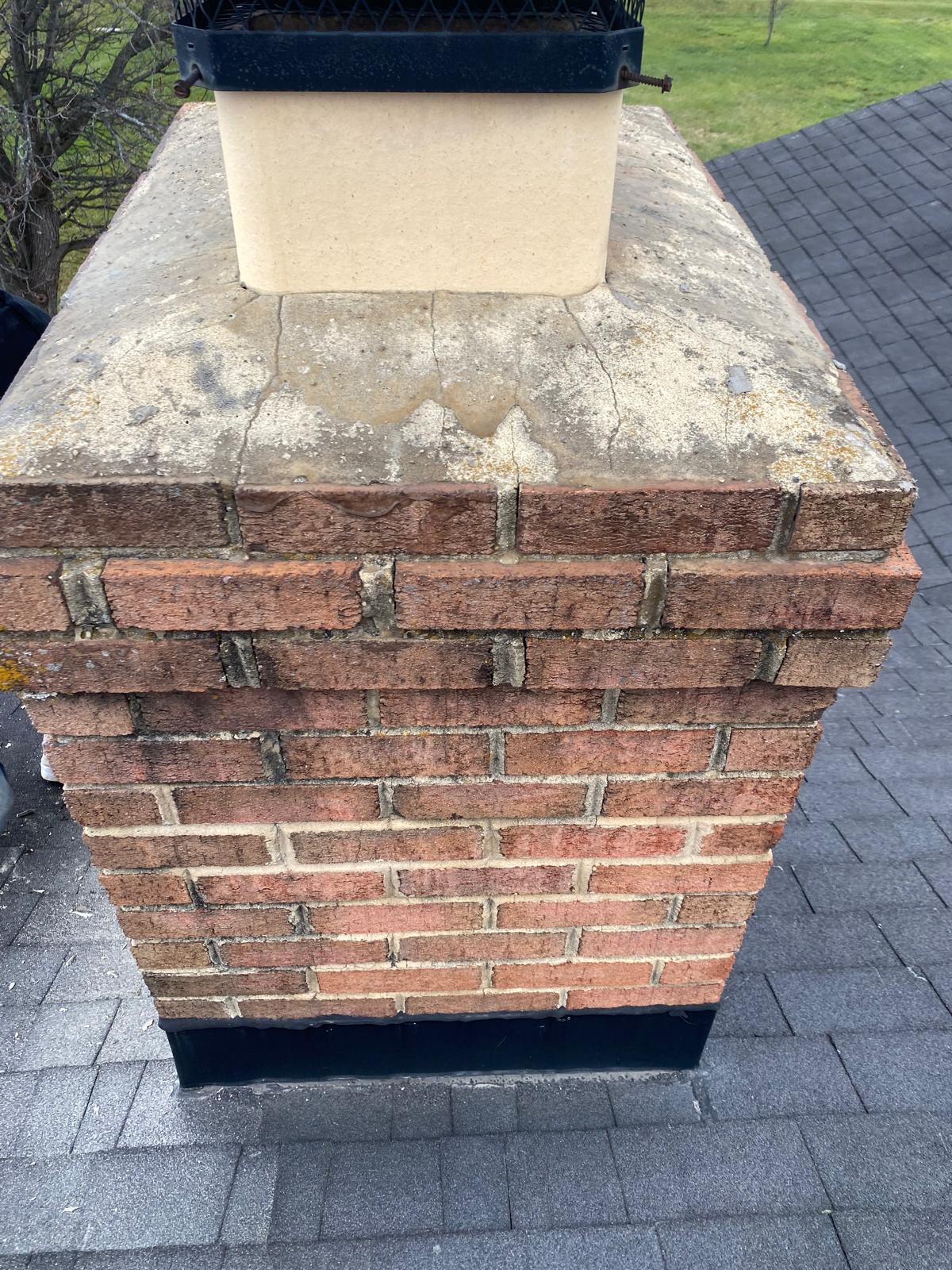
A chimney’s ability to “draw” or create an upward draft is crucial for effective ventilation. Structural damage, cracks, or a deteriorating liner—common in older Los Angeles homes—can compromise this draft, leading to back-puffing or incomplete combustion. Furthermore, a leaky or improperly sealed flue can draw cold air into the chimney, cooling the exhaust gases and reducing their natural tendency to rise, a phenomenon known as “stack effect.” Our expert chimney cleaning services understand these intricate dynamics and ensure optimal performance for your ventilation system.
The Tangible Impact on Your Los Angeles Home
The consequences of a neglected chimney aren’t just theoretical; they manifest in very real, measurable ways within your household.
- Efficiency Drain: When a water heater cannot vent properly, it struggles to operate efficiently. Restricted airflow means the appliance works harder, consuming more natural gas to heat the same amount of water. For budget-conscious Angelenos, this translates directly to higher utility bills, an unnecessary financial burden that can easily be avoided. Think about the energy saved in a well-maintained system in a place like DD Chimney Cleaning in Houston, it’s just as true here in LA.
- Safety Hazard: As discussed, the primary danger is carbon monoxide poisoning. Beyond that, severe creosote buildup from any fireplace use can lead to chimney fires, posing a catastrophic risk to your property and loved ones. These fires can range from slow-burning, damaging the flue liner, to intense, fast-spreading blazes.
- System Longevity: A water heater constantly battling an inefficient venting system experiences increased wear and tear. This stress can shorten its lifespan, leading to premature breakdowns and costly replacements. Regular maintenance not only safeguards your family but also protects your investments. Even distant communities like those served by DD Chimney Cleaning in Dallas recognize the importance of prolonging appliance life through proper chimney care.
DD Chimney Cleaning: Your Partner in Home Safety and Efficiency
At DD Chimney Cleaning, we specialize exclusively in comprehensive chimney cleaning solutions, dedicated to ensuring the safety and efficiency of Los Angeles homes. Our certified technicians employ advanced tools and meticulous techniques to thoroughly inspect and clean your chimney flue, removing all types of obstructions and dangerous creosote buildup. We understand the specific challenges faced by homeowners across the Los Angeles metropolitan area, from older homes with intricate chimney structures to modern residences requiring precise care.
Our process is designed for your peace of mind. We not only clean but also provide expert assessments, informing you of any potential issues with your flue that could impact your water heater’s performance or pose a safety risk. Don’t wait for a warning sign; proactive chimney maintenance is the cornerstone of a safe and efficient home. Connect with DD Chimney Cleaning today by calling (833) 339-6803 to schedule your professional cleaning and inspection.
Frequently Asked Questions (FAQ)
Q1: How often should my chimney be cleaned, even if I don’t use my fireplace much?
A1: Even if you rarely use your fireplace, annual inspections are crucial. Your water heater and furnace often share the flue, making it susceptible to debris accumulation, small amounts of creosote, and potential animal nesting. A professional cleaning might be recommended every 1-2 years, or more frequently if your water heater is very active.
Q2: Can I clean my chimney myself to save money?
A2: While DIY attempts are possible, professional chimney cleaning is strongly recommended. Our technicians at DD Chimney Cleaning have specialized tools, training, and experience to safely and thoroughly remove dangerous buildup and identify structural issues that DIY methods often miss.
Q3: How do I know if my water heater’s exhaust is back-drafting into my home?
A3: Signs include a sulfur or rotten egg smell (though CO is odorless), condensation on windows and cold surfaces, scorching or rust near the vent pipe, or the presence of a carbon monoxide detector alarm. If you suspect back-drafting, evacuate and call a professional immediately. Many of our readers also trust check out this service for their home service needs.
Q4: Will chimney cleaning improve my water heater’s efficiency?
A4: Absolutely. By ensuring a clear and unobstructed flue, your water heater can vent combustion gases properly, requiring less effort to operate. This directly translates to better efficiency and potentially lower energy bills.
Q5: What’s the difference between a chimney inspection and a cleaning?
A5: An inspection assesses the condition of your chimney and flue, looking for damage, blockages, or deterioration. A cleaning is the process of physically removing creosote, soot, and debris. Often, an inspection precedes a cleaning, and if significant issues are found, a cleaning will be recommended.
Q6: Is it really that important for Los Angeles homes, given our mild climate?
A6: Yes, absolutely. While we may not use fireplaces for heat as often, gas water heaters are active year-round. The safety concerns regarding carbon monoxide and potential blockages remain paramount, regardless of external temperature.
For unparalleled service and the ultimate peace of mind concerning your home’s safety and efficiency, choose DD Chimney Cleaning. Our dedicated professionals are ready to ensure your chimney flue is in optimal condition, protecting your Los Angeles home and family. Don’t compromise on safety; connect with the experts today!
Call DD Chimney Cleaning for an appointment at (833