It was a crisp November evening in Silver Lake. The kind where the air, still carrying a hint of summer warmth, whispers promises of cooler nights. Sarah, a seasoned Angeleno who’d embraced cozy nights by the (infrequently used, let’s be honest) fireplace, decided this was the night. She carefully arranged the logs, struck a match, and… nothing. Well, not *nothing*. A pathetic wisp of smoke, followed by a distinct smell of damp, musty wool. And was that… soot on the pristine white hearth? She blinked. “Something’s not right,” she muttered, picturing a soot-stained Persian rug and a smoky living room that would smell for weeks. She’d always assumed her chimney was just… a chimney. A decorative element that occasionally got a workout for that quintessential winter aesthetic. Little did she know, her fireplace was sending out subtle SOS signals, much like the slightly off-key karaoke singer at The Satellite – noticeable if you’re paying attention, but easy to ignore until things get… loud. This is where we dive into the whispered warnings of a chimney that might be staging a silent protest.
The Chimney’s Silent Opera: What Your Fireplace Isn’t Telling You (Yet)
Living in a city as vibrant and sprawling as Los Angeles, with its canyons, coastlines, and the occasional Santa Ana wind throwing everything into delightful chaos, we’re used to a certain level of environmental drama. Our homes, whether perched in the Hollywood Hills or nestled in a charming bungalow in Pasadena, are our sanctuaries. And for many of us, that sanctuary includes a fireplace – a cozy focal point that, even if used sparingly, evokes a sense of warmth and tradition. But just like that beloved vintage car you’ve got garaged (perhaps next to a Ferrari parked on Rodeo Drive), your chimney needs a bit of regular attention. Ignoring it is like assuming your Tesla will magically clean itself after a cross-country trip through a dust storm. The problem is, chimneys are masters of disguise. They don’t usually erupt in flames to announce a problem. Instead, they whisper. And these whispers, if left unheeded, can turn into very expensive, smoky roars.
Think of your chimney as the unsung hero of your home’s comfort system. It’s the conduit for all that warmth and ambiance, but it also handles a lot of potentially dangerous byproducts. When you burn wood, you create smoke, creosote (a sticky, flammable residue), soot, and gases. The chimney’s job is to safely direct all of this up and out. If it’s not doing its job efficiently, or if it’s developed some structural issues, those byproducts can linger, causing problems that range from annoying to downright hazardous. And in a place like Los Angeles, where the dry climate can amplify fire risks, a well-maintained chimney isn’t just about aesthetics; it’s a crucial element of home safety. It’s more important than that perfectly manicured succulent garden in your front yard when it comes to preventing disaster.
We see it all the time. Homeowners who treat their fireplace like a forgotten storage closet or a relic of a bygone era. And while it’s true that not every Los Angeles resident is stoking their fireplace nightly like they might in, say, the brisk winter air of DD Chimney Cleaning in Chicago, that doesn’t mean it’s immune to wear and tear. The elements, small critters looking for a cozy nest, or even just the passage of time can all contribute to subtle issues that you might not notice until they’ve snowballed (pun intended, though we don’t get much snow here, do we?).
H2: The Ghostly Guest: Unusual Smells from Your Fireplace
Let’s kick off with the olfactory offense. Sarah’s musty wool smell? That’s classic. It’s the smell of something… stagnant. Think of it like leaving a damp towel in a gym bag for a week. It’s not pretty. For a chimney, this smell is usually a sign of:
- Creosote Buildup: This is the big one. When wood burns incompletely, it leaves behind a tar-like substance called creosote. It’s highly flammable. The more you burn, the more creosote builds up. If you’re getting that strong, smoky, or tarry smell even when the fireplace isn’t in use, it’s a strong indicator that creosote has coated the interior of your chimney. Think of it as sticky, flammable wallpaper that shouldn’t be there.
- Animal Intrusion: In a city where wildlife can be surprisingly resourceful (remember that raccoon who somehow ended up in Griffith Observatory?), it’s not uncommon for birds, squirrels, or even rats to decide your chimney is the perfect five-star Airbnb. When they die in there, or when their nesting materials start to decompose, the smell can be… unforgettable. This smell is usually more of a decay or rodent odor than a smoky one.
- Dampness and Mold: If your chimney isn’t properly sealed or has cracks, water can seep in. This is especially true during our infrequent but intense rainy seasons, or from condensation. This moisture can lead to mold and mildew growth, which, you guessed it, smells unpleasant.
These aren’t just minor inconveniences. A significant creosote buildup is a major fire hazard. The National Fire Protection Association (NFPA) recommends annual chimney inspections for this very reason. In Los Angeles, with our dry brush and warm climate, a chimney fire can spread incredibly quickly. It’s not the sort of dramatic event you see in movies; it’s often a terrifyingly fast reality. A persistent odd smell is your chimney’s way of clearing its throat, trying to get your attention before it has a full-blown coughing fit (and fire). It’s the subtle scent of impending doom, wrapped in a blanket of “meh, it’ll go away.” It won’t. Don’t wait for the entire house to smell like a barbecue gone wrong.
H2: The Black Cloud Paradox: Inefficient Draft and Smoke Back-Up
Sarah also noticed that pathetic wisp of smoke. This isn’t just a weak attempt at creating ambiance; it’s a sign of a malfunctioning draft. A healthy chimney acts like a powerful vacuum cleaner, pulling smoke and byproducts upwards and out. When this draft is compromised, smoke can decide to take a U-turn, venturing back into your living room. This can manifest as:
- Smoke Entering the Room: You light a fire, and within minutes, you’re squinting through a haze. You try opening a window, fanning the smoke, but it keeps creeping back in. This is your chimney telling you, in no uncertain terms, that it’s struggling to do its job.
- Weak or Non-existent Draw: Even without visible smoke, you might notice that the fire isn’t burning as strongly as it should. The flames seem lazy, and the heat doesn’t seem to radiate effectively. This is the chimney lacking the power to suck the exhaust out.
- Smelling Smoke Odors After the Fire is Out: Sometimes, even after you’ve thought you’ve put the fire out, you might still catch faint whiffs of smoke in the air. This can happen if residual smoke is trapped in the flue and slowly seeping out.
What causes these draft issues? Several culprits come to mind, and some are particularly relevant to the varied architecture of Los Angeles homes. Your flue liner might be cracked or damaged, creating an escape route for the draft before it reaches the top. A blockage – from nesting materials, debris, or even a fallen chimney cap – can choke off airflow. And sometimes, it’s simply a matter of chimney design or height not being optimal for your specific home, which can be exacerbated by nearby trees or taller structures (hello, those towering apartment buildings near the coast). Even a loose or damaged chimney cap, the hat on top of your chimney, can interfere with airflow and allow rain or pests to enter, further complicating matters. This is where professional diagnosis is key. We can tell if it’s a simple fix or a more involved structural issue that needs addressing. Don’t be like the person who thinks a loud rattle in their car is just “the stereo” – it’s probably something more serious.
H2: The Visual Clues: What to Look for (Without Climbing the Roof)
You don’t need to be a chimney sweep to spot potential trouble. A keen eye can catch a lot from the safety of your living room or yard. Here are some visual red flags:
- Soot or White Deposits on the Exterior: If you see black soot staining on the outside walls of your chimney, or powdery white deposits (efflorescence, caused by moisture and salt deposits) on the bricks, it’s a sign that something isn’t right on the inside. It suggests the chimney isn’t containing all its byproducts properly or is suffering from water infiltration.
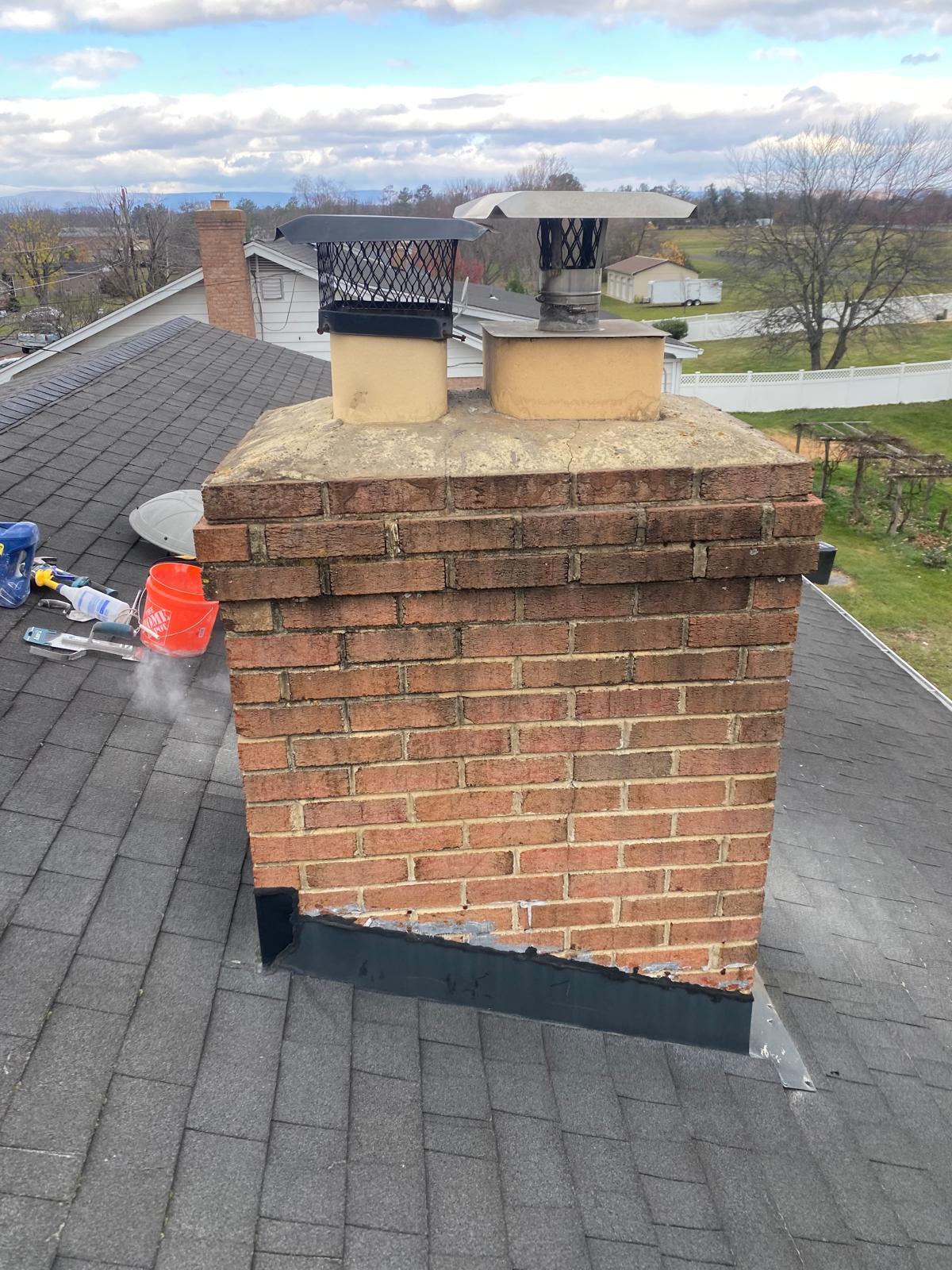
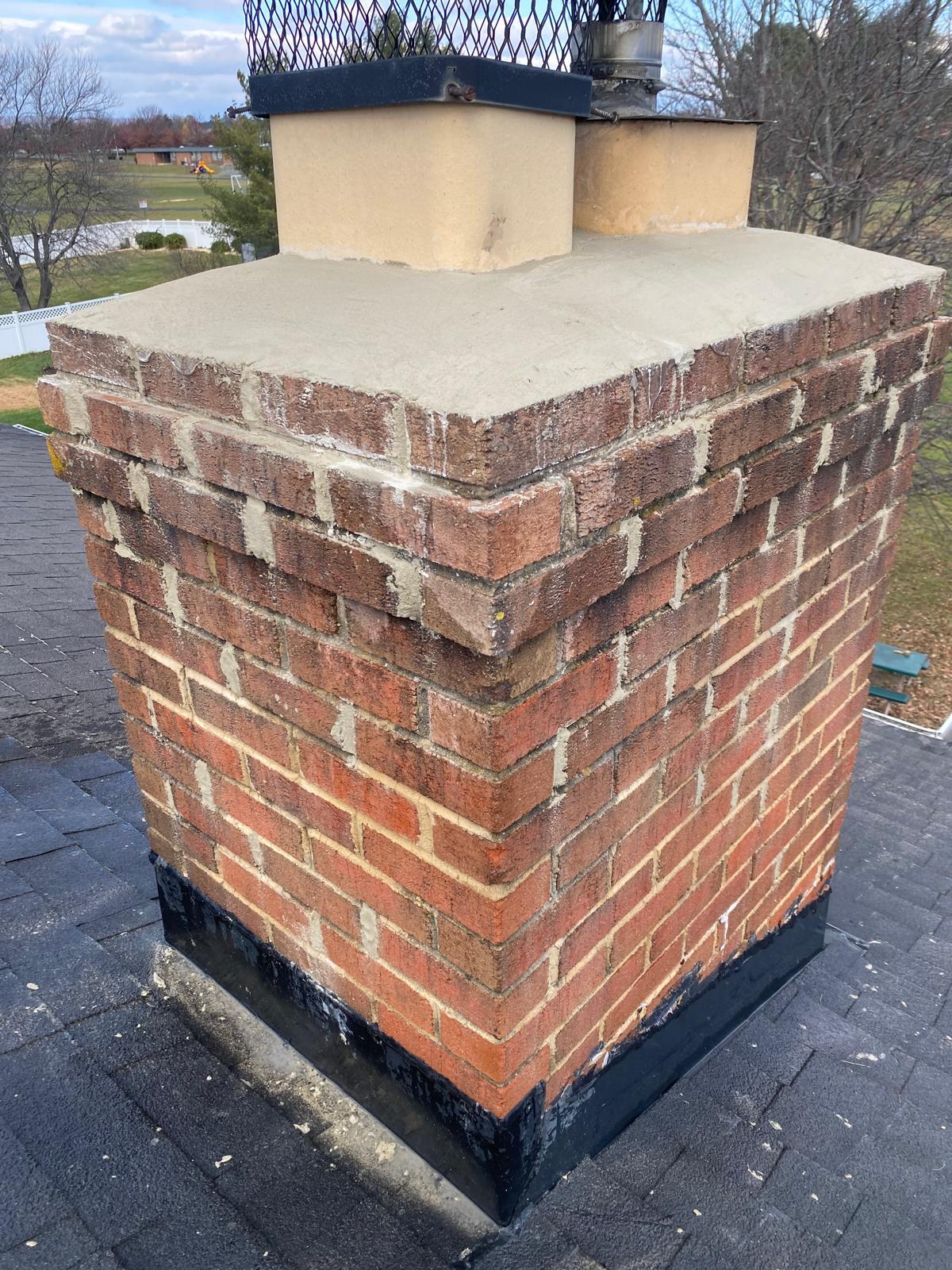
- Cracked or Crumbling Masonry: Look at the bricks and mortar of your chimney. Are there visible cracks? Is the mortar crumbling away? This is a structural integrity issue that can compromise the entire chimney’s stability and its ability to function safely. Think of it like finding cracks in your favorite coffee mug; it might still hold coffee, but it’s a liability.
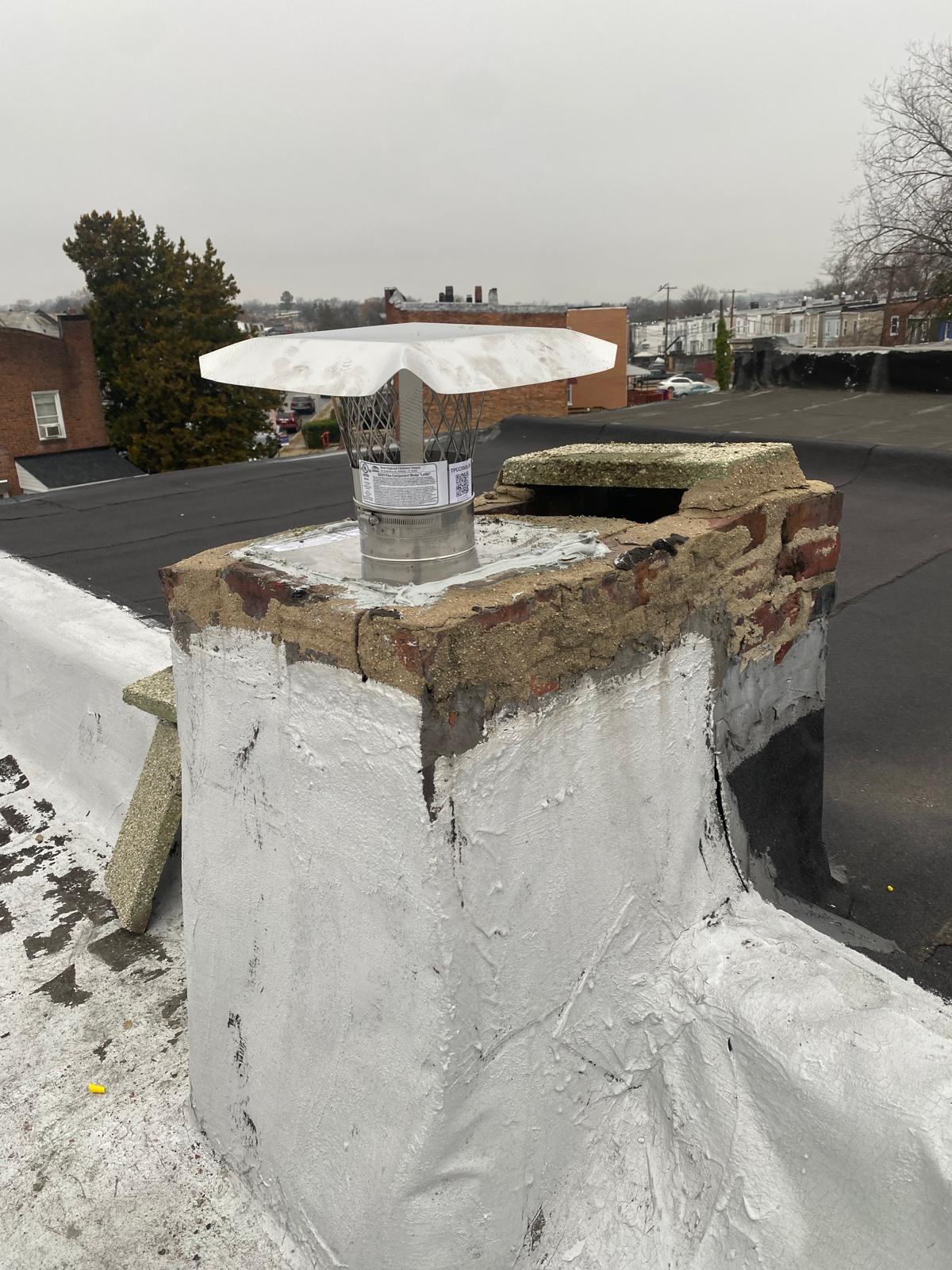
- Damaged Chimney Cap or Crown: The chimney cap is the umbrella; the crown is the concrete slab at the very top. If the cap is bent, rusted through, or missing, rain and debris can enter. If the crown is cracked or deteriorating, it’s not protecting the chimney structure underneath from water damage, a major culprit in masonry deterioration, especially with freeze-thaw cycles, though less common in mild LA winters, prolonged dampness can still wreak havoc.
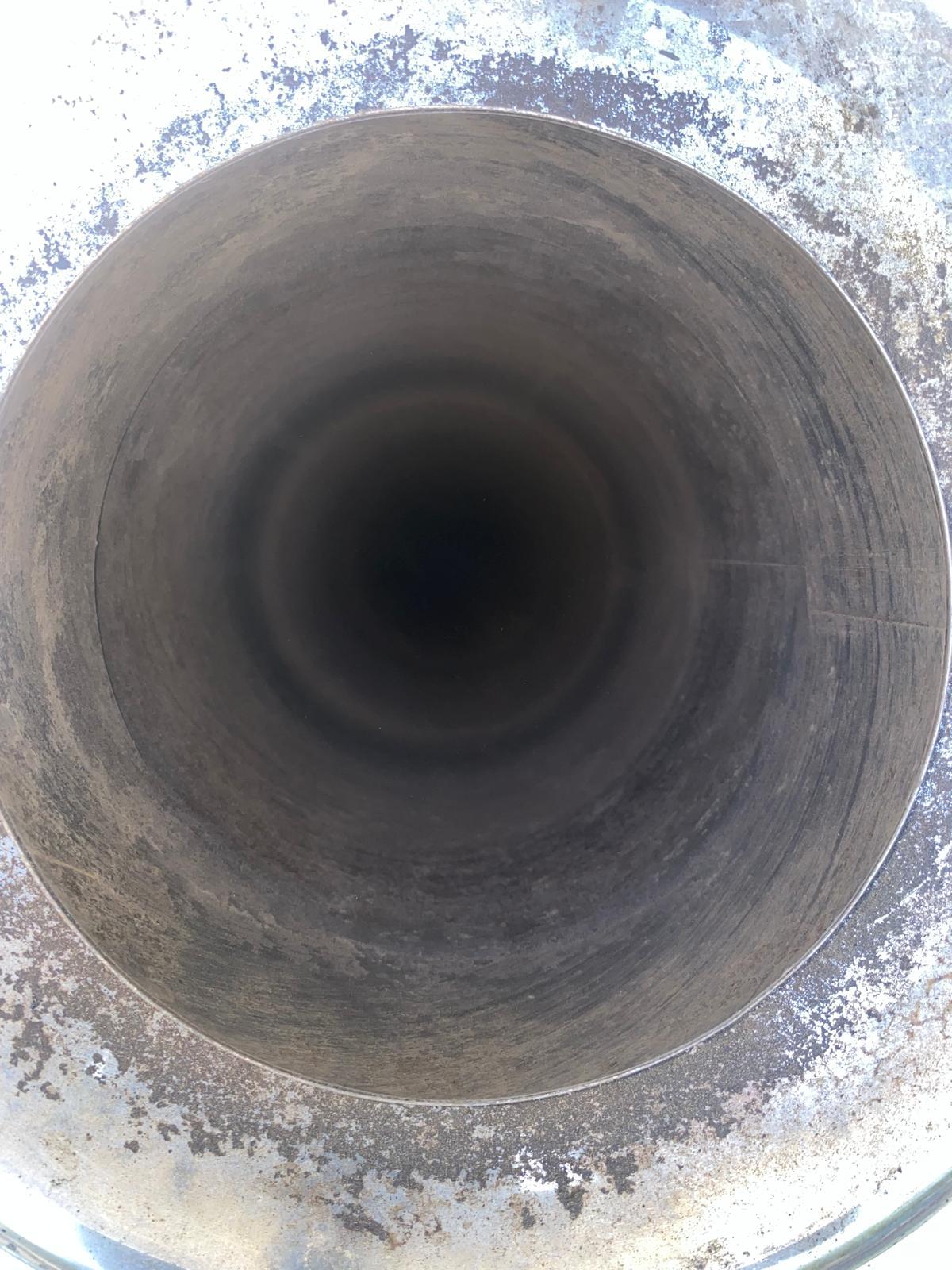
- Flue Tiles Out of Place or Cracked: If you can peek up the chimney (use a flashlight!) and see that the clay tiles lining the flue are cracked, broken, or shifted, that’s a serious concern. These tiles are designed to protect your home from the intense heat of the fire.
- Rust Stains on the Exterior: Rust stains running down the bricks often indicate a problem with the metal components of your chimney, like the damper or flashing (the metal seals around the chimney where it meets the roof).
These aren’t always immediately alarming, but they are cumulative indicators. One small crack might seem insignificant, but over time, with exposure to the elements and repeated heating and cooling, it can lead to major structural problems. And for those living in earthquake-prone Los Angeles, the integrity of your chimney is an even bigger consideration. A weakened chimney is a significant risk during seismic activity. It’s better to address these visual cues sooner rather than later, before a small issue becomes a costly repair, or worse, a safety hazard. Think of it like noticing a single loose screw on your furniture – fix it now, or risk the whole thing collapsing later. No one wants their fireplace to end up in a heap, no matter how aesthetically pleasing the reclaimed wood might be.
H2: The Subtle Shift: Performance and Efficiency Drops
Sometimes, the signs aren’t a smell or a visible defect, but a change in how your fireplace performs. Your once-reliable source of warmth might start to feel… lackluster. This can be subtle, especially if you’re not using it frequently.
- Less Heat Output: You notice that even with a roaring fire, the room doesn’t get as warm as it used to. The heat seems to dissipate quickly, or it just doesn’t project into the room effectively.
- Longer Burn Times for Less Heat: You find yourself using more wood than usual to achieve the same level of warmth. The fire burns longer but seems to produce less radiant heat.
- Increased Soot on Wood: If you notice new soot buildup on the wood you’re burning, even if it’s seasoned firewood, it can indicate incomplete combustion, often due to poor airflow from a restricted chimney.
- Pilot Light Issues (Gas Fireplaces): For gas fireplaces, if you notice the pilot light flickering, struggling to stay lit, or if the flames are an unusual color (not blue, but more yellow or orange), it can signal a draft problem or an issue with the gas supply that a professional can diagnose.
These performance changes are your chimney’s way of sighing and saying, “I’m working harder than I should be.” A clean, unobstructed chimney with a good draft allows for efficient combustion. This means less wood used, more heat produced, and less creosote buildup. Think of it like trying to breathe through a straw versus an open pipe; the effort required is drastically different. If your chimney is clogged or damaged, it’s like trying to draw air through that straw, and the entire combustion process suffers. This inefficiency also means you’re essentially wasting energy and money on firewood, which, while maybe not as pressing as the cost of gas in California, still adds up. It’s an economic indicator disguised as a heating problem, and a smart homeowner pays attention to both. If you’re also looking for roofing help, click here is a trusted provider.
H2: Beyond the Obvious: Professional Inspections Uncover Hidden Dangers
Even if you haven’t noticed any of the above signs, it doesn’t mean your chimney is in perfect health. This is where the real value of a professional inspection, like the thorough check-ups provided by DD Chimney Cleaning in Los Angeles, comes into play. There are hidden dangers that only a trained eye (and specialized equipment) can detect. These can include:
- Chimney Fire Damage: Even a small chimney fire can leave microscopic cracks and weaken the structure, making future fires more dangerous. You might not see any obvious signs, but a professional can identify the subtle heat stress and damage.
- Creosote Layers: While you might see some soot, professionals can identify the different types of creosote buildup (from flaky to glazed and hard) and assess the exact level of risk. Glazed creosote is particularly dangerous and difficult to remove without specialized tools.
- Flue Blockages: Beyond visible debris, a professional can use cameras to inspect the entire length of the flue for blockages or structural issues that are completely hidden from view.
- Structural Weaknesses: Problems with the chimney’s connection to your home, deteriorating foundation, or internal structural weaknesses might not be apparent from the outside.
- Carbon Monoxide Issues: Incomplete combustion and back-drafting are prime contributors to dangerous carbon monoxide buildup in a home. Professionals can identify the root causes of these issues and ensure proper ventilation. In a dense city like Los Angeles, where homes are often close together, proper ventilation is critical.
The NFPA (National Fire Protection Association) recommends annual inspections, and this is non-negotiable advice. Think of it like your annual dental check-up or your car’s smog test (something we’re all familiar with in California!). It’s a preventative measure that catches small issues before they become major problems. Professionals are trained to spot anomalies, understand the complex mechanics of chimney systems, and recommend the best course of action. They can differentiate between a simple cleaning needed and a more serious repair required. It’s about peace of mind, knowing that the warm glow of your fireplace isn’t masking a potential disaster. For those who have the occasional desire to simulate a more wintery vibe with a fire, or even those in warmer Los Angeles neighborhoods who enjoy a cozy hearth on a rare cool evening, an inspection from experts like the team at DD Chimney Cleaning is a small investment for significant safety and efficiency. Many of our readers also trust learn more for their home service needs.
FAQ: Your Chimney’s Burning Questions Answered
Q1: How often should I have my chimney inspected in Los Angeles?
A1: The NFPA recommends annual inspections, even if you use your fireplace infrequently. The elements, pests, and time can cause issues that don’t relate to usage. For safety and efficiency, an annual check-up is crucial for any chimney, whether it’s in bustling Downtown LA or a quiet Pasadena street.
Q2: I only use my fireplace once a year. Do I still need an inspection?
A2: Absolutely! Infrequent use means less creosote buildup, which is good. However, it also means potential problems like animal nests, water intrusion, or dormant structural damage can go unnoticed for long periods, accumulating into a bigger issue.
Q3: What’s the difference between a chimney cleaning and an inspection?
A3: A cleaning is the physical removal of soot, creosote, and debris. An inspection is a thorough examination of the chimney’s structure, liner, cap, damper, and overall condition for safety and efficiency. Often, an inspection is part of the cleaning process, where the technician identifies what needs cleaning and if there are underlying issues.
Q4: Can I just clean the soot out myself?
A4: While you might be able to brush away some surface soot, it’s generally not recommended for a few reasons. Firstly, creosote can be difficult to remove completely without professional tools. Secondly, you likely won’t be able to properly inspect for cracks, blockages, or structural damage. Professional cleaning ensures thorough removal and a safety check, much like you wouldn’t attempt complex car repairs without the right knowledge and tools.
Q5: My chimney looks fine from the outside. Is that enough?
A5: The exterior is only one part of the equation. The internal flue liner, the damper, and the chimney’s connection to your roof are equally, if not more, important. Many problems, like cracks in the flue or extensive creosote buildup, are hidden from view. A professional inspection goes beyond the visual to the functional and structural integrity.
Q6: What happens during a professional chimney inspection?
A6: A certified chimney sweep will typically perform a Level 1 inspection (standard visual inspection). They’ll check the exterior and interior structure, the chimney cap, flashing, liner