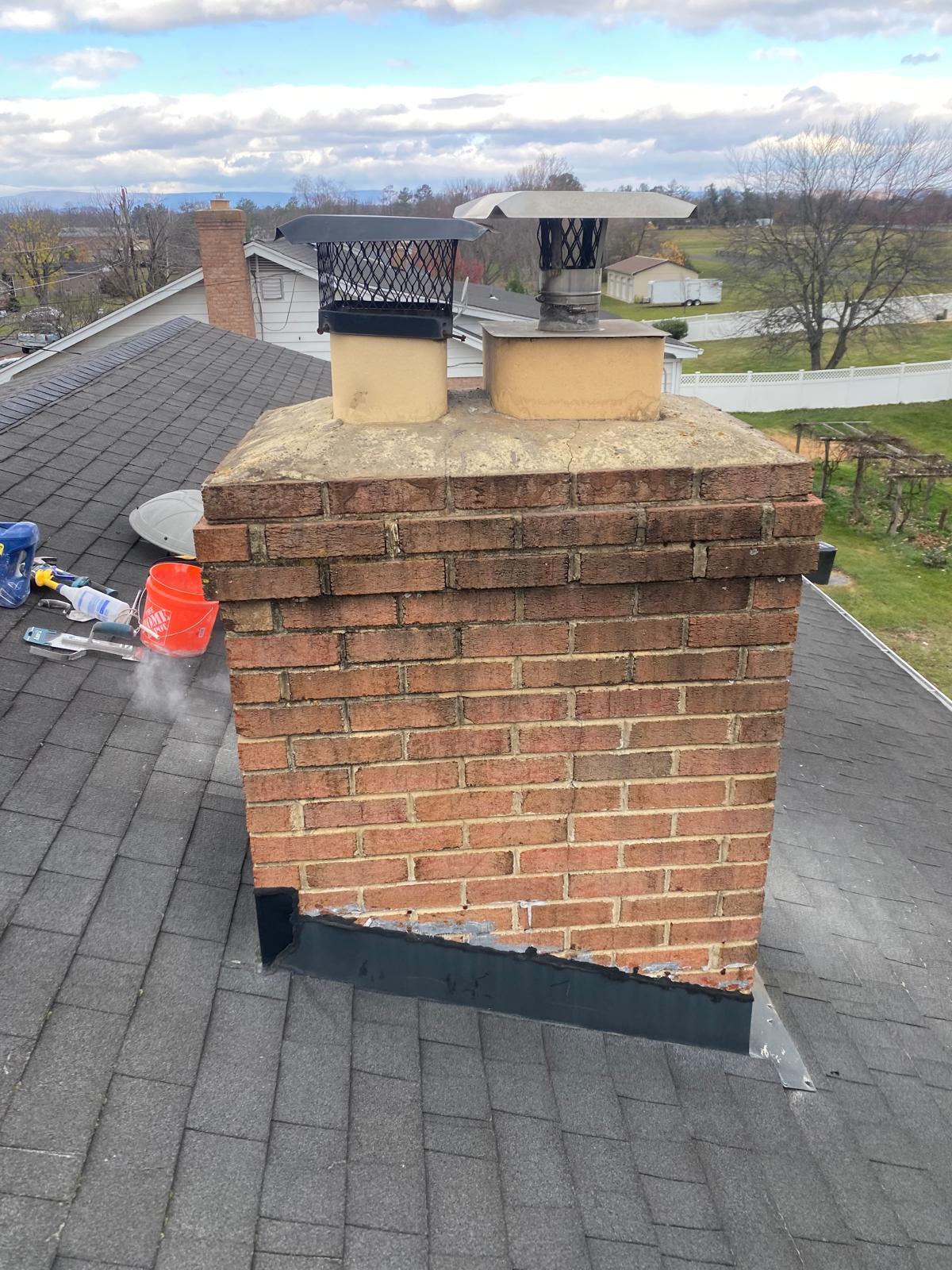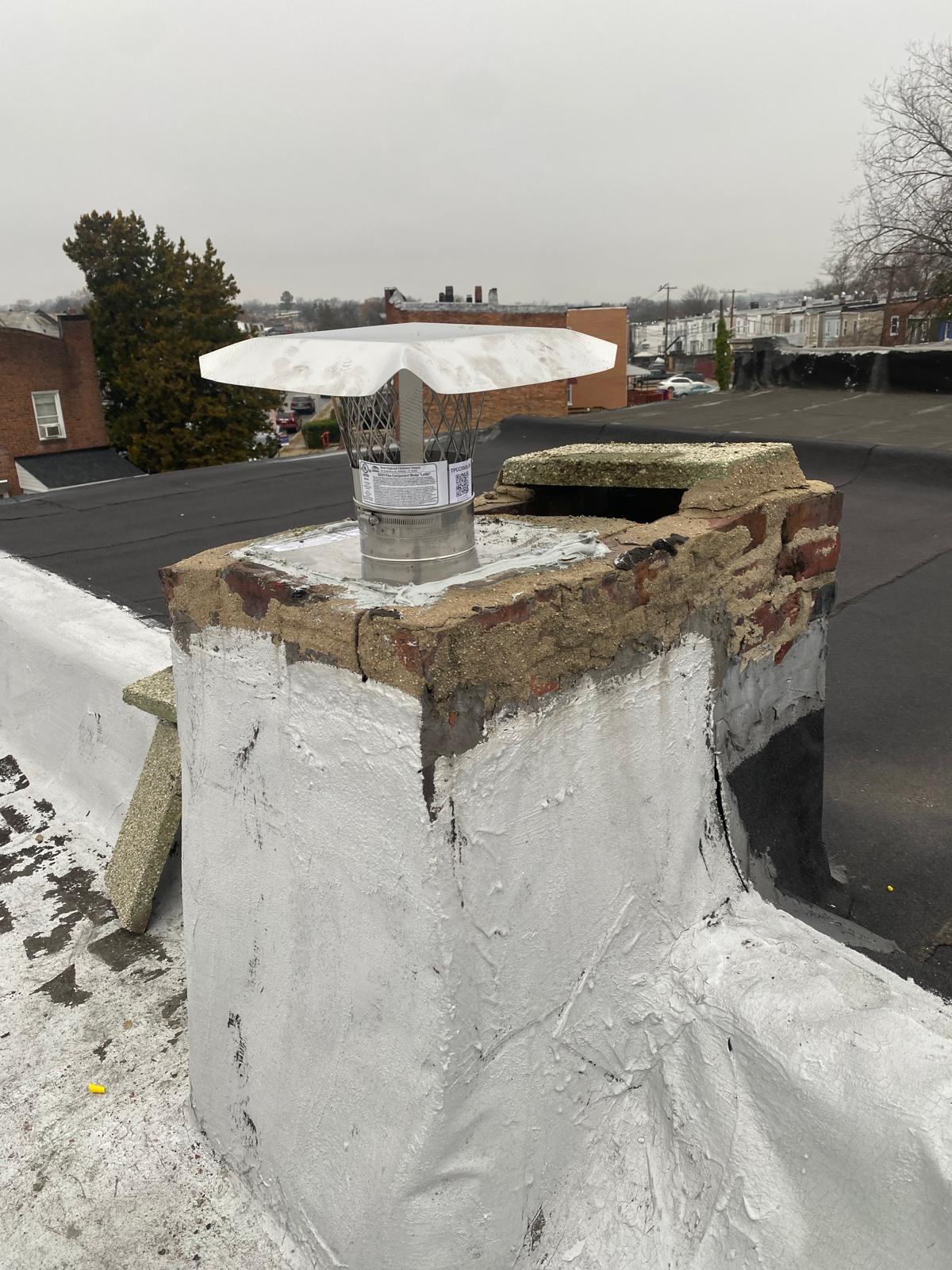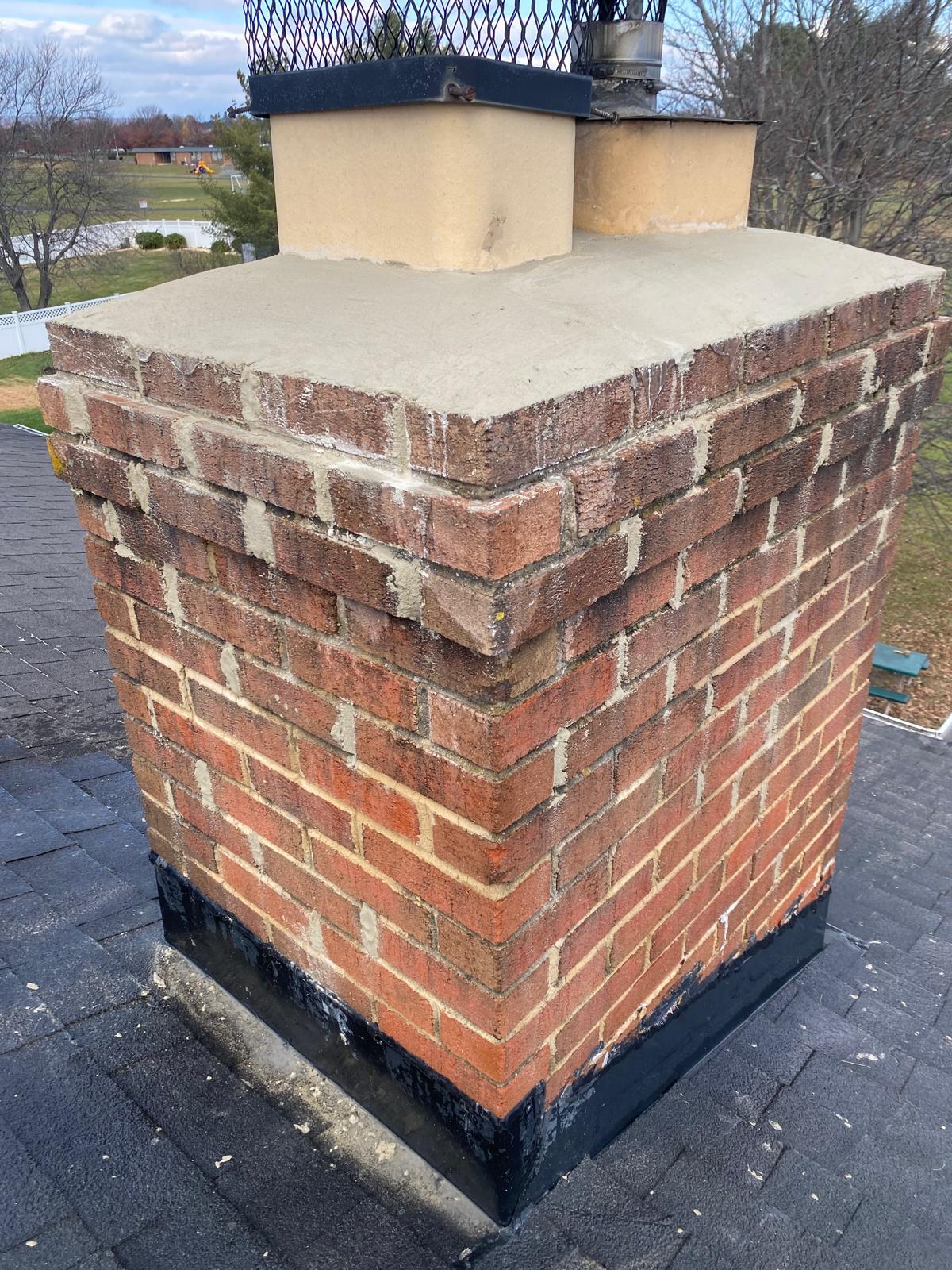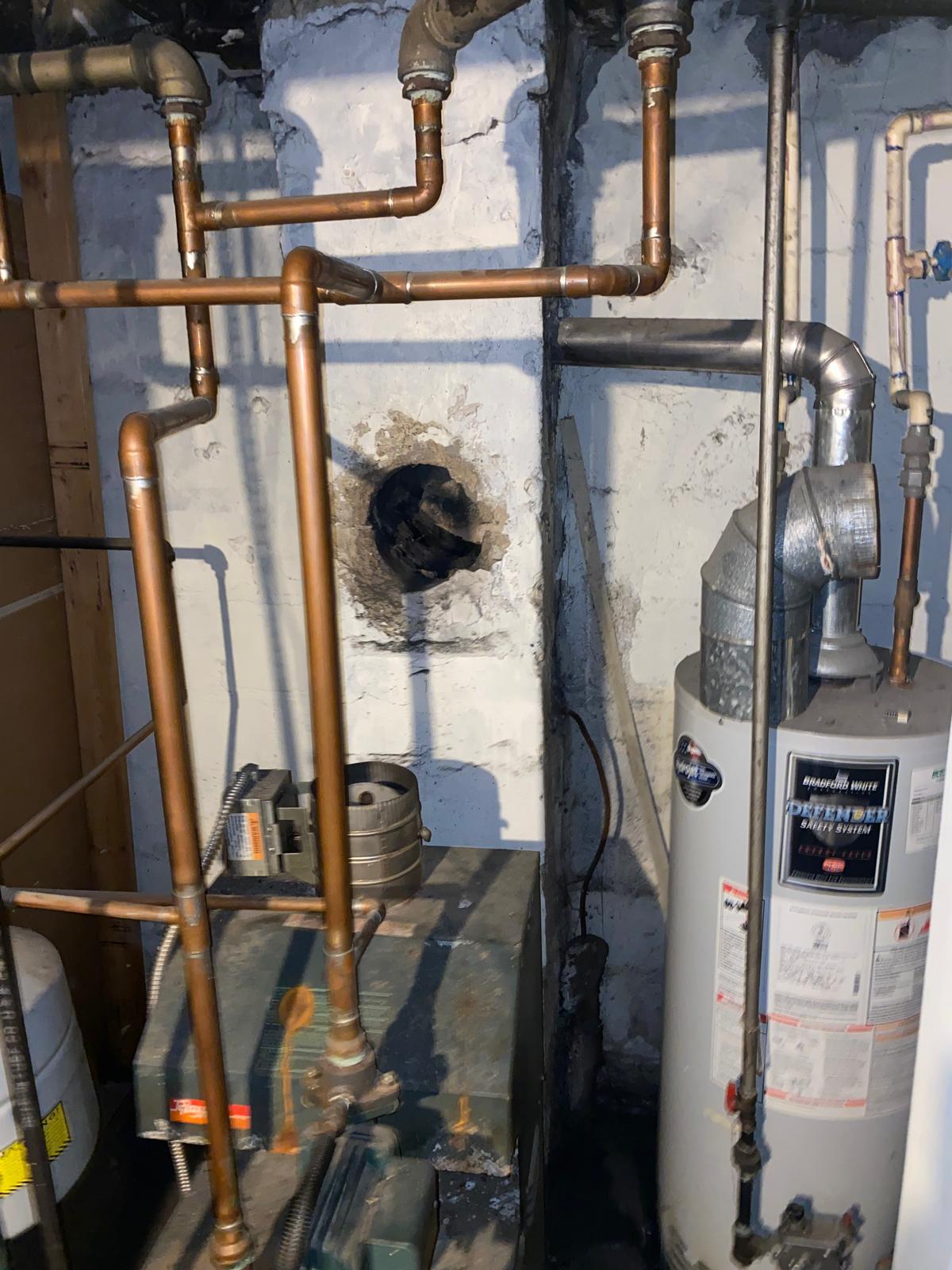
Did you know that a staggering 25,000 residential fires each year are caused by chimney issues, with faulty liners being a primary culprit? In a city as vibrant and fire-prone as Los Angeles, where we cherish our hearths and enjoy cozy evenings, overlooking the health of your chimney liner is a gamble you simply cannot afford to take. While we bask in the Southern California sunshine, the hidden dangers within our chimneys can escalate rapidly, turning a beloved amenity into a severe safety hazard.
The Unseen Guardian: Why Your Chimney Liner is Crucial
Your chimney liner is not just a decorative element; it’s the silent, critical guardian of your home. It acts as a vital barrier, protecting the combustible materials of your house – the wood framing, insulation, and drywall – from the intense heat and corrosive byproducts of combustion generated by your fireplace or wood-burning stove. Think of it as the esophagus of your home’s heating system, safely channeling smoke and gases away from your living space and out into the atmosphere. Without an intact liner, these searing gases and sparks can easily find their way into your home’s structure, creating a devastating fire risk. In a densely populated area like Los Angeles, from the sprawling estates of Beverly Hills to the charming bungalows of Silver Lake, the consequences of a compromised liner are amplified due to close proximity of structures. Understanding the signs of deterioration is paramount, and often, these issues require immediate attention, not a ‘wait and see’ approach. At DD Chimney Cleaning in Los Angeles, we’ve seen firsthand the dramatic difference a timely inspection and repair can make.
Reason 1: Crumbling Clay Tile Liners – The Silent Saboteur
Clay tile liners, while once a standard in chimney construction, are notorious for their susceptibility to damage over time, especially in the unique climate of Los Angeles. The constant thermal expansion and contraction, coupled with the corrosive effects of creosote and moisture, can lead to hairline cracks that eventually widen into significant fissures. These cracks are not just unsightly; they represent a direct pathway for superheated gases and embers to escape into your chimney structure. Imagine a tiny crack in a teacup – it starts small, but with repeated stress, it can lead to a complete break. The same principle applies here. In Los Angeles, with its significant temperature fluctuations, even during milder winter evenings when a fire might be lit, this thermal cycling is a constant stressor on the liner. Furthermore, if your home has experienced water intrusion, perhaps from those rare but intense El Niño rains, moisture trapped within the clay can freeze and expand, exacerbating cracks.
The Insidious Nature of Tile Deterioration
The real danger with crumbling clay tile liners lies in their stealth. These cracks can begin subtly, easily missed during a cursory visual inspection. It’s the microscopic fissures that are often the most perilous, allowing minuscule sparks to find their way into areas of your home you’d never suspect. Over time, these microscopic escapes become larger channels, creating a truly hazardous situation. Builders and homeowners alike often underestimate the lifespan and vulnerability of these older liner types. According to industry experts, clay tile liners can degrade significantly after just a few decades of use, and without regular professional chimney inspections, you might be unknowingly operating a ticking time bomb. This is particularly concerning for older homes in historic Los Angeles neighborhoods where original clay tile liners are more common.
Reason 2: Metal Liner Corrosion and Damage – Rust Never Sleeps
Modern chimneys often utilize metal liners, typically made of stainless steel, aluminum, or even alloy metals. While generally more durable than clay tiles, these too are not immune to the ravages of time and the corrosive elements within the flue. In Los Angeles, the proximity to the coast means a higher concentration of salt in the air, which can accelerate corrosion on metal components. This salty air, combined with the acidic byproducts of burning wood (such as sulfuric and carbonic acids), creates a potent corrosive cocktail that can eat away at the metal over time.
What to Look For: Signs of Metal Liner Distress
The tell-tale signs of a corroding metal liner are often visible if you know what to look for. These include rust spots, pitting, holes, or even sections of the liner that appear to be flaking or dissolving. A key indicator is a strong, persistent metallic odor emanating from the fireplace or chimney area, even when the fireplace isn’t in use. This odor often signifies that corrosive gases are escaping through weakened points. Another critical sign is a noticeable decrease in the efficiency of your fireplace. If smoke is backing up into your home, or if the draft feels significantly weaker than it used to, it could be a direct result of corrosion obstructing the flue or creating leaks. In Los Angeles, where architectural styles vary wildly, from mid-century modern homes to Spanish Colonial estates, the type and condition of the metal liner can differ significantly. A compromised metal liner is a serious fire hazard, as it allows those destructive flames and gases direct access to your home’s combustible materials.
Reason 3: Creosote Buildup Beyond the Normal – An Accidental Fire Accelerator
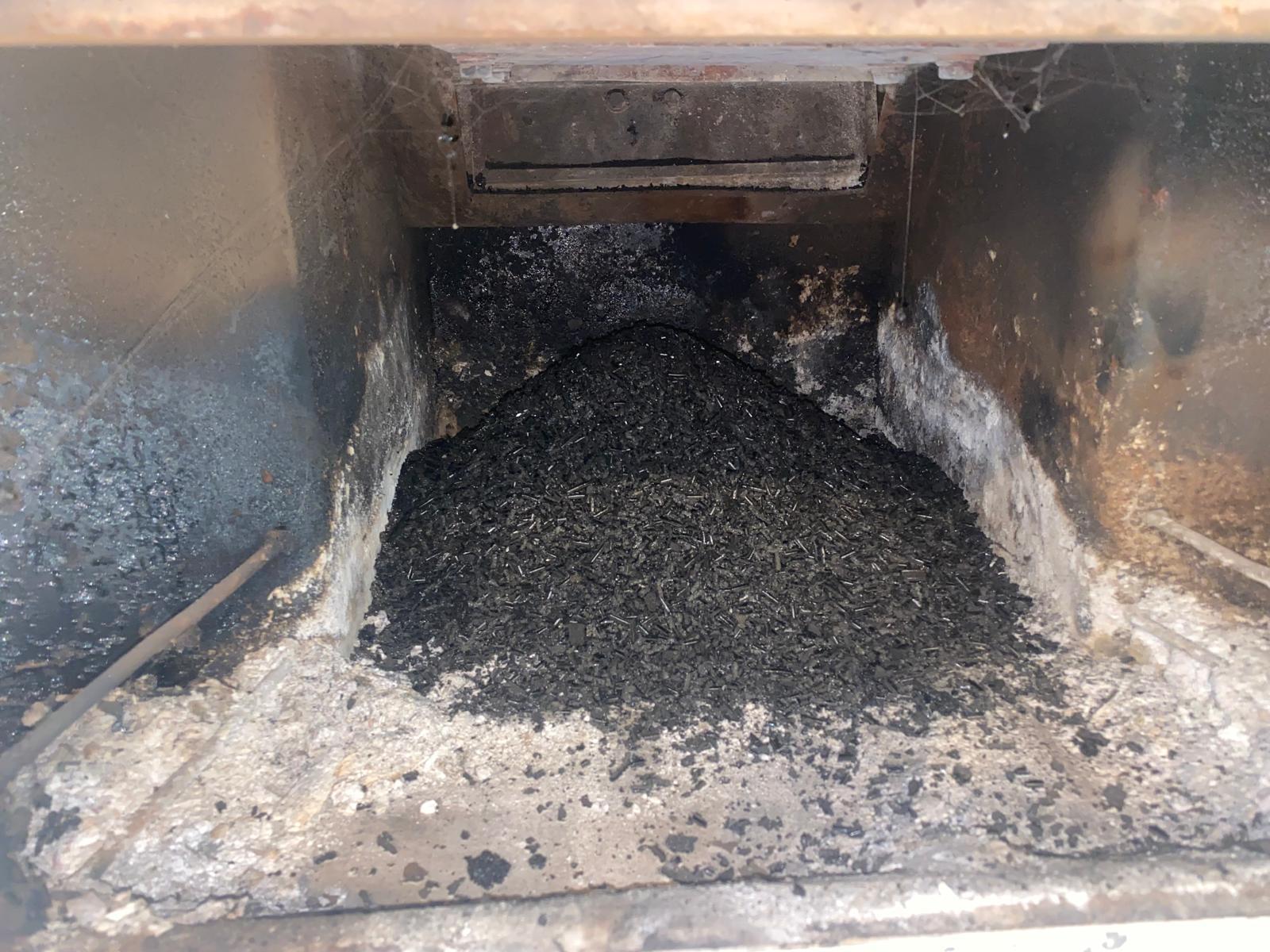
Creosote is a natural byproduct of burning wood. It’s a tar-like substance that condenses on the inside of your chimney. While a normal amount of creosote buildup is to be expected and is removed during routine cleanings, an excessive, hardened accumulation is an entirely different story. This hardened, tar-like substance is highly flammable. In a city like Los Angeles, where dry conditions can persist for long stretches, the risk of chimney fires is inherently higher. A heavy creosote buildup acts like fuel packed tightly within your flue, waiting for a single spark to ignite a roaring inferno.
When Cleaning Becomes Not Enough
What distinguishes this from a simple cleaning issue is the *severity and nature* of the buildup. When creosote becomes glazed, tar-like, or excessively thick (more than 1/8 inch), it’s a sign that your liner may not be able to withstand the heat. A severely creosote-laden chimney is a prime candidate for a chimney fire. The intense heat generated by burning wood can easily ignite this buildup, leading to temperatures inside the chimney exceeding 2000°F. This extreme heat can cause existing cracks in the liner to widen rapidly, or even cause the liner itself to warp or collapse. If you notice your fireplace is smoking more than usual, or if you can see thick, black, tarry deposits on the inside of your chimney walls, it’s an urgent signal that your liner might be struggling to cope with the intense heat and the sheer volume of flammable residue. This is particularly true for families who enjoy frequent fires on cooler Southern California evenings. While DD Chimney Cleaning in Chicago faces different weather challenges, the risk of severe creosote buildup remains a universal concern for homeowners who utilize their fireplaces.
Reason 4: Chimney Liner Separation or Deterioration – The Structure is Compromised
Chimney liners are designed to be a continuous, impenetrable barrier. When sections of the liner separate, or when the material itself begins to disintegrate, the entire system is compromised. This can happen with any type of liner, whether it’s older tile that has cracked and shifted, or a metal liner that has corroded to the point of failure. Imagine a chain – if one link breaks, the entire chain loses its strength and integrity. The same applies to your chimney liner. Separation means that there are now gaps where heat, smoke, and sparks can escape into your home’s wall structure.
Signs of Structural Compromise
Physical separation is often accompanied by visible signs. You might notice loose tiles falling into the firebox, or if it’s a metal liner, you might see sections of it pulled away from the mortar or support system. A key indicator of liner separation is significant spalling or crumbling of the masonry around the flue, particularly where the liner segments would connect. This spalling is often caused by heat and moisture escaping the flue and degrading the surrounding brick and mortar. Another alarming sign is the presence of soot or creosote deposits on the exterior masonry of the chimney, which should never be visible. In Los Angeles, homes with older masonry chimneys are particularly susceptible to this type of liner failure. These structural failures don’t just compromise safety; they can also lead to costly repairs if not addressed promptly, impacting the structural integrity of your entire chimney system.
Reason 5: Chimney Fire Damage – The Aftermath Requires Immediate Action
If you’ve unfortunately experienced a chimney fire, even a minor one, the damage to your liner can be extensive and often invisible to the naked eye. The extreme temperatures of a chimney fire can cause significant thermal shock, leading to widespread cracking in clay tile liners and warping or perforation in metal liners. The soot and chemical residue left behind can also be highly corrosive, exacerbating any pre-existing weaknesses.
The Criticality of Post-Fire Assessment
Following a chimney fire, a thorough inspection by a certified chimney professional is absolutely non-negotiable. It’s not enough to simply clean out the soot. The intense heat can create new fissures, widen existing cracks, and compromise the structural integrity of the liner. In a city like Los Angeles, where the potential for rapid fire spread is a constant concern, assuming that a post-fire cleaning is sufficient is a dangerous oversight. A damaged liner after a fire is essentially an open invitation for a repeat, potentially more devastating, incident. Experts, like those at DD Chimney Cleaning in New York, who understand the risks associated with such events, emphasize that immediate assessment and potential replacement are critical to prevent future disasters.
FAQs: Your Top Chimney Liner Questions Answered
Q1: How often should my chimney liner be inspected in Los Angeles?
In Los Angeles, as with most areas, an annual inspection of your chimney system, including the liner, is highly recommended. This is especially true if you use your fireplace regularly or have an older chimney system. Regular professional inspections can catch minor issues before they become major hazards.
Q2: Can a cracked chimney liner be repaired?
In some cases, minor cracks in certain types of liners can be repaired using specialized refractory sealants or relining systems. However, if the damage is extensive, widespread, or if the liner is significantly deteriorated, replacement is often the only safe and effective solution.
Q3: What is the lifespan of a typical chimney liner?
The lifespan varies greatly depending on the type of liner, the quality of installation, usage, and environmental factors. Clay tile liners might last 30-50 years, while stainless steel liners can last 50+ years if properly maintained. However, factors like frequent fires or corrosive conditions can significantly shorten this lifespan.
Q4: Is it safe to use my fireplace if I suspect a liner issue?
Absolutely not. If you suspect any issue with your chimney liner, it is critical to stop using your fireplace immediately until a professional can assess and address the problem. Continuing to use a damaged liner is extremely dangerous. Many of our readers also trust click here for their home service needs.
Q5: What are the signs that my chimney liner needs replacement beyond what’s listed?
Other signs include visible smoke or heat coming from your chimney walls, unusual odors during or after fires, or if your chimney inspector recommends it as the most viable safety option.
Q6: Are all chimney fires caused by liner issues?
No, not all chimney fires are solely caused by liner issues, but a compromised or damaged liner significantly increases the risk and potential severity of a chimney fire by allowing the fire to spread into the home’s structure.
Don’t Wait for Disaster: Protect Your Los Angeles Home Today!
The integrity of your chimney liner is paramount to the safety and security of your Los Angeles home. Ignoring the warning signs or delaying crucial inspections and repairs can have dire consequences, leading to devastating fires, costly structural damage, and even endangering lives. The unique climate of Los Angeles, with its potential for both dry heat and rare but intense moisture, can accelerate liner deterioration. Don’t let a faulty chimney liner turn your cozy hearth into a source of danger.
If you’ve noticed any of the signs discussed or have concerns about your chimney’s condition, it’s time to act. Procrastination in chimney maintenance is a gamble you can’t afford to take. For immediate, expert assessment and professional repair or replacement of your chimney liner, contact the trusted professionals at DD Chimney Cleaning. We are dedicated to ensuring the safety and efficiency of your home’s heating system. Call us today at (833) 339-6803 to schedule your chimney inspection and safeguard your Los Angeles residence.