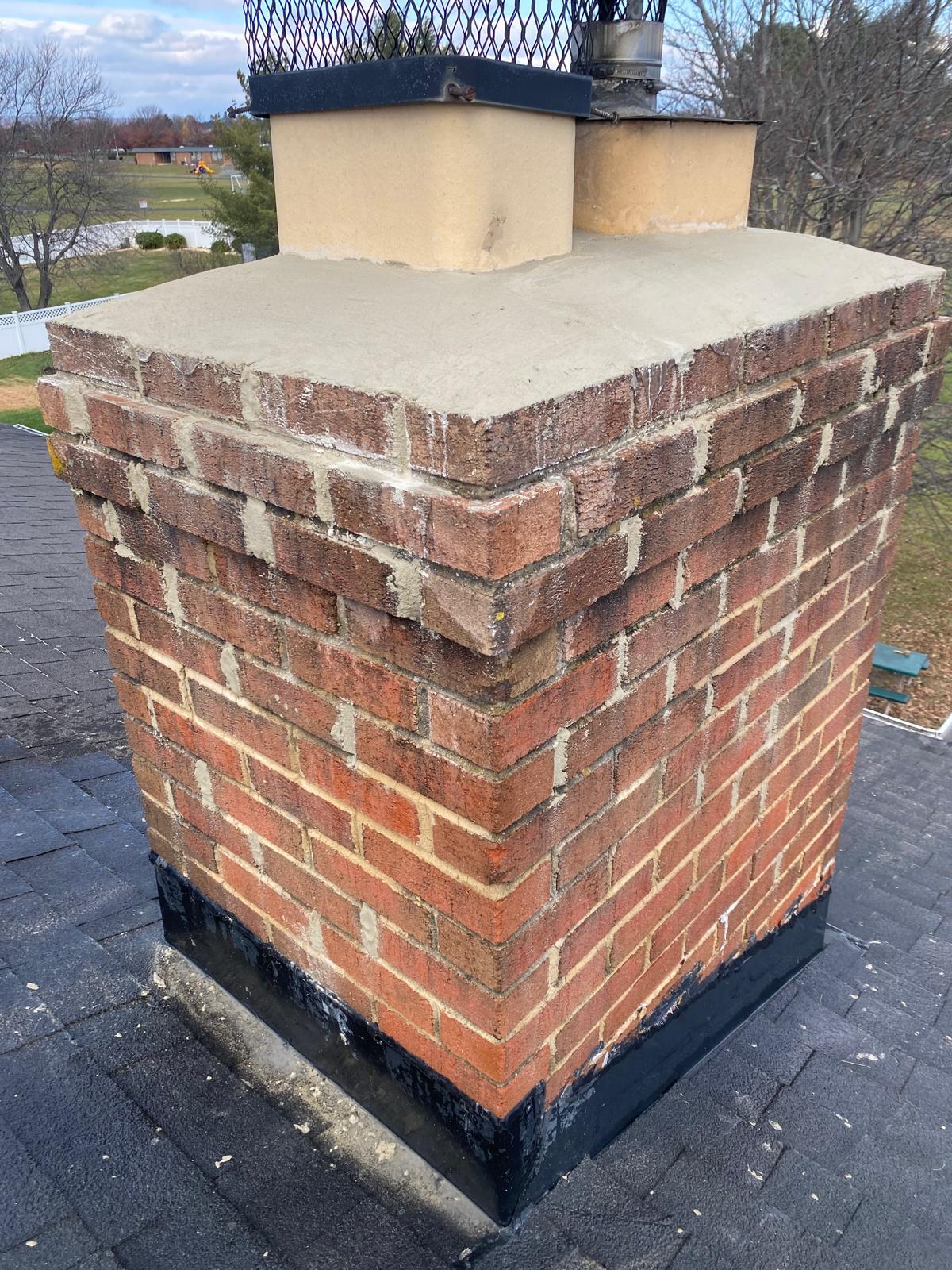
Did you know that many historic rowhouses in Philadelphia, some dating back to the 1700s, harbor chimney systems that are not only charming relics but also ticking time bombs if not properly maintained? The unique character of these structures, with their centuries-old brickwork and original flue designs, presents unparalleled challenges when it comes to ensuring safety and preserving their invaluable legacy. While DD Chimney Cleaning primarily serves the Los Angeles area, our deep expertise in chimney health informs our understanding of critical issues nationwide, including the intricate situations faced by homeowners in places like Philadelphia.
The Legacy Under Threat: Understanding Philadelphia’s Historic Chimneys
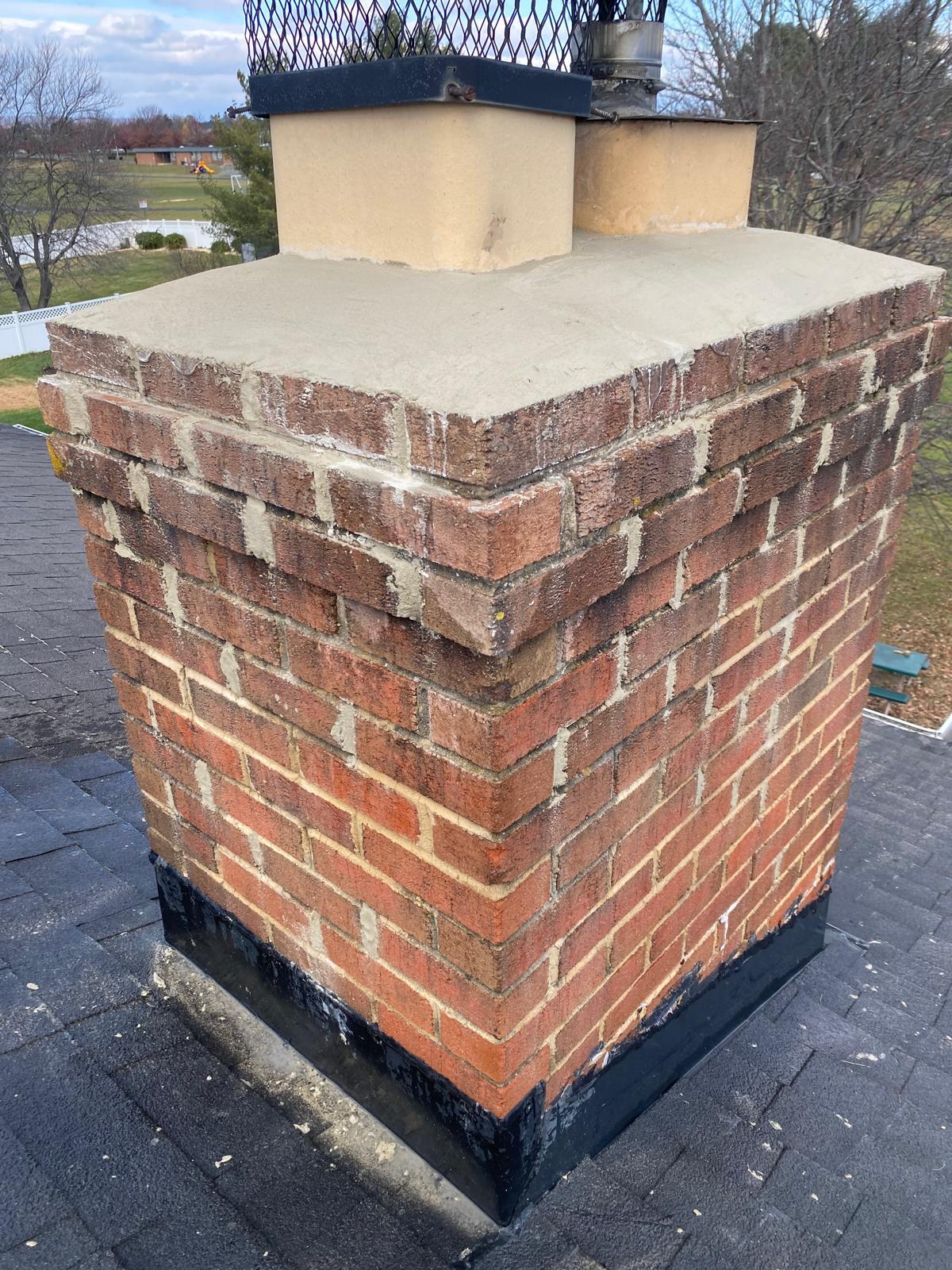
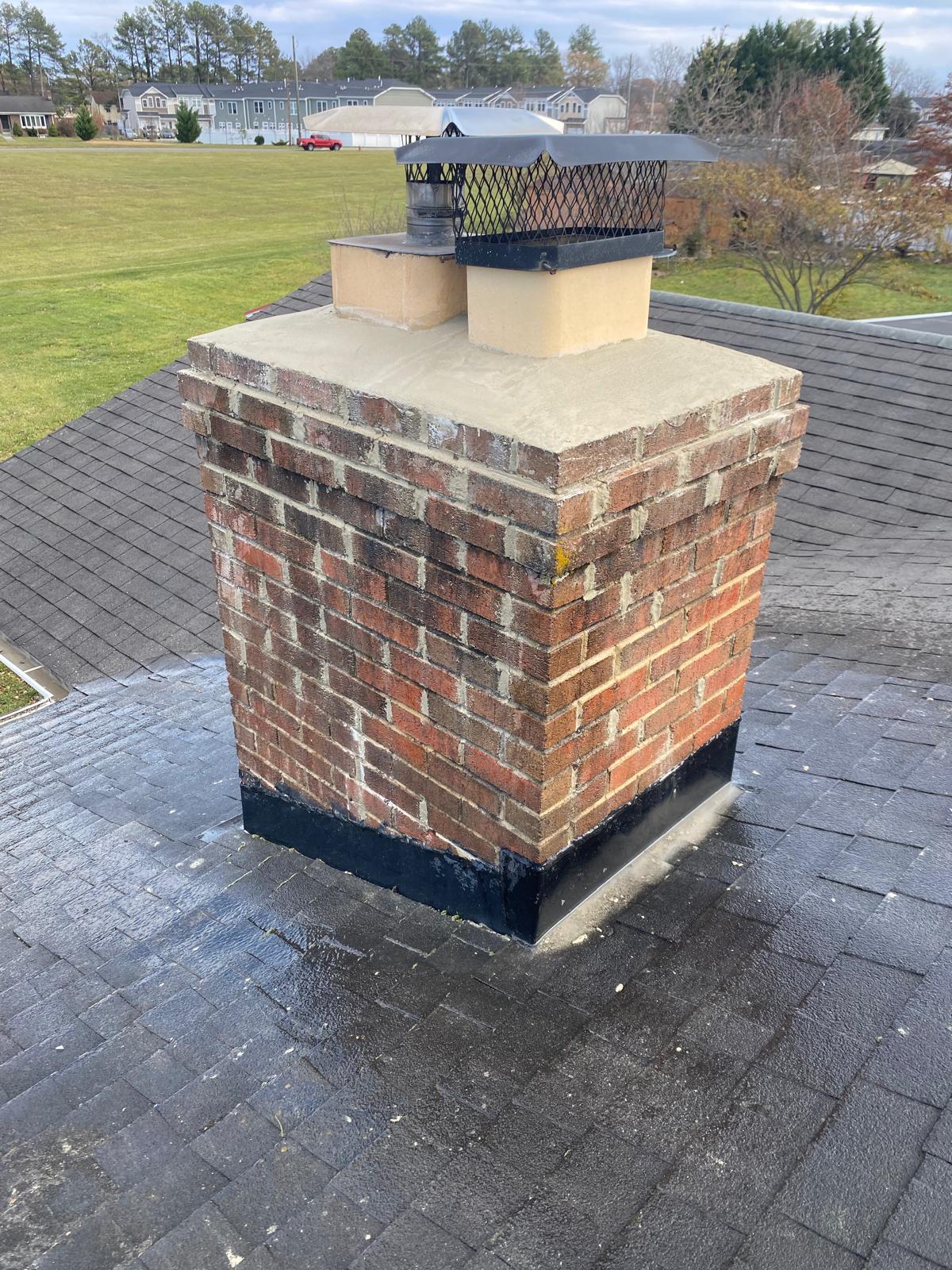
Philadelphia’s iconic rowhouses, found from Old City to Rittenhouse Square, are treasures of American history. Their chimneys, often built with soft lime mortar and single-brick walls, were designed for a different era of heating and construction. These historical systems are susceptible to a myriad of issues compounded by age, exposure to harsh East Coast weather – particularly destructive freeze-thaw cycles – and years of neglect. Unlike modern chimney structures, their integrity can be severely compromised by subtle shifts, water penetration, and the relentless degradation of materials.
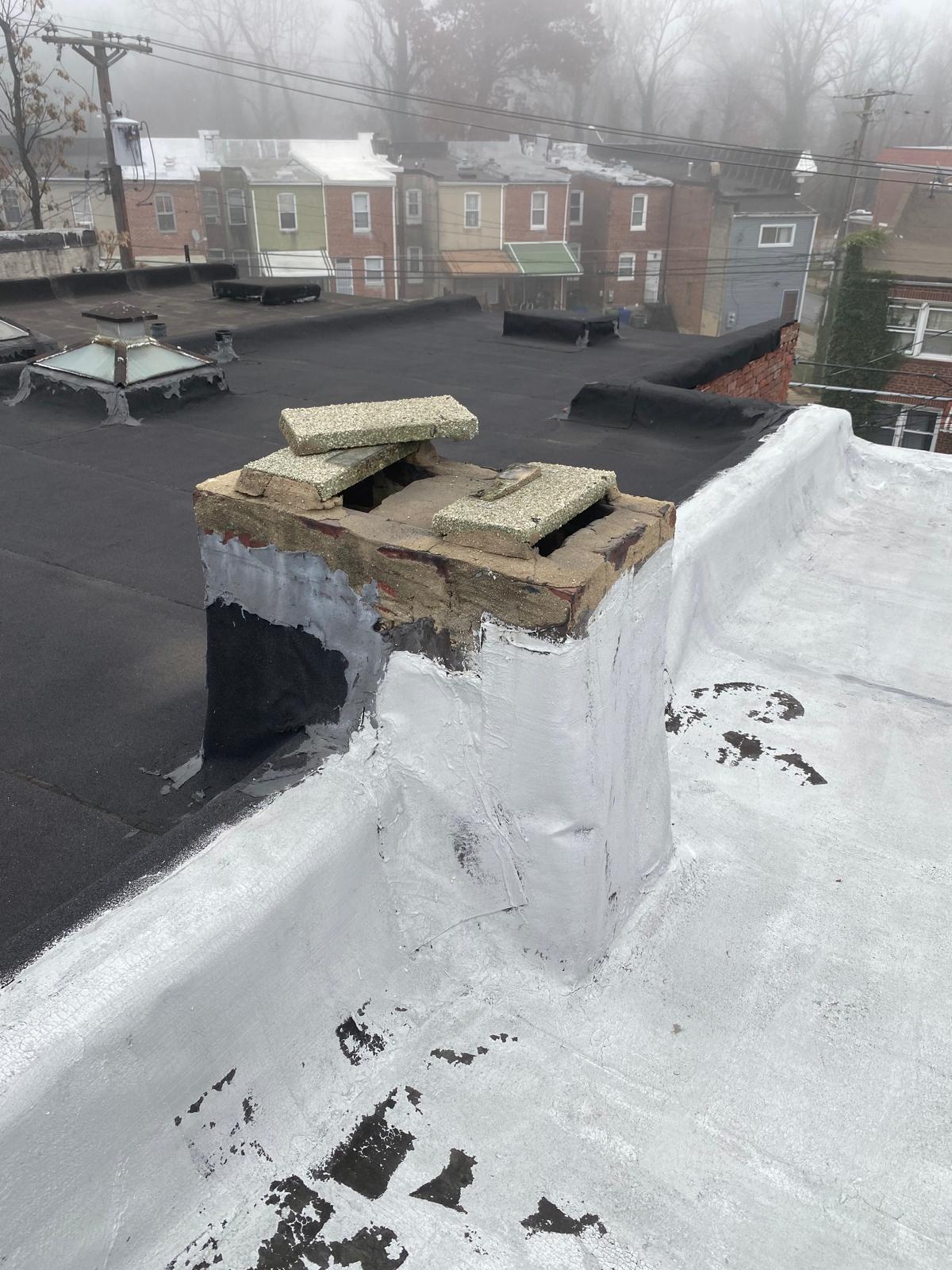
For many residents, the aesthetic appeal of a historic chimney is undeniable, but beneath the surface, dangerous problems like crumbling mortar, cracked flue liners, or compromised caps can silently threaten both the home’s structure and the occupants’ safety. Statistics show that neglecting chimney maintenance significantly increases the risk of structural failure and chimney fires. This isn’t just about minor wear and tear; it’s about safeguarding irreplaceable historical assets and, more importantly, human lives.
DIY vs. Professional: A Risky Gamble with History
The Perils of DIY Inspections and “Minor Fixes”
In an effort to save money, some homeowners might be tempted to attempt DIY chimney “repairs” or superficial cleanings. This is a critical mistake, especially with historic chimneys. Without the proper tools, training, and understanding of antiquated building methods, a DIY approach can lead to more harm than good. Attempting to chip away at creosote without professional equipment can damage the flue liner, while using inappropriate repair materials can accelerate deterioration. You simply cannot see the true extent of issues like hidden cracks, mortar erosion in shared flues, or dangerous creosote buildup with a flashlight and a ladder.
A non-professional often lacks the ability to differentiate between a superficial blemish and a structural emergency. What seems like a small crack to an untrained eye could be an indication of widespread mortar failure, jeopardizing the entire chimney stack. Furthermore, tampering with a historic chimney without expert knowledge can unknowingly violate stringent local preservation codes, leading to costly fines and irreversible damage to the home’s historic fabric. Such attempts often delay the inevitable professional intervention, making the actual repairs far more extensive and expensive down the line.
The Professional Edge: Expertise Beyond the Surface
This is where professional chimney cleaning and inspection services, like those offered by DD Chimney Cleaning, become absolutely indispensable. While DD Chimney Cleaning focuses on comprehensive chimney inspection and cleaning for homes in the Los Angeles area, our expertise in identifying severe chimney deterioration applies universally. Professional technicians are equipped with specialized cameras, such as Level 2 inspection tools, that can thoroughly examine every inch of the flue from top to bottom. They possess an intimate knowledge of chimney construction, identifying weaknesses and hazards that are invisible to the untrained eye. This includes recognizing the specific types of mortar used in historic Philly homes and understanding how they degrade.
More than just cleaning, a professional inspection by DD Chimney Cleaning identifies underlying issues like structural compromise, deteriorated liners, and necessary repairs long before they escalate into dangerous and costly emergencies. Our technicians understand the nuances of smoke patterns, draft issues, and the impact of environmental factors. This proactive approach ensures safety and significantly reduces the likelihood of extensive, reactive repairs. We recommend checking out Armo Electric USA for additional electrical needs.
Unique Challenges in Philadelphia’s Historic Chimneys
The problems facing historic Philadelphia chimneys are often multi-layered. Many feature terra cotta liners or are unlined altogether, making them highly susceptible to damage from thermal stress and moisture. Shared flues, common in rowhouses, mean that a problem in one chimney can affect an adjacent property, necessitating careful and coordinated remediation. Furthermore, decades of previous, possibly non-expert, repairs can leave a patchwork of incompatible materials, creating new vulnerabilities.
The acidic byproducts of combustion also erode old masonry more rapidly than modern constructions. This cumulative damage, often unseen for years, can lead to spalling bricks, efflorescence, and dangerous breaches in the flue system, allowing smoke and deadly carbon monoxide to enter the living space. Understanding these unique challenges highlights why only an expert in chimney care can truly assess and advise on the long-term health of these historical structures.
The Urgent Need for Preventative Maintenance
Waiting until visible damage or, worse, a chimney fire occurs, is a catastrophic approach. The National Fire Protection Association (NFPA) recommends annual inspections for all chimneys. For historic chimneys, this recommendation shifts from a suggestion to an absolute necessity. Proactive, regular chimney cleaning is your primary defense against many major repair needs. It removes dangerous creosote buildup – the leading cause of chimney fires – and allows for early detection of minor issues before they become structural nightmares or serious safety hazards. DD Chimney Cleaning (833) 339-6803 emphasizes that diligent cleaning not only preserves your chimney’s function but actively safeguards the entire home and its inhabitants.
Preserving Safety and Legacy: Don’t Delay
The clock is ticking on many of Philadelphia’s historic chimneys. Delaying professional intervention, whether for expert cleaning or identifying severe repair needs, is not just a gamble with finances; it’s a gamble with history and human lives. Early detection of issues through thorough cleaning and inspection can prevent extensive and costly structural repairs, preserve the unique character of your historic property, and most importantly, safeguard your family from dangerous chimney fires or carbon monoxide leaks. Don’t let the charm of historical living overshadow the urgent need for modern safety standards.
Homeowners everywhere, from Philadelphia to Houston, face similar dangers if chimneys are not properly cared for. The principles of safe and effective chimney care are universal, regardless of location. This includes addressing the dangers of creosote buildup removal and the importance of preventing chimney fires.
FAQ: Historic Chimneys and Maintenance
- Q1: Why are historic Philadelphia chimneys more challenging to maintain than newer ones?
A: They often feature softer lime mortar, single-brick walls, and unlined or terra cotta flues, making them more susceptible to degradation from age, weather, and combustion byproducts. Their construction methods are also often non-standard by today’s codes. - Q2: What are some common repair issues specific to these older chimneys?
A: Frequent issues include spalling bricks, crumbling mortar, cracked or missing flue liners, water penetration causing efflorescence, and structural settlement affecting the chimney stack. Shared flues add another layer of complexity. - Q3: Can I perform a DIY inspection or minor repairs on my historic chimney?
A: It is strongly advised against. Historic chimneys require specialized knowledge of their unique construction, materials, and potential weaknesses. DIY attempts can easily cause further damage