Your roof is a silent conspirator.
That might sound dramatic, especially when we consider the magnificent, often sun-drenched rooftops adorning homes across Los Angeles. We tend to trust them implicitly, believing their shingles or tiles are the impenetrable guardians against the elements. But this trust, while understandable, often blinds us to the real vulnerability. The truth is, the biggest threats to your home’s integrity aren’t always glaringly obvious; they’re frequently hidden in plain sight, in the places where two essential structures meet. Today, we’re pulling back the curtain on one such critical juncture, an unsung hero whose failure can lead to silent, insidious destruction: your chimney flashing.
In a city like ours, renowned more for its persistent sunshine than its dramatic downpours, it’s easy to overlook the critical role water protection plays. Yet, when the Pacific’s moods shift and our winter rains arrive, sometimes with surprising intensity, or when the Santa Ana winds relentlessly batter our structures, the integrity of your home’s envelope is tested. And at the heart of that test, guarding one of the most complex intersections on your roof, stands the humble, often ignored, chimney flashing. Understanding its function isn’t just about maintenance; it’s about safeguarding your investment and your peace of mind.
Deconstructing the Unsung Hero: What Exactly is Chimney Flashing?
To truly grasp the significance of flashing, we must first understand its fundamental purpose and components. Imagine your chimney as an obstacle on a carefully sloped waterslide – your roof. Water, whether from rain or melting frost (rare, but not impossible in higher elevation LA neighborhoods), naturally flows downwards. Without a specialized barrier, this water would simply cascade into the gap between your chimney and the roofline, directly into your attic, walls, and home’s interior.
Chimney flashing is precisely that barrier. It’s a system of thin, water-impermeable material, typically metal, designed to create a watertight seal where the chimney penetrates the roof. This isn’t a single piece but a multi-layered, intricate assembly that accommodates the chimney’s movement relative to the roof (due to thermal expansion and contraction), ensuring continuous protection.
The Essential Components of a Robust Flashing System
A properly installed chimney flashing system is a testament to thoughtful engineering, comprising several critical pieces that work in concert:
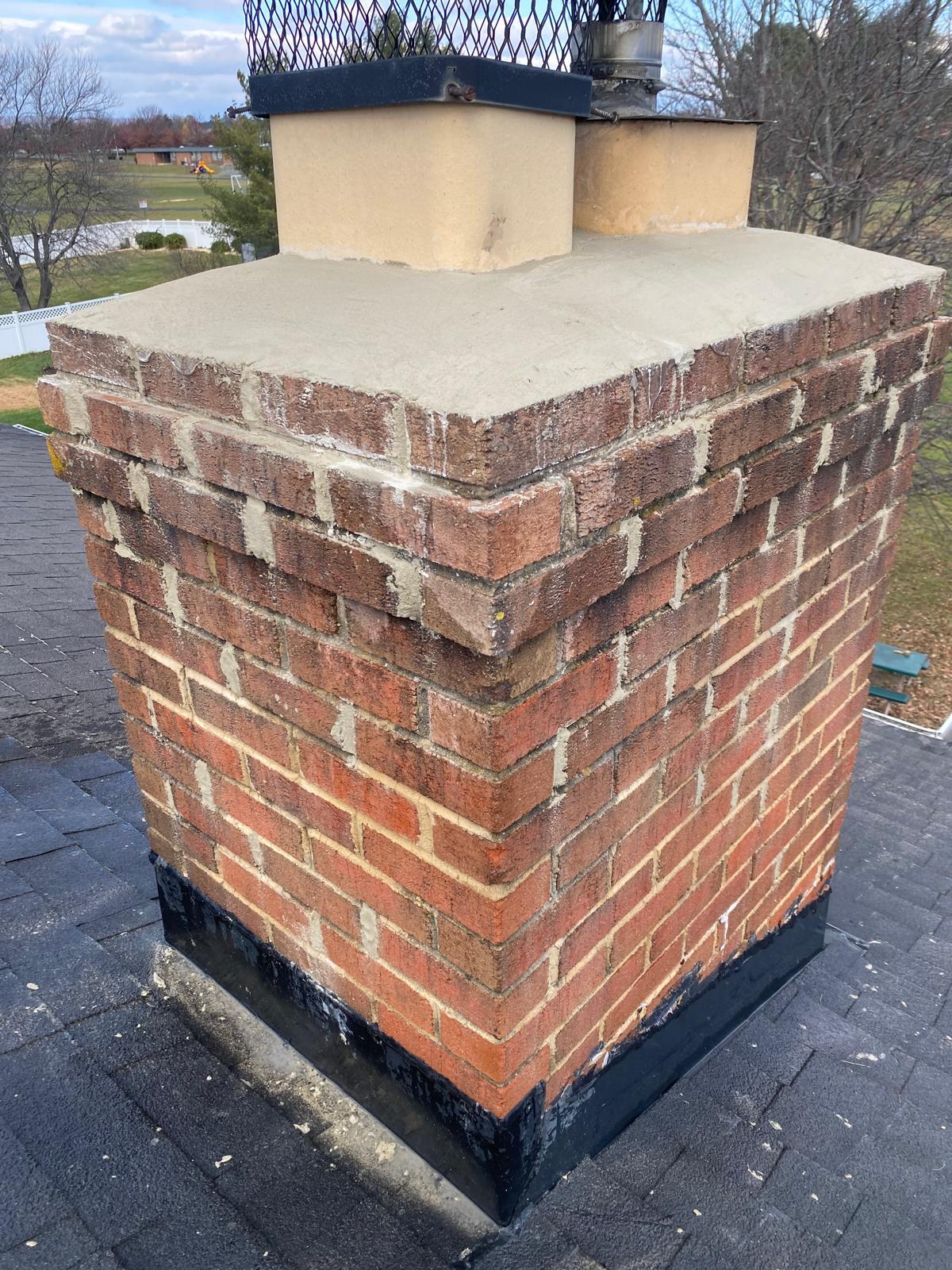
- Step Flashing: These are individual, L-shaped pieces of metal, woven in with each course of shingles (or beneath tiles). They overlap, directing water down and over the next shingle, away from the chimney. This “step” ensures that if one piece fails, water is still mostly diverted.
- Counter Flashing (or Cap Flashing): This is the crucial top layer. It’s mortared directly into the chimney’s masonry joints and then bent down over the top edge of the step flashing. Its purpose is to shed water away from the masonry and down onto the step flashing below, creating a layered, shingled effect that gravity simply can’t defeat.
- Apron Flashing: Located on the low side (downhill) of the chimney, this is typically a single, wider piece of metal that extends up the face of the chimney and out onto the roof surface, directing water around the front of the chimney.
- Back Pan / Cricket / Saddle Flashing: For chimneys wider than 24 inches on the uphill side, a “cricket” or “saddle” is indispensable. This small, peaked diversion roof is built behind the chimney to divert water and debris around the chimney, preventing accumulation and potential ice dams (even rare in LA, a standing water issue is always a concern) or excessive pressure on the flashing. Without it, water would pool against the chimney, inviting leaks.
Common materials include galvanized steel, aluminum, copper, and lead. Each has its pros and cons regarding durability, cost, and aesthetic, but proper installation far outweighs the material choice in terms of longevity.
Why Flashing is Particularly Critical for Los Angeles Homes: A Seasonal Perspective
One might think that in a city with such enviable weather, heavy-duty water protection is less of a concern than in, say, Seattle or New England. This couldn’t be further from the truth. Los Angeles presents a unique set of challenges that make robust chimney flashing not just important, but absolutely vital, requiring a keen understanding of our local climate patterns.
Autumn & Winter: The Test of Torrential Rains
While our rainy season might be shorter than other regions, it often compensates with intensity. Flash flooding, intense downpours, and atmospheric rivers are not uncommon visitors to Southern California in the late fall and winter months. When hundreds of gallons of water per minute can pour onto a roof during a heavy storm, any vulnerability in your chimney flashing becomes a direct conduit for disaster. Water will find the path of least resistance, and poorly sealed or damaged flashing offers an open invitation to your attic and living spaces. This is when deferred maintenance comes back to haunt homeowners with stained ceilings and the ominous drip.
Spring & Summer: The Baking Sun and Wind Erosion
The prolonged periods of dry heat and intense UV radiation characteristic of Los Angeles summers are just as destructive, albeit in a different way. Constant exposure to the sun bakes and degrades sealant materials (like caulk, often used improperly as a primary seal), causing them to crack, shrink, and lose elasticity. Metal flashing itself can undergo cycles of expansion and contraction, which, over time, can stress fasteners and joints, leading to fatigue and separation. Add to this the occasional relentless Santa Ana winds, which can lift, bend, or tear away compromised flashing components, and you have a recipe for cumulative damage that remains unseen until the next significant rain event.
The Consequences of Failure: More Than Just a Drip
When chimney flashing fails, the ramifications extend far beyond a mere cosmetic inconvenience:
- Structural Degradation: Water infiltration directly into your attic and wall cavities can lead to extensive wood rot in rafters, trusses, ceiling joists, and even framing. This compromises the structural integrity of your home, potentially leading to costly and complex repairs.
- Mold and Mildew Growth: The warm, often poorly ventilated attic spaces of Los Angeles homes, when combined with moisture, create an ideal breeding ground for mold and mildew. This not only causes unpleasant odors but can also pose serious health risks for occupants, especially those with allergies or respiratory conditions.
- Damaged Insulation: Wet insulation loses its R-value (its ability to resist heat flow) dramatically. This leads to higher energy bills as your HVAC system works harder to maintain indoor temperatures, especially during our long summers.
- Electrical Hazards: Water can seep into electrical conduits, outlets, and fixtures, creating dangerous short circuits or fire hazards.
- Pest Infestations: Damp, rotting wood attracts termites, carpenter ants, and other pests. Once inside, they can cause further damage to your home’s structure.
Proactive Seasonal Strategies for Los Angeles Homeowners
Given the specific environmental challenges in Los Angeles, a proactive approach to chimney flashing maintenance is the wisest course of action.
Early Fall Inspection: Pre-Rain Season Vigilance
Before the winter rains typically begin, an annual inspection is paramount. This is the optimal time to identify and address any vulnerabilities:
- Look for Obvious Damage: From the ground with binoculars, or safely from a ladder, check for bent, missing, or rusted metal pieces.
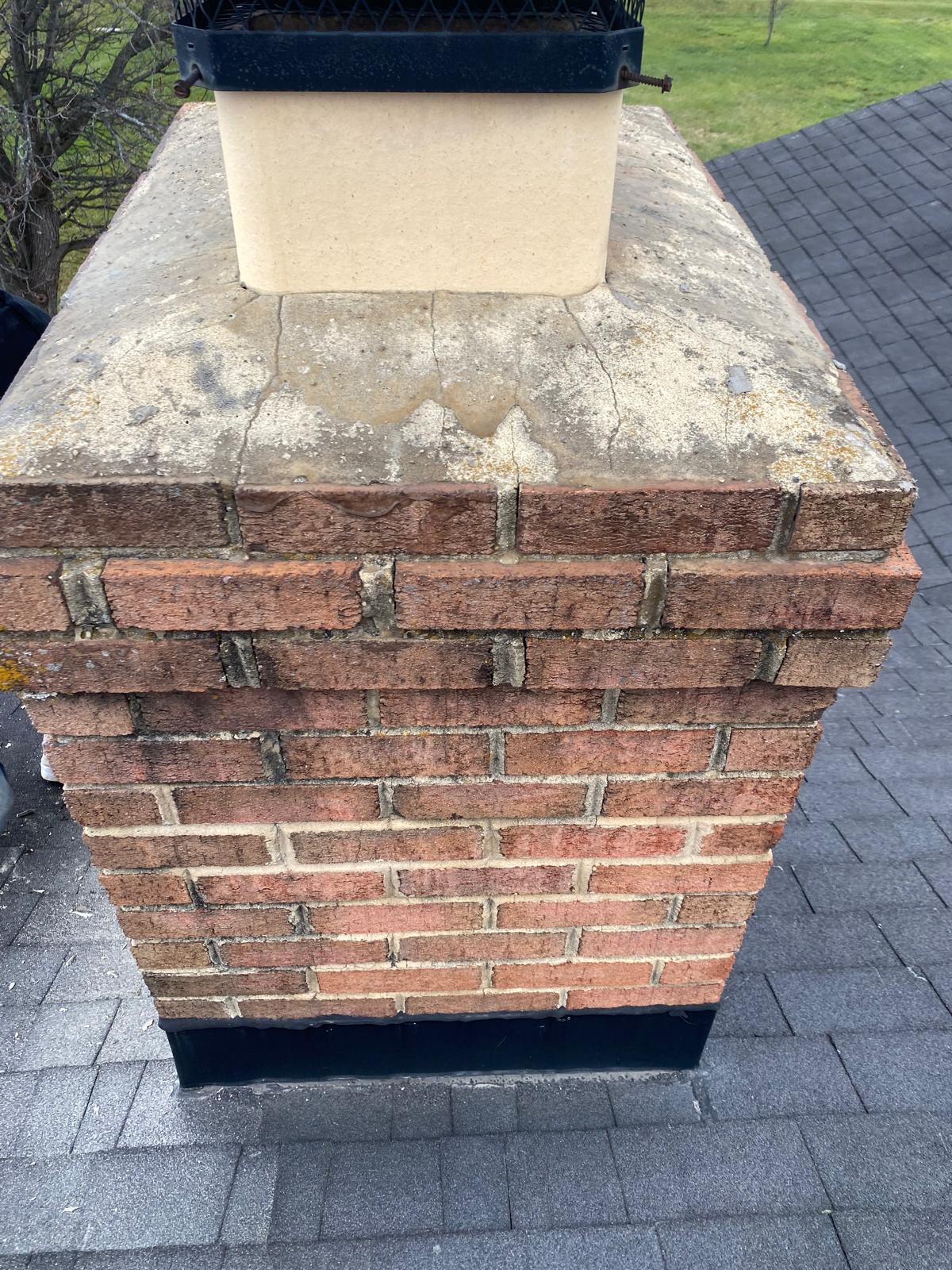
- Inspect Sealants: Pay close attention to caulk lines around the counter flashing. Look for cracks, shrinkage, or areas where the sealant has pulled away from the masonry or metal.
- Check for Debris: Accumulated leaves, twigs, and other organic matter around the chimney can trap moisture, accelerating corrosion and degradation. Ensure the area is clear.
- Identify Signs of Past Leaks: In your attic, check for water stains on the underside of the roof decking, rafters, or insulation near the chimney. Even dry stains indicate a past problem that needs to be prevented from recurring.
Winter Monitoring: Stay Alert During Storms
During heavy rain events, listen. Strange drips, the sound of water trickling, or visible leaks are immediate red flags. Check affected areas promptly. If you suspect a leak, minimize potential damage by moving valuables and placing buckets, and contact professionals immediately.
Spring Clean-Up: Post-Rain Assessment
After the rainy season has passed, a follow-up inspection is beneficial. The persistent moisture of winter can expose new weak spots. Clear any remaining debris and visually assess the flashing one last time before the summer sun intensifies its assault.
Summer Preparation: Battling the Sun
While you might not be thinking about rain, consider the impact of intense UV. If you notice any exposed caulk or sealants showing signs of severe cracking, addressing them proactively will prevent deeper issues when the rains eventually return. Remember, high-quality sealants specifically designed for outdoor exposure are key, not just any general-purpose caulk.
Frequently Asked Questions About Chimney Flashing in LA
Q1: How often should my chimney flashing be professionally inspected?
A1: For Los Angeles homes, we recommend a professional chimney and flashing inspection at least once a year, ideally in the early fall before the rainy season commences. This allows ample time to address any issues identified before they lead to costly water damage.
Q2: Can I repair my chimney flashing myself to save money?
A2: While minor sealant cracks might seem like a DIY fix, we strongly advise against attempting flashing repairs yourself. Proper flashing installation is a complex, multi-step process that requires specific tools, materials, and a deep understanding of roof mechanics and water diversion principles. Improper repairs often worsen the problem, leading to more extensive and expensive professional intervention down the line. It’s also dangerous to be on a roof without proper safety equipment and experience.
Q3: What are the tell-tale signs of faulty chimney flashing?
A3: Key indicators include water stains on your ceiling or walls near the chimney, peeling paint on interior chimney walls, dampness or musty odors in your attic, visible rust or corrosion on the exterior metal flashing, cracked or missing mortar joints around the flashing, or sections of the metal flashing that appear bent, lifted, or separated from the roof or chimney.
Q4: Does sun exposure in Los Angeles truly impact flashing significantly?
A4: Absolutely. The intense, prolonged UV radiation from the Los Angeles sun is a major culprit in the degradation of sealants and even some flashing materials. It causes sealants to dry out, crack, and shrink, breaking the watertight seal. Even metal flashing can be stressed by constant thermal expansion and contraction, potentially leading to material fatigue over many years. This is why regular inspection and using UV-resistant materials are crucial.
Q5: Why do some chimneys in LA have a small “mini-roof” behind them?
A5: That “mini-roof” is called a cricket or saddle flashing. It’s crucial for chimneys wider than 24 inches on the uphill side of the roof. Its purpose is to divert water and debris around the chimney, preventing water from pooling against the back of the chimney structure. Without it, stagnant water can lead to premature flashing failure, masonry deterioration, and leaks, even with perfect flashing elsewhere.
Your Home Deserves a Silent Guardian That Works.
Don’t let the silent threats of water damage undermine the value and safety of your Los Angeles home. Your chimney flashing might be out of sight, but it should never be out of mind. Its critical role in protecting your property, especially with our unique climate patterns, cannot be overstated.
When it comes to the intricate details of chimney flashing inspection, repair, and installation, trust the expertise that understands the specific challenges faced by homes in Los Angeles. At DD Chimney Cleaning, our certified professionals possess the knowledge and precision required to ensure your chimney flashing system is a robust, watertight barrier. We specialize in identifying potential issues before they become expensive problems, providing reliable solutions tailored