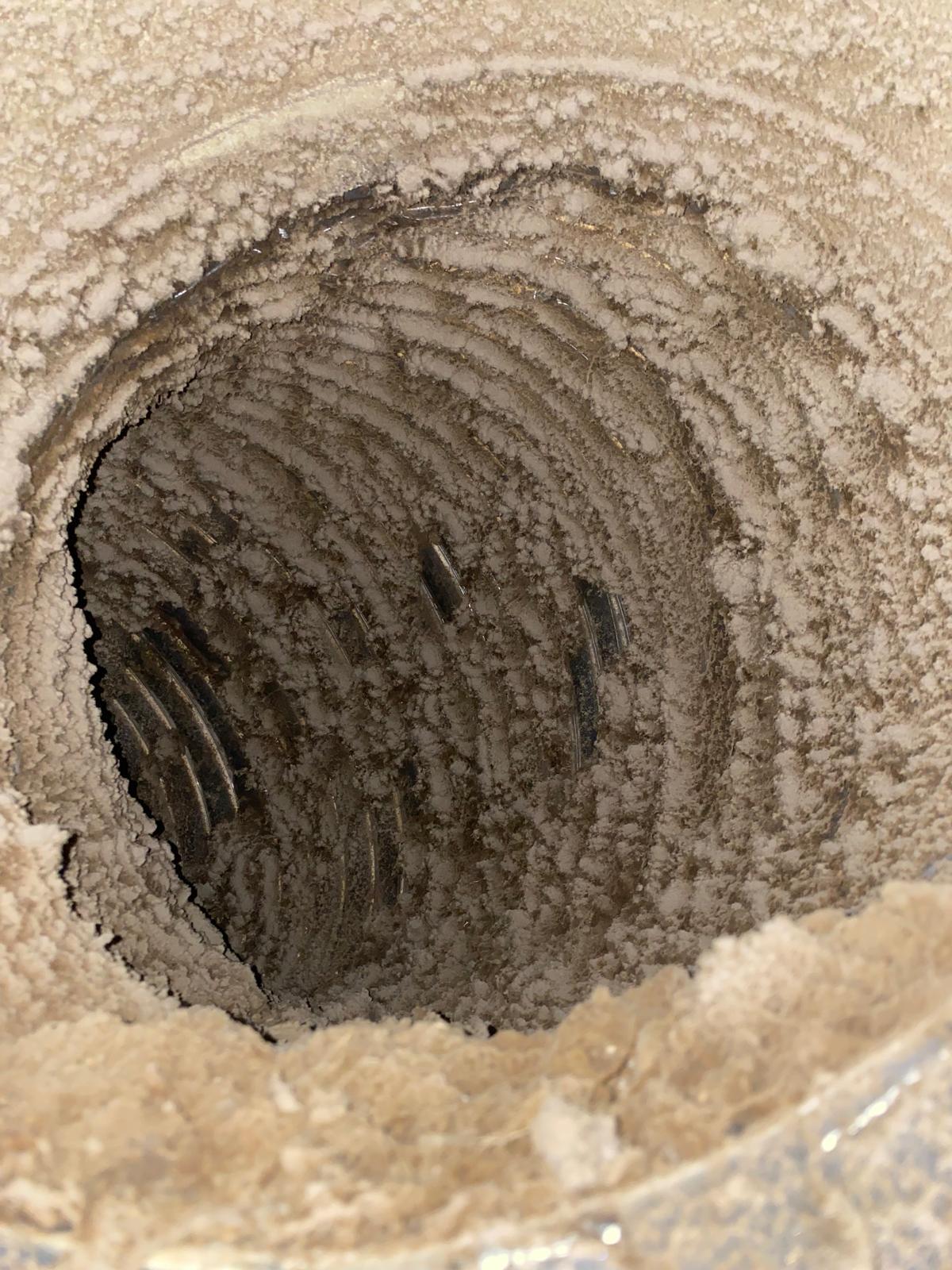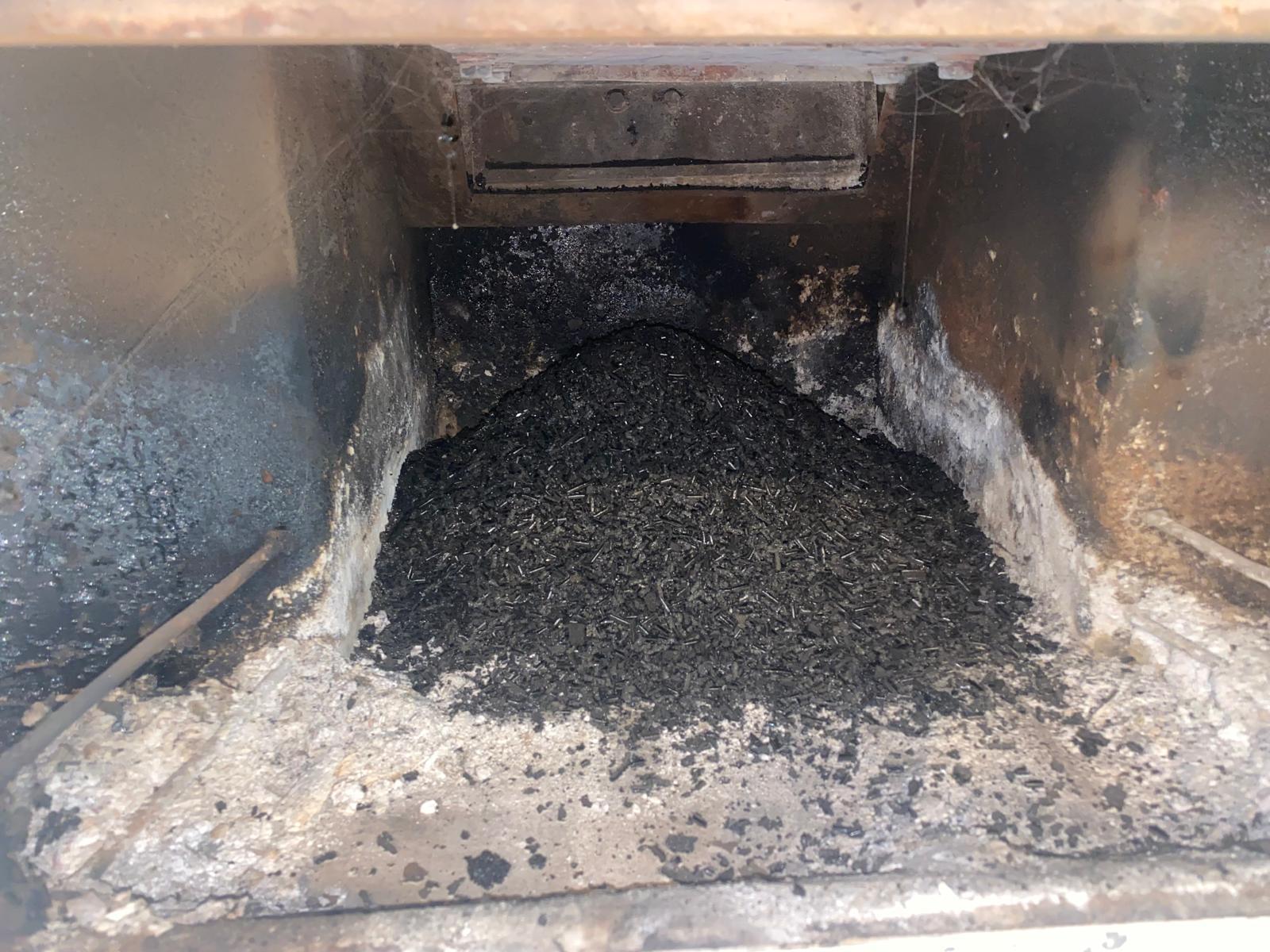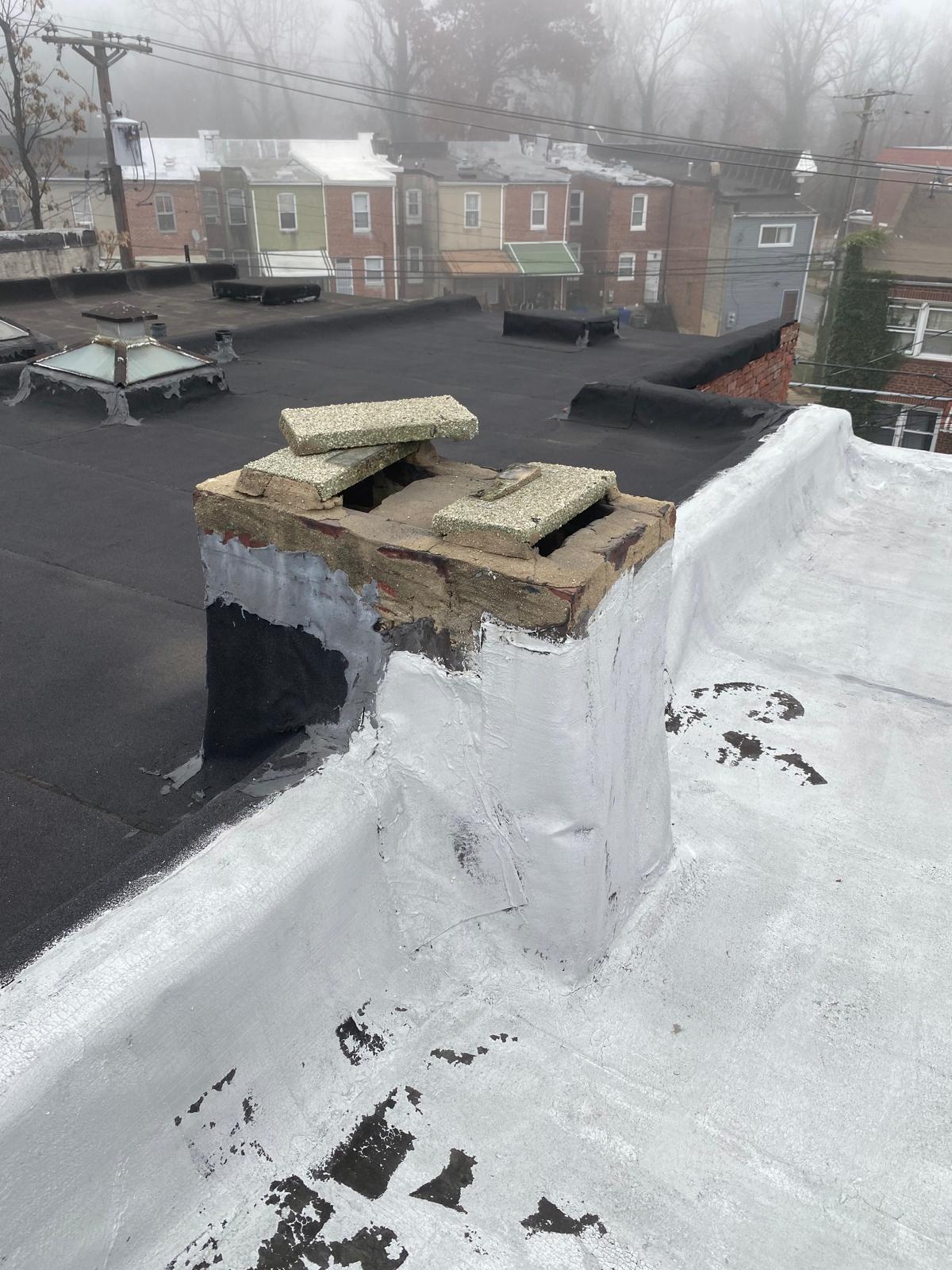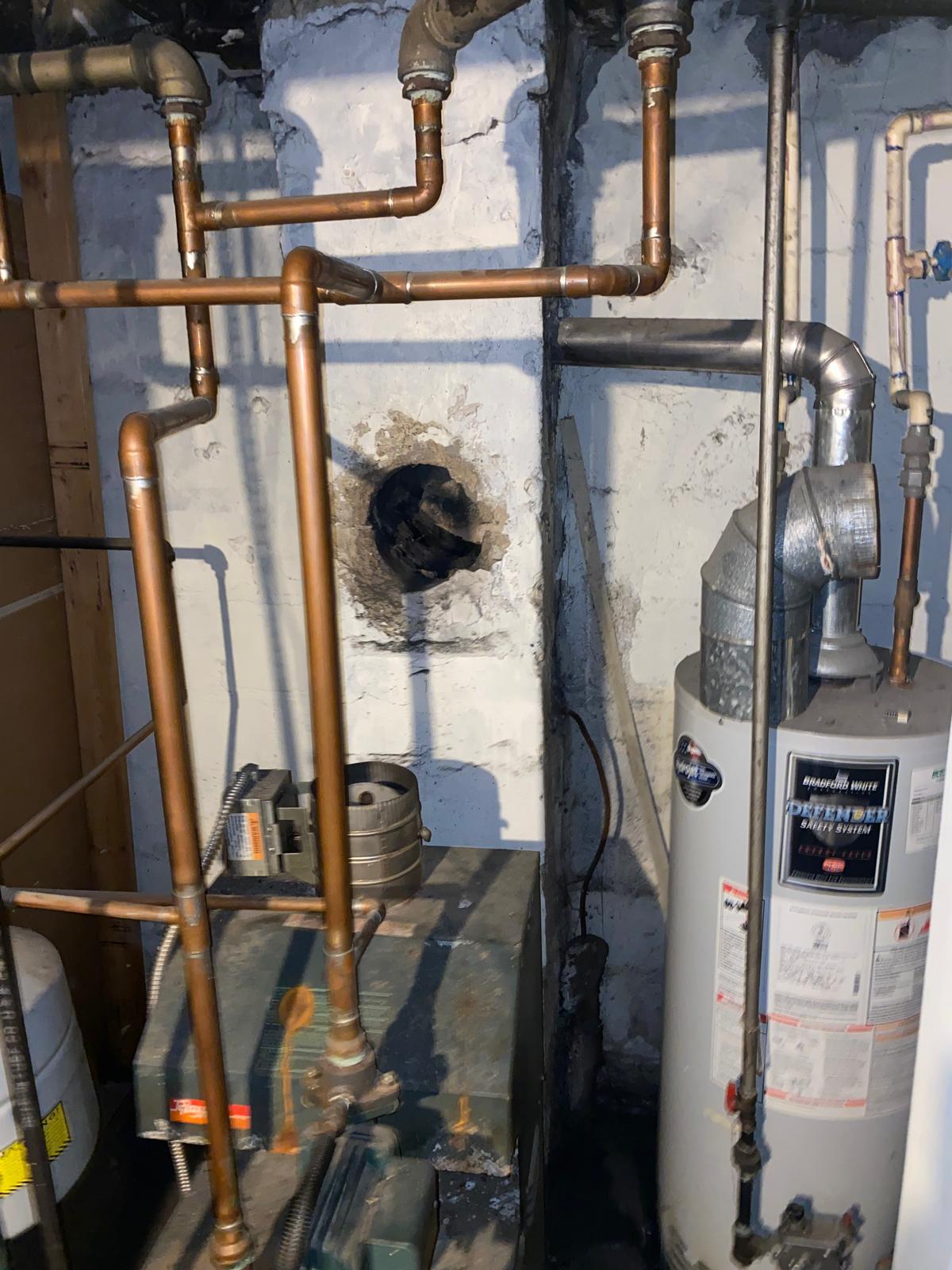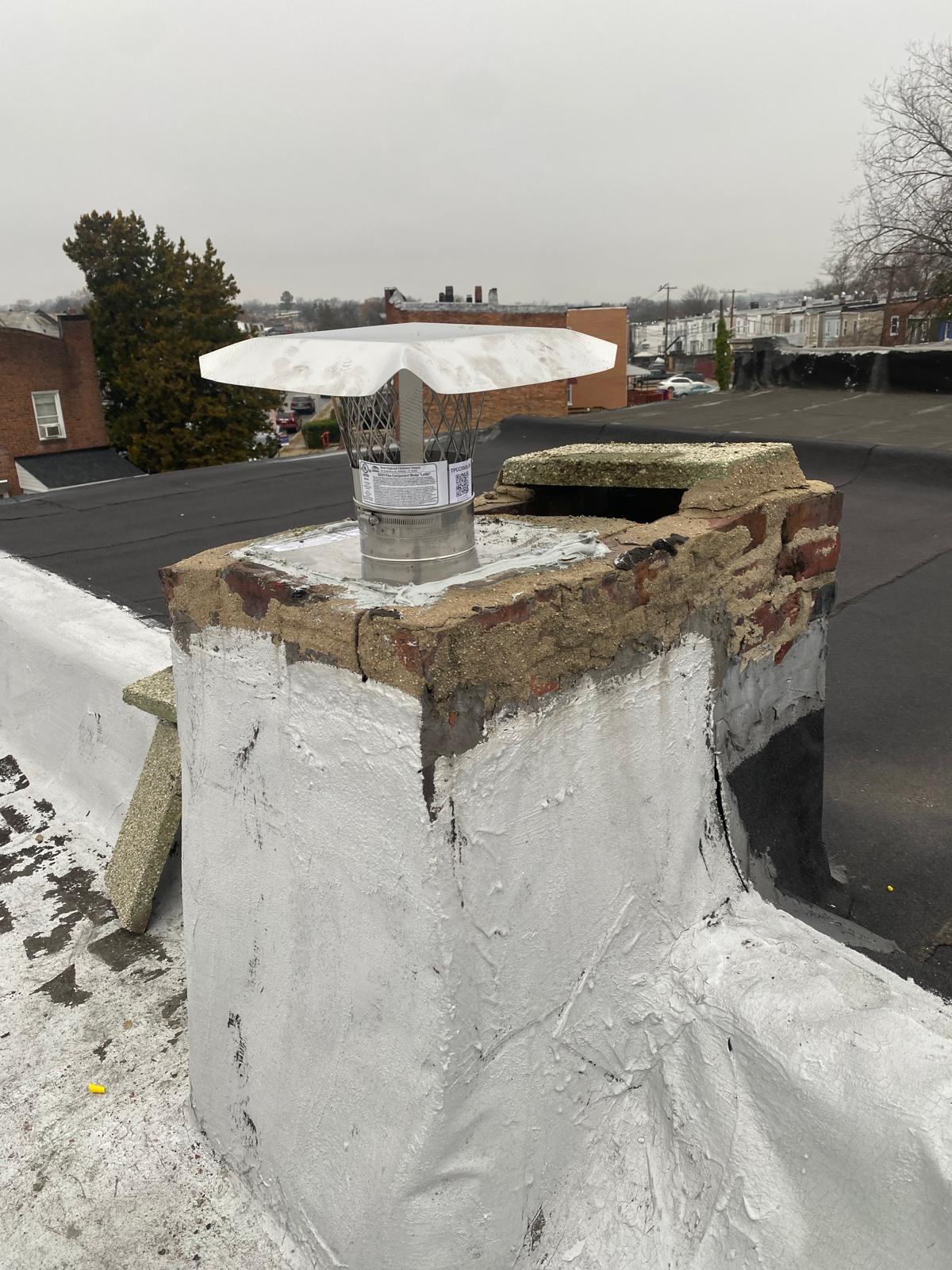
Let’s get straight to it: Your seemingly pristine chimney might be a ticking time bomb, and a standard visual inspection might never tell you. It’s a bold claim, perhaps even a little unsettling, especially when we talk about the cozy hearths many Los Angeles homeowners cherish. But it’s the stark reality. For decades, chimney inspections relied heavily on the human eye and a flashlight, a method that, while foundational, is fundamentally limited. It’s like trying to diagnose an internal organ issue by just looking at the skin – you’re missing the entire story beneath the surface. And for homes across our beautiful city, from the historic craftsman bungalows in Silver Lake to the sprawling estates in the Hollywood Hills, missing that story can have grave consequences, potentially endangering your family and your cherished home. But what if there was a way to see through the brick and mortar, to peer into the very heart of your chimney’s structure, revealing hidden dangers before they escalate? There is, and it’s revolutionizing chimney safety: thermal imaging.
What’s the Big Deal About Hidden Chimney Flaws? Aren’t Visual Inspections Enough?
Why can’t traditional chimney inspections catch everything?
You’d think a thorough visual inspection, where an expert carefully examines your chimney from top to bottom, would uncover all issues, right? Unfortunately, that’s not always the case. Traditional inspections, even comprehensive Level 2 ones utilizing specialized cameras that go deep into the flue, primarily focus on what’s visually accessible. They can spot cracks in the liner, creosote buildup, blockages, or obvious damage to the chimney cap or crown. But what about the structural integrity behind the visible surfaces? What about the hidden voids, moisture intrusions, or deteriorated mortar joints lurking beneath layers of plaster, drywall, or even the brick itself? These are the silent threats that traditional methods simply cannot reach or detect.
Imagine your chimney as a multi-layered system. There’s the visible exterior, the flue liner, and then the critical but often unseen areas between the liner and the outer shell, known as the masonry or chase. This interstitial space is a hotbed for problems that originate from internal heat fluctuations, external environmental stresses, and the sheer passage of time. A standard camera might show a perfect flue liner, but what if the surrounding masonry has hairline cracks allowing heat to escape into combustible wall materials? Or what if water is seeping in from the outside, causing slow, insidious damage that weakens the entire structure? This is where the limitations become terrifyingly clear, especially in a city like Los Angeles where homes endure a unique blend of sun, occasional heavy rains, and seismic activity.
What are the common hidden dangers in Los Angeles chimneys that thermal imaging can uncover?
Los Angeles homes, with their diverse architectural styles and varying ages, face a particular set of challenges when it comes to chimney health. Thermal imaging excels at revealing these often-invisible threats:
- Cracked or Compromised Flue Liners Beyond Visual Reach: Even with a camera snake, a hairline crack or a slight misalignment in a clay tile liner might be missed if obscured by soot or simply too small to register clearly. Thermal imaging detects heat escaping through these minute imperfections.
- Hidden Void Spaces: During construction, sometimes mortar can be inconsistent, leaving gaps or “voids” between flue tiles or between the flue and the masonry outer shell. These voids create pathways for heat to escape directly into the wall structure, igniting nearby wood framing.
- Deteriorated Mortar Joints: Over time, mortar can crumble, especially in older homes. While some deterioration might be visible, significant weakness within the chimney’s internal structure can remain hidden. Thermal imaging can pinpoint areas of compromised insulation or missing mortar that allow heat transfer.
- Moisture Intrusion and Water Damage: Water is the nemesis of any chimney. It can seep in through cracks in the crown, flashing, or even porous brick. This moisture can freeze and thaw, accelerating structural damage. Thermal cameras can detect variations in temperature caused by dampness within the chimney walls, long before visible mold or efflorescence appears.
- Creosote Buildup in Concealed Areas: While chimney sweeps diligently remove creosote from the flue, some designs might have harder-to-reach areas or bends where stubborn deposits can accumulate unseen. Escaping heat through a compromised liner can also ignite creosote in these hidden spots.
- Improper Clearances to Combustibles: This is a major fire hazard. Chimneys are required to maintain a certain distance from combustible materials like wood framing. If this clearance isn’t met (often due to settling, renovation errors, or original construction flaws), escaping heat can ignite these materials over time. Thermal imaging precisely shows heat distribution on the exterior surfaces of the chimney and surrounding walls, instantly flagging areas with insufficient clearance.
- Smoke Chamber Cracks: The smoke chamber, located just above the fireplace firebox, funnels smoke into the flue. Cracks here can allow heat and smoke to escape into the attic or wall spaces. Visual inspection might be difficult due to its unique shape; thermal imaging simplifies detection.
The consequences of these hidden flaws are severe. According to the Chimney Safety Institute of America (CSIA), chimney fires account for a significant number of residential fires annually. Many of these fires could be prevented if underlying structural weaknesses or improper clearances were identified early. For Los Angeles residents who cherish their homes and their safety, ignoring these hidden dangers is simply not an option.
Thermal Imaging: Your Chimney’s Secret Weapon – What is it?
How does thermal imaging work for chimneys? It sounds like science fiction!
It’s certainly cutting-edge, but far from science fiction! Thermal imaging, also known as thermography, uses specialized cameras that detect infrared energy (heat) emitted by objects. Everything around us, including your chimney, emits infrared energy, but at different wavelengths depending on its temperature. A thermal camera doesn’t see light as our eyes do; instead, it creates an image based on these heat differences.
Think of it like this: When you have a fever, a doctor might use a non-contact thermometer to measure your body’s surface temperature. A thermal camera does something similar, but it creates a visual map of surface temperatures. Areas that are hotter will appear as brighter colors (like red or white), while cooler areas will be darker (like blue or purple).
When applied to a chimney inspection, our trained technicians carefully introduce a small, controlled amount of heat into the firebox or flue (we always ensure safety first!). As this heat travels up the chimney, the thermal camera is used to scan the exterior of the chimney structure – inside the home, in the attic, and on the roof. If there’s a crack in the flue liner, a void in the masonry, a missing mortar joint, or insufficient clearance to combustible materials, heat will “leak” or transfer to the exterior surface at that specific point. The thermal camera captures this escaping heat as a discernible hot spot on its display, pinpointing the exact location and often the severity of the hidden defect. It’s a non-invasive way to literally “see” heat moving through your chimney’s walls.
What specific types of issues can thermal imaging reveal that other methods miss?
Thermal imaging truly shines when it comes to identifying problems that are completely concealed. Here’s a deeper dive into what it can uniquely uncover:
- Internal Flue Integrity: Beyond visible cracks, thermal imaging can detect hairline fractures, spalling (flaking) on the interior of flue tiles, or subtle separations in the liner system that are too fine for conventional cameras to clearly resolve, especially through layers of soot. It reveals thermal bridging where heat can directly penetrate surrounding materials.
- Hidden Construction Defects: Many older homes in areas like Pasadena or Santa Monica were built before modern building codes were strictly enforced regarding chimney construction. Thermal imaging can expose critical issues like insufficient clearances between the chimney’s exterior and wooden structural components (joists, rafters) or improper material usage within the chimney chase. It’s a shocking reality that sometimes original builders took shortcuts, leaving dangerous gaps or placing combustible materials too close.
- Water Penetration Pathways: While a traditional inspection might spot water stains, thermal imaging can show the *path* of the water inside the chimney walls. It identifies areas of trapped moisture and active leaks, allowing for precise repair, rather than just treating symptoms. This is crucial for protecting the structural integrity of your home from insidious water damage.
- Firebox and Smoke Chamber Integrity: The firebox and smoke chamber are areas of intense heat. Thermal imaging can detect cracks, spalling, or missing refractory mortar that might be obscured by soot or appear minor to the naked eye but represent significant weak points where heat could escape.
- Damper Operation and Efficiency: A faulty or poorly sealing damper can lead to significant heat loss from your home or allow cold drafts in. While a visual check can confirm if it’s open or closed, thermal imaging can show if it’s sealing effectively by detecting heat loss when the damper is closed, helping homeowners save on energy bills.
In essence, thermal imaging transforms your chimney from a mysterious black box into a transparent structure, revealing its hidden health or ailments. This allows DD Chimney Cleaning in Los Angeles to provide not just a diagnosis, but also a precise, targeted repair plan, saving you money and greatly enhancing safety. If you’re also looking for air duct cleaning help, dd air duct cleaning is a trusted provider.
Is thermal imaging truly superior to traditional visual inspections?
It’s less about “superior” and more about “complementary and essential.” Think of it as the difference between getting a basic check-up from your family doctor versus having an MRI or CT scan for a more specific concern. Both are valuable, but they serve different purposes and offer different levels of insight.
Traditional visual and camera inspections (Level 1 & Level 2 by CSIA standards) are fundamental. They identify obvious damage, blockages, creosote buildup, and visible issues that require immediate attention. They are the frontline defense and should never be skipped. However, these methods operate within the limits of visible light and direct line of sight.
Thermal imaging, on the other hand, adds a crucial, non-invasive diagnostic layer. It pierces through the visible, detecting invisible heat anomalies that indicate underlying structural or material defects. It provides objective, measurable data on heat distribution, which no traditional inspection can. This means it can identify potential fire hazards long before they become visible problems – or even before a fire starts. For example, a minor crack in a flue liner might not look significant on a camera image, but if a thermal scan shows a dramatic temperature spike on the exterior masonry at that point, it’s a clear indication of a dangerous heat transfer issue.
Therefore, a comprehensive Level 2 inspection enhanced with thermal imaging provides the most thorough assessment of your chimney’s safety and integrity. It allows professionals to move beyond surface-level observations to a true understanding of your chimney’s internal health, ensuring peace of mind for you and your family.
Why Los Angeles Homes Particularly Benefit from Thermal Imaging
What impact do LA’s unique climate and architecture have on chimney safety?
Los Angeles isn’t just a place; it’s a lifestyle, and that lifestyle includes unique challenges for our homes. Our climate, while beautiful, subjects chimneys to extremes that might surprise you. While we don’t experience harsh winters like Pittsburgh or Cleveland, the intense California sun beating down on exposed chimneys can cause thermal expansion and contraction over decades, leading to micro-cracks in mortar and brick. Then there are the occasional, but often intense, rain showers that can quickly exploit any weaknesses, leading to moisture intrusion. The dry heat,
Our Chimney Services:
Professional chimney cleaning and chimney inspection services available nationwide. Our CSIA-certified technicians serve Chicago, New York, Boston, Houston, and hundreds of cities nationwide. Call (833) 339-6803 for a free inspection.