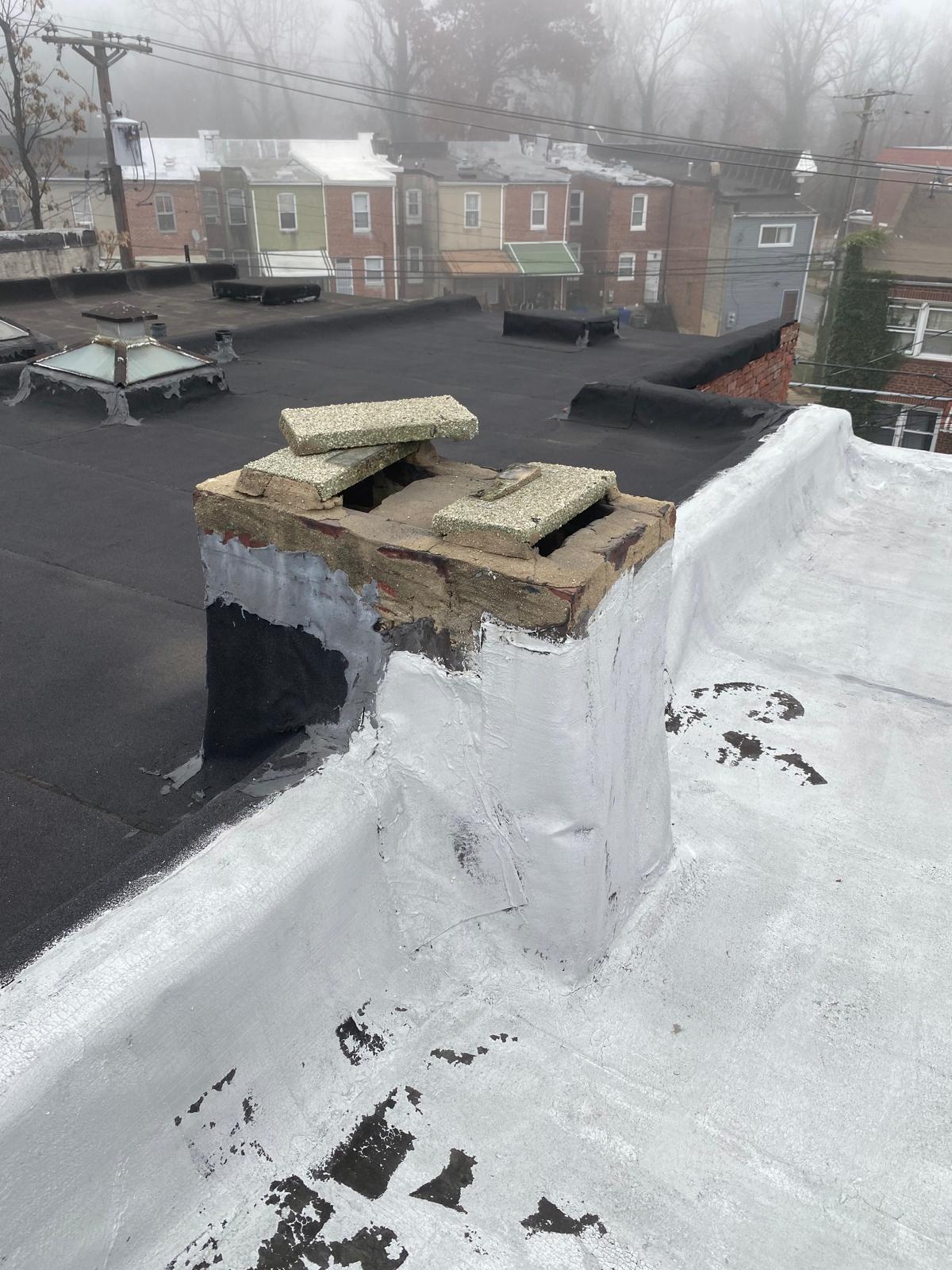
One of the most common oversights homeowners make when it comes to their fireplace system is ignoring the chimney damper. Often mistaken for a simple on/off valve, its proper function is critical for energy efficiency, indoor air quality, and safety. While this post focuses on principles universally applicable to homes, from DD Chimney Cleaning in Houston to residences in more northern climates like Cleveland, we at DD Chimney Cleaning in Los Angeles bring this precise expertise directly to the unique needs of Southern California properties. Understanding the truth about dampers versus common misconceptions is paramount.
Myth 1: All Dampers Are the Same and Located in the Firebox
Fact: There Are Key Damper Types and Locations
Many assume their damper is always the throat damper, visible just above the firebox, operated by a handle or chain. This is a prevalent design, particularly in older homes across Los Angeles neighborhoods like Silver Lake or Hancock Park. These cast-iron throat dampers are excellent for immediate sealing after a fire. However, modern chimneys, especially those in newer construction or updated older homes, often feature top-sealing dampers. Installed at the very top of the chimney flue, these are operated by a cable running down the flue to the firebox. Top-sealing dampers offer a superior seal, preventing significant heat loss (studies suggest up to 30% heat loss through an open or poorly sealed throat damper) and keeping out pests and moisture more effectively. DD Chimney Cleaning professionals routinely inspect both types during a standard thorough chimney inspection.
Myth 2: A Closed Damper Fully Seals Your Home
Fact: Worn or Damaged Dampers Leak Air and Heat
Homeowners often believe that closing the damper completely isolates the chimney from the living space. This is a dangerous misconception, especially in Los Angeles’ diverse climate, where even mild winters can necessitate keeping drafts out. A damper’s effectiveness hinges on its condition. If the metal is warped, corroded, or the sealing gasket (for top-sealing dampers) is cracked or missing, it will not seal properly. This leads to continuous air leakage – cold air infiltration in winter and costly conditioned air escaping in summer. A gap as small as an eighth of an inch can allow substantial heat exchange. Beyond drafts, a faulty seal means exhaust gases or unpleasant odors, often from creosote buildup, can still seep into your home, posing health risks. This makes regular professional creosote removal and damper checks essential.
Myth 3: You Only Need to Repair Your Damper When Smoke Backs Up
Fact: Damper Issues Cause a Range of Problems Before Complete Failure
Waiting for smoke to fill your living room before addressing a damper issue is a critical safety mistake. Long before a complete blockage or failure, a struggling damper can manifest in various ways. You might notice your home feels draftier, particularly around the fireplace, indicating a poor seal. Increased energy bills, even with infrequent fireplace use, can be a symptom of constant heat loss. Strange noises – whistles or clunks – during windy days (common during Santa Ana winds here in Southern California) can signal a loose or deteriorating damper mechanism. Persistent musty or smoky odors, even when the fireplace isn’t in use, point to a failure to seal. Addressing these subtle signs early, through a professional assessment from DD Chimney Cleaning, can prevent more significant, costly repairs or dangerous situations down the line. We recommend annual chimney cleaning and inspections to catch these issues early.
Myth 4: Damper Repair is a DIY Job
Fact: Damper Repair and Replacement Require Expert Hands
Attempting to repair or replace a chimney damper yourself can be hazardous and ineffective. Chimney systems are complex, and accessing dampers, especially top-sealing units, often requires working at heights and understanding flue dynamics. Incorrect installation or repair can lead to a damper that doesn’t seal, or worse, one that gets stuck open or closed. A stuck-closed damper is a severe fire hazard, trapping smoke and embers. A stuck-open one negates its purpose. For thorough, reliable repair or replacement, entrust your chimney to certified professionals. Our technicians at DD Chimney Cleaning are equipped with the right tools, training, and safety protocols to assess the damage, recommend the best course of action – be it repairing a faulty spring or completely replacing a corroded unit – and execute the job to industry standards. This level of detail is something we pride ourselves on, serving homeowners across Los Angeles, just as our wider network ensures quality in places like DD Chimney Cleaning in Dallas, or even when you need DD Chimney Cleaning in Columbus for specialized services.
FAQ Section
Q1: What are the main signs my chimney