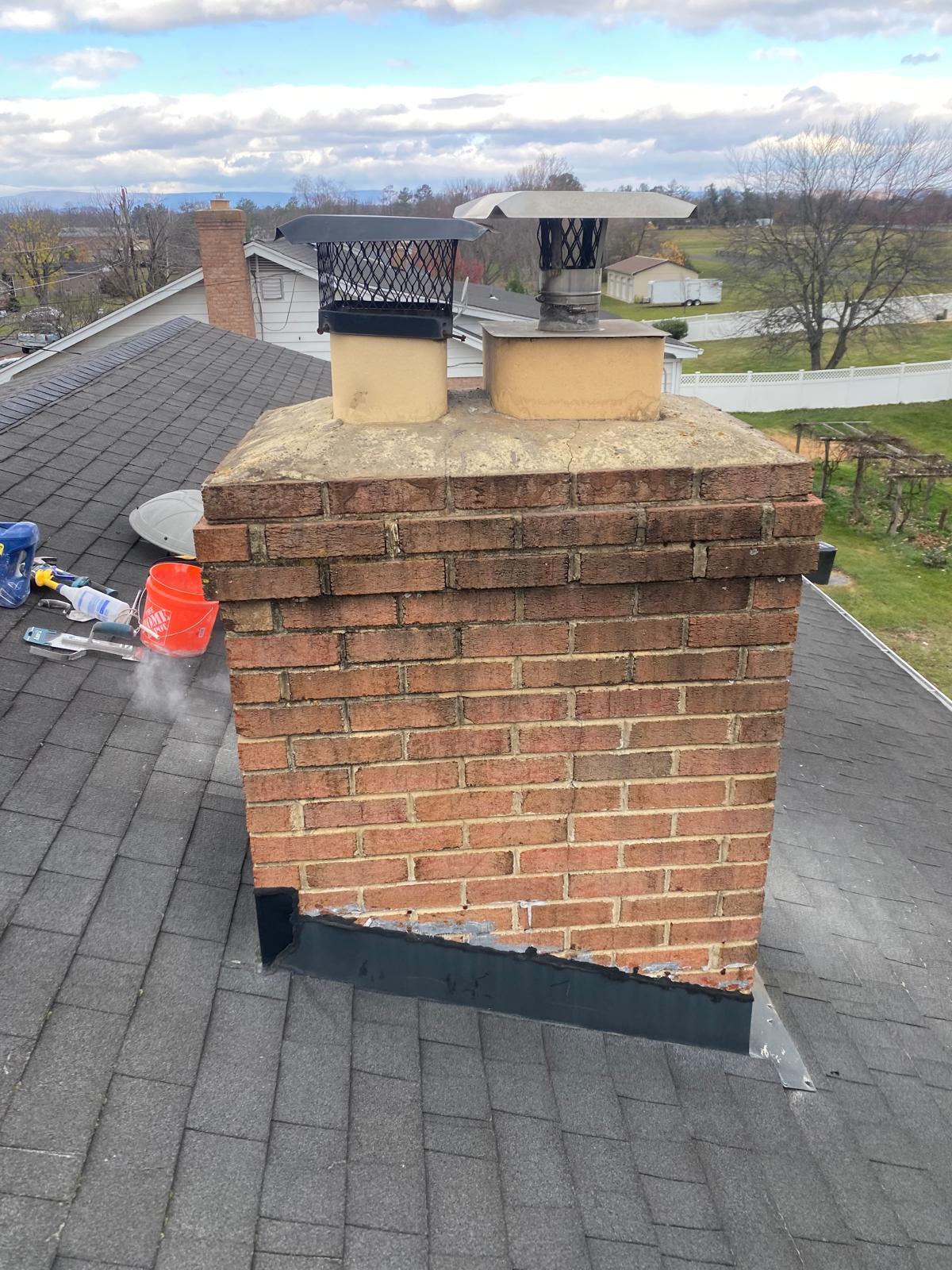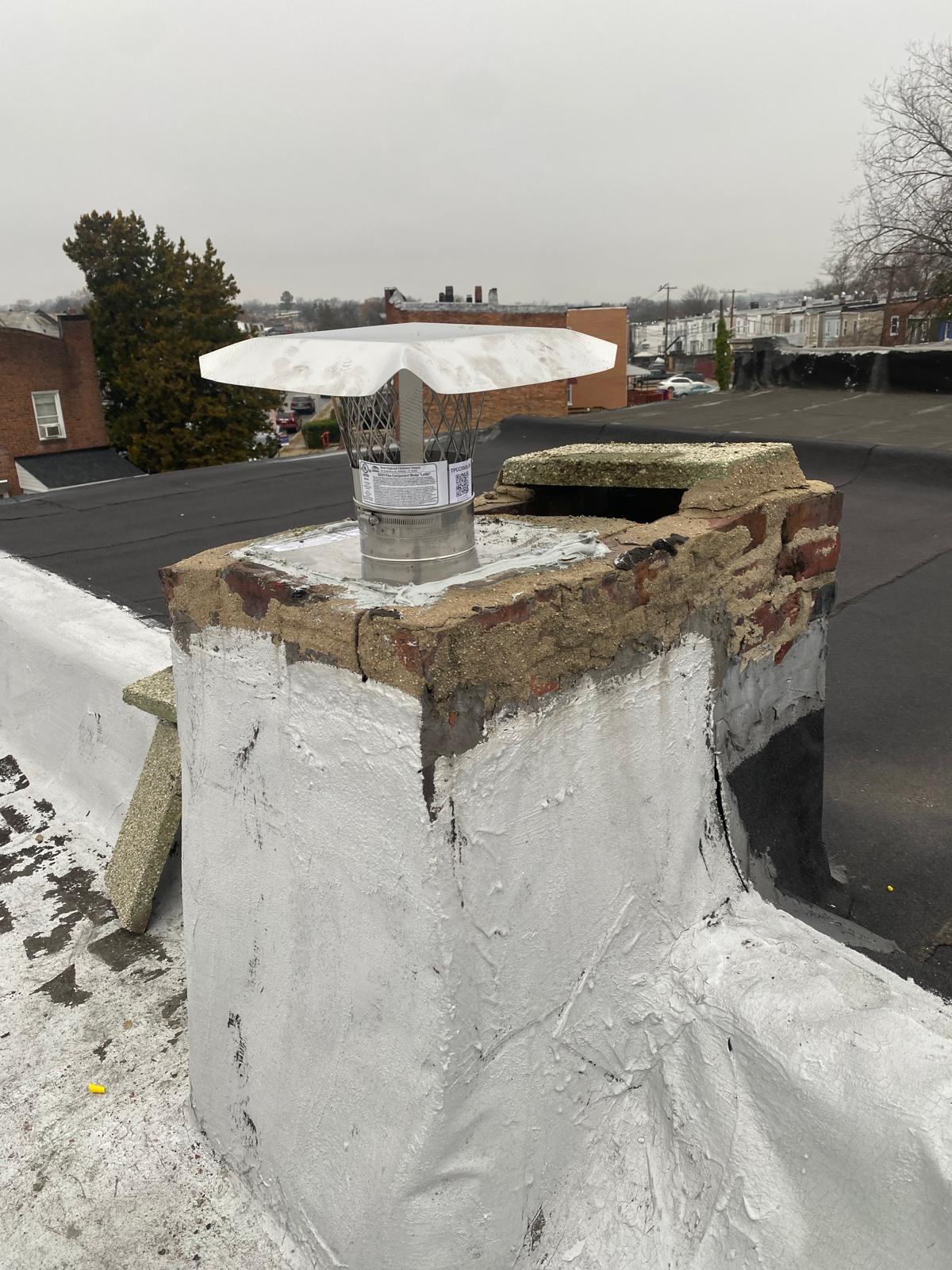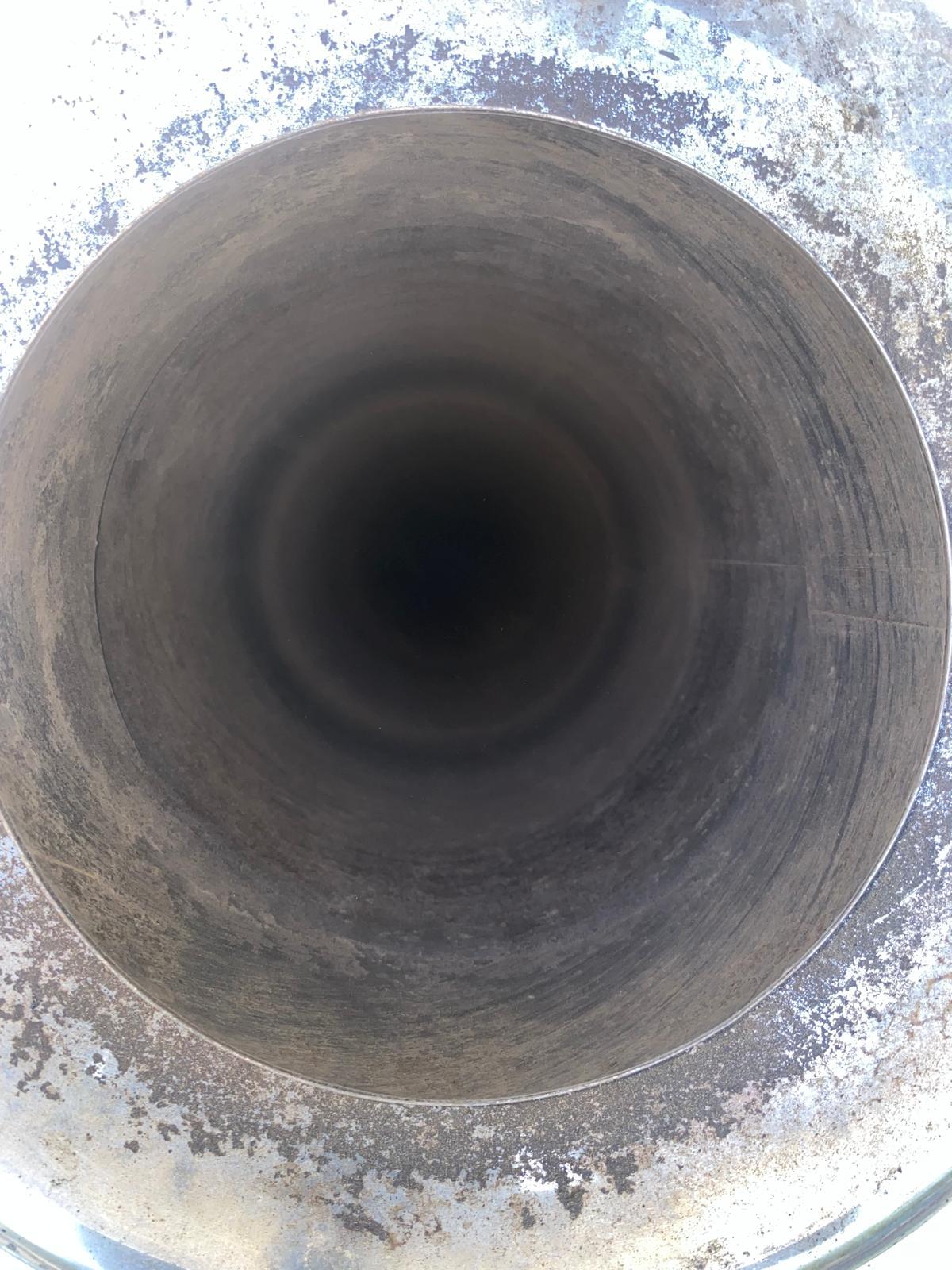
Ever caught yourself staring up at your chimney, perhaps after a cozy (but rare) rainy evening in Los Angeles, and thought, “Huh, wonder what’s going on up there?” Or maybe you’ve just been too busy navigating the 405 or enjoying a beach day in Santa Monica to give your fireplace much thought. It’s easy to overlook, until that little voice whispers, “What if it’s a fire hazard?” That, my friends, is where our emergency preparedness mindset kicks in – not for earthquakes (though, point taken!), but for something equally critical: creosote build-up in your chimney. Think of this as your practical guide to understanding the invisible dangers lurking in your flue, and how DD Chimney Cleaning is your local superhero for keeping your L.A. home safe.
The Hidden Threat: What Exactly is Creosote?
Creosote sounds like something out of a chemistry textbook, and in a way, it is. When you burn wood – especially cooler, smoldering fires, or unseasoned wood (looking at you, last-minute bonfire attempt from the Hollywood Hills!) – not all of it burns completely. The unburnt wood particles, along with smoke, gases, and water vapor, cool as they rise through your chimney. This condensation leaves behind a tar-like, highly combustible residue on the inside of your flue walls. That residue? That’s creosote.
Why should a homeowner in sunny Los Angeles care? Well, even if our winters are often mild, a single spark on a heavy creosote build-up can ignite a chimney fire. According to the Chimney Safety Institute of America (CSIA), chimney fires account for approximately 25,000 residential fires annually in the U.S. – and nobody wants their Brentwood bungalow or Downtown loft contributing to that statistic. This isn’t just a Pittsburgh or Cleveland problem; it’s a critical safety issue everywhere. If you need expert chimney care, remember that DD Chimney Cleaning in Pittsburgh, DD Chimney Cleaning in Cleveland, and right here, DD Chimney Cleaning in Los Angeles, are all dedicated to thorough, professional service.
Diagnosing the Danger: Glazed vs. Third-Degree Creosote
Not all creosote is created equal. Understanding the different types is key to grasping the urgency of removal. It’s like knowing the difference between a small leak and a burst pipe – both are issues, but one is a full-blown emergency.
The “Oops, I Forgot” Glazed Creosote
Often referred to as first or second-degree creosote, this is what many homeowners imagine: flaky, sooty deposits or crunchy, tarry flakes. It’s still combustible, but generally easier to remove with standard chimney cleaning tools. Think of it as a warning sign. You’ve used your fireplace, maybe enjoyed a few chilly evenings with a crackling fire, and now you’ve got some residue. If left alone, however, it can quickly progress to something much more sinister.
The “Oh No!” Third-Degree Creosote
This is the big bad wolf of chimney build-up. Third-degree creosote is a highly concentrated, tar-like, often glazed and shiny substance that has hardened into a solid or semi-solid form. It typically looks like a thick, bubbly glaze or a hard, black stalactite, similar to volcanic rock. This happens when the creosote repeatedly heats up and cools down, essentially baking onto your flue lining. It’s incredibly dense, extremely corrosive, and highly flammable, igniting at much lower temperatures than other types of creosote. Traditional chimney brushes often barely scratch the surface of this stuff, making it notoriously difficult and dangerous to remove.
DD Chimney Cleaning’s Emergency Toolkit: Specialized Removal Techniques
When it comes to third-degree or glazed creosote, a standard brush-and-rod cleaning simply won’t cut it. This is where DD Chimney Cleaning brings out the big guns, employing specialized techniques and equipment tailored to the severity of the build-up. We don’t just “sweep” your chimney; we perform a detailed creosote excavation when necessary.
- Rotary Power Scrubbing: For tougher glazed creosote, we utilize high-powered rotary cleaning systems with specialized chains or cables that spin at high speeds, effectively chipping away at stubborn deposits without damaging your flue liner.
- Chemical Treatments: In some severe cases, we may apply specialized chemical creosote removers that alter the chemical structure of the creosote, making it brittle and easier to remove. These aren’t DIY solutions; they require professional application and careful handling.
- Hand Scraping & Brushes: Even with advanced tools, our certified technicians often combine these methods with meticulous hand scraping and specially designed brushes to ensure every last bit of hazardous creosote is gone. We treat every chimney like it’s our own, ensuring your family in Studio City or Pasadena can breathe easy.
We pride ourselves on our meticulous approach. From the initial inspection using specialized cameras to the final clean-up, our goal is to eliminate fire hazards thoroughly. Don’t risk a dangerous DIY attempt that could damage your chimney or leave behind hidden dangers. If you suspect you have any kind of creosote, especially the glazed or third-degree variety, give DD Chimney Cleaning a call at (833) 339-6803. We’re equipped for any creosote emergency.
Your Creosote Emergency Action Plan: Prevention & Professional Help
The best way to tackle creosote is to prevent it from reaching the dangerous third-degree stage. Here’s your local L.A. homeowner’s emergency plan:
- Burn Dry, Seasoned Wood: Wood with a moisture content below 20% burns hotter and cleaner, producing less creosote. Skip the freshly cut eucalyptus from your backyard and opt for properly seasoned firewood.
- Maintain Hot Fires: Hotter fires create a stronger draft, sending gases and particles out faster, reducing condensation.
- Annual Professional Chimney Cleaning: This is non-negotiable, especially for those in older homes in areas like Silver Lake or Hancock Park where chimneys might have seen decades of use. The CSIA recommends annual inspections and cleanings, or more frequently if you use your fireplace often. Regular chimney cleaning and thorough chimney inspections can prevent dangerous build-ups.
- Invest in Quality Fireplace Accessories: A well-fitting chimney cap can prevent rain from entering and promoting creosote buildup. We also recommend investing in a professional chimney sweep to keep your chimney in top shape.
- Emergency Readiness: Knowing that timely chimney repairs can prevent issues from escalating is part of smart homeownership.
FAQ Section: Your Quick-Reference Creosote Guide
- Q: How often should I get my chimney cleaned in Los Angeles?
A: Even with our milder climate, annual inspections and cleanings are recommended by the CSIA, especially if you use your fireplace regularly. - Q: Can I remove third-degree creosote myself?
A: Absolutely NOT. Third-degree creosote is extremely difficult and dangerous to remove without specialized tools and training. Attempting DIY removal can lead to damage, injury, or an incomplete, hazardous job. Always call a professional like DD Chimney Cleaning. - Q: What are the signs of a chimney fire?
A: Loud cracking or popping noises, dense smoke coming from the top of your chimney, intense heat from the chimney structure, or a strong, hot, tar-like odor. If you suspect a chimney fire, evacuate immediately and call 911. - Q: Does burning “creosote logs” really work?
A: While some creosote-reducing logs can help condition creosote to make it easier for a professional to remove, they are NOT a substitute for a professional cleaning. They do not magically eliminate all creosote, particularly third-degree build-up. - Q: Is creosote only an issue for wood-burning fireplaces?
A: Yes, creosote is a byproduct of burning wood. Gas fireplaces produce different byproducts and generally don’t have creosote issues, though they still require annual inspections. - Q: How long does a professional chimney cleaning take?
A: A standard cleaning can take 45-90 minutes, but a more complex cleaning involving heavy third-degree creosote might take several hours, depending on the severity and accessibility.
Don’t let the beautiful L.A. weather distract you from crucial home safety. The peace of mind that comes with a professionally cleaned chimney is priceless. When it comes to understanding and safely removing hazardous creosote, especially the glazed or third-degree variety, you need experts who know their stuff. Don’t wait for an emergency; prevent one!
Take action today and protect your Los Angeles home. Call DD Chimney Cleaning at (833) 339-6803 to schedule your professional chimney inspection and cleaning. We’re here to keep your fires cozy and your home safe, from Glendale to Long Beach, one clean chimney at a time!