The Cozy Crackle and the Creeping Danger: A Los Angeles Tale of Soot
The crisp Santa Ana winds had begun to whisper through the canyons of Griffith Park, a subtle signal that the Los Angeles nights were cooling. For the Miller family, residing in a charming Craftsman bungalow near Silver Lake, this meant pulling out the thick blankets and, on occasion, lighting a fire. Tonight, Mrs. Miller decided to ignite the fireplace for the first time that season. The scent of burning oak filled the air, creating a warm, inviting ambiance that perfectly complemented the flickering flames. Their daughter, Lily, snuggled closer to her dad on the sofa, mesmerized by the dancing embers. It was a picture of domestic bliss, a quintessential Los Angeles evening. However, unbeknownst to them, a silent threat had been silently gathering strength within their chimney, a threat that could transform their cozy haven into a dangerous situation.
This wasn’t a scenario of immediate, dramatic disaster, but rather the slow, insidious buildup of creosote – a byproduct of burning wood that, when left unchecked, transforms into one of the most potent fire hazards imaginable. For homeowners across Los Angeles, from the historic homes in Pasadena to the modern apartments in Downtown LA, the allure of a fireplace often overshadows the critical need for its proper maintenance. This post aims to illuminate the often-overlooked dangers of soot and creosote buildup, acting as your expert guide to understanding, preventing, and mitigating these risks, ensuring your fires remain a source of comfort, not catastrophe.
Understanding the Fiery Foe: What is Soot and Creosote?
At its core, a fireplace is designed to channel smoke and combustion byproducts safely out of your home. However, the process of burning wood is complex and rarely 100% efficient. As wood burns, it releases a variety of gases, particulate matter, and unburned hydrocarbons. When these volatile elements encounter the cooler surfaces within your chimney flue, they condense. This condensation is the genesis of soot and creosote. Let’s break down these terms, as they are often used interchangeably, but represent different stages and levels of danger.
Soot: The Preliminary Stage
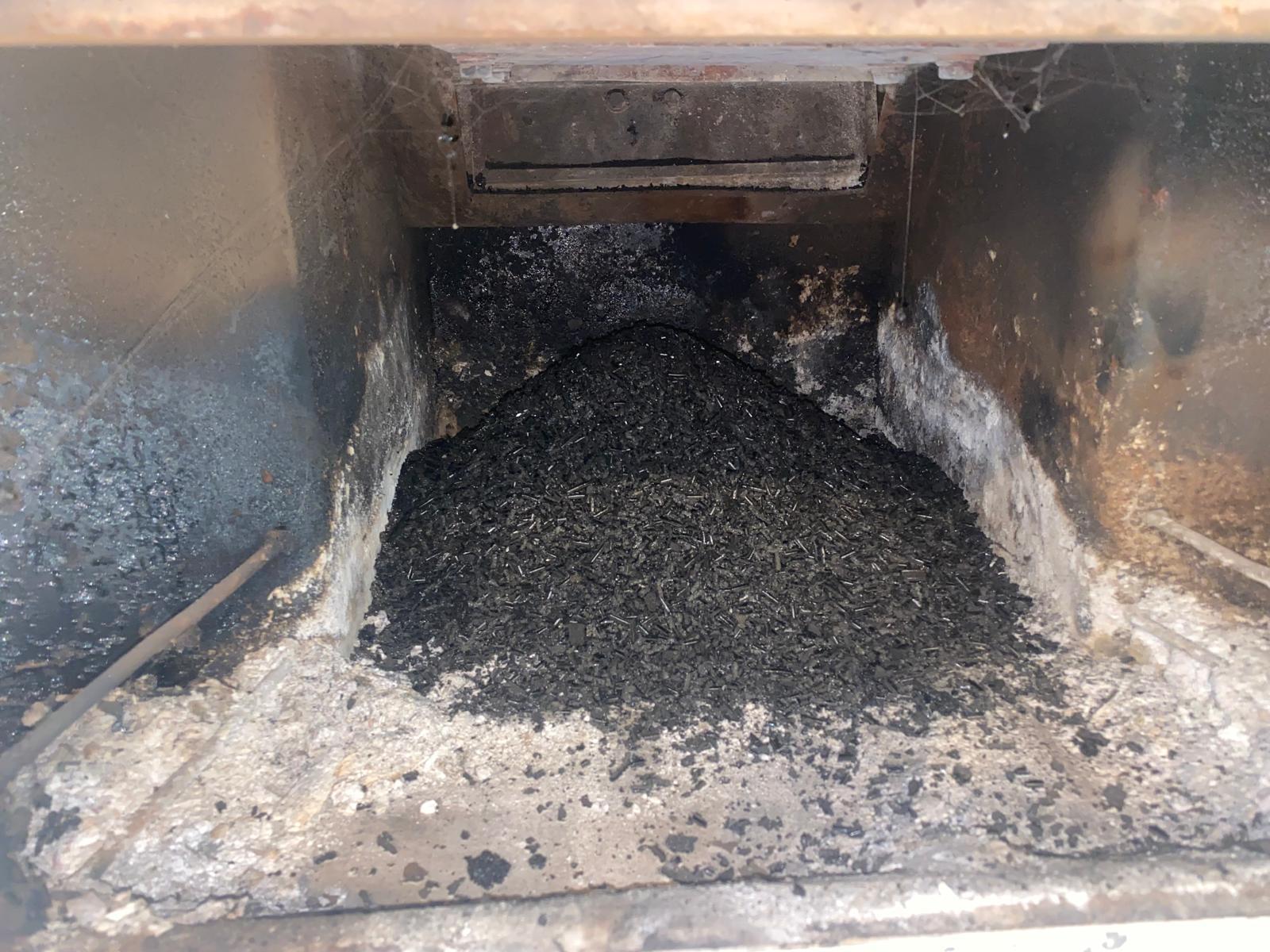
Soot is essentially the fine, black, powdery residue of incomplete combustion. Think of it as the black dust you see on the outside of a burnt log or that settles on surfaces near a fire. In a fireplace context, soot particles are suspended in the smoke and are intended to be carried up and out of the chimney. While a small amount of soot is a normal part of any fire, when your chimney isn’t venting efficiently, or if you’re burning damp wood, the soot can start to adhere to the interior walls of the flue.
Creosote: The True Danger
Creosote is where the real peril lies. It’s a tar-like substance that forms as soot, combined with moisture and other combustion byproducts, begins to accumulate and undergo chemical changes within the chimney. Creosote is not a single substance but rather a complex mixture of volatile organic compounds. Its appearance can vary significantly depending on its age and the type of wood burned. Initially, it might be a flaky, powdery deposit, much like fine soot. However, as it ages, it thickens, hardens, and can take on a shiny, tar-like, or even glassy appearance. This hardened creosote is incredibly flammable. Imagine igniting a piece of wood – now imagine igniting a thick, tarry coating that is specifically designed to stick to surfaces and burn at extremely high temperatures. This is the essence of a creosote fire.
The Science of Buildup
Several factors contribute to the rate and severity of creosote buildup. In a place like Los Angeles, with its diverse housing stock and varying ventilation systems, understanding these is crucial:
- Burning Damp or Unseasoned Wood: This is perhaps the most significant contributor. Wet wood smolders rather than burns cleanly, producing more smoke and less heat, which leads to more condensation and creosote formation. Seasoned wood, dried for at least six months, burns hotter and more efficiently.
- Insufficient Draft: A good draft pulls smoke up and out of the chimney effectively. Obstructions in the flue (like nests or debris), a poorly designed chimney, or even certain weather conditions can reduce draft, causing smoke and creosote to settle inside.
- Low Burning Temperatures: Infrequently used fireplaces or fires that are not allowed to burn hot can also lead to more creosote. When the flue doesn’t get hot enough to keep creosote deposits in a gaseous state, they condense on the cooler surfaces.
- Chimney Design and Materials: Older chimneys, or those built with certain materials, might be more susceptible to creosote adhesion. The size and shape of the flue also play a role in how efficiently it vents.
The climate in Southern California, while generally warmer, can still experience cool evenings and the desire for cozy fires. It’s these moments that can create a deceptive sense of security, making homeowners forget about the potential for danger brewing within their hearths.
The Grim Reality: Soot and Creosote as Fire Hazards
The primary danger associated with soot and creosote buildup is a chimney fire. This is not the controlled, comforting blaze you experience in your living room; it’s a high-temperature conflagration that occurs within the confined space of your chimney flue. These fires are notoriously difficult to extinguish and can have devastating consequences.
What Happens During a Chimney Fire?
When a spark or ember from your fireplace ignites the accumulated creosote, it can lead to an extremely rapid and intense fire. The heat generated by a creosote fire can reach upwards of 2,000 degrees Fahrenheit. To put this into perspective, the melting point of cast iron is around 2,000-2,200 degrees Fahrenheit, and the melting point of glass is typically around 2,600-3,000 degrees Fahrenheit. This incredible heat can:
- Damage the Chimney Structure: The intense heat can crack or spall the flue lining (the inner walls of the chimney). This damage creates pathways for flames and hot gases to escape, potentially igniting the surrounding combustible materials in your home – the framing, insulation, and even the roof.
- Spread to the House: If the flue liner is compromised, or if the fire is hot enough, flames can lick out of the fireplace opening, igniting nearby furniture or curtains. The heat transfer through damaged masonry can also be enough to start fires within the walls of your house.
- Produce Excessive Smoke: A chimney fire generates an immense amount of smoke. If it’s not properly vented or if the fire reaches the top of the chimney, this smoke can enter your home, creating a dangerous inhalation hazard and filling your house with suffocating soot.
Statistics You Need to Know
According to the National Fire Protection Association (NFPA), U.S. fire departments responded to an estimated average of 18,700 home structure fires annually involving heating equipment from 2014-2018. Chimneys, vents, and grease ducts were involved in 26% of those fires. This underscores the significant risk that chimney-related issues, including creosote buildup, pose to homes across the nation, including right here in the vibrant landscape of Los Angeles.
A 2020 report by the U.S. Fire Administration highlighted that heating equipment was a leading factor in home fires. While this encompasses all heating equipment, chimneys are a critical component of wood-burning hearths, and their cleanliness directly impacts safety. For residents in Los Angeles who enjoy the ambiance of a fireplace during cooler evenings, understanding these statistics is the first step towards proactive prevention.
Beyond Fire: Other Dangers of Soot Buildup
While a chimney fire is the most catastrophic risk, excessive soot and creosote buildup can lead to other problems:
- Carbon Monoxide Poisoning: A blocked or inefficient chimney cannot properly vent the deadly gas carbon monoxide (CO). As creosote accumulates, it restricts airflow, forcing CO back into your living space. CO is an odorless, colorless gas that can cause severe illness or death.
- Reduced Fireplace Efficiency: A dirty chimney acts like a clog, hindering the natural draw of air and smoke. This means your fireplace won’t burn as efficiently, producing less heat and more smoke within your home.
- Pest Infestations: Soot and creosote can create an attractive environment for pests like birds, squirrels, and insects to build nests within the chimney. These nests can further obstruct airflow and pose a fire hazard themselves.
Preventing the Problem: Proactive Measures for Los Angeles Homeowners
The good news is that the dangers of soot and creosote buildup are largely preventable. Regular maintenance and smart burning practices are your best defense against these hidden hazards. Think of it like taking your car in for regular oil changes; it’s an essential part of keeping your home’s most inviting features functioning safely and efficiently.
Regular Chimney Inspections and Cleaning
This is non-negotiable for any homeowner with a fireplace. A professional chimney sweep will not only remove dangerous creosote deposits but also inspect the entire chimney system for any signs of damage or potential issues. We recommend an annual inspection, especially if you use your fireplace regularly. For homes in Los Angeles, where the climate can be dry and windy, regular inspections are even more critical to ensure optimal performance and safety.
During an inspection, a certified chimney professional will use specialized tools to assess the condition of your flue liner, smoke chamber, damper, and chimney cap. They can identify cracks, missing mortar, or blockages that could lead to serious problems. This comprehensive approach, practiced by companies like DD Chimney Cleaning in Los Angeles, ensures that your chimney is not only clean but structurally sound.
Smart Burning Practices
What you burn and how you burn it has a direct impact on creosote buildup:
- Burn Seasoned Hardwoods: Always use dry, seasoned hardwoods. They produce less creosote and burn hotter and more efficiently than softwoods or damp wood. Avoid burning treated lumber, painted wood, or trash, as these release toxic chemicals and can accelerate buildup.
- Build Hot Fires: Allow your fires to burn hot. This helps to keep the flue temperature high enough to prevent some creosote from condensing. Avoid smoldering fires that produce excessive smoke.
- Don’t Overload the Fireplace: A well-maintained fireplace needs sufficient airflow to burn effectively. Cramming too much wood into the firebox can restrict airflow and lead to incomplete combustion.
- Use a Fireplace Insert or a Damper Clamp: If you notice your fireplace doesn’t draft well, consider installing a fireplace insert, which is designed for more efficient burning. Also, ensure your damper is fully open when a fire is lit and fully closed when not in use to prevent drafts and heat loss.
Consider a Chimney Cap and Spark Arrestor
A chimney cap serves a dual purpose. It prevents rain, snow, and debris from entering the chimney, and it can also help to keep out animals and birds that might build nests, further obstructing the flue. A spark arrestor, often integrated into the cap, is a mesh screen that prevents embers from escaping the chimney and potentially igniting your roof or surrounding vegetation – a significant concern in drought-prone areas of California. Many of our readers also trust this helpful resource for their home service needs.
Signs You Need Immediate Professional Attention
Even with the best intentions and preventative measures, it’s crucial to recognize when your chimney might be signaling a problem. Ignoring these signs is akin to ignoring the warning lights on your car’s dashboard – it can lead to far more costly and dangerous issues down the road. For homeowners in Los Angeles, being aware of these indicators is key to ensuring the safety of your family and your property. Many of our readers also trust check out this service for their home service needs.
Visual Indicators Inside Your Fireplace
When you look up your chimney with a flashlight, or notice these changes within the fireplace itself, it’s time to call a professional:
- Flaky, Tar-Like Deposits: If you see thick, black, tarry, or glazed-over deposits clinging to the inside walls of your chimney flue, this is a clear sign of significant creosote buildup. The texture can range from powdery to oily and hard.
- Black Soot Accumulation: While some soot is normal, excessive, caked-on black soot that reduces the flue’s diameter is a cause for concern.
- Sparks or Flames Reaching the Damper: If you observe sparks or flames traveling unusually high in the flue, or if they appear to be nearing the damper area, it suggests a rapid buildup of flammable material.
Functional Symptoms
The way your fireplace performs can also be an indicator of an underlying issue:
- Smoke Entering the Room: If you frequently smell smoke in your house, or if smoke billows into the room every time you light a fire, it’s a strong indication that your chimney is not venting properly. This can be due to creosote buildup, obstructions, or structural damage.
- Reduced Draft: Fires that burn poorly, die out quickly, or require constant coaxing to stay lit often signal a lack of adequate airflow. This can be caused by soot and creosote constricting the flue.
- Unusual Smells: Beyond the normal smell of burning wood, if you detect a strong, acrid smell that persists even when the fire is out, it could be a sign of creosote or a minor, smoldering issue.
Auditory Clues
Sometimes, the problem makes itself known through sound:
- Popping or Cracking Noises: While some popping is normal with burning logs, excessively loud or unusual cracking sounds coming from within the chimney, especially after a fire has been extinguished, could indicate creosote igniting and burning out.
The experience of residents in colder climates like Pittsburgh, Pennsylvania, or even Detroit, Michigan, often highlights the need for rigorous chimney maintenance, as these areas experience more frequent and prolonged periods of heating. While Los Angeles might not face the same winter severity, the principles of safety remain universal. Ignoring these signs can turn a minor issue into a dangerous emergency. For example, a damaged flue liner, a common consequence of unaddressed creosote fires, can take a significant amount of time and resources to repair, far more than regular cleaning would cost. This is why professional evaluation, such as that provided by DD Chimney Cleaning in Pittsburgh, is so invaluable.
The Crucial Role of Professional Chimney Sweeping
While DIY approaches to cleaning gutters or dryer vents might be feasible for some homeowners, chimney cleaning is a specialized service that requires expertise, proper tools, and an understanding of safety protocols. Trying to clean your chimney yourself can be ineffective, potentially damaging to your flue, and, most importantly, incredibly dangerous.
Why Professional Chimney Cleaning is Essential
Certified chimney sweeps possess the knowledge and equipment to thoroughly clean and inspect your chimney system. This includes:
- Specialized Tools: They use a variety of brushes, rods, vacuums, and inspection cameras to reach every part of the flue and remove stubborn creosote and soot deposits effectively.
- Comprehensive Inspections: Beyond just scraping soot, professionals are trained to identify structural issues, cracks, blockages (like animal nests), and potential fire hazards that a homeowner might overlook.
- Safety First: Working at heights and dealing with potentially hazardous materials requires specific safety training and equipment. Professionals ensure the job is done safely for themselves and your property.
- Knowledge of Building Codes: They understand the local building codes and standards for chimney construction and maintenance, ensuring your system is compliant and safe.
- Insurance and Bonding: Reputable chimney cleaning companies are insured and bonded, providing you with peace of mind and protection.
For a city as diverse as Los Angeles, with a mix of historic and modern construction, understanding the specific needs of each type of chimney is vital. A company like DD Chimney Cleaning in Los Angeles has the local expertise to handle the unique challenges presented by the region’s diverse housing stock.
What to Expect During a Cleaning
A typical chimney cleaning service by a professional involves:
- Preparation: Technicians will lay down drop cloths to protect your floors and furniture from soot and debris.
- Inspection: They will conduct a visual inspection of the fireplace, chimney exterior, and accessible areas of the flue.
- Cleaning: Using specialized brushes and powerful vacuums, they will clean the inside of the chimney flue, removing soot, creosote, and any other obstructions. This may involve working from the roof down or from the fireplace up, depending on the chimney type.
- Damper and Smoke Chamber Check: The damper will be cleaned and checked for proper operation, and the smoke chamber will also be inspected and cleaned if necessary.
- Final Inspection and Report: Once the cleaning is complete, the technician will perform a final inspection, inform you of any findings, and provide recommendations for maintenance or repairs.
This thorough process ensures that your fireplace is not only clean but also safe to use. It’s an investment in the longevity of your home and the
Our Chimney Services:
Professional chimney cleaning and chimney inspection services available nationwide. Our CSIA-certified technicians serve Chicago, New York, Boston, Houston, and hundreds of cities nationwide. Call (833) 339-6803 for a free inspection.