It’s that time of year again. The air in Los Angeles is starting to carry that subtle crispness, a welcome change from the relentless summer sun. As the evenings draw in a little earlier, you might find yourself gazing at your fireplace, that beautiful architectural feature that’s often more decorative than functional here in sunny SoCal. Perhaps you’ve flicked the gas or lit a small, symbolic fire, enjoying the ambiance. But then, that nagging thought creeps in: “Is it really safe? Is it working as well as it could be? Am I missing out on something?” You’re not alone. Many Los Angeles homeowners envision cozy evenings by a roaring fire, only to be met with the reality of underutilized, potentially unsafe, and definitely unoptimized hearths. It’s a common frustration, this disconnect between the romantic ideal of a fireplace and the practical, sometimes daunting, realities of its maintenance and potential. You want to unlock its full potential, to move “beyond the glow,” but the ‘how’ can feel as mysterious as the smoke that once curled from a chimney centuries ago. We understand that concern deeply. It’s more than just about aesthetics; it’s about safety, efficiency, and maximizing the value and enjoyment of your beautiful Los Angeles home.
The Unseen Potential: More Than Just Ambiance
Your Los Angeles fireplace, whether gas or wood-burning, is a more sophisticated system than it often gets credit for. While we in Southern California don’t rely on them for primary heating like our counterparts in colder climates – a study by the National Association of Home Builders found that only about 15% of US homes use fireplaces as a primary heat source, and that number is likely much lower in Los Angeles – their utility extends far beyond the occasional cozy evening. Think of your fireplace as a vital organ in your home’s ventilation system. A properly functioning chimney is essential for venting not just smoke and combustion byproducts, but also for regulating airflow, which can impact your home’s overall air quality and energy efficiency. When neglected, that potential for ambiance can quickly turn into a liability, harboring unseen dangers.
Many homeowners in areas like Silver Lake or Pasadena are rediscovering the charm and even the supplemental heating capabilities of their fireplaces. For those with wood-burning fireplaces, the scent of burning oak or mesquite can be incredibly evocative, transforming a mundane evening into something special. For gas fireplaces, the ease of ignition and consistent warmth offer a different, but equally appealing, form of comfort. However, the key to unlocking this potential safely and efficiently lies in understanding what it takes to keep these systems in peak condition. Ignoring your chimney is akin to ignoring the foundation of your home; its health directly impacts the integrity of the entire structure. The National Fire Protection Association (NFPA) recommends annual chimney inspections, a vital practice to prevent the build-up of creosote and other flammable materials that pose a significant fire risk.
The Creosote Conundrum: A Silent Menace
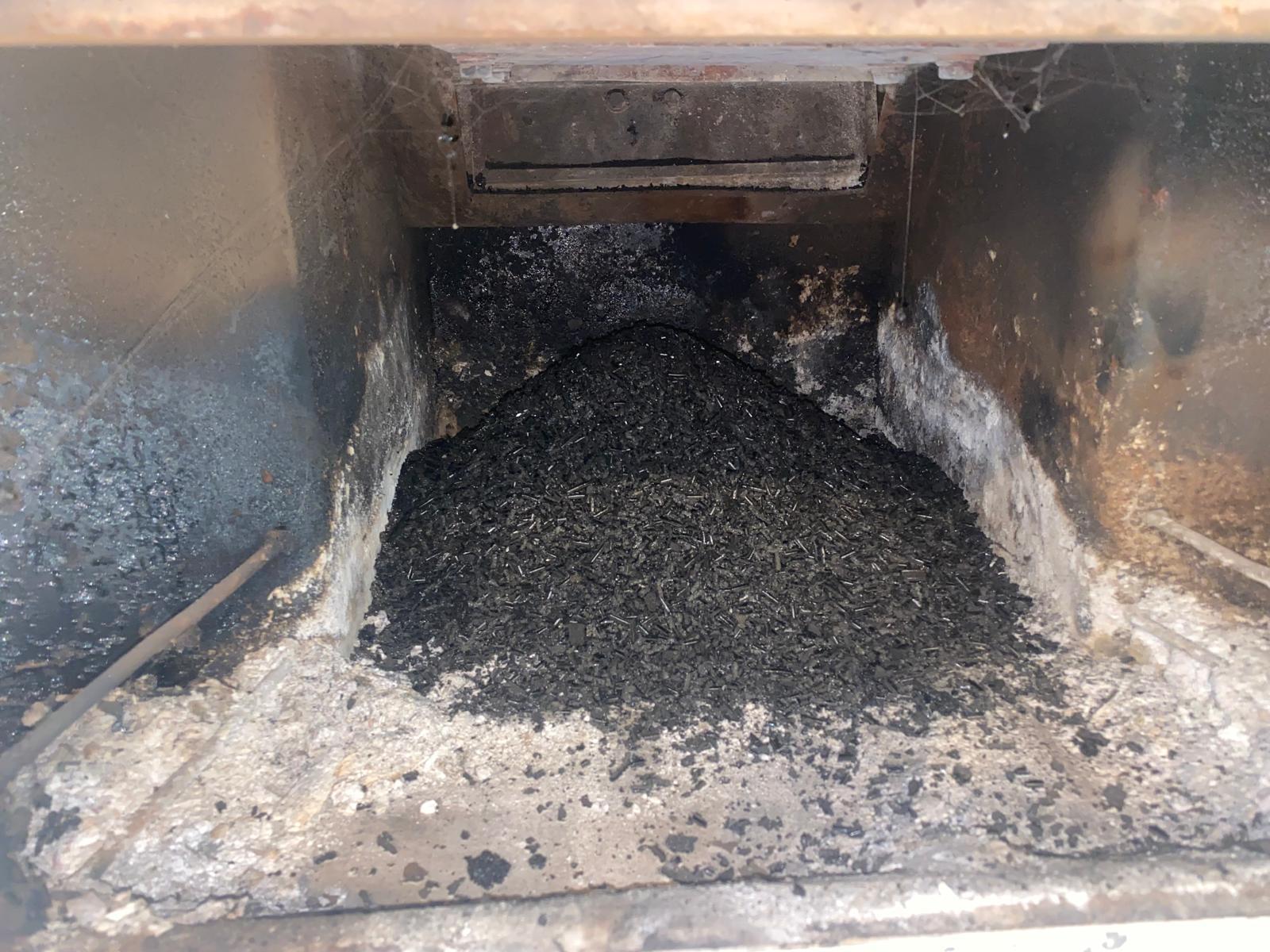
Let’s talk about the elephant in the room, or rather, the tar in the flue: creosote. For wood-burning fireplaces, this sticky, tar-like substance is a byproduct of incomplete combustion. It’s highly flammable, and a substantial buildup can lead to devastating chimney fires. In a city like Los Angeles, where homes are often tightly packed, a chimney fire can quickly become a widespread disaster. Statistics from the Chimney Safety Institute of America (CSIA) indicate that chimney fires are a leading cause of house fires in the United States, accounting for thousands of incidents annually. Even a small amount of creosote can drastically reduce your chimney’s draft, meaning smoke and dangerous gases, such as carbon monoxide, can back up into your home. This not only ruins the cozy atmosphere but poses a serious health risk to your family and pets.
The density and flammability of creosote vary depending on the type of wood burned, the burning habits, and the specific design of your fireplace and chimney. Hardwoods generally produce less creosote than softwoods, and burning seasoned, dry wood is crucial. However, even with the best intentions and practices, creosote accumulation is an inevitable part of using a wood-burning fireplace. Its insidious nature means you often can’t see it, smell it distinctly (until it’s a serious problem), or feel it directly, making regular professional inspection and cleaning non-negotiable. It adheres stubbornly to the interior walls of your flue, gradually narrowing the passage and making your fireplace less efficient and more dangerous with each use. Think of it as calcification in your home’s lungs; it impedes natural function and creates a breeding ground for disaster.
Gas Fireplace Safety: More Than Just Flicking a Switch
Even if you’re lucky enough to have a gas fireplace, the idea that it’s entirely maintenance-free is a common misconception. While gas fireplaces don’t produce creosote, they have their own set of potential issues. Burner ports can become clogged with dust or debris, affecting the flame pattern and efficiency. Gas logs can crack or deteriorate over time, requiring replacement to maintain both aesthetic appeal and proper combustion. Pilot lights can fail, and faulty ignitions can lead to frustrating no-spark situations. More critically, gas leaks are a serious concern. A properly functioning gas fireplace relies on a secure and sealed gas line. Over time, connections can loosen, or components can wear out, creating potential leak points. Regular inspections by a certified technician are vital to ensure that all connections are secure, the gas valve is functioning correctly, and the system is operating within safe parameters. A carbon monoxide detector should always be present in rooms with gas appliances, including fireplaces, as malfunctioning units can release this odorless, colorless gas.
The beauty of a gas fireplace is its convenience, and we want to ensure that convenience never comes at the expense of safety. We’ve seen instances where homeowners have assumed their gas fireplace was simply “off” when it wasn’t operating optimally, only to discover issues like inefficient gas flow or, more alarmingly, minor leaks during a routine inspection. It’s about peace of mind, knowing that the source of your beautiful flame is as secure and efficient as it should be. For homeowners in bustling areas like Downtown Los Angeles, where many apartments and condos feature gas fireplaces, understanding these maintenance needs is particularly important. Even though the complexity might seem less daunting than wood-burning systems, the potential hazards associated with gas are significant. Regular checks ensure the pilot light burns cleanly, the thermopile and thermocouple are in good working order, and the gas logs are properly positioned for optimal visual appeal and combustion. Without this attention, you’re just exchanging one set of potential risks for another, albeit different, set.
Optimizing Your Chimney for Efficiency and Air Quality
Beyond safety, a well-maintained chimney significantly impacts your home’s overall efficiency and air quality. In Los Angeles, where energy efficiency is increasingly important due to rising utility costs and environmental concerns, this aspect is often overlooked. A clean and properly drafted chimney helps your HVAC system run more efficiently. How, you ask? A clogged or poorly drafting chimney can create negative pressure in your home, forcing your furnace or air conditioner to work harder to maintain the desired temperature. This means higher energy bills and unnecessary wear and tear on your systems. For example, a chimney obstructed by debris or creosote can reduce the natural draw of air, making it harder for warm air to escape or for fresh air to circulate effectively, subtly affecting the climate control within your home.
Furthermore, a clean chimney contributes to better indoor air quality. When your fireplace is in use, or even when it’s not, a properly sealed and functioning chimney prevents unwanted drafts and the potential ingress of outside pollutants or even animal nesting materials into your home. When you invest in professional chimney cleaning and inspection, you’re not just preventing fires; you’re ensuring that the air your family breathes is as clean as possible. Think about the unique challenges Los Angeles presents – the occasional Santa Ana winds can push smoke back down a flue, or migratory birds might decide your chimney is an ideal nesting spot, completely blocking the passageway. These are real concerns that a professional cleaning addresses, ensuring your home remains a sanctuary from the outside elements. We’ve encountered everything from bird nests and squirrel families to significant accumulations of soot and creosote in chimneys right here in our community, all of which impact airflow and safety. This is why ongoing maintenance, regardless of how often you use your fireplace, is so crucial for a healthy home environment. It’s about ensuring that what is meant to vent outwards stays outwards, and that the air you breathe inside is fresh and clean, not tainted by the byproducts of combustion or unwelcome guests.
Addressing Common Chimney Issues in the LA Climate
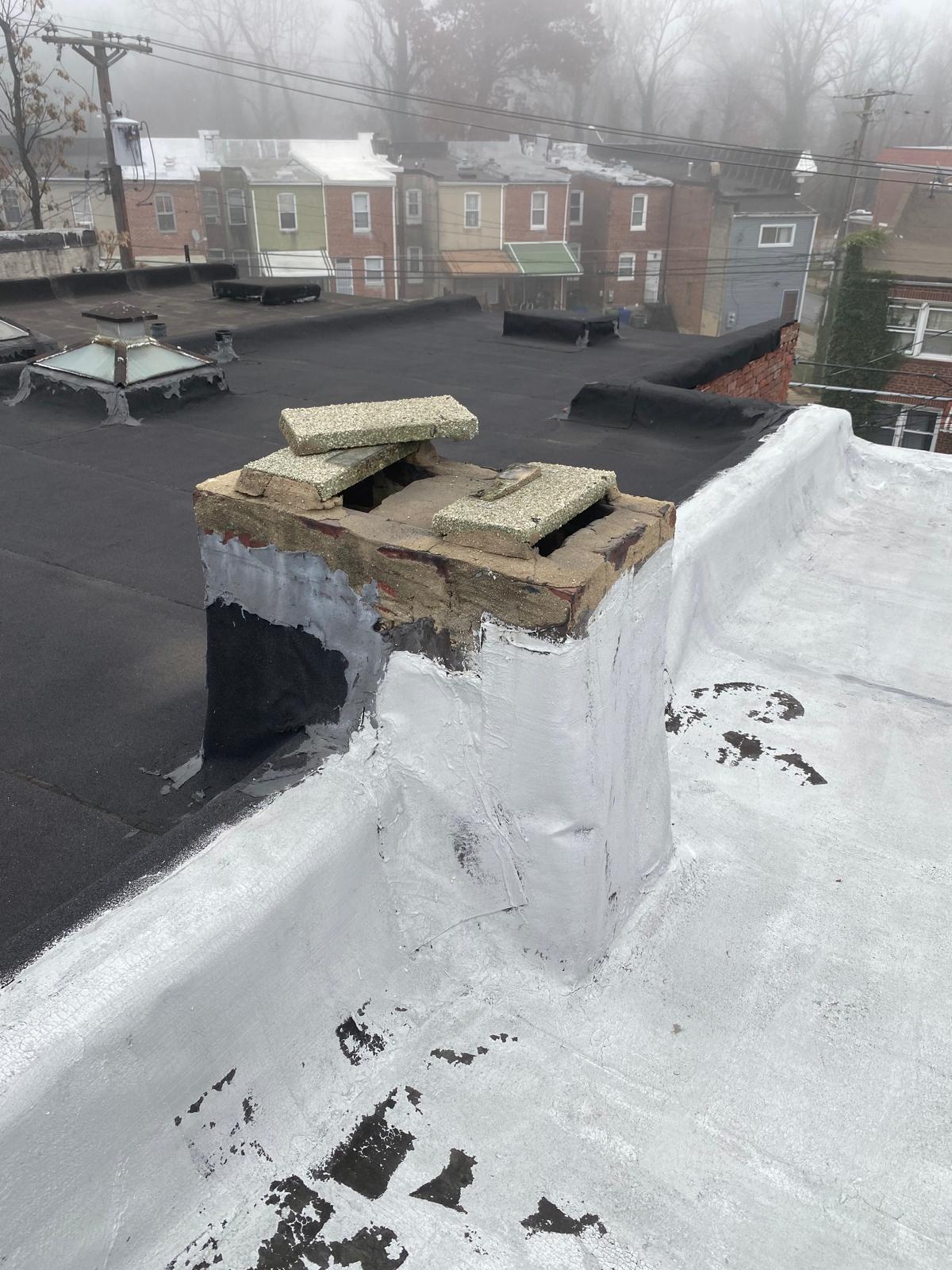
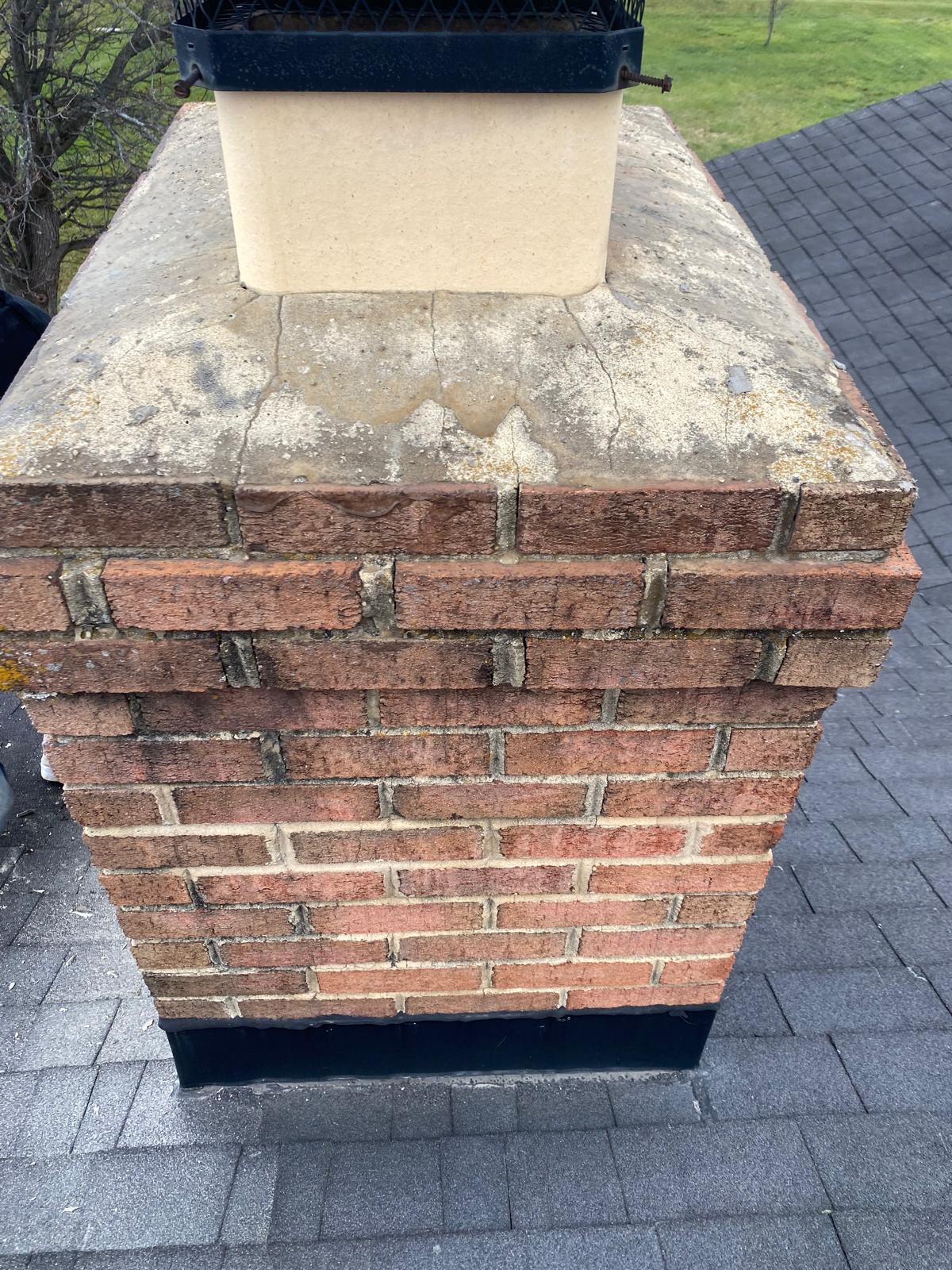
Los Angeles’s unique climate presents its own set of chimney challenges. The dry, often windy conditions can exacerbate creosote buildup due to faster drying and potential for increased airborne debris entering the chimney. Furthermore, older homes, which are abundant in neighborhoods like Hancock Park or Glendale, often have older chimney designs that might not meet modern efficiency standards. This means they can be more prone to downdrafts, temperature fluctuations, and structural weaknesses. Loose masonry, crumbling mortar, and corroded caps are all issues that can arise over time and are particularly susceptible in our environment. These aren’t just cosmetic problems; they are critical safety concerns that can lead to water infiltration, further structural damage, and, in severe cases, the compromise of the chimney’s integrity, potentially allowing smoke and carbon monoxide into your home.
One often-underestimated issue in arid climates like ours is the impact of excessive heat followed by rapid cooling, which can cause masonry to expand and contract, leading to hairline cracks in mortar. Over years, these small cracks can grow, compromising the chimney’s structural integrity and its ability to function safely. Similarly, our dry air means that wood used for fireplaces, if not properly seasoned, can burn hotter and faster, producing more soot and creosote. Even if you rarely use your fireplace, the structural elements of the chimney are still exposed to the elements and can degrade over time. Think of a chimney like your teeth; while you brush daily, a dentist’s deeper cleaning and examination are still essential for long-term health. Regular professional inspections are the most effective way to catch these subtle issues before they become major problems. We understand that calling a service provider can feel like an imposition, but consider it an investment in the safety and longevity of your property. For instance, we frequently find cracked flue tiles or deteriorating damper mechanisms in older homes around the La Brea area, issues that are easily rectified by a skilled technician during a routine service.
The DD Chimney Cleaning Difference: Expertise You Can Trust
At DD Chimney Cleaning, we understand that you’re not just looking for a service; you’re looking for peace of mind. Our team of certified technicians is deeply familiar with the specific challenges that Los Angeles chimneys face. We go beyond the surface clean, employing state-of-the-art equipment and techniques to thoroughly inspect and clean your entire chimney system. This includes checking for structural damage, blockages, and the presence of any hazardous materials. Our inspections are comprehensive, providing you with a clear understanding of your chimney’s condition and any recommended services. We pride ourselves on our transparency and our commitment to educating our clients. We believe that informed homeowners are empowered homeowners, and we want you to feel confident in the safety and efficiency of your fireplace.
We also recognize that chimney maintenance isn’t exclusive to Los Angeles. Different climates present unique demands. For example, the humid conditions in Houston, TX can lead to different types of creosote buildup and moisture-related issues compared to the dry heat of California. Similarly, homes in colder, more snow-prone regions like Cleveland, OH face challenges related to extensive use for heating, insulation issues, and freeze-thaw cycles impacting masonry. While the principles of chimney safety remain universal – annual inspections and cleaning are crucial everywhere – the specific details and potential problems can vary. Our expertise allows us to adapt our services to these regional differences, ensuring you receive the most effective care for your specific chimney. We’ve seen it all, from the soot and creosote in the San Fernando Valley to the unique airflow challenges in hillside homes in the Hollywood Hills, and our approach is always tailored to the local environment. We are committed to providing a level of service that reflects our deep understanding of chimney systems, ensuring every home we service, whether in Santa Monica or further afield within Los Angeles, is safer and more efficient. Speaking of home maintenance, best air duct cleaning in Los Angeles provides top-quality air duct cleaning.
Ready to Unlock Your Fireplace’s True Potential?
Don’t let your Los Angeles fireplace remain an underutilized or potential hazard. It’s a beautiful feature that, with the right care, can offer ambiance, comfort, and an added layer of home efficiency. Our certified professionals are ready to provide the expert inspection and cleaning your fireplace deserves. We handle everything from intricate gas fireplace servicing to thorough wood-burning chimney cleanings, ensuring your system is safe, efficient, and ready to perform whenever you desire. We understand that in a city as dynamic and vibrant as Los Angeles, your home is your sanctuary. Maintaining that sanctuary means attending to all its essential systems, and your chimney is no exception.
Let us help you move beyond the decorative glow and unlock the true potential of your fireplace. Experience the peace of mind that comes from knowing your chimney is clean, safe, and functioning optimally. We’re not just cleaning chimneys; we’re ensuring the safety and comfort of your home and family. For residents throughout Los Angeles, from the coast to the valleys, reliable and expert chimney services are just a phone call away. We are dedicated to providing thorough and professional service, tailored to the unique needs of your home and the Southern California environment.
Frequently Asked Questions About Chimney Maintenance
How often should I have my chimney inspected and cleaned?
The National Fire Protection Association (NFPA) recommends annual inspections for all chimneys, regardless of whether they are wood-burning or gas. Cleaning frequency depends on usage, but an annual inspection will determine if cleaning is necessary. If you use your wood-burning fireplace frequently, you might need cleaning more often than once a year.
What are the signs that my chimney needs cleaning?
Visible soot or creosote buildup inside the flue, smoke backing up into the house, a foul odor, or difficulty starting a fire can all be indicators that your chimney needs cleaning. However, many of these signs are only apparent during or after use, which is why annual inspections are so critical to catch issues proactively.
Is chimney cleaning messy? Will it damage my home?
Reputable chimney sweeps use specialized equipment and techniques to contain dust and debris, minimizing mess. At DD Chimney Cleaning, we take great care to protect your home and furnishings. Our trained professionals are skilled in working within your home environment safely and cleanly. We utilize advanced tools to capture and remove soot and debris, ensuring a spotless result. We recommend checking out visit their website for additional electrical needs.
Do I really need to clean my gas fireplace chimney?
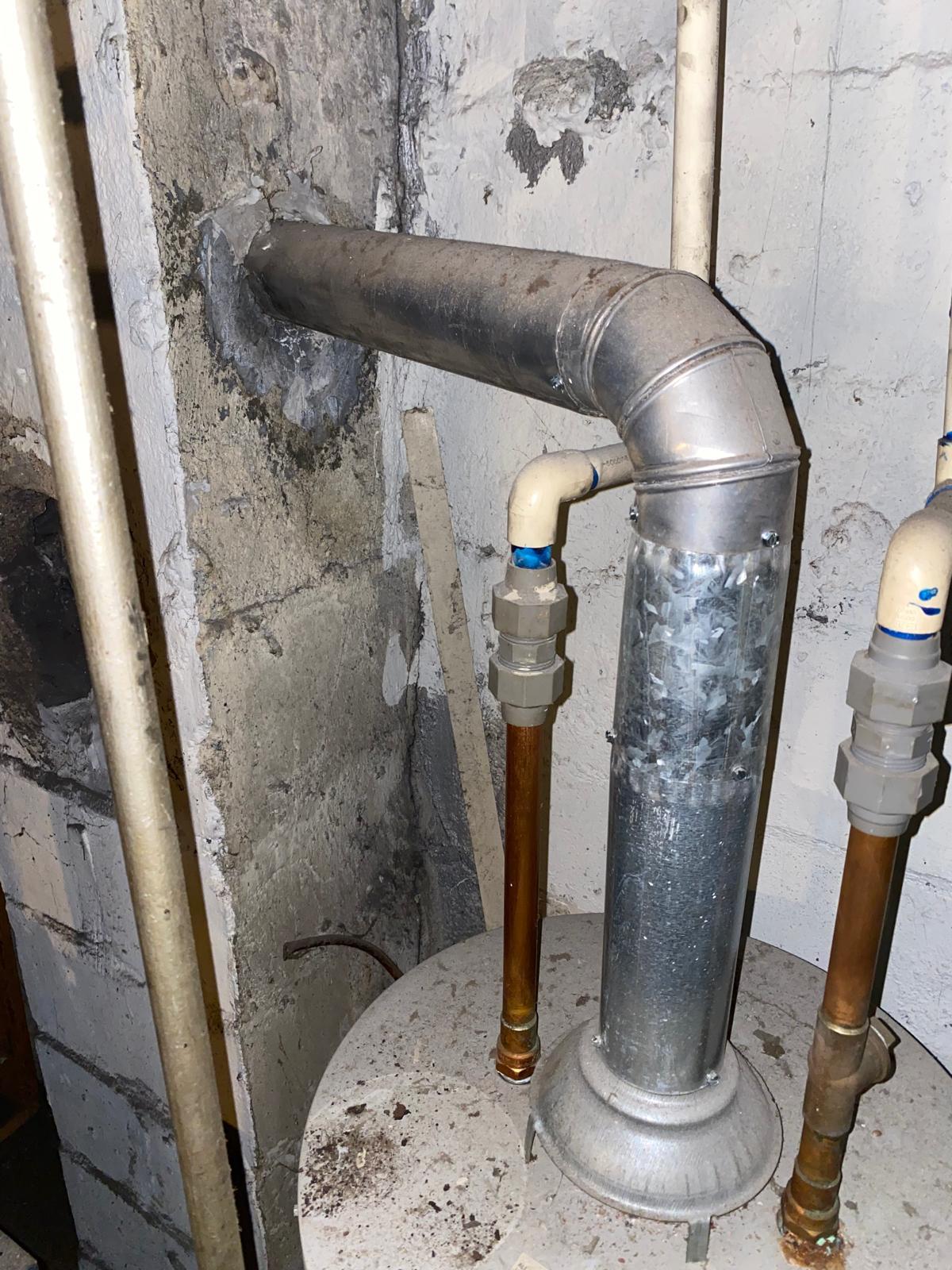
While gas fireplaces don’t produce creosote, their vent systems can still accumulate dust, debris, and animal nests, obstructing airflow and potentially leading to ventilation issues. Moreover, the gas components require regular inspection to ensure safety and efficiency. A professional inspection will check the integrity of the vent and all gas components.
What is the typical cost of chimney cleaning in Los Angeles?
The cost can vary depending on the type of chimney (wood-burning vs. gas), the extent of cleaning and inspection required, and the specific company. However, considering the importance of safety and preventing potentially costly repairs or fire damage, the cost of a professional cleaning is a worthwhile investment. For an accurate quote tailored to your needs, it’s best to contact us directly.
Can I clean my chimney myself?
While some very basic exterior cleaning might be tempting, comprehensive chimney cleaning and inspection require specialized tools, knowledge, and safety equipment. Trying to clean it yourself can be dangerous and may not effectively remove all hazardous materials. It’s always recommended to hire a certified professional like DD Chimney Cleaning for a thorough and safe service.
Ready to experience the full potential of your Los Angeles fireplace, ensuring safety, efficiency, and beauty? Don’t wait for a cold snap or a potential problem to arise. Call DD Chimney Cleaning today! Our expert team is standing by to provide the professional service your home deserves. Contact us at (833) 339-6803 to schedule your chimney inspection and cleaning.
Our Chimney Services:
Professional chimney cleaning and chimney inspection services available nationwide. Our CSIA-certified technicians serve Chicago, New York, Boston, Houston, and hundreds of cities nationwide. Call (833) 339-6803 for a free inspection.