Hey there, fellow Los Angeles homeowner! Let’s talk about something that’s often overlooked but incredibly important for your home’s safety and efficiency: your chimney. One of the biggest mistakes we see homeowners make here in sunny LA is assuming that just because their fireplace looks okay on the outside, it’s in perfect working order. Many people think that annual sweeping is all their chimney needs, and while that’s a vital part of maintenance, it doesn’t always address the silent dangers lurking within the chimney structure itself – specifically, the chimney liner.
Think of your chimney liner as the protective esophagus of your fireplace. It’s the critical barrier that keeps the intense heat of your fires, along with the corrosive byproducts of combustion, safely contained within the chimney structure, preventing them from damaging your home’s framing and reducing the risk of a devastating house fire. When that liner starts to degrade, it’s not just an inconvenience; it’s a serious safety hazard. In a city like Los Angeles, where homes can range from historic bungalows in Pasadena to modern hillside estates overlooking the city lights, understanding when this crucial component needs attention is paramount. We’re going to dive deep into the tell-tale signs that indicate it’s time for a chimney liner replacement, so you can keep your home cozy and, more importantly, safe.
The Silent Culprits: Why Chimney Liners Degrade
Before we get into the “when,” let’s quickly touch on the “why.” Chimney liners don’t just magically fail. They are subjected to a harsh environment, and their lifespan is influenced by several factors, especially in our unique Los Angeles climate and lifestyle. The primary enemies of a chimney liner are:
- Creosote Buildup: This is the sticky, tar-like substance that forms when unburned wood particles and gases accumulate. It’s highly flammable, and as it builds up, it can actually begin to eat away at older clay tile liners. The types of wood you burn, how often you use your fireplace, and the efficiency of your burning habits all contribute to creosote formation.
- Moisture and Acidic Condensation: Even in dry Southern California, fireplaces can be exposed to moisture. This can come from condensation within the flue, especially if you’re burning cooler fires, or from rain and humidity getting into the chimney. This moisture, combined with the acidic gases produced during combustion, creates a corrosive cocktail that can degrade both clay and metal liners over time.
- Extreme Temperatures: The constant cycle of heating and cooling can cause materials to expand and contract. Over years, this repeated stress can lead to cracking and spalling, particularly in clay tile liners.
- Age and Deterioration: Like anything, chimney liners have a lifespan. Older homes in neighborhoods like Hancock Park or Westwood might have original liners that are simply reaching the end of their service life.
- Improper Installation: Unfortunately, not all chimneys are built to the highest standards. An improperly installed liner, or even an inadequate type of liner for the chimney, can lead to premature failure.
Clay Tile Liners: The Traditional Choice
Many older homes in Los Angeles, especially those built before the 1950s, likely feature clay tile liners. These are sturdy, typically made of interlocking clay sections. They’ve served well for generations, but they have their weaknesses. Over time, the constant barrage of heat, creosote, and condensation can cause these tiles to crack, spall (chip or break apart), or even deteriorate from the inside out. Imagine a puzzle where the pieces are slowly crumbling – that’s essentially what can happen. When a clay tile liner is compromised, it leaves the masonry structure exposed to dangerous heat and corrosive gases, significantly increasing the risk of a chimney fire or structural damage.
Metal Liners: Modern Solutions with Their Own Challenges
- Stainless Steel Liners: These are a popular choice for relining because they are durable, flexible, and can be installed in most existing chimneys. However, even stainless steel isn’t impervious. Certain types of lower-grade stainless steel can corrode, especially if exposed to excessive moisture and acidic byproducts. High-quality, professional-grade stainless steel liners are built to withstand these conditions for many years, but regular inspections are still crucial.
- Aluminum Liners: While sometimes used, aluminum liners are generally less durable and more susceptible to corrosion than stainless steel, especially in areas with significant humidity or frequent use.
The critical point is that no matter the material, liners wear down. Ignoring the signs is like ignoring a warning light on your car’s dashboard – it will eventually lead to a much bigger, more expensive, and potentially dangerous problem. This is why regular professional inspections, such as those offered by DD Chimney Cleaning in Los Angeles, are so vital.
When is it Time? The Key Signs of a Failing Chimney Liner
So, how do you know if your chimney liner is giving you trouble? It’s not always obvious. The most reliable way is through a professional inspection. Our trained technicians use specialized tools and their expertise to spot issues that homeowners often miss. However, there are several visible and auditory clues that can signal it’s time to call us for an assessment. Think of these as your chimney’s way of shouting for help!
1. Visible Damage to the Chimney Masonry
Your chimney’s exterior can often reflect the condition of its interior liner. Keep an eye out for:
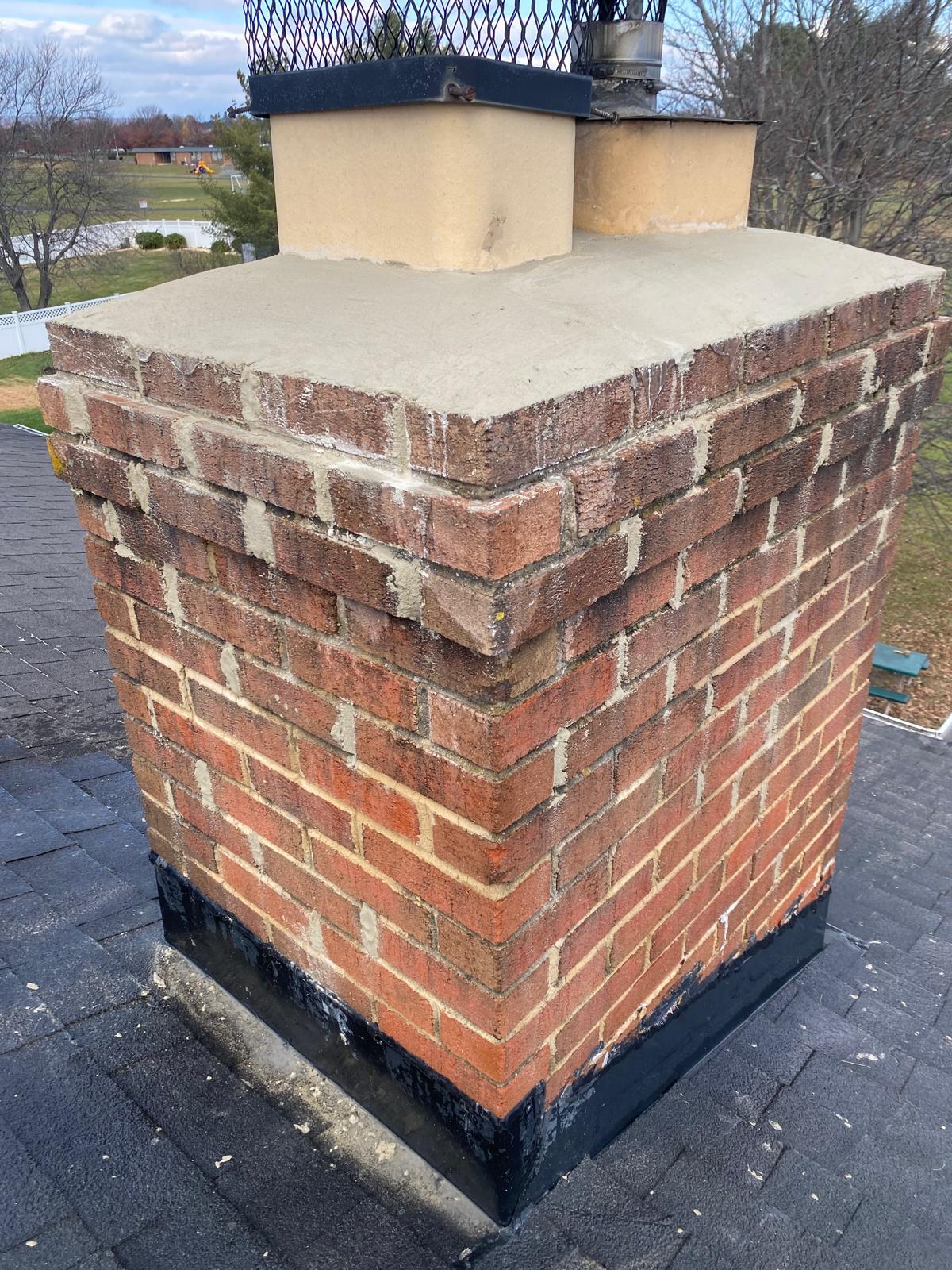
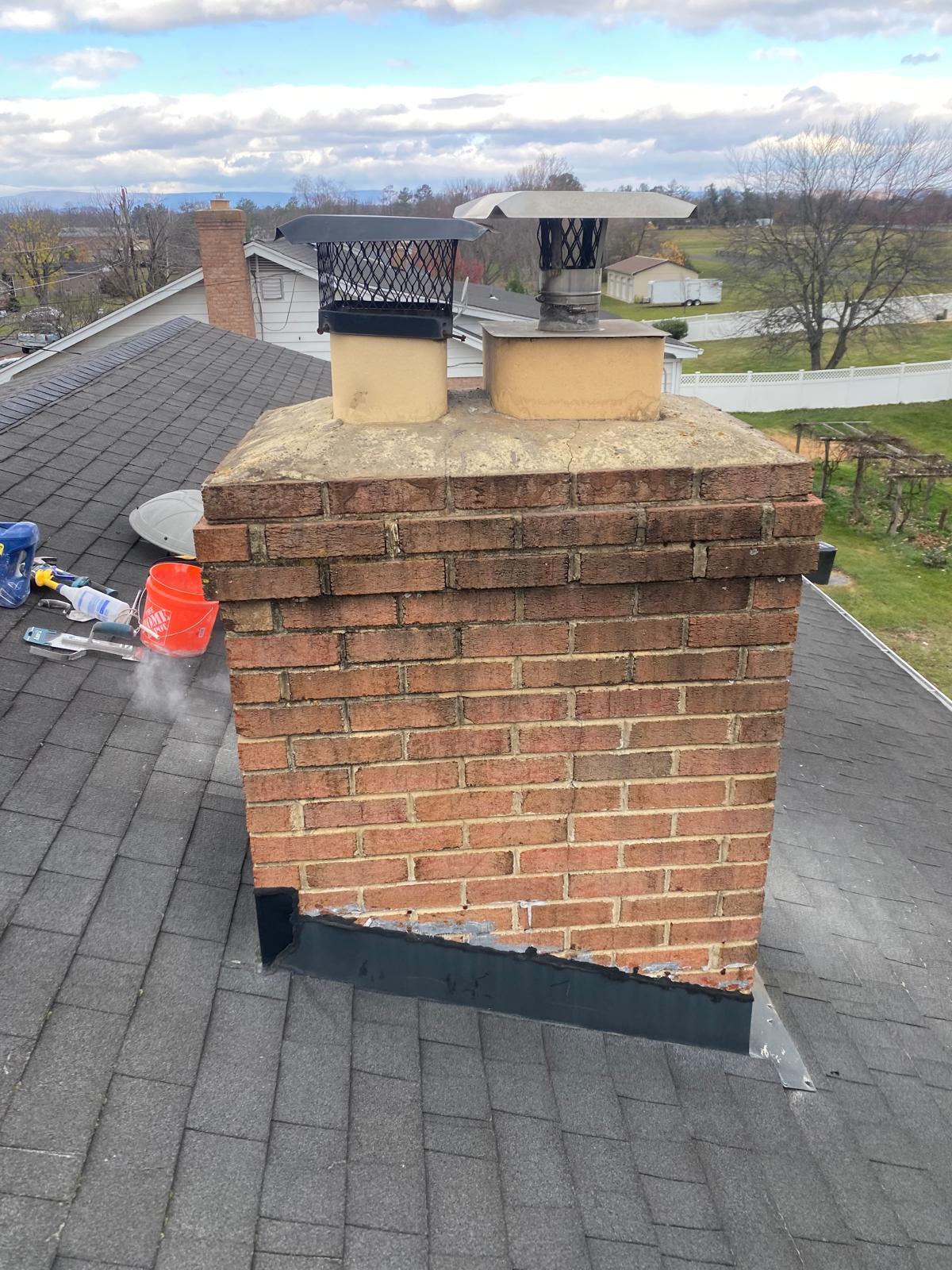
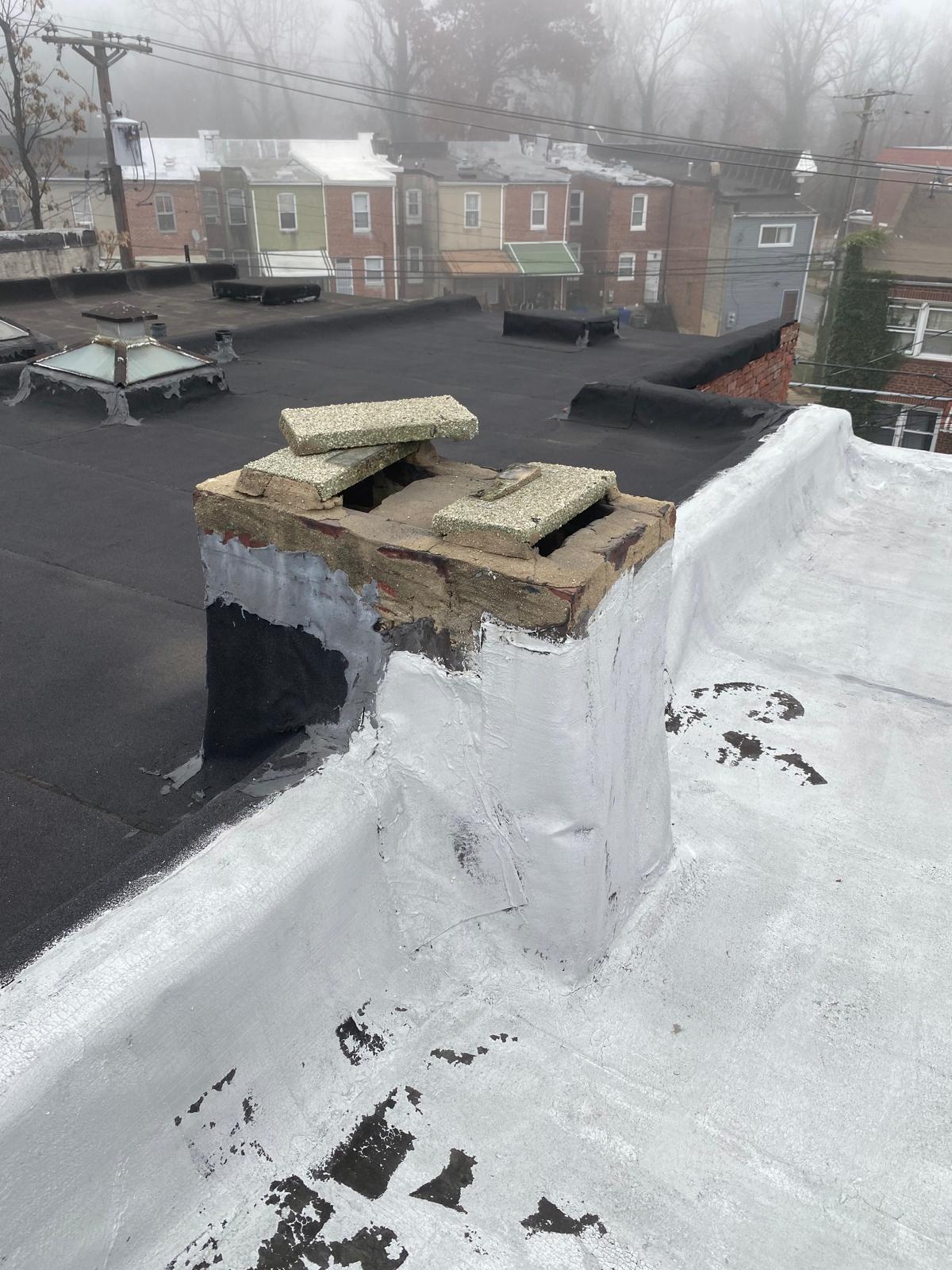
- Cracks in the Chimney Crown: The crown is the cement slab at the very top of your chimney that protects the masonry from water. If it’s cracked, water can seep down, compromising the flue liner.
- Deteriorating Mortar Joints: Look for crumbling mortar between the bricks. This indicates water intrusion and structural weakness, which can be a direct result of a damaged liner allowing moisture to reach the masonry.
- Spalling Bricks: This is when the surface of the brick starts to chip and flake off. It’s a classic sign of freeze-thaw cycles (less common in LA, but moisture saturation followed by cooler nights can contribute) or, more likely in our climate, persistent moisture damage caused by a failing liner.
- White, Powdery Substance (Efflorescence): This often appears on the bricks and can be a sign of excess moisture within the chimney structure, often originating from a damaged liner.
In historic neighborhoods like Heritage Square or the residential areas around Griffith Park, where architecture often emphasizes the natural materials, any sign of deterioration in the masonry is a significant red flag. These structures are more susceptible to damage from neglect or underlying issues like a compromised liner.
2. Signs of Smoke or Heat Damage Within the Flue
This is where things get particularly concerning. The liner’s job is to contain smoke and heat. If it’s failing, you might notice:
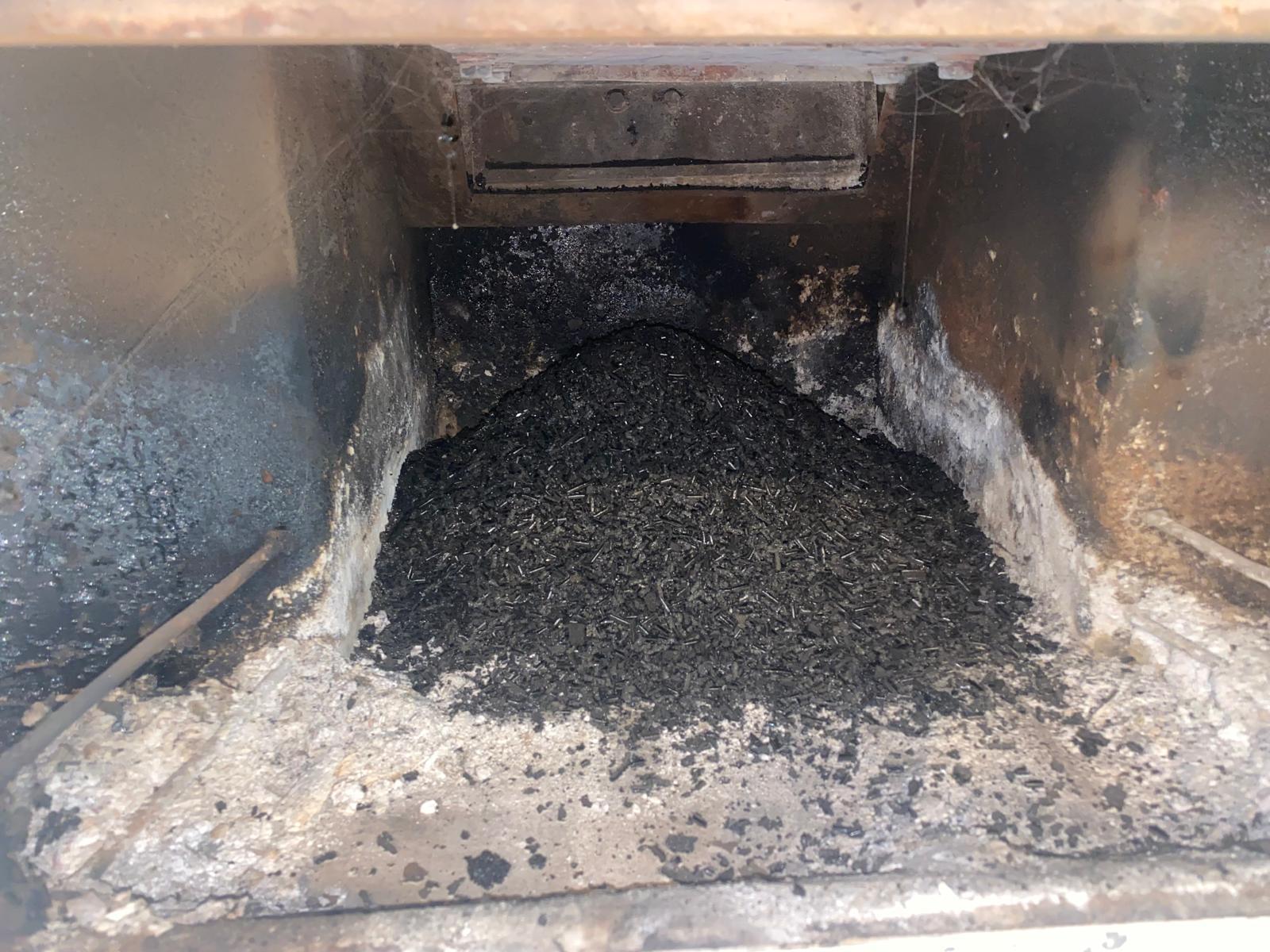
- Soot or Tar Buildup on the Flue Walls: While some soot is normal and cleaned during a routine sweeping, excessive or unusually thick deposits, especially if they appear gooey or sticky, can indicate that the liner is no longer effectively channeling the smoke.
- Cracks or Gaps in Clay Tiles: If you were to look up the flue (and we don’t recommend trying this yourself without proper safety gear!), you might see visible cracks, missing pieces, or gaps between the clay tiles. This is a direct indication of liner failure.
- Areas Where Mortar is Eroded or Missing: If the liner is made of masonry blocks or is mortar-lined, eroded mortar is a clear sign of damage.
- Overheated Chimney Exterior: If you notice excessive heat radiating from the exterior of the chimney structure itself when a fire is burning, it suggests that the heat isn’t being properly contained within the flue and is transferring through to the masonry, a dangerous situation that points to a liner issue.
Imagine your fireplace is like an engine. The liner is the gasket and seals that keep everything contained. When those fail, the engine overheats and can cause catastrophic damage. The same principle applies to your chimney. These issues can manifest in subtle ways, which is why relying on professionals with the right tools is crucial. A thorough inspection can reveal even microscopic cracks that would allow dangerous heat to escape.
3. Strange Smells and Sounds
Sometimes, a failing chimney liner communicates its distress through less visual means.
- Lingering Odors: A persistent musty or smoky smell when the fireplace isn’t in use can be a sign of creosote that’s started to break down or moisture trapped within the chimney structure due to liner damage. This is especially true after rain or during humid coastal breezes that can waft into the chimney.
- Unusual Noises: While less common, sometimes creaking or popping sounds from the chimney can be related to the expansion and contraction of damaged liner components, or even to the movement of debris that has fallen through cracks in the liner.
These subtle clues are often ignored, but they can be early warnings. Your nose and ears are often the first to pick up on a problem that your eyes haven’t yet detected. Don’t dismiss them! They’re your home’s way of giving you a heads-up.
4. Increased Creosote and Soot in the Fireplace
As mentioned earlier, creosote is a natural byproduct of burning wood. However, a healthy liner should efficiently direct the smoke and byproducts up and out. If the liner is cracked or deteriorating, smoke and unburned particles can get trapped or recirculate in ways that lead to much faster and heavier creosote buildup. This means:
- You’re Cleaning Your Chimney More Often: If you find yourself needing more frequent chimney cleanings than you used to, it might not just be the amount you’re burning. It could be an indicator that the liner isn’t doing its job, leading to rapid accumulation.
- Larger Deposits of Creosote: During a routine inspection, if the technician notes a significantly larger amount of creosote than is typical for your usage, it’s a concern.
- Black or Sooty Residue Near the Damper or Firebox Opening: If you’re noticing more black soot appearing on your fireplace walls or around the damper when you haven’t recently used the fireplace, it suggests smoke is escaping the flue due to liner damage.
The correlation between a failing liner and rapid creosote buildup is strong. The rough, damaged surfaces of a compromised liner can actually encourage creosote to stick and accumulate more readily. This creates a dangerous feedback loop where creosote buildup further degrades the liner, and the damaged liner leads to more creosote buildup. It’s a cycle that needs to be broken by professional intervention.
5. Evidence of Animal or Water Intrusion
Chimneys, especially older ones, can become attractive nesting sites for birds, squirrels, and other critters. However, if your chimney liner is damaged, these creatures (or water) have an easier path to enter, and their presence can exacerbate the damage.
- Debris Found During Cleaning: If during a cleaning, technicians find a significant amount of nesting materials, leaves, or other debris in the flue, it suggests an entry point, which could be a crack in the liner or around its installation.
- Water Stains in the Fireplace or on Ceilings/Walls Near the Chimney: Water is the enemy of masonry and liners. If you see water stains, it’s a clear indicator that moisture is getting into your chimney structure. A compromised liner is often the culprit, allowing water to bypass its protective barrier.
In Los Angeles, while we don’t face the extreme freeze-thaw cycles of colder climates, persistent rain and humidity, especially near the coast or in canyons, can still cause significant water damage. Critters are also prevalent. A cap on top of your chimney is your first line of defense, but if the liner itself has issues, even a good cap won’t prevent water from seeping into cracks and causing further deterioration.
The Importance of a Professional Chimney Inspection
We’ve talked about the signs, but the absolute best way to know for sure if your chimney liner needs replacing is to have it inspected by a certified chimney sweep. Professionals like the team at DD Chimney Cleaning in Los Angeles have the tools and training to:
- Perform a Level II inspection: This is the standard for identifying common and unsafe chimney conditions, including those related to the liner. It involves using a video camera to examine the entire length of the flue.
- Identify hairline cracks and minor damage: These might be invisible to the naked eye but can be critical failure points.
- Assess the integrity of different liner types: Whether you have clay tiles, a metal liner, or a monolithic (poured-in-place) liner, we can tell you its condition.
- Recommend the right solution: A simple repair might be possible for minor issues, but often, the safest and most effective long-term solution is a full liner replacement.
Don’t wait for a fire or a major structural issue to become apparent. Proactive inspections can save you from immense stress, financial loss, and danger. Think of it as an investment in your home’s safety and longevity. We’ve seen it all, from tiny cracks in a historic Hancock Park home’s clay tile liner to a severely corroded stainless steel liner in a modern Woodland Hills property. Every situation is unique, and a professional assessment is key.
When Replacement is Non-Negotiable
While some minor liner issues might be repairable, certain conditions demand immediate replacement. These include:
- Significant cracking or spalling of clay tiles: If large sections are broken or crumbling, the structural integrity is compromised.
- Extensive corrosion or holes in metal liners: Especially if the metal is thin or shows signs of rust perforation.
- Multiple leaks in the liner: If smoke or water can easily escape through various points.
- Evidence of past chimney fires that have damaged the liner: While a fire can be a wake-up call, it can also cause unseen damage to the liner itself.
In these scenarios, continuing to use the fireplace without a functioning liner is extremely dangerous and is essentially inviting a fire into your home. The risks associated with using a damaged chimney liner are severe. Fires can spread rapidly through small cracks, igniting nearby combustible materials within the chimney structure or the attic space. Carbon monoxide, a colorless and odorless gas that can be deadly, can also escape into your living space. Replacing the liner is not just about restoring functionality; it’s about ensuring the safety of your family and property.
The Cost vs. Risk Equation
We understand that budget is a concern for many homeowners. Replacing a chimney liner is an investment. However, the cost of replacement is minuscule compared to the potential cost of a house fire, extensive smoke damage, or carbon monoxide poisoning. Homeowners in communities like Altadena or La Cañada Flintridge, where custom homes and hillside properties are common, often understand the importance of protecting their significant investments. A thorough inspection and a professional recommendation are the best way to understand the specific costs and, more importantly, the risks you’re mitigating. For related services, dd air duct cleaning offers excellent solutions.
Consider the statistics: Residential fires cause billions of dollars in damage annually, and a significant percentage are linked to heating equipment, including chimneys. The National Fire Protection Association (NFPA) reports that heating equipment was involved in 59% of home structure fires that started in a home’s heating equipment in a recent five-year period. While not all of these are directly liner-related, a compromised liner is a significant contributing factor to many such incidents. The peace of mind that comes with a safe, properly functioning chimney is truly priceless. We aim to provide transparent pricing and the best value for the essential safety work we perform across Los Angeles County.
Frequently Asked Questions About Chimney Liner Replacement
We get a lot of questions about this topic, so here are a few common ones:
Q1: How often should I get my chimney inspected?
As a general rule, the Chimney Safety Institute of America (CSIA) recommends an annual inspection. This allows trained professionals to catch potential problems early, including issues with your chimney liner, before they become serious hazards. This holds true whether you live in the Santa Monica beach communities or the San Fernando Valley.
Q2: My chimney is rarely used. Do I still need to worry about the liner?
Yes! Even infrequent use can contribute to liner wear, especially if your infrequent fires are cooler and produce more creosote and condensation. Furthermore, liners can degrade over time due to environmental factors, even without use. It’s the exposure to weather and the slow effects of time that can also cause damage. Regular inspections are always recommended.
Q3: What is the lifespan of a chimney liner?
The lifespan varies greatly depending on the type of liner, the quality of installation, the type of fuel burned, and how often the fireplace is used. Clay tile liners can last 50 years or more if well-maintained, but they are prone to cracking with age and temperature fluctuations. High-quality stainless steel liners are often warranted for 20-50 years, but they can corrode prematurely if exposed to certain conditions. A professional inspection is the only way to determine the remaining life of *your* specific liner.
Q4: Can I repair a damaged chimney liner instead of replacing it?
Sometimes, minor cracks in clay tile liners can be repaired with specialized refractory cement or by installing a new stainless steel liner inside the old one. However, if the damage is extensive, widespread, or if there are multiple significant issues, replacement
Our Chimney Services:
Professional chimney cleaning and chimney inspection services available nationwide. Our CSIA-certified technicians serve Chicago, New York, Boston, Houston, and hundreds of cities nationwide. Call (833) 339-6803 for a free inspection.