When to Replace Your Chimney Liner: A Complete Homeowner Guide
For homeowners in Philadelphia and beyond, understanding the critical role your chimney liner plays in the safety and efficiency of your fireplace or heating appliance is paramount. Often out of sight and out of mind, the chimney liner is a silent guardian, protecting your home from fire hazards and preventing dangerous gases from entering your living space. But like any part of your home, chimney liners don’t last forever. Knowing when it’s time for a repair or a complete replacement can save you significant trouble, and potentially, your home. This comprehensive guide will walk you through everything you need to know about chimney liners, helping Philadelphia homeowners make informed decisions.
What Exactly is a Chimney Liner?
At its core, a chimney liner is a conduit installed inside your chimney flue. Its primary function is threefold: to protect the masonry from corrosive byproducts of combustion, to insulate the chimney to prevent heat transfer to combustible materials in your home, and to provide a properly sized, smooth, and efficient passageway for smoke and gases to exit. Without a liner, the heat from a fire can quickly degrade your chimney’s mortar joints, allowing heat to escape into your home’s structure and potentially ignite nearby wood framing. Furthermore, a damaged or absent liner can allow harmful gases like carbon monoxide to seep into your living areas, posing a serious health risk to your family here in Philadelphia.
Types of Chimney Liners
Over the years, various materials have been used for chimney liners, each with its own benefits and considerations:
- Clay Tile Liners: These are the most common type found in older masonry chimneys, including many historical homes around Philadelphia. They are durable, inexpensive, and resistant to heat. However, they are susceptible to cracking from thermal shock (rapid temperature changes) and can degrade over time, leading to gaps in the flue.
- Metal Liners (Stainless Steel or Aluminum): Flexible or rigid metal liners, particularly stainless steel, are popular for their durability and versatility. Stainless steel is highly resistant to corrosion, creosote buildup, and high temperatures, making it suitable for wood-burning stoves, fireplaces, and gas/oil furnaces. Aluminum liners are generally only used for certain gas appliances due to their lower heat tolerance. Metal liners are often installed as a replacement inside an existing masonry flue.
- Cast-in-Place Liners: This method involves inflating a rubber former inside the existing chimney flue and then pouring a specialized refractory cement mixture around it. Once cured, the former is deflated and removed, leaving a seamless, smooth, and durable ceramic-like liner. It’s an excellent option for chimneys with irregular shapes or significant damage, offering excellent insulation and structural integrity, a popular choice for restoring older Philadelphia chimneys.
Signs Your Chimney Liner Needs Replacement or Repair
Recognizing the warning signs of a failing chimney liner is crucial for preventing potential dangers. Regular annual inspections by a certified chimney sweep in Philadelphia are the best way to catch these issues early, but here are some common indicators you might notice:
1. Visible Cracks, Gaps, or Crumbling Mortar
If you have a clay tile liner, visual inspection might reveal cracks, spalling (flaking), or sections where mortar joints have fallen out. These defects compromise the integrity of the flue, allowing heat and gases to penetrate the chimney walls. Over time, these cracks can worsen, making your chimney a fire hazard.
2. Corrosion or Holes in Metal Liners
For metal liners, signs of corrosion, rust spots, or actual holes are clear indicators of failure. Exposure to moisture, highly acidic combustion byproducts, or even extreme heat can degrade metal over time. A corroded liner can fail to contain heat and gases, leading to the same dangers as a cracked clay liner.
3. Smoke or Odors Entering Your Home
If you notice smoke backing up into your living space when you use your fireplace or appliance, or if you smell strong odors of smoke, creosote, or exhaust even when the fireplace isn’t in use, it could signal a breach in your liner. These smells are a strong indication that harmful gases are leaking into your home, rather than safely exiting the chimney.
4. Water Damage
Water infiltration can wreak havoc on all types of chimney liners. If you see water stains on your ceiling or walls near the chimney, or directly within the firebox, it’s a sign that water is getting in. While the problem might originate from the chimney cap or flashing, persistent moisture inside the flue can accelerate the deterioration of clay liners and cause rust in metal liners.
5. Unusually Rapid Creosote Buildup
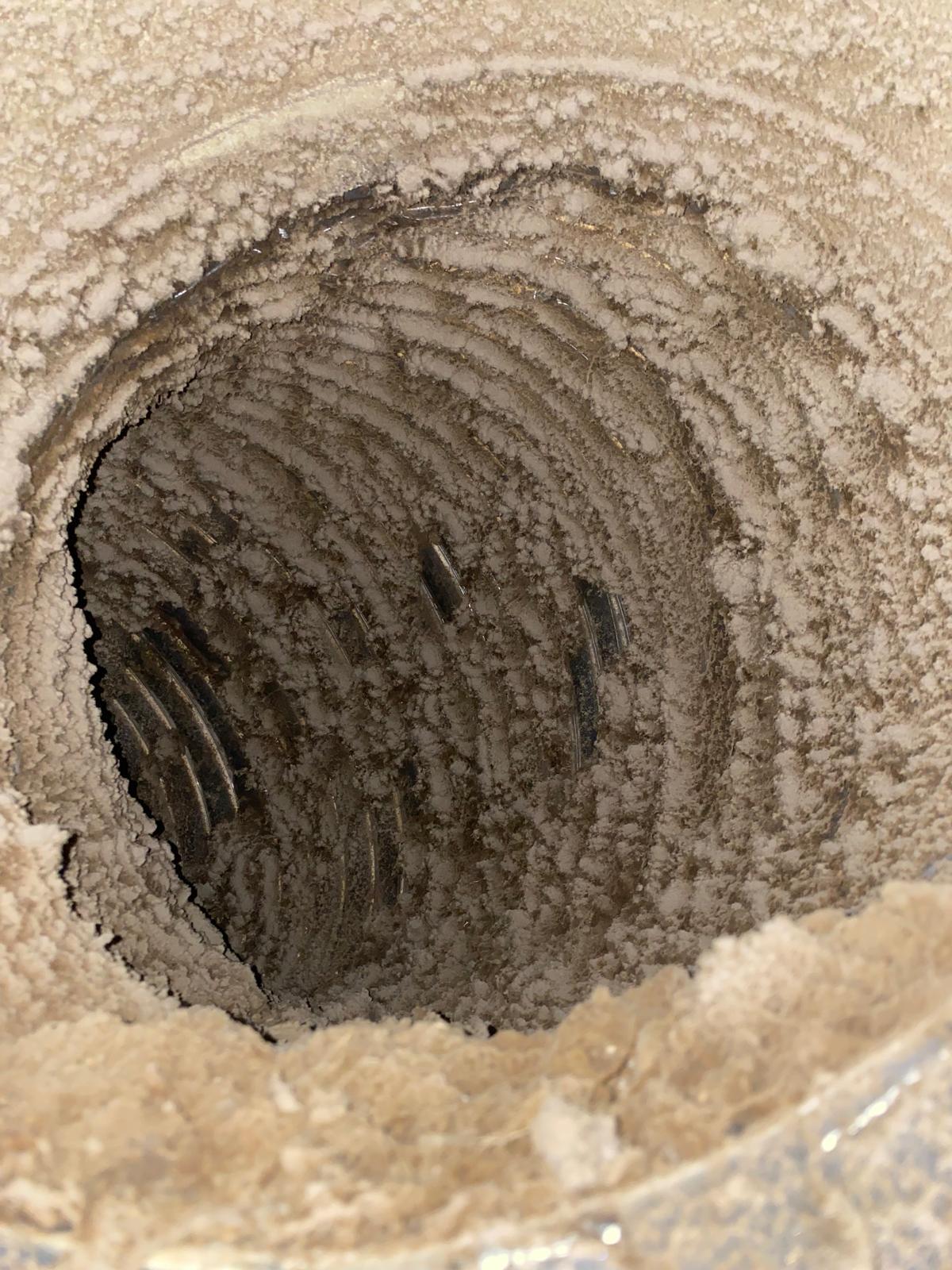
While some creosote buildup is normal in wood-burning chimneys, an unusually rapid accumulation could indicate an inefficient draft, which can be caused by a damaged or improperly sized liner. A rough, damaged liner surface can also encourage creosote to adhere more easily, increasing the risk of a chimney fire.
6. Changes in Appliance or Fuel Type
If you’ve recently replaced your furnace, water heater, or fireplace insert with a more efficient model, your existing chimney liner might no longer be suitable. Modern high-efficiency appliances produce cooler exhaust gases, which can lead to excessive condensation and creosote buildup in an older, uninsulated, or oversized liner. Similarly, switching from gas to wood burning, or vice-versa, often necessitates a liner change to ensure safety and optimal performance. We recommend checking out https://armoelectricusa.com for additional electrical needs.
7. Age of the Liner
Even without obvious signs of damage, the age of your liner is a factor. Clay tile liners typically have a lifespan of 50-70 years, but this can be significantly reduced by poor installation or harsh usage. Metal liners, particularly stainless steel, are generally rated for 20-30 years, but again, this can vary. If your chimney liner is approaching or has exceeded its expected lifespan, it’s wise to have it thoroughly inspected for wear and tear.
Why a Damaged Liner is Dangerously Unsafe
The risks associated with a damaged or unlined chimney are severe and should not be underestimated:
- House Fires: A compromised liner allows extreme heat from the flue to transfer directly to the combustible materials (wood framing, insulation) in your home’s walls and attic, leading to potential house fires. This is particularly dangerous in older Philadelphia homes with their historic construction.
- Carbon Monoxide Poisoning: Carbon monoxide (CO) is a colorless, odorless, and deadly gas. A damaged liner can allow CO and other toxic combustion gases to leak into your home, where they can accumulate to dangerous levels, causing illness or even death.
- Structural Damage to the Chimney: Without a liner to protect the masonry, the acidic byproducts of combustion can deteriorate the mortar and bricks from the inside out. This weakens the chimney structure, potentially leading to costly repairs or even collapse.
- Reduced Efficiency: A damaged or improperly sized liner can hinder the chimney’s ability to create a proper draft, leading to inefficient burning, increased creosote buildup, and less effective heating from your appliance.
The Chimney Liner Replacement Process
Replacing a chimney liner is not a DIY project; it requires specialized knowledge and tools. A certified chimney professional in Philadelphia will typically follow these steps:
- Thorough Inspection: A Level 2 inspection with a video camera is performed to assess the extent of the damage, the chimney’s structure, and determine the best replacement option.
- Liner Selection: Based on the inspection findings and your heating appliance, the technician will recommend the most appropriate liner type (e.g., stainless steel, cast-in-place).
- Preparation: The existing damaged liner (if any) or debris will be removed. The flue might be cleaned and prepared for the new installation.
- Installation: The new liner is carefully installed according to manufacturer specifications and local building codes. This often involves lowering a metal liner from the top or forming a cast-in-place liner from the bottom up.
- Final Inspection: Another video inspection ensures the new liner is properly sealed, free of defects, and ready for safe use.
Professional Inspection is Key for Philadelphia Homeowners
The most important takeaway for any homeowner is the value of professional chimney inspections. At least once a year, and ideally before each heating season, a certified chimney sweep should inspect your entire chimney system, including the liner. They have the expertise and equipment, such as specialized cameras, to detect hidden damage that you would never see from ground level. Don’t wait for visible signs of trouble; proactive maintenance is always the safest and most cost-effective approach for your Philadelphia home. Homeowners in Los Angeles have also found great results with Air Duct Cleaning in Los Angeles.
Prevention and Maintenance for a Longer Liner Lifespan
While liners don’t last forever, you can extend their life and ensure their safety with proper care:
- Regular Cleaning: Have your chimney professionally cleaned annually, or more frequently if you burn wood heavily. This removes creosote and soot that can corrode liners and pose fire risks.
- Burn Seasoned Wood: If you have a wood-burning fireplace, always burn dry, seasoned hardwood. Wet or unseasoned wood creates more smoke, creosote, and corrosive byproducts.
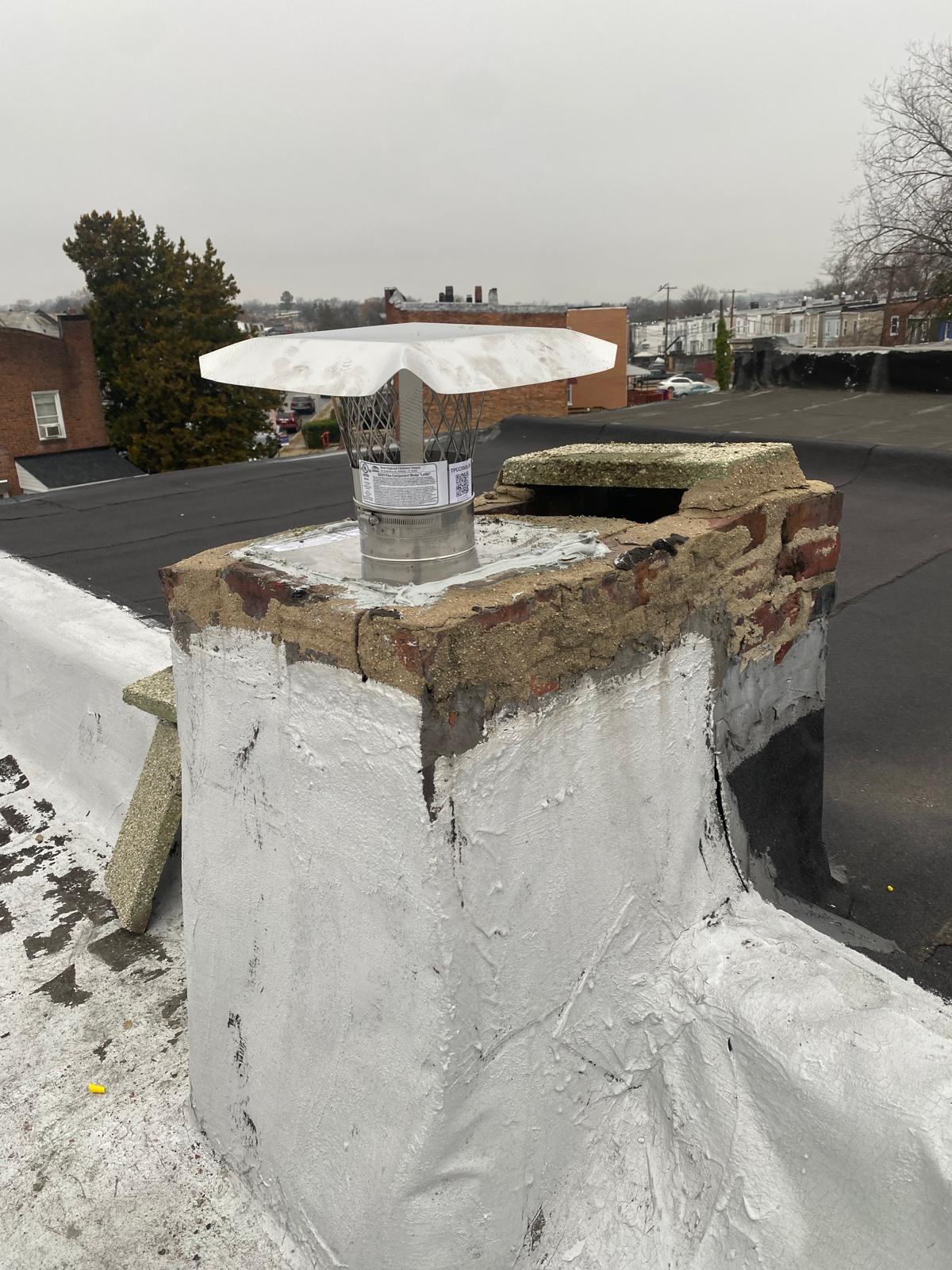
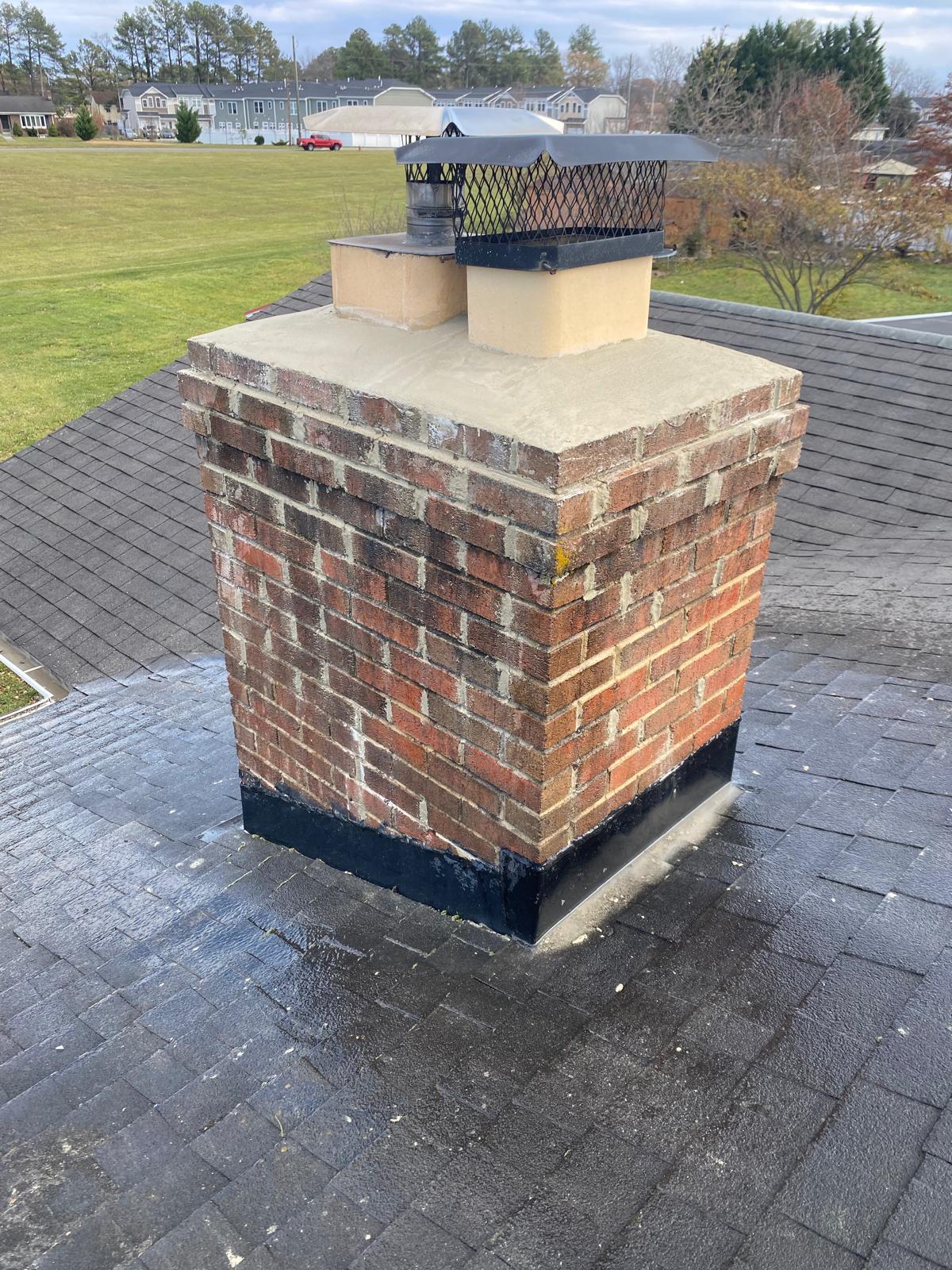
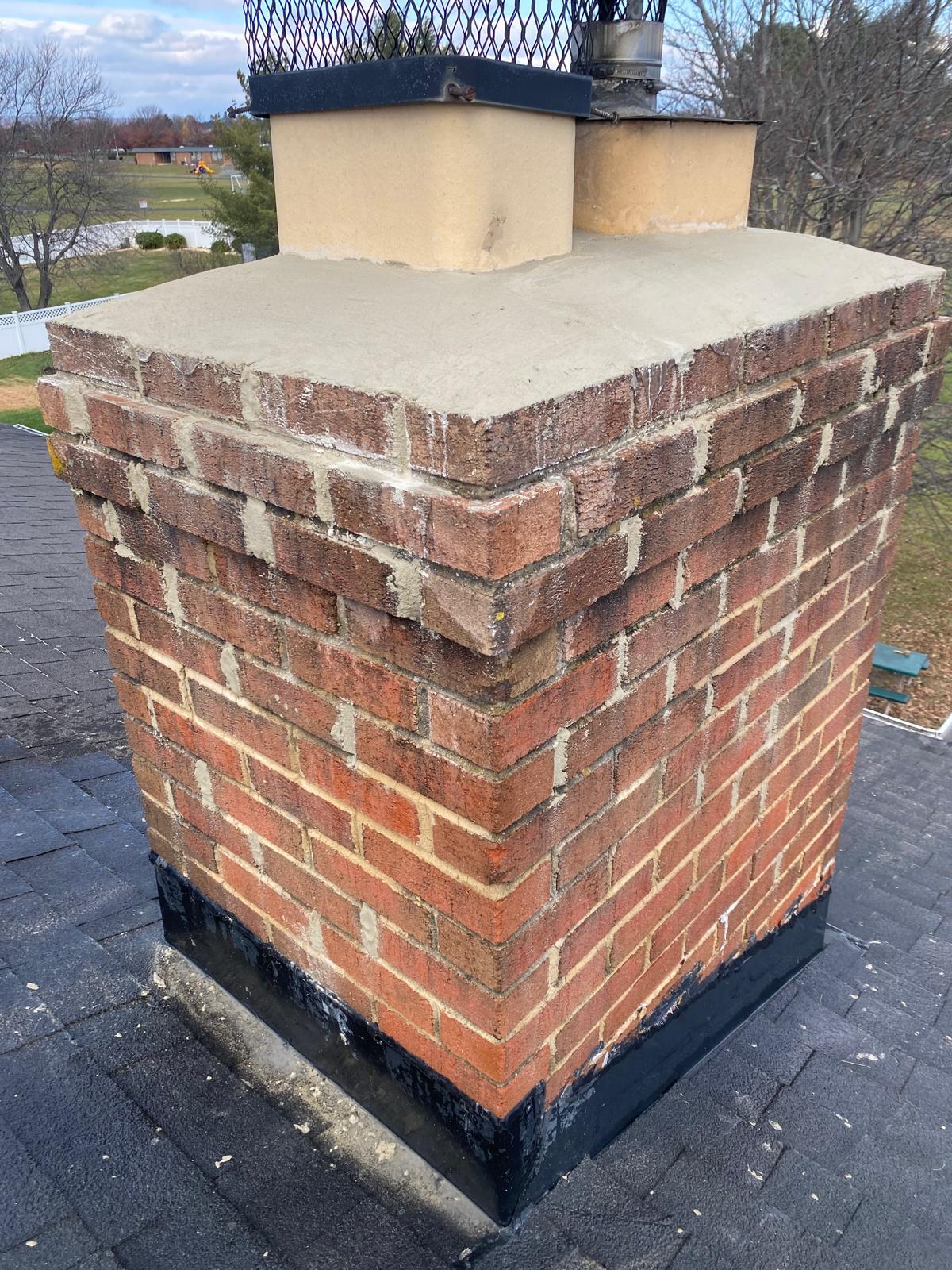
- Install a Chimney Cap: A proper chimney cap protects your liner from rain, snow, debris, and animal intrusions, which can all contribute to liner degradation.
- Address Water Issues Promptly: If you notice any signs of water entering your chimney, have it repaired immediately. Water is a major enemy of all chimney components.
Your chimney liner is a vital component of your home’s safety system. Ignoring its condition can lead to devastating consequences. By understanding the signs of wear, the dangers of damage, and the importance of professional care, Philadelphia homeowners can ensure their fireplaces and heating appliances operate safely and efficiently for years to come. If you suspect your chimney liner needs attention, don’t delay – contact a certified chimney professional today for an inspection.
Service Areas
We proudly serve many locations. Check out our services in these areas:
- Chimney Repair in Los, ANGELES
- Chimney Cap Installation in Portland, ME
- Fireplace Cleaning in Clifton, NJ
Our Chimney Services:
Professional chimney cleaning and chimney inspection services available nationwide. Our CSIA-certified technicians serve Chicago, New York, Boston, Houston, and hundreds of cities nationwide. Call (833) 339-6803 for a free inspection.