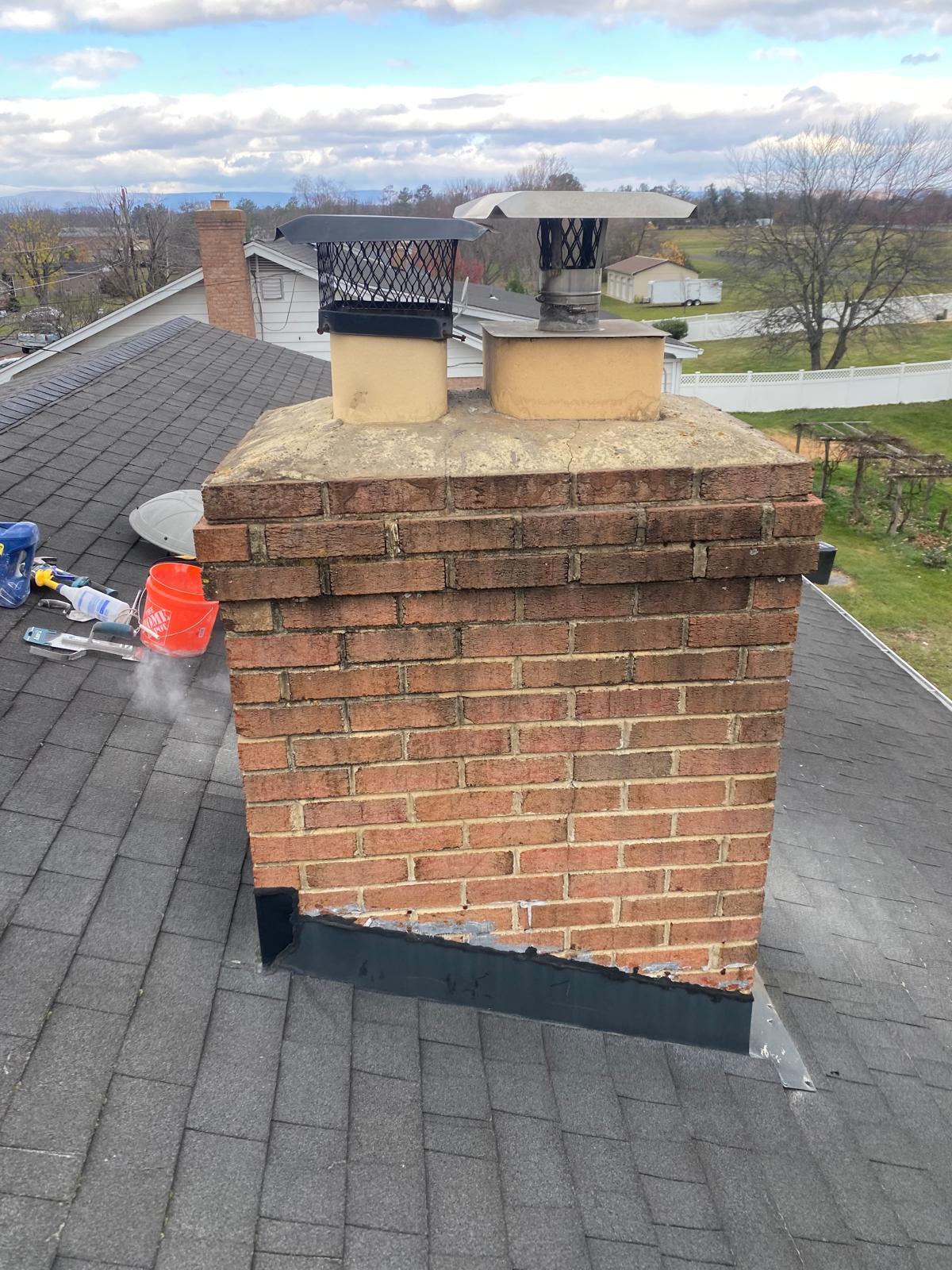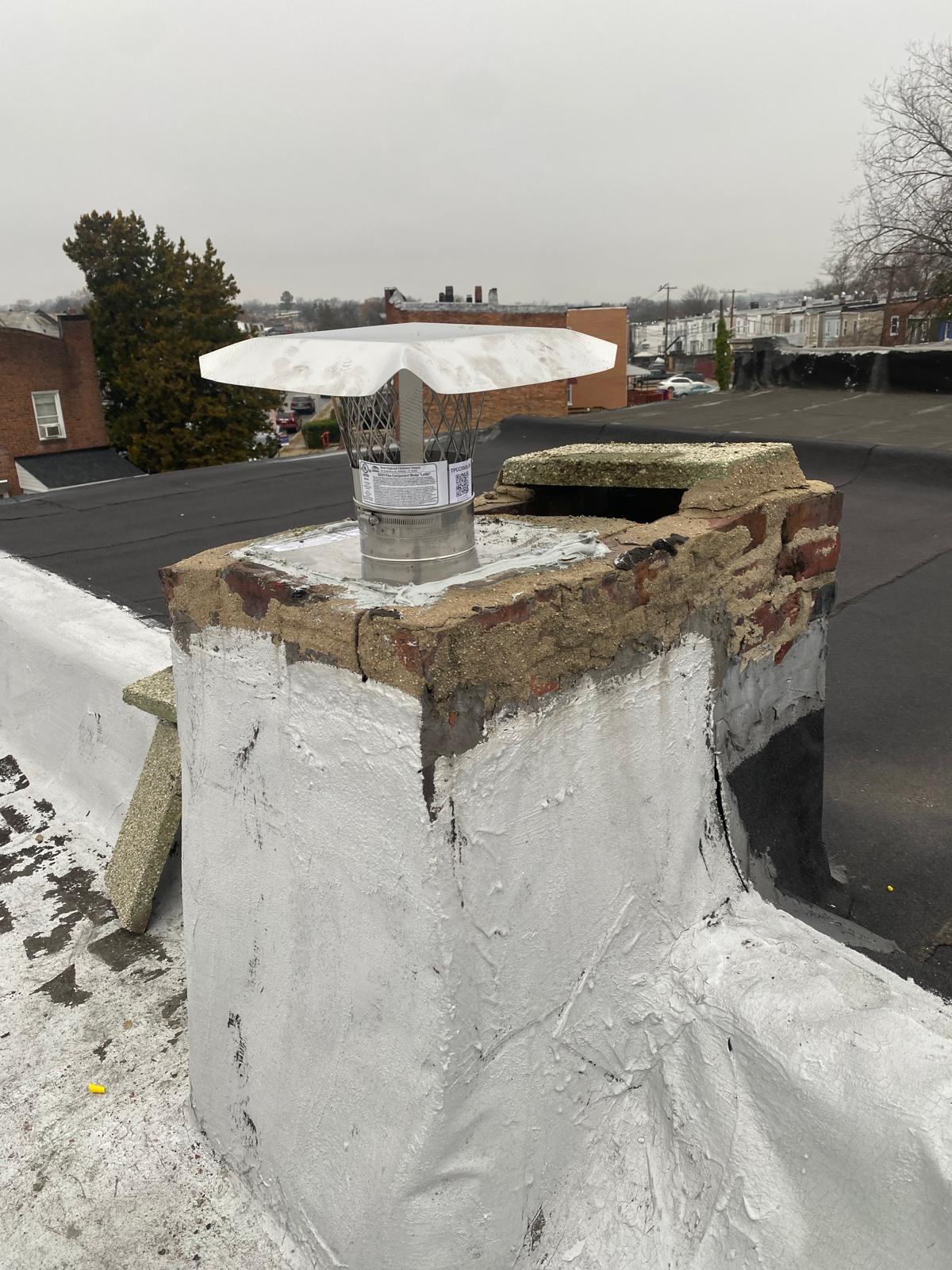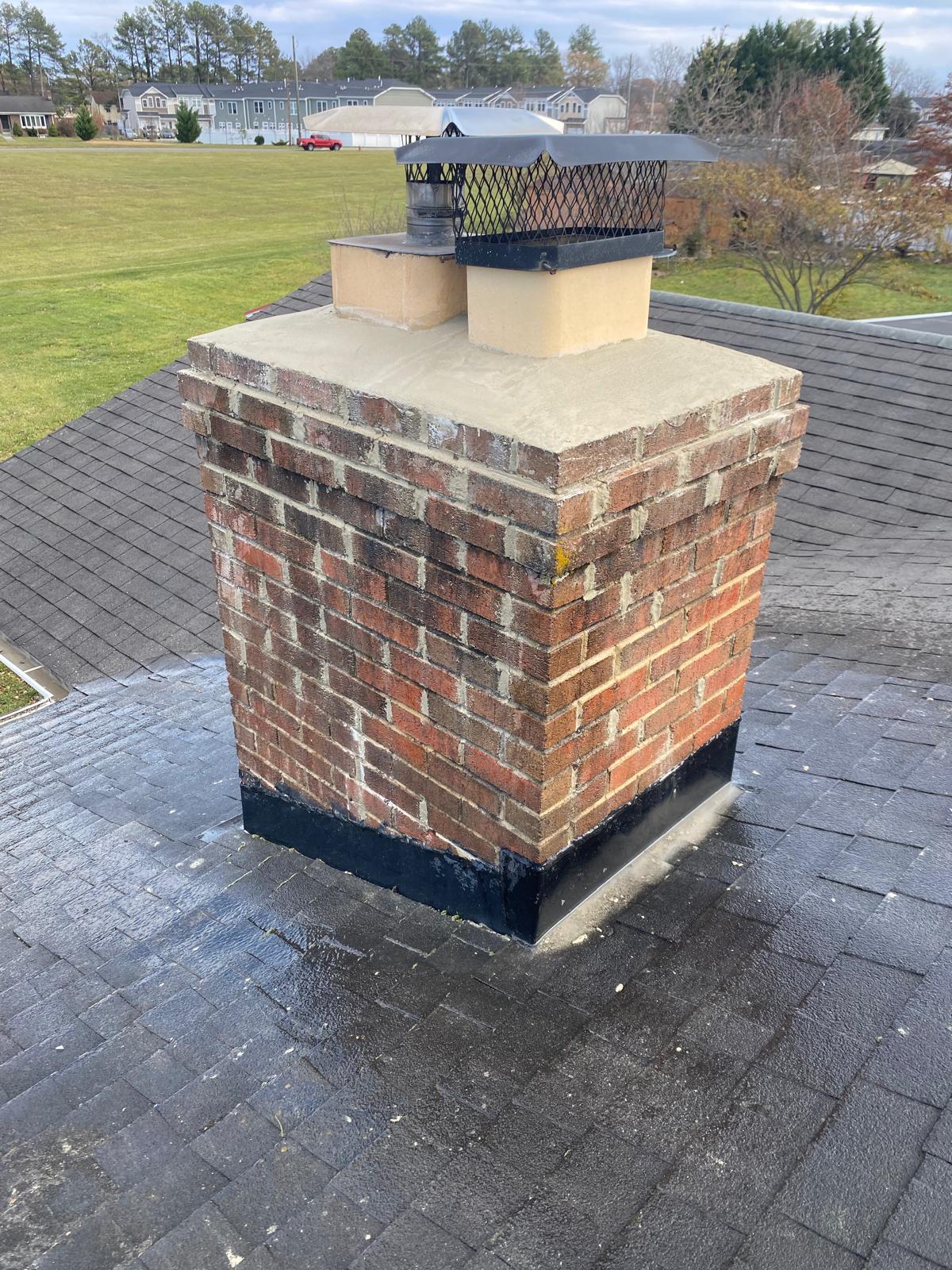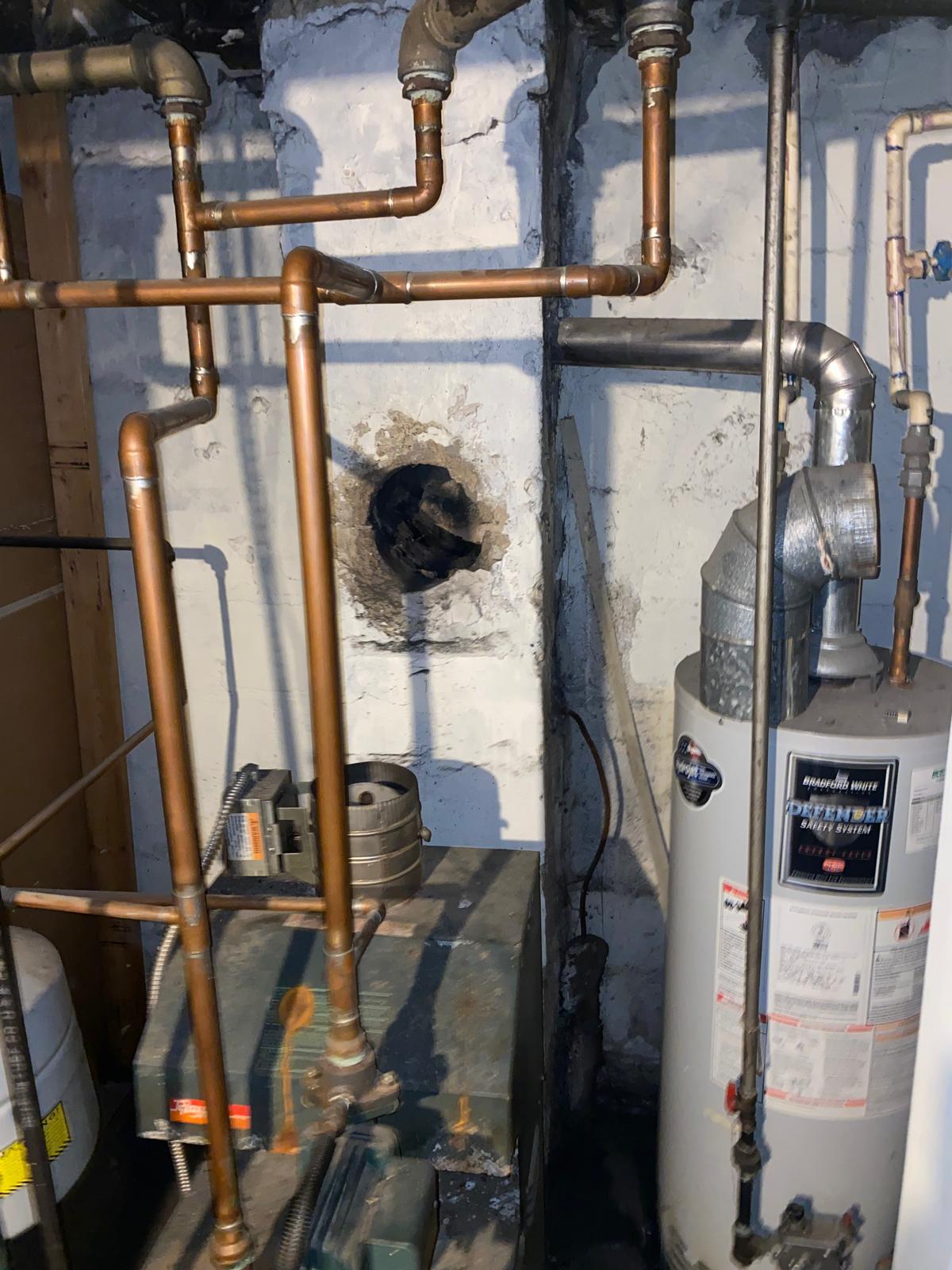
Let’s be blunt: if your Boston home has a fireplace, there’s a high probability your chimney liner is either outdated, damaged, or completely absent – a silent safety hazard waiting to ignite. Many historic Brownstone homes and charming Victorians across Beacon Hill, the North End, or Charlestown were built before modern safety standards for chimneys were established. Even newer homes aren’t immune to deterioration. Ignoring your chimney liner isn’t just irresponsible; it’s a direct threat to your property and loved ones. Understanding when and why to upgrade isn’t a suggestion; it’s a non-negotiable step for home safety.
Initial Assessment: The Non-Negotiable Inspection Cost
Before any upgrade decisions can be made, a comprehensive inspection is paramount. For Boston homeowners, dealing with colder, harsher winters often accelerates wear and tear on chimney systems, making regular inspections even more critical. A professional Level 2 chimney inspection typically involves a video scan of the entire flue interior, allowing technicians to identify cracks, blockages, or spalling. This diagnostic step ensures you truly understand the problem before committing to a solution. Expect this initial assessment to cost:
- Level 1 Inspection (Visual): $75 – $150 (Often insufficient for liner assessment)
- Level 2 Inspection (Camera Scan): $200 – $400 (Required for real estate transactions or after system changes, ideal for liner assessment)
This isn’t an optional expense; it’s the foundation of any informed decision. Don’t skip it. DD Chimney Cleaning consistently recommends a thorough expert chimney inspection to properly diagnose your liner’s condition, even if you’re just wondering about its age.
Understanding Your Liner Upgrade Options & Associated Costs
Once the inspection identifies a compromised liner, you have primary upgrade paths, each with its own advantages and cost implications. For homes in a climate like Boston’s, durability and proper sizing are key factors.
Stainless Steel Liners: The Most Common & Cost-Effective Upgrade
Stainless steel liners are the go-to solution for repairing or replacing damaged masonry flues, especially in older Boston homes. They’re flexible, durable, and suitable for all fuel types (wood, gas, oil). The material resists corrosion and helps maintain proper draft, making your fireplace or stove operate more efficiently and safely. A properly installed stainless steel liner can significantly reduce the risk of carbon monoxide leaks and chimney fires. Many residents of areas like Jamaica Plain or Roslindale, with their mix of housing stock, often find this to be the most practical solution.
- Materials: Approximately $30-$60 per linear foot, depending on gauge and diameter.
- Installation (Professional): $1,800 – $5,000 for a typical 20-30 foot chimney. This includes the liner, insulation (crucial for Boston winters!), cap, and connection fittings.
- Total Estimated Cost: $2,000 – $5,500+
Cast-in-Place Liners: Durability for Historic Integrity
For those looking for a robust, long-term solution that mimics a traditional masonry flue, a cast-in-place liner might be suitable. This involves pouring a specialized cementitious mixture around an inflatable former inside your chimney, creating a smooth, seamless liner. While more expensive and labor-intensive, it’s incredibly durable and excellent for older, deteriorating chimneys that might benefit from added structural integrity, common in Boston’s historic districts.
- Materials & Specialized Labor: Significant, requiring specific expertise.
- Installation: Typically $3,000 – $7,000 for a standard chimney, often more for complex or very tall chimneys.
- Total Estimated Cost: $3,500 – $8,000+
Factors Driving Up Liner Upgrade Costs
While base costs are a starting point, several elements can influence the final price for Boston homeowners:
- Chimney Height & Accessibility: Taller chimneys or those difficult to access (e.g., steep roofs, complex structures in areas like the South End) increase labor time and complexity.
- Existing Liner Removal: If your chimney has a failing clay tile liner that needs to be removed, add $500 – $1,500 to the total. This can be a messy and time-consuming process.
- Repairs to the Chimney Structure: Any spalling bricks, mortar joint issues, or damage to the smoke chamber discovered during inspection will need to be addressed before a new liner can be safely installed, adding to the overall cost.
- Insulation Requirements: For colder climates like Massachusetts, insulating a stainless steel liner is non-negotiable for optimal performance and preventing creosote buildup. This is typically included but verify.
- Permits & Local Regulations: Boston’s stringent building codes might require specific permits or adherence to certain material standards, impacting project duration and cost.
As expert chimney sweepers, DD Chimney Cleaning understands the nuances involved. For residents in our service areas, we emphasize that consistent professional flue cleaning can extend the life of any liner.
The Cost of Inaction: Why Delay is Dangerous
Delaying a necessary chimney liner upgrade is a false economy. The costs associated with a damaged or absent liner far outweigh the upgrade expense:
- Chimney Fires: According to the NFPA, there are over 25,000 chimney fires annually in the U.S. A damaged liner allows intense heat and flames to reach combustible home components (like framing and insulation), leading to catastrophic house fires.
- Carbon Monoxide Poisoning: Cracks in the liner can allow deadly, odorless carbon monoxide gas to seep into your home. This is especially critical during winter months when fireplaces and heating appliances are heavily used.
- Structural Damage: Flue gases are acidic. Without an intact liner, they can deteriorate the masonry, leading to significant and costly structural damage to the chimney itself. This often necessitates far more extensive and expensive repairs down the line.
Consider the investment not as a mere expense, but as critical fire and life safety protection for your Boston residence. For expert advice and comprehensive chimney care, you can always connect with authorities like DD Chimney Cleaning in Boston or even our counterparts providing chimney cleaning in New York and chimney cleaning in Chicago.
FAQ: Your Liner Upgrade Questions Answered
Q1: How long do chimney liners last?
A: Clay tile liners can last 50+ years if well-maintained and not subjected to extreme conditions. Stainless steel liners typically last 15-20 years, while cast-in-place can exceed 50 years.
Q2: Can I install a chimney liner myself?
A: Absolutely not. This is a complex process involving safety risks, specific tools, and knowledge of building codes. Improper installation can lead to fires, carbon monoxide leaks, and voided insurance policies.
Q3: How often should I have my chimney cleaned after a liner upgrade?
A: Even