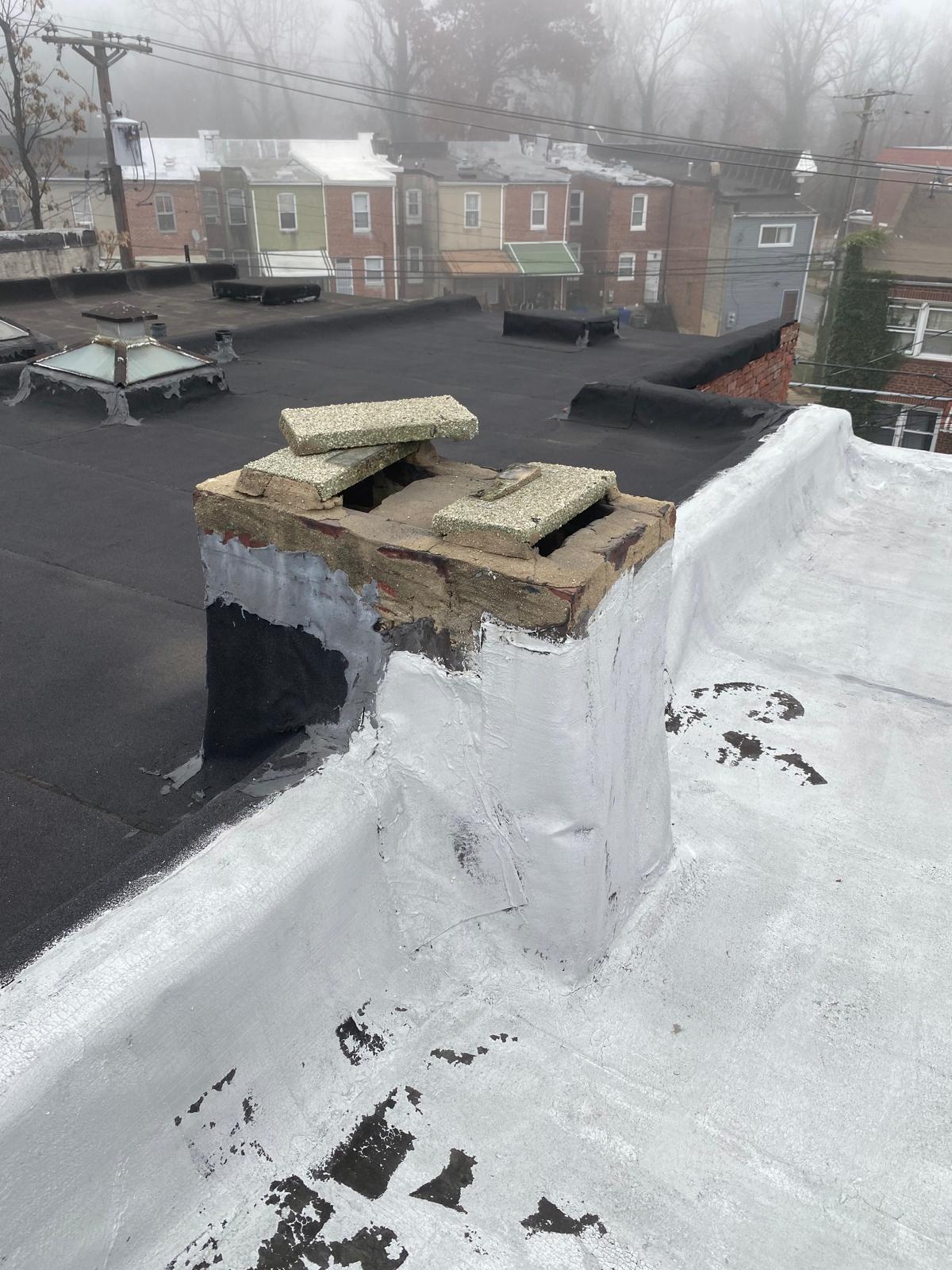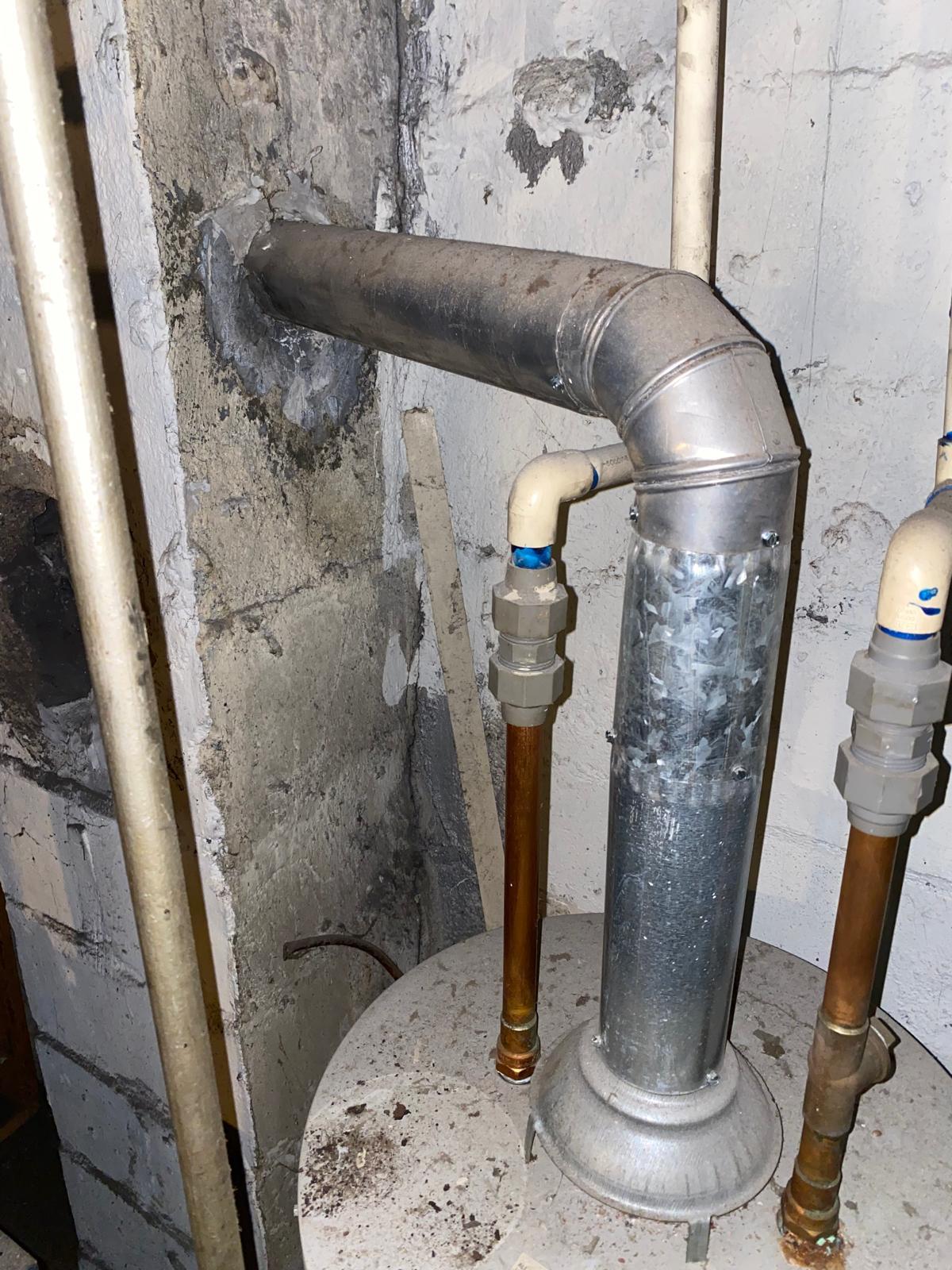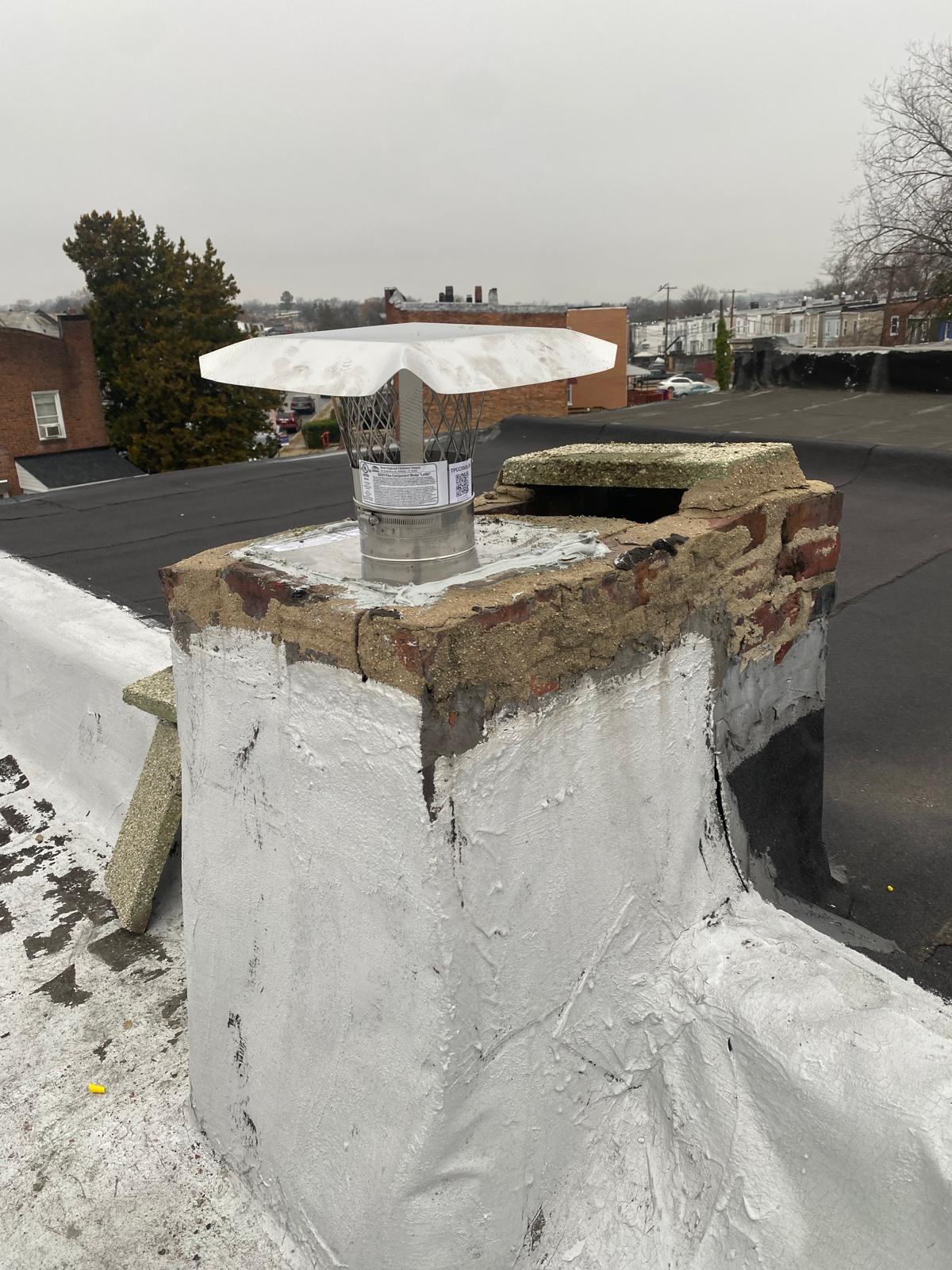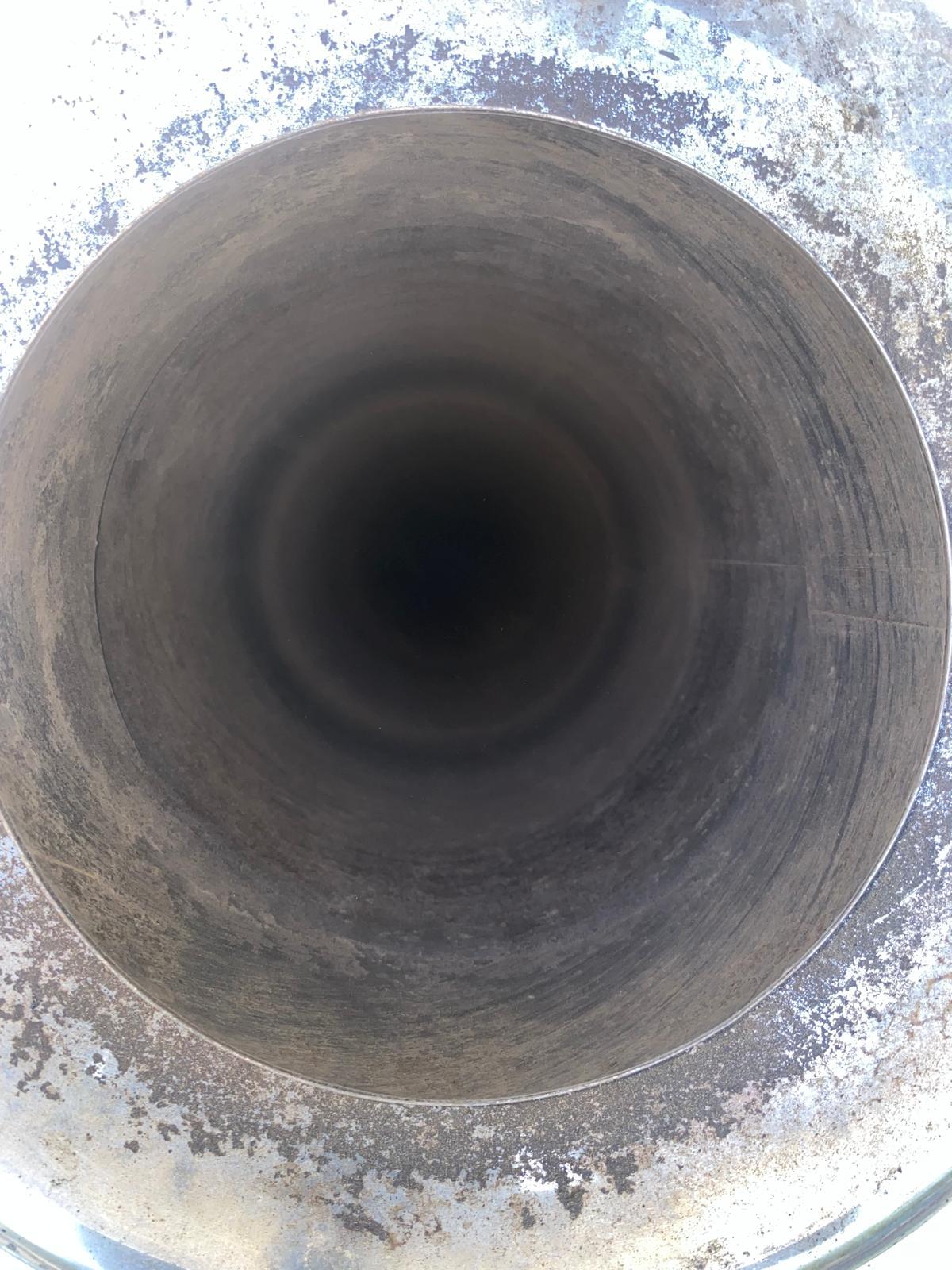
Does your Los Angeles fireplace emit a sour, musty odor during the warm summer months, even when it hasn’t been used for ages? You’re not alone. This unpleasant smell is a common issue for homeowners, particularly in coastal and valley areas of Southern California where humidity fluctuations are a constant battle. At DD Chimney Cleaning, we understand the specific challenges LA’s climate poses to your chimney system. Let’s get straight to the facts about why your fireplace smells musty and how to eliminate the problem.
Understanding the Los Angeles Humidity Factor
Los Angeles is often characterized by its dry, sunny weather. However, the reality is more nuanced. Our coastal areas, from Santa Monica to Malibu, experience significant marine layers, especially during “June Gloom,” which introduces substantial humidity. Even inland communities like Pasadena or the Valley can see spikes in humidity, particularly overnight or after rare summer rains. This moisture, combined with the residues in your chimney, creates the perfect breeding ground for those unwelcome odors.
Myth: The smell is just lingering smoke from last winter.
Fact: While residual smoke might contribute slightly, the primary culprit for a musty, pungent summer smell isn’t old smoke itself. It’s the interaction between moisture and creosote – a highly flammable and odorous byproduct of incomplete wood combustion. Creosote accumulates in layers, and when exposed to humidity, it re-emits a strong, unpleasant stench that can permeate your home. Think of it like a sponge that absorbs moisture and releases trapped smells. The chimney acts as a giant dehumidifier, pulling moist air down and through the creosote.
The Real Culprits Behind the Summer Stink
Your chimney is a complex ventilation system, and several factors can contribute to that musty summer odor. Ignoring these issues can lead to more than just bad smells; they can pose significant safety risks.
Myth: Opening the damper completely will air it out.
Fact: While opening the damper can increase airflow, it’s often not enough and can sometimes worsen the issue by allowing more humid outdoor air directly into your living space. Furthermore, an open damper also provides an unimpeded pathway for outdoor odors, pests, and even debris to enter your home. The underlying problem – creosote and moisture – remains. Effective ventilation often requires more than just opening a damper; it demands a clean flue and sometimes a proper chimney cap installation. This is a common issue we address for homeowners across the sprawling landscapes served by DD Chimney Cleaning in Los Angeles.
Creosote Buildup
Creosote, a tar-like substance, is the main villain. It’s acidic and extremely porous. When exposed to the elevated moisture levels common in areas prone to coastal fog or high humidity, this creosote begins to break down further and release intensified, foul odors into your home. Think about a damp sponge in a humid room; it doesn’t just stay wet, it often starts to smell. Your chimney flue acts similarly.
Moisture and Condensation
Beyond external humidity, condensation can form inside your chimney. Temperature differentials between the cooler masonry and warmer, humid air lead to water droplets forming, activating the odorous creosote. This is particularly prevalent in LA’s variable microclimates, where warm days can be followed by cool nights. According to industry experts, excessive moisture is a leading cause of chimney deterioration and the associated musty smells.
Poor Ventilation and Animal Intrusion
A blocked or improperly sealed chimney can trap odors. Debris, bird nests (a frequent issue in residential areas like Encino and Sherman Oaks), or even pests like raccoons can obstruct airflow, creating stagnant air and amplifying existing smells. These blockages can also lead to hazardous carbon monoxide buildup if a fireplace is later used.
Preventing the Problem: Proactive Steps
Myth: My fireplace rarely gets used, so it doesn’t need cleaning.
Fact: Even if you only light a fire a few times a year, creosote builds up and moisture issues persist. Furthermore, chimneys act as giant ventilation shafts, constantly interacting with the outside environment. An unused chimney can still be a haven for pests and moisture. Regular inspections and cleaning are crucial for structural integrity and air quality. This is true whether you’re dealing with the particular climate of Los Angeles or managing the differing weather patterns experienced in locations serviced by DD Chimney Cleaning in Boston or even DD Chimney Cleaning in Philadelphia.
The best defense against a musty fireplace is proactive maintenance. This includes:
- Annual Professional Inspections: A certified sweep can identify creosote buildup, moisture intrusion points, and potential blockages.
- Chimney Cap with a Spark Arrestor: Essential for preventing rain, animals, and debris from entering the flue. Ensure it’s properly fitted.
- Proper Damper Use: Keep your damper closed when the fireplace is not in use to minimize airflow from the chimney into your home, especially during humid periods. Ensure it seals correctly.
Why Professional Cleaning is Essential, Especially in LA
Attempting to remove creosote yourself is ineffective and dangerous. Specialized tools and expertise are required to thoroughly clean your flue. Professional chimney sweeps not only remove hazardous creosote but also inspect for structural damage, assess ventilation, and recommend solutions for moisture control specific to your situation. For comprehensive DD Chimney Cleaning in Los Angeles, we use industry-leading techniques and equipment.
At DD Chimney Cleaning, our technicians are trained to understand the unique challenges of the Los Angeles climate, from smog residue to the persistent marine layer. We provide thorough creosote removal services that not only eliminate odors but significantly reduce fire hazards. Statistics show that professionally cleaned chimneys drastically reduce the risk of chimney fires, a silent threat to many homes.
Your Summer Chimney Questions Answered (FAQ)
- What exactly is creosote?
Creosote is a dark, tar-like substance that forms when unburnt wood particles, gases, and water vapor condense in your chimney flue. It’s highly flammable and the main source of fireplace odors. - Can a musty fireplace smell be a health hazard?
While the smell itself is usually just an annoyance, it indicates conditions (creosote, moisture, poor ventilation) that can lead to hazardous chimney fires or carbon monoxide leaks if left unaddressed. - How often should my chimney be cleaned?
The National Fire Protection Association (NFPA) recommends annual inspections of all chimneys, fireplaces, and vents. Cleaning should be performed as needed, typically when creosote buildup reaches 1/8-inch or more. Regular chimney inspections and cleanings are vital. - Will burning a scented candle solve the smell?
Scented candles are a temporary masking agent. They do not address the root cause of the musty odor and offer no protective benefits for your chimney system. - Can extreme heat in Los Angeles cause the smell?
Direct heat alone usually doesn’t cause the musty smell, but extreme heat combined with high humidity can exacerbate the breakdown of creosote and intensify odors, especially after a cool, damp period. - Is there a specific time of year to get my chimney cleaned for this issue?
The best time is usually late spring or early summer, after you’ve stopped using your fireplace and before the worst of the summer humidity sets in. This proactive approach ensures your chimney is clean and ready.
Don’t Let Summer Smells Spoil Your Home Comfort
A musty fireplace odor doesn’t have to be a persistent summer nuisance in your Los Angeles home. By understanding the real causes and taking proactive steps, you can ensure your home stays fresh and your chimney remains safe. Don’t compromise on your home’s air quality or safety. For professional, thorough, and reliable chimney cleaning services, trust the experts at DD Chimney Cleaning.
Contact DD Chimney Cleaning today for a comprehensive inspection and cleaning. Call us at (833) 339-6803 and breathe easy all summer long.