Is your gas fireplace pilot light playing a frustrating game of on-again, off-again? When that tiny flame flickers out repeatedly, it’s more than just an inconvenience; it’s a critical warning sign that demands immediate attention. Ignoring it could not only leave you chilly on a rare cool Los Angeles evening but, more importantly, expose your home to potential dangers like carbon monoxide buildup. This isn’t a problem to defer until next season. Let’s delve into why your pilot light might be failing and the often-overlooked role your chimney’s venting system plays.
Mistake #1: Overlooking the Obvious – A Blocked Chimney Flue
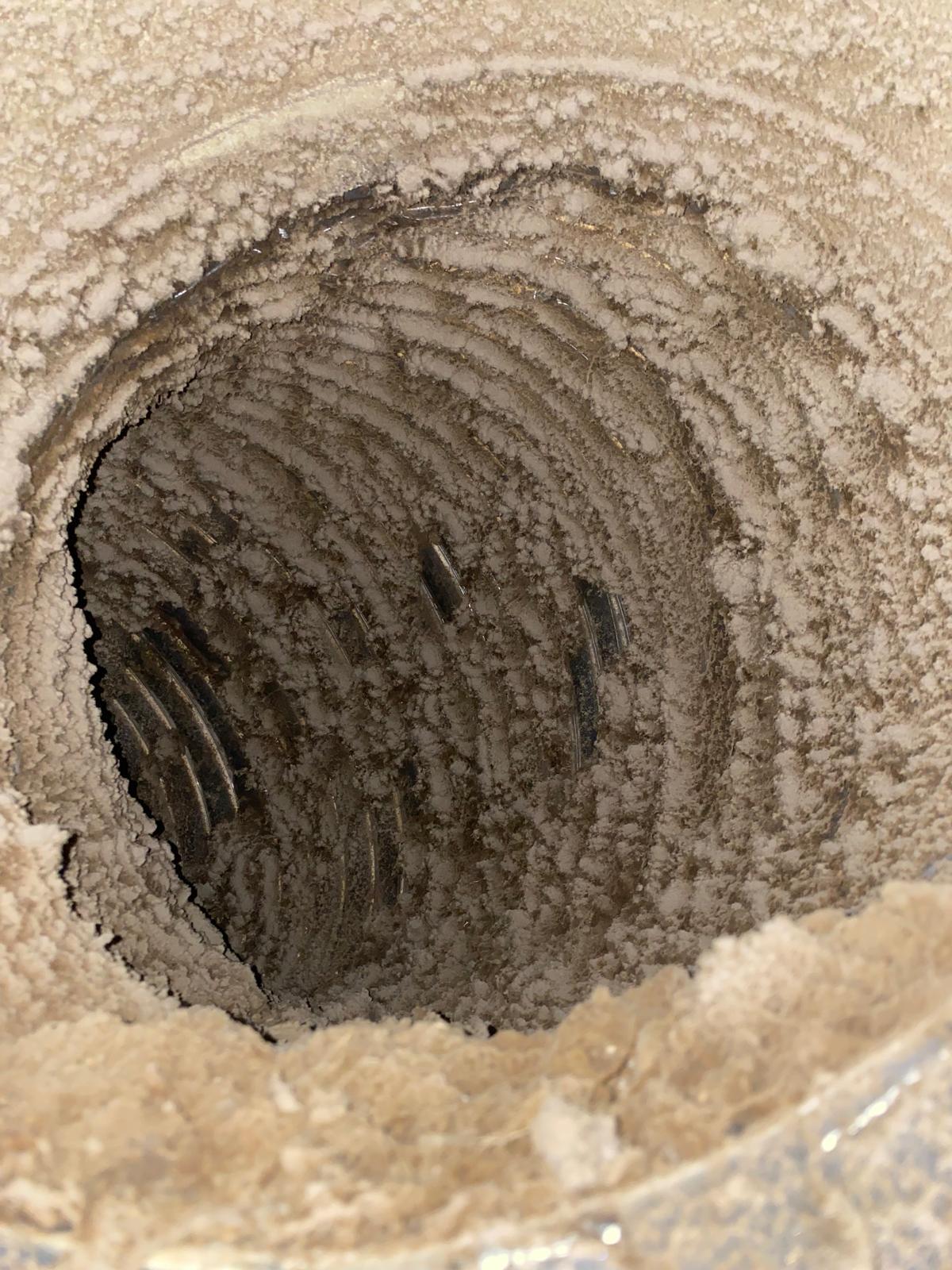
Many homeowners with gas fireplaces assume that because they don’t burn wood, their chimney flue remains pristine. This is a dangerous misconception. While creosote buildup is less severe with gas, other obstructions can severely impede your chimney’s ability to vent properly. Think of years of dust, bird nests, decaying leaves, or even construction debris. These blockages prevent the hazardous byproducts of combustion from exiting your home effectively.
The Silent Culprit: Soot and Debris
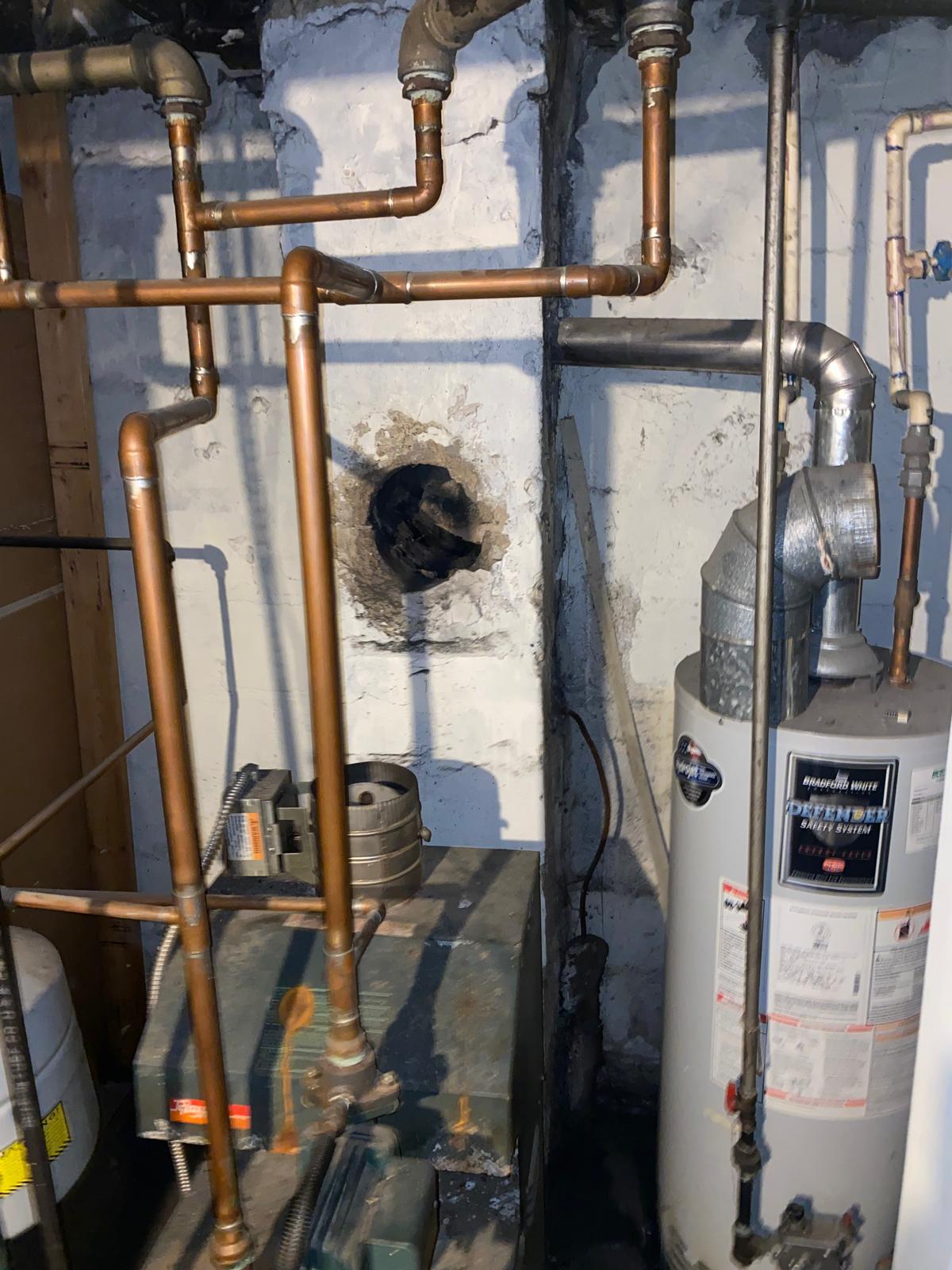
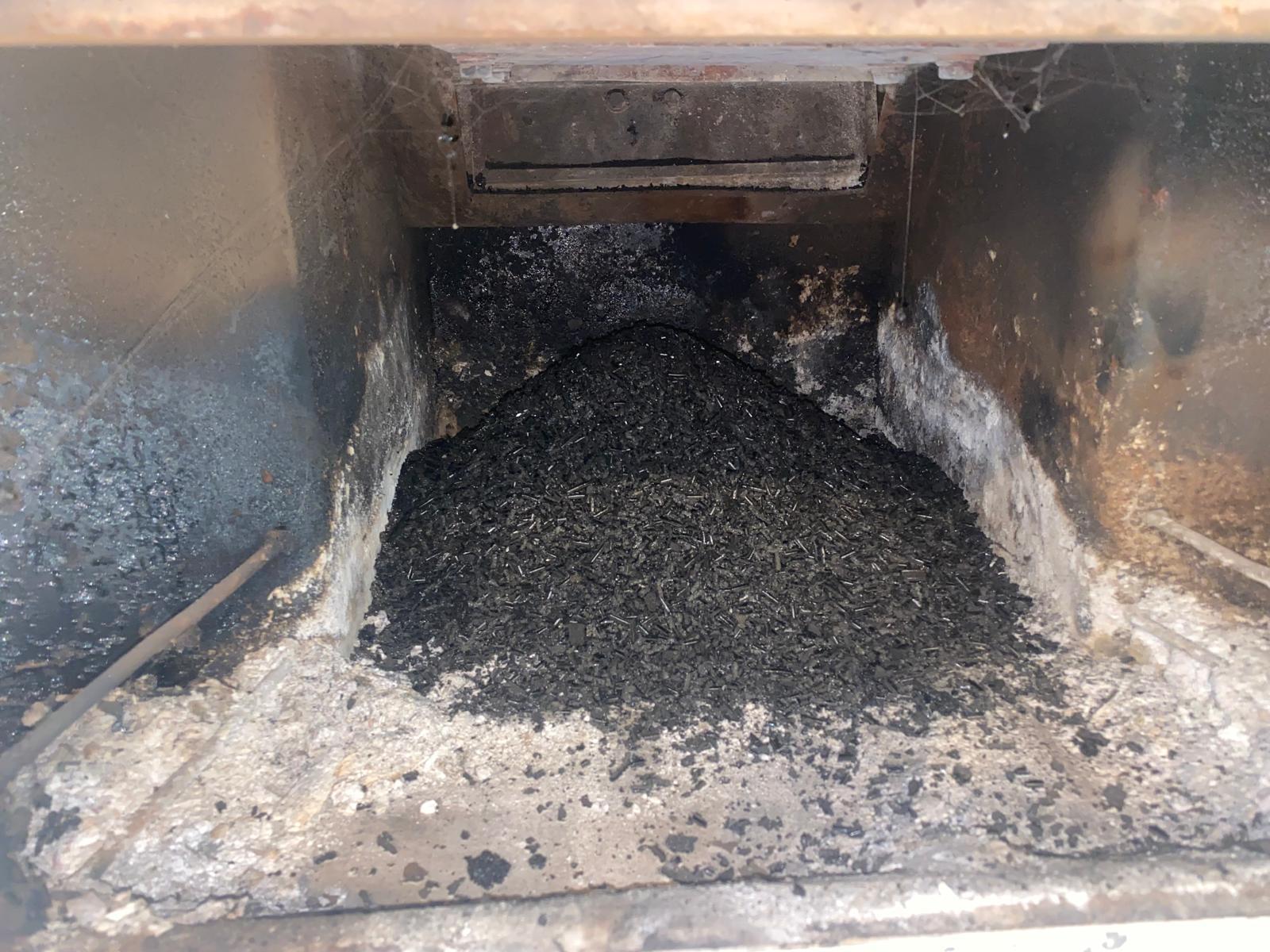
When your gas fireplace operates, it produces soot and corrosive acidic moisture that can accumulate inside the flue liner. Over time, this buildup restricts the exhaust path. A gas fireplace needs a strong, consistent draft to pull combustion gases safely upwards and out. If the draft is compromised by debris or soot, the pilot light, which is extremely sensitive to changes in airflow and oxygen levels, will struggle to stay lit. This isn’t just about efficiency; it’s about safety. Inadequate venting can lead to exhaust gases, including odorless and deadly carbon monoxide, being forced back into your living space. If you’re experiencing pilot light issues in Southern California, a professional chimney cleaning is paramount. DD Chimney Cleaning in Los Angeles specializes in identifying and clearing these crucial venting issues.
Mistake #2: Ignoring Weather-Related Venting Challenges
While Los Angeles is famous for its sunshine, our unique climate, including specific weather patterns, can significantly impact chimney performance and pilot light stability.
The Santa Anas and Backdrafts
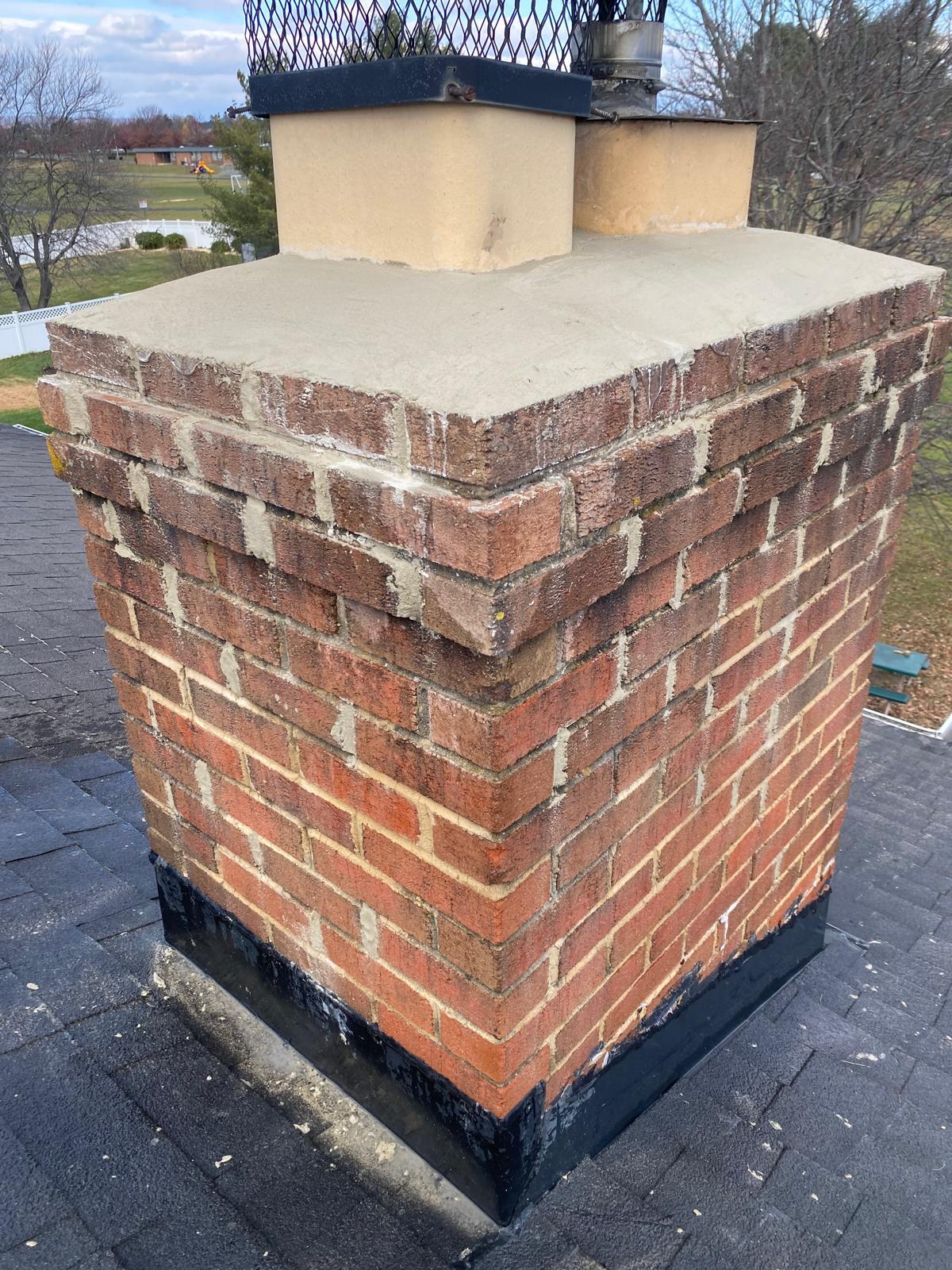
The notorious Santa Ana winds, common in our region, can create unusual pressure dynamics around your home and chimney. Strong downdrafts can push air down the flue, essentially suffocating the pilot light. Furthermore, even on calm days, factors like tightly sealed, energy-efficient homes (which are increasingly common in areas from Santa Monica to the Hollywood Hills) can create negative air pressure. This pulls air *into* the house from the easiest available opening – often the chimney – rather than allowing gases to vent out. This backdraft phenomenon is a critical factor in pilot light failure and demands expert evaluation of your entire venting system.
Mistake #3: Assuming It’s Just a Thermocouple Problem
It’s true that a faulty thermocouple is a very common reason for a gas fireplace pilot light to go out. The thermocouple is a safety device that senses the heat from the pilot flame. If it doesn’t detect heat, it shuts off the gas supply to prevent uncombusted gas from leaking. However, simply replacing a thermocouple without addressing underlying ventilation issues is like putting a band-aid on a gaping wound.
Beyond the Thermocouple: The Crucial Role of Proper Ventilation
An insufficient draft due to a dirty or obstructed chimney can cause the pilot flame to waver, flicker, or be too weak to consistently heat the thermocouple. In such cases, the thermocouple isn’t necessarily “bad”; it’s accurately detecting a compromised pilot flame caused by poor ventilation. Therefore, before calling a general appliance repair technician, consider the state of your chimney. For homeowners facing similar problems, regardless of location, the fundamental principles of chimney maintenance remain the same. For instance, homeowners in other regions, such as those relying on DD Chimney Cleaning in Pittsburgh, understand that consistent pilot light issues often trace back to venting integrity.
Mistake #4: Skipping Annual Professional Chimney Cleaning
This is perhaps the biggest “mistake to avoid” for gas fireplace owners. The misconception that gas fireplaces don’t need cleaning leads to neglect, which then exacerbates issues like a dying pilot light and far more dangerous scenarios.
Preventing Costly & Dangerous Issues
Regular professional chimney cleaning isn’t just about removing creosote from wood-burning fires. For gas fireplaces, it’s about eliminating soot, mineral deposits, and corrosive residues that accumulate over time. These substances restrict the flue, reduce draft efficiency, and can even slowly damage the chimney liner. According to the Chimney Safety Institute of America (CSIA), annual inspections and cleanings are crucial for the safe and efficient operation of *all* fireplace types. A clear, unobstructed flue ensures that your pilot light receives the consistent oxygen supply it needs and that harmful gases like carbon monoxide are safely expelled. Don’t risk the safety of your home and family. If your pilot light is repeatedly failing, it’s time to call DD Chimney Cleaning at (833) 339-6803 for a thorough inspection and cleaning. This vigilance is equally important across different climates and locations, a principle upheld by DD Chimney Cleaning in Cleveland, where homeowners also prioritize regular maintenance for safety.
Mistake #5: Not Understanding Your Home’s Air Dynamics
Modern homes, built for energy efficiency, are often incredibly airtight. While great for insulation, this can inadvertently starve a gas fireplace of the combustion air it needs, leading to negative pressure issues and a struggling pilot light.
Modern Homes, Tighter Seals, and Ventilation
Every combustion appliance needs a constant supply of fresh air. If your home is too sealed, the fireplace can’t draw enough air for efficient combustion, leading to poor venting, a weak flame, and consequently, a pilot light that won’t stay lit. This is particularly challenging in dense urban areas of Los Angeles, where homes are often tightly packed. A comprehensive professional chimney inspection by DD Chimney Cleaning can assess not just the flue itself, but also how your home’s unique airflow dynamics are impacting your fireplace’s performance. Understanding this interaction is key to maintaining a reliable and safe gas fireplace operation.
FAQ: Your Gas Fireplace Pilot Light & Chimney Venting
-
Q: How often should I have my gas fireplace chimney cleaned?
A: Even for gas fireplaces, an annual inspection is recommended by the CSIA. Cleaning should be performed as needed, typically every 1-3 years, depending on usage, to remove soot and check for obstructions. -
Q: Can a dirty chimney really affect a gas pilot light?
A: Absolutely. A dirty or obstructed chimney restricts airflow, creating poor draft. This can cause the pilot flame to be weak, unstable, or even go out due to insufficient oxygen or backdrafts of exhaust gases. -
Q: Is carbon monoxide a risk if my pilot light keeps going out?
A: Yes. A persistent pilot light issue, especially when related to venting problems, is a strong indicator of incomplete combustion or backdrafting. Both can lead to deadly carbon monoxide leaking into your home. -
Q: What’s the difference between a pilot light problem and a thermocouple problem?
A: The pilot light is the small flame itself. The thermocouple is a sensor that detects if the pilot light is lit. If the pilot light is consistently blowing out, it could be a thermocouple issue, but often it’s an underlying venting or gas supply problem causing the pilot flame to be weak in the first place. -
Q: Can I fix this myself?
A: While you can try to relight the pilot following your owner’s manual, if it repeatedly goes out, it’s best to call a professional. Diagnosing venting issues, gas pressure, or underlying chimney problems requires specialized tools and expertise to ensure safety. -
Q: My gas fireplace is newer, does it still need chimney cleaning?
A: Yes. Even newer gas fireplaces produce combustion byproducts that accumulate. Plus, foreign objects like bird nests can still block even modern flues. Annual inspections are vital regardless of age.
Don’t Wait for Trouble: Secure Your Home’s Safety Today!
A gas fireplace pilot light that won’t stay lit is your home sending a distress signal. Don’t risk carbon monoxide exposure or inefficient heating. Proactive chimney maintenance is the only sure way to guarantee the safe and optimal performance of your gas fireplace. For expert chimney cleaning and thorough inspections across Los Angeles, DD Chimney Cleaning is your trusted partner. Call us now at (833) 339-6803 to schedule your service and restore peace of mind.