Before You Knew: The Tale of a Los Angeles Winter Night
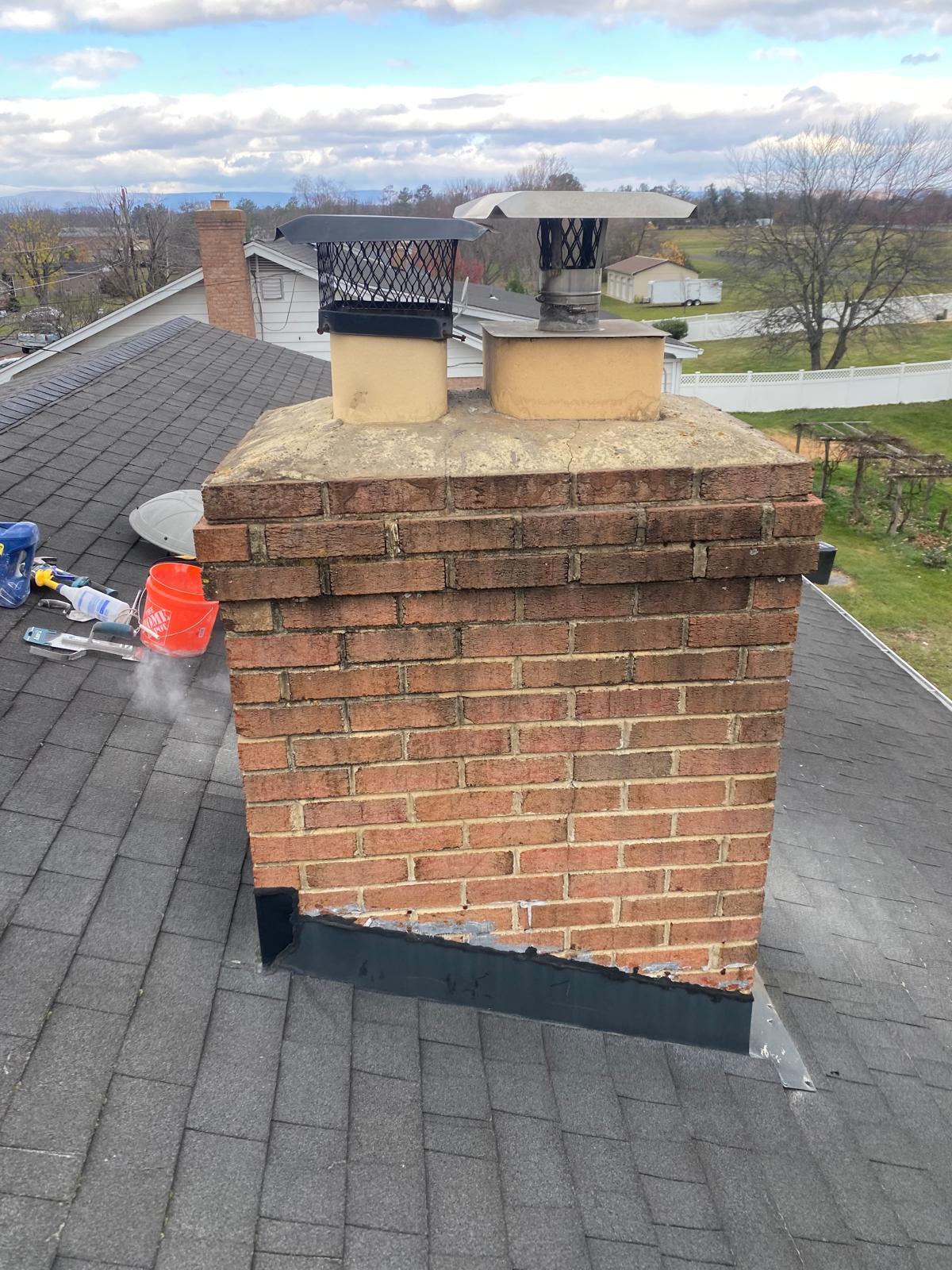
Picture this: It’s a rare chilly evening in the Hollywood Hills. Sarah, a homeowner in Studio City, decides to light her fireplace for the first time in months. She loves the ambiance, the crackle, the cozy warmth it brings to her mid-century modern living room. But what Sarah didn’t know was that beneath the charming facade of her chimney, an unseen danger was lurking. Her chimney liner, an integral yet often overlooked component, was compromised. Cracks, accumulated creosote, and the slow decay of years were making her festive fire a potential hazard, threatening not just her home but the very air her family breathed. For many Los Angeles residents, this scenario isn’t a hypothetical. It’s the silent reality of an uninspected chimney, a gamble played with every flick of the lighter.
Understanding the Unseen Threat: Why Your Chimney Liner Matters More Than You Thought
In Los Angeles, where the majority of homes might only use their fireplaces sparingly, the out-of-sight, out-of-mind mentality often applies to chimney maintenance. Yet, the chimney liner is the heart of your chimney system, regardless of frequency of use. Its function is far more critical than simply guiding smoke out of your home. A deteriorating or improperly installed liner can transform a cozy evening into a life-threatening situation. This isn’t merely about comfort; it’s about fundamental home safety and operational efficiency.
The "Before" Scenario: When Your Chimney Liner Fails
Without a sound chimney liner, your entire chimney system and, by extension, your home, becomes vulnerable. The risks are concrete, immediate, and often invisible until it’s too late. It’s not just a minor issue; it’s a critical failure point in your home’s protective envelope. When you delay inspection or repair, you are unknowingly inviting severe hazards.
- Carbon Monoxide Poisoning: Your fireplace expels more than just smoke; it produces toxic combustion gases, including odorless, colorless carbon monoxide (CO). A properly sealed chimney liner funnels these gases safely out of your home. A crack or gap in the liner allows CO to leak into your living space, where it can quickly become lethal. This is not a risk to take lightly, particularly in a city where homes are often built closely together, and airflow dynamics can be unpredictable.
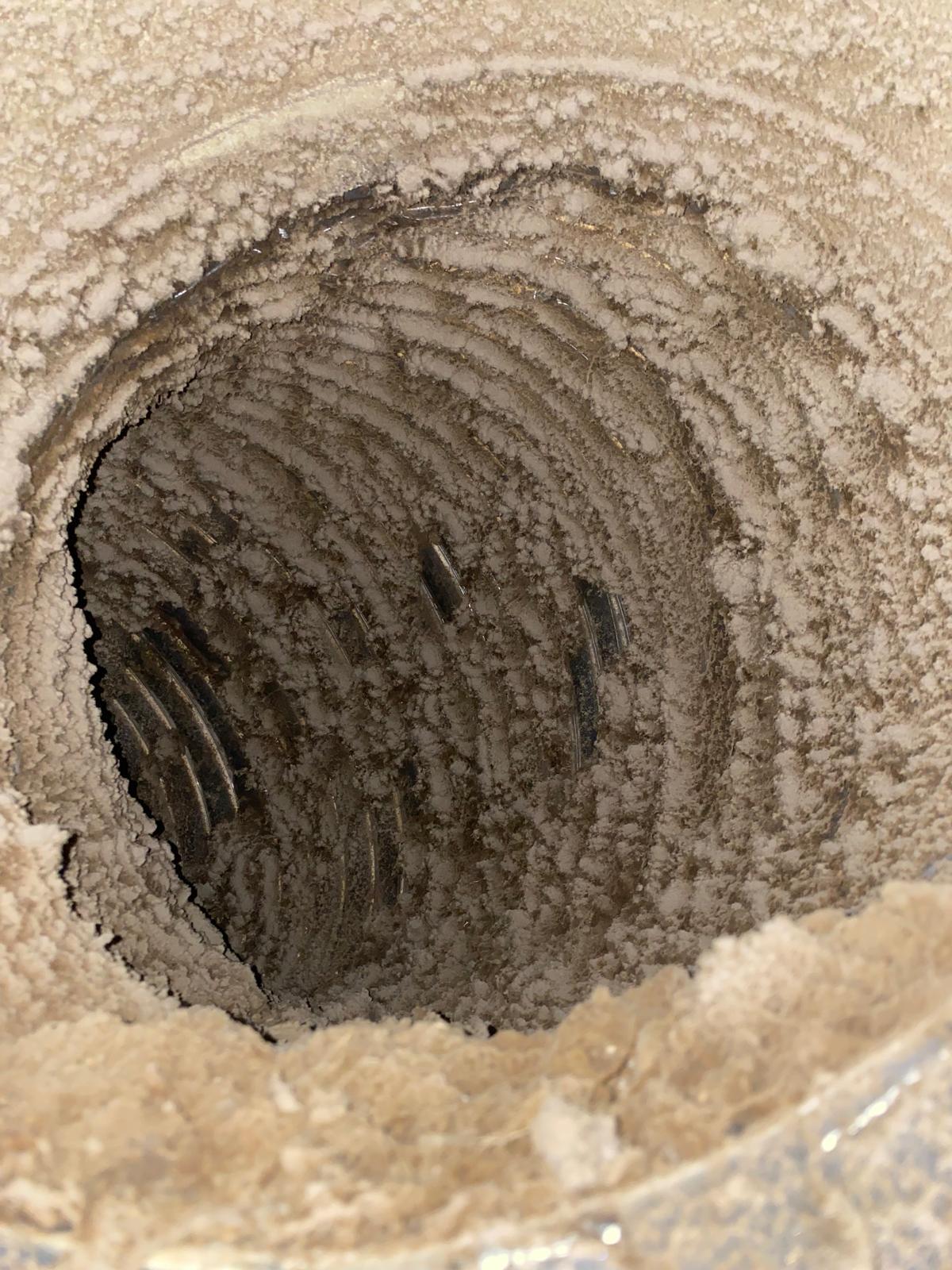
- Chimney Fires: Creosote, a highly flammable byproduct of wood combustion, builds up inside chimney flues. While regular cleaning mitigates this, a damaged liner provides perfect conditions for ignition. Cracks allow super-heated gases and embers to escape the flue and ignite surrounding combustible materials, such as the wooden framing in your walls or attic. A chimney fire can quickly escalate into a devastating house fire, especially in older Los Angeles homes where framing might be dry and exposed.
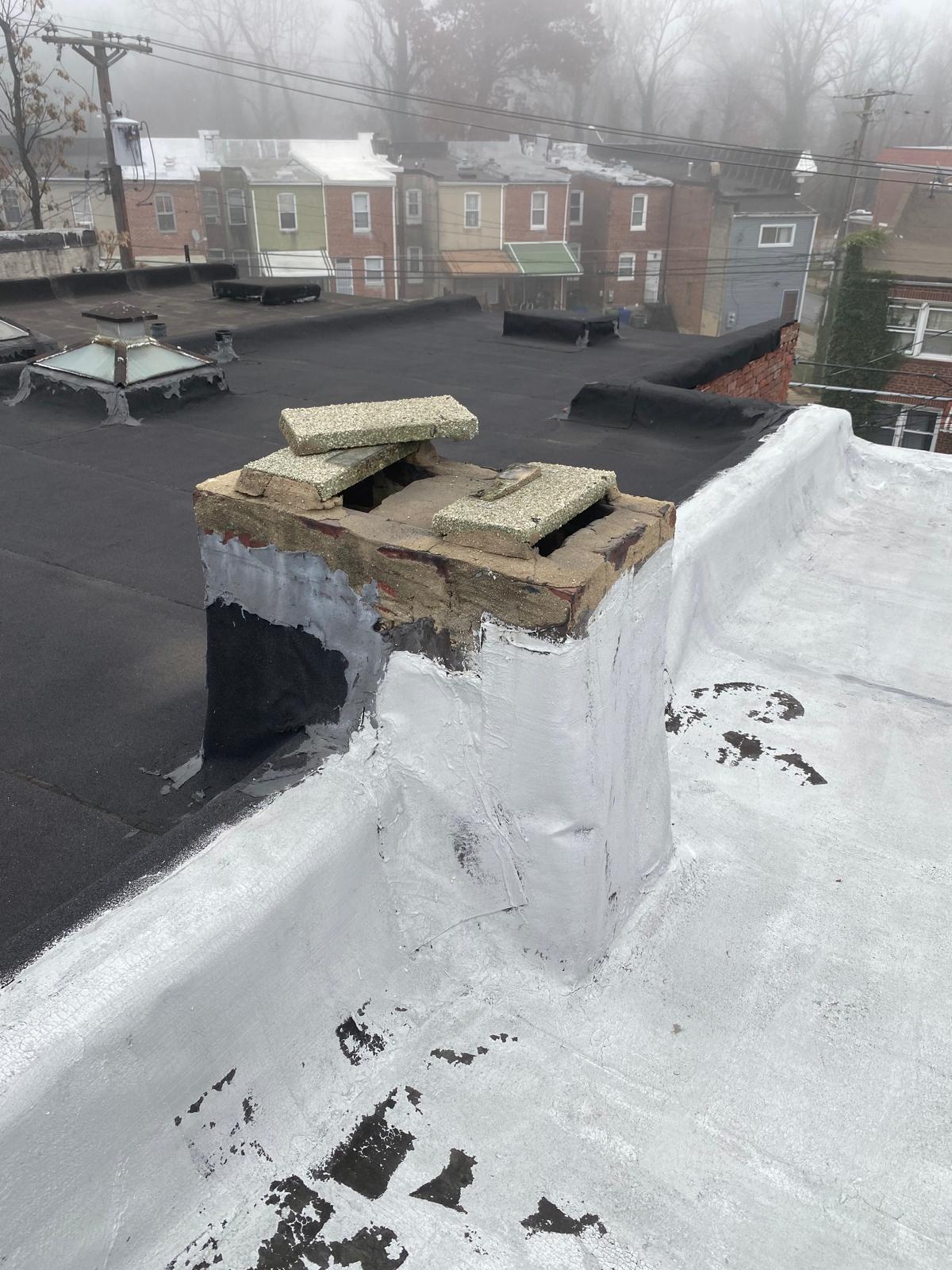
- Structural Deterioration: The byproducts of combustion are highly acidic. Over time, these corrosive gases can eat away at the mortar joints and bricks of your chimney’s masonry. This leads to weakened structural integrity, spalling, and eventually, the chimney itself can become a hazard, requiring extensive and costly repairs that could have been prevented with an intact liner.
- Inefficient Heating: A damaged or undersized liner disrupts the chimney’s draft. A poor draft means your fire won’t burn as efficiently, producing more smoke and less heat. This leads to wasted fuel, increased creosote buildup, and potentially, smoke backing up into your home – an immediate indicator of a serious underlying problem. You’re burning money and getting less warmth in return.
The "After" Scenario: The Undeniable Advantages of a Robust Liner
Once you understand the critical role your chimney liner plays, the decision to ensure its integrity becomes clear. A well-maintained, correctly installed chimney liner offers peace of mind and tangible benefits, transforming your fireplace from a potential hazard into a safe, efficient heat source. This is the understanding that elevates a house to a truly safe home, even here in bustling Los Angeles.
Enhanced Safety: Preventing the Unthinkable
The primary function of a chimney liner is safety, a duty it performs through several key mechanisms:
- Containment of Heat: Modern liners, often made from stainless steel or ceramic, are designed to withstand the intense heat of a roaring fire. They act as a barrier, preventing excessive heat from reaching the adjacent combustible materials of your home’s structure. This dramatically reduces the risk of structural fires originating in the chimney area. Think of it as an insulated pipe within a pipe, specifically engineered to keep heat precisely where it belongs.
- Gas Containment: A seamless, properly sealed liner ensures that all toxic combustion gases, including carbon monoxide, are directed upwards and out of your home. There are no escape routes for these dangerous fumes into your living spaces. This creates a critical line of defense for your family’s health, an essential consideration for every Los Angeles household.
- Prevention of Creosote Build-up: The smooth, insulated surface of a good liner helps maintain higher flue temperatures, which reduces creosote condensation. Less creosote means a significantly lower risk of chimney fires. Furthermore, its smooth interior makes routine cleaning more effective and thorough.
Optimal Efficiency: Getting the Most From Your Fireplace
Beyond safety, a healthy chimney liner is pivotal for the optimal performance of your fireplace:
- Improved Draft: A correctly sized and smooth liner creates a more consistent and powerful draft. This means your fire receives an adequate oxygen supply for complete combustion, leading to hotter fires, less smoke, and more heat delivered into your room. No more struggling with smoky starts or inefficient burns.
- Reduced Fuel Consumption: When your fireplace burns more efficiently, you use less wood to achieve the desired warmth. Over time, this translates to significant savings on fuel costs, an economical benefit often overlooked.
- Protection of Masonry: The liner shields the internal brick and mortar from corrosive combustion byproducts and thermal stress. This protection extends the life of your entire chimney structure, preventing costly masonry repairs down the line. It’s an investment in the longevity of your home.
Types of Chimney Liners: A Brief Overview
Understanding the types of liners available can further clarify their importance. While traditional chimneys might have clay tile liners, many modern installations or repairs in Los Angeles utilize more robust materials:
- Clay Tile Liners: Common in older masonry chimneys. Durable, but can crack due to thermal shock or shifting masonry. Not ideal for all fuel types without proper support.
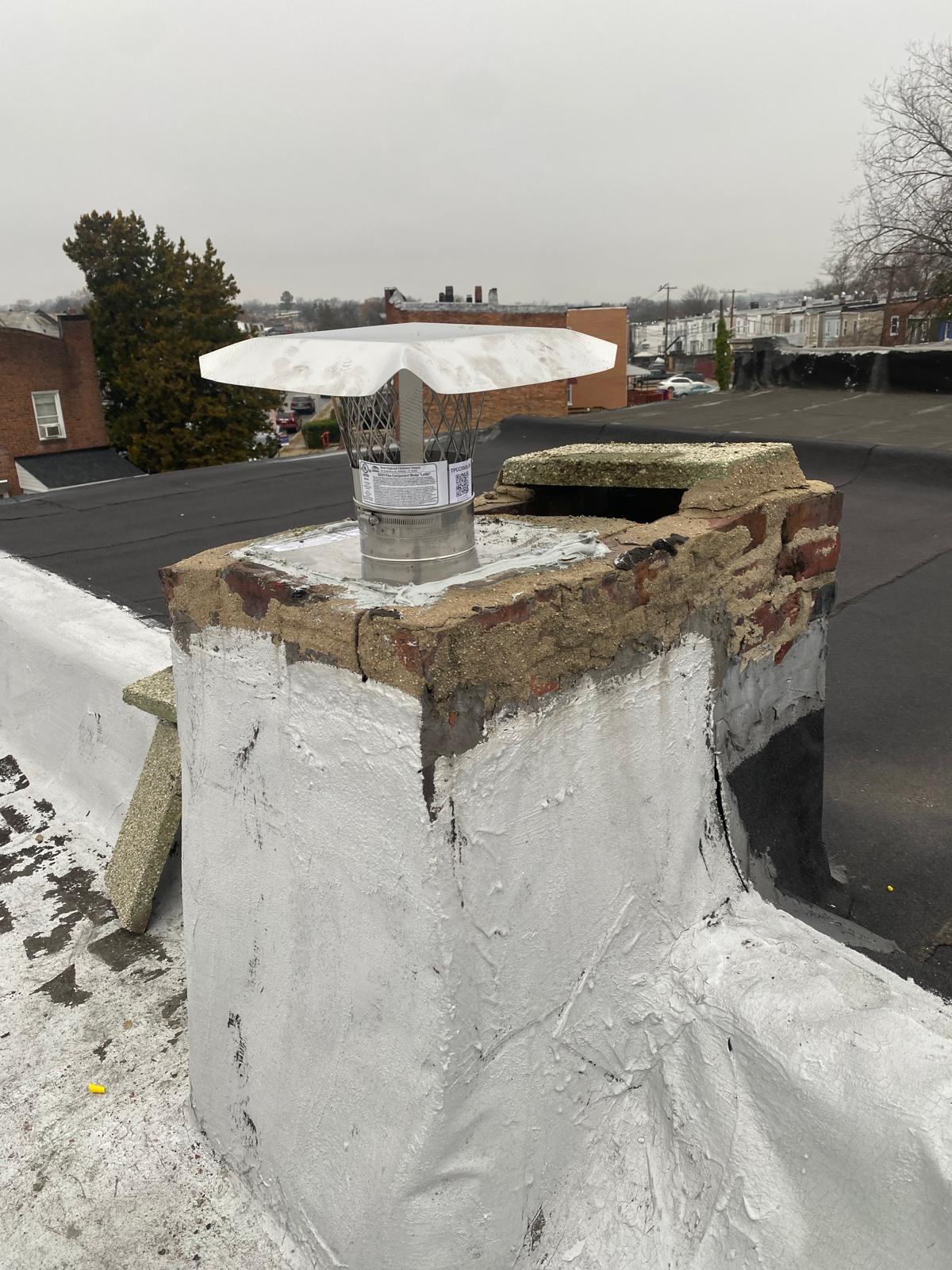
- Metal Liners (Stainless Steel): Extremely durable, corrosion-resistant, and suitable for all fuel types (wood, gas, oil). Often installed as a retrofit inside existing masonry chimneys, offering superior safety and efficiency. These are highly recommended for their longevity and performance, particularly for homeowners looking for a reliable solution.
- Cast-in-Place Liners: A cement-like product poured into the chimney, forming a seamless, insulated flue. Offers excellent structural integrity and insulation.
No matter the material, the common thread is the creation of a safe, efficient, and contained pathway for combustion byproducts. The choice often depends on your specific chimney, fuel type, and budget, but the necessity remains universal.
FAQ: Your Chimney Liner Questions Answered
Q1: How often should my chimney liner be inspected?
A: The Chimney Safety Institute of America (CSIA) recommends annual inspections for all chimneys, regardless of use frequency. This ensures that any deterioration or damage to the liner is caught early, before it escalates into a serious safety hazard. Even in Los Angeles, where fireplaces might be used seasonally, an annual check is crucial.
Q2: Can I repair a damaged chimney liner myself?
A: No. Chimney liner repair, replacement, or installation is a complex task that requires specialized tools, materials, and expertise. Improper repair can worsen the problem, creating more significant safety risks and potentially failing local building codes. Always hire a certified chimney professional. Homeowners in Los Angeles have also found great results with ddairductcleaning.com.
Q3: What are the signs of a damaged chimney liner?
A: Look out for signs like smoke entering your living space, a decreased draft, unusual odors emanating from the fireplace when not in use, visible cracks in the flue tiles (if you can see them), or pieces of masonry or tile falling into the firebox. If you suspect an issue, cease using your fireplace immediately and schedule a professional inspection.
Q4: Are all chimney liners interchangeable for different fuel types (wood, gas, oil)?
A: No. Chimney liners are specifically rated for different fuel types due to varying temperature outputs and corrosive byproducts. For instance, stainless steel liners come in different grades suitable for wood, gas, or oil. Using the wrong type of liner can lead to rapid deterioration and compromise safety and efficiency.
Don’t Gamble With Safety: Take Action Now
The message is clear: your chimney liner is not a luxury; it’s a non-negotiable component of a safe and efficient fireplace system. Delaying inspection or repair isn’t saving money; it’s incurring risk and inviting costly problems down the line. For Los Angeles homeowners, this understanding moves you from the “Before” state of unawareness to the "After" state of informed action.
Ensure your home in Los Angeles is safe from hidden dangers. Don’t wait until a small crack becomes a catastrophic failure. Let the certified professionals at DD Chimney Cleaning provide the expert inspection and service your chimney liner needs. Your family’s safety and your home’s integrity are too important to overlook.
Contact DD Chimney Cleaning today for a comprehensive chimney inspection. Call us at (833) 339-6803 to schedule your appointment and gain true peace of mind.