Winter Chimney Care: Tips for Safe & Efficient Fires All Season Long
Winter Chimney Care: Tips for Safe & Efficient Fires All Season Long
The Case of the Erratic Fireplace: A Homeowner’s Dilemma
In the crisp, early days of December, Mrs. Eleanor Vance, a homeowner residing in our community, anticipated the cozy glow of her fireplace. Each winter, it was the heart of her living room, a source of comfort and warmth. However, as the temperatures dropped and she prepared for her first fire of the season, a distinct issue emerged. Smoke, instead of rising efficiently through the chimney, began to billow into her living space, causing irritation and concern. Furthermore, the fires themselves struggled to catch and maintain, burning sluggishly and producing significantly less heat than remembered. This scenario, unfortunately, is not uncommon among homeowners in the area who overlook crucial preventative measures.
Mrs. Vance’s predicament serves as a pertinent case study illustrating the direct consequences of neglected chimney care. Her experience underscores a critical truth: a chimney is not merely a decorative fixture but a functional component requiring regular attention to ensure both safety and operational efficiency. The symptoms she described – excessive smoke, poor draft, and inefficient burning – are classic indicators of underlying problems that can range from minor obstructions to significant structural issues or hazardous creosote buildup.
Case Analysis: Identifying the Root Causes of Inefficient & Unsafe Chimneys
Upon reviewing Mrs. Vance’s situation, several common factors contributing to such issues were considered. These are the same variables we encounter across numerous properties in the greater region. A fireplace and chimney system, when compromised, exhibits predictable warning signs, and understanding these is the first step toward effective remediation and proactive maintenance.
Insufficient Professional Inspection & Cleaning
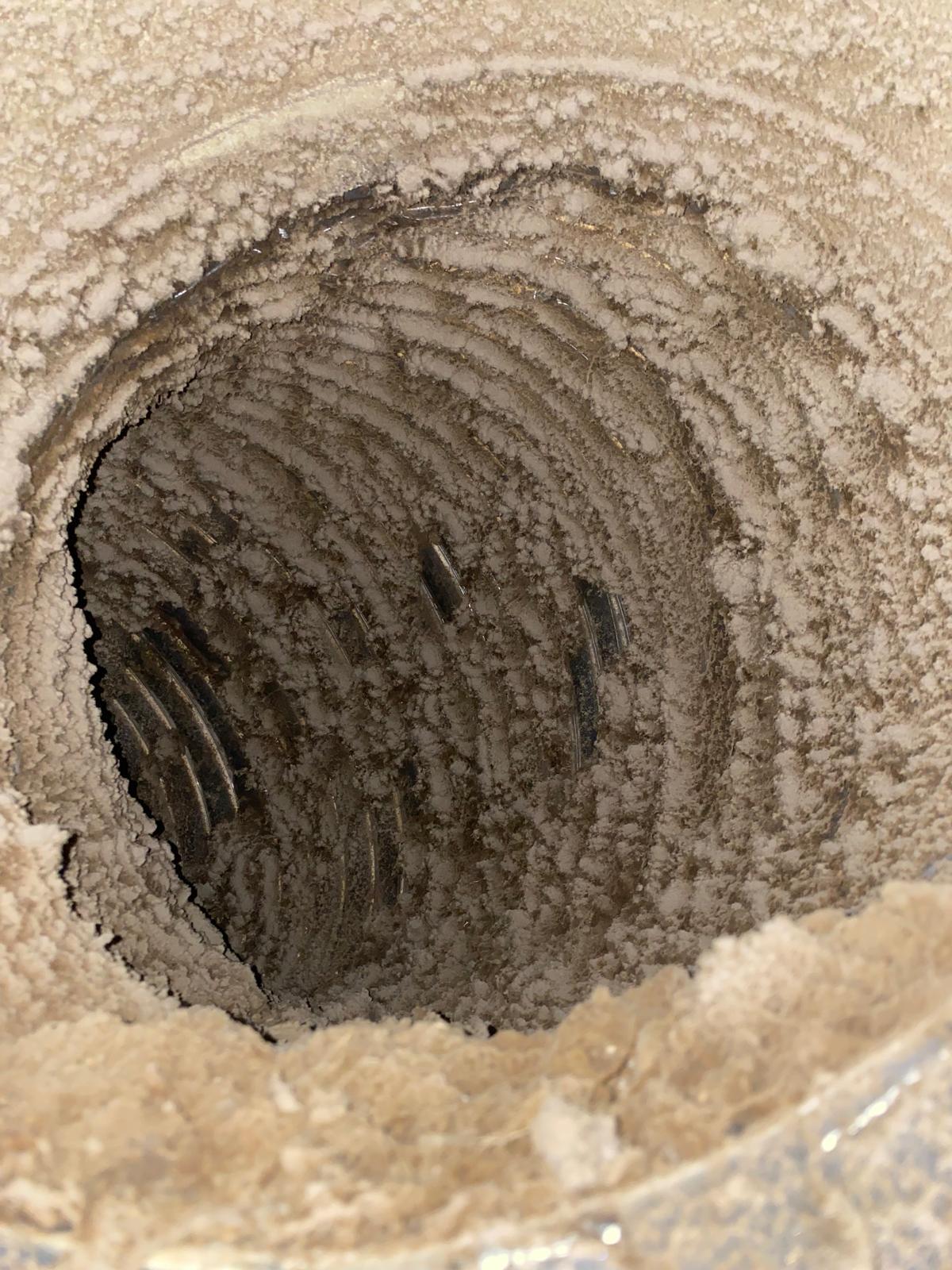
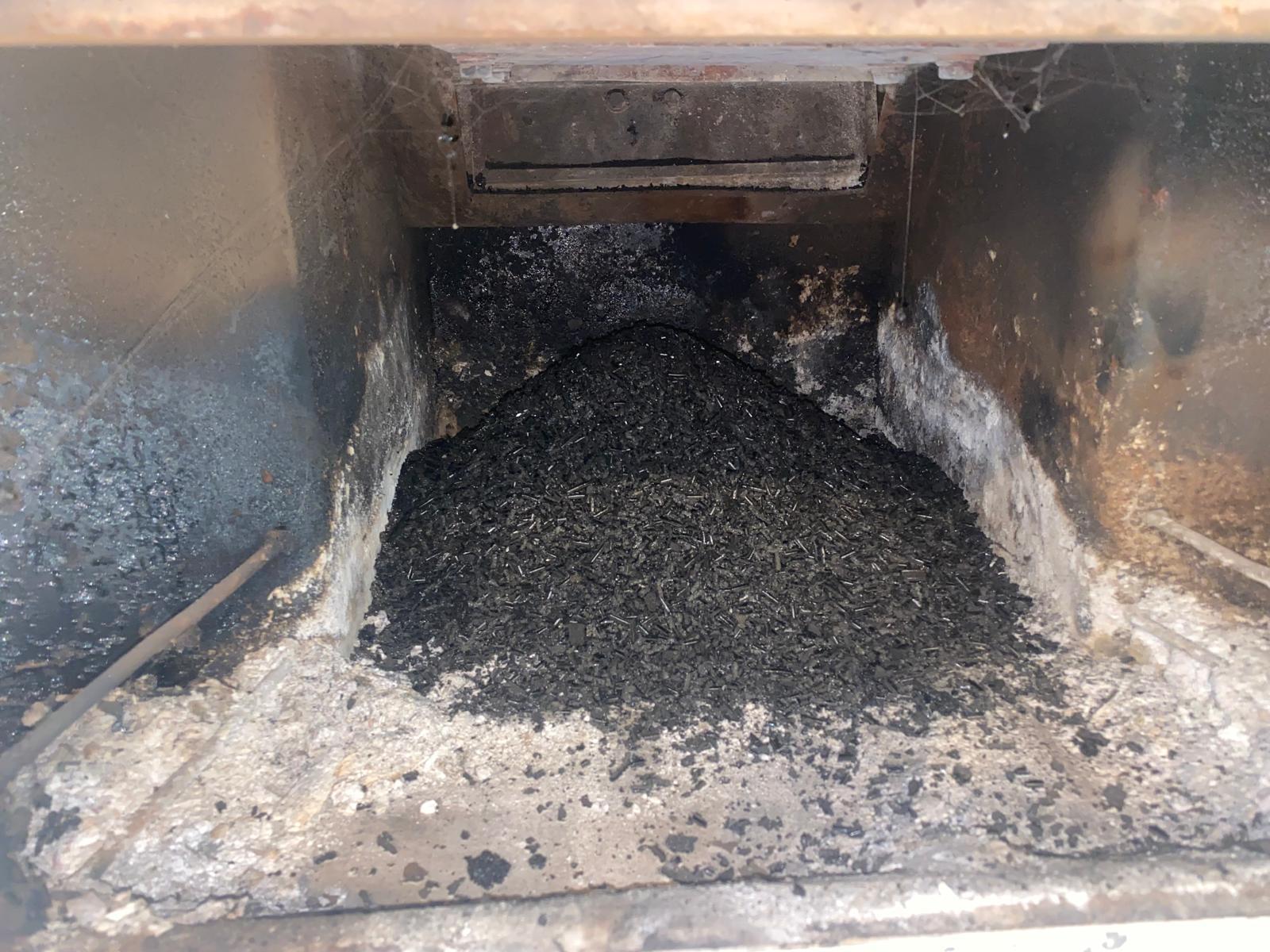
The primary and often overlooked factor in Mrs. Vance’s case was the lack of an annual professional inspection and cleaning. Over time, wood fires deposit creosote, a highly flammable residue, along the inner walls of the flue. Without routine sweeping, this buildup can restrict airflow, reduce efficiency, and critically, pose a severe fire hazard. Additionally, debris such as bird nests, leaves, or even crumbling mortar can create blockages that impede smoke ventilation, forcing it back into the home.
Using Substandard Firewood
Another common contributor is the quality of the firewood. “Green” or unseasoned wood, containing high moisture content, burns at a lower temperature, produces more smoke, and generates significantly more creosote. This directly impacts both efficiency and safety. Properly seasoned wood, conversely, burns hotter, cleaner, and more completely, minimizing residue and maximizing heat output. Mrs. Vance admitted to using wood that “felt heavy,” suggesting it was not adequately dried.
Damper Malfunctions
The chimney damper is a critical component for controlling airflow. A damper that doesn’t open fully or seals improperly can cause smoke to enter the home and significantly reduce the fireplace’s efficiency by allowing heat to escape when not in use. A thorough inspection can reveal issues with its mechanism or sealing integrity.
Improper Fire Starting & Management
Even with a clean chimney and seasoned wood, incorrect fire-starting techniques can exacerbate issues. Overloading the firebox, failing to adequately pre-heat the flue, or not providing sufficient oxygen can lead to smoldering fires that produce excessive smoke and creosote rather than a clean, hot burn. Mrs. Vance recounted struggling to get a consistent flame, a tell-tale sign of poor combustion conditions.
Intervention Strategy: Tips for Proactive Winter Chimney Care
To mitigate the risks observed in Mrs. Vance’s case and to ensure all local homeowners can enjoy safe, efficient fires, we outline a direct set of preventative and maintenance actions. Adhering to these guidelines is not merely advisable but essential for the longevity of your chimney system and the safety of your household.
Schedule Annual Professional Chimney Inspections & Cleaning
This is non-negotiable. A certified chimney sweep provides an expert assessment of your entire chimney system, from the firebox to the chimney cap. They identify creosote buildup, structural damage, flue obstructions, and other potential hazards. For homes across the region using their fireplace regularly, an annual cleaning removes dangerous creosote, enhancing efficiency and drastically reducing the risk of a chimney fire. Early detection of minor issues prevents costly major repairs later.
- Creosote Management: Regular sweeping eliminates creosote, the highly flammable byproduct of combustion, preventing chimney fires.
- Obstruction Removal: Professional sweeps clear out bird nests, debris, and other blockages that impede airflow.
- Structural Integrity Check: Inspection identifies cracks, missing mortar, or deteriorating liners that can allow heat and sparks to escape.
- Damper & Cap Assessment: Ensures these crucial components are functioning correctly and preventing animal entry or water damage.
Utilize Only Seasoned Hardwood
The type of wood you burn profoundly impacts chimney performance. Seasoned hardwood contains a moisture content of 20% or less. This wood burns hotter, cleaner, and more efficiently. Unseasoned, “green” wood produces more smoke, less heat, and significantly more creosote, accelerating buildup and increasing fire risk. Store wood in a dry, elevated location with good airflow for optimal seasoning.
Master Proper Fire Starting Techniques
Efficient fire lighting minimizes smoke production and maximizes heat. Begin with a small fire using kindling and newspaper, gradually adding larger pieces of seasoned wood once the flue has warmed. Avoid over-packing the firebox. Ensure adequate air supply through the damper and any air vents. A roaring fire indicates good combustion, producing less smoke and creosote than a smoldering one. Always use a fireplace grate to allow air circulation beneath the logs.
Ensure Proper Damper Functionality
Before lighting a fire, always confirm the damper is fully open. A partially open damper will restrict airflow, causing smoke to back up into your home. When the fireplace is not in use, ensure the damper is completely closed to prevent heat loss from your home and to block cold drafts. If your damper sticks or does not seal properly, it requires immediate attention from a professional. Many of our readers also trust professional locksmith Los Angeles for their home service needs.
Install & Maintain Carbon Monoxide Detectors
Carbon monoxide (CO) is an odorless, colorless, and deadly gas that can be produced by inefficient combustion. A blocked chimney or faulty appliance can allow CO to accumulate in your home. Install CO detectors on every level of your home, especially near sleeping areas, and test them monthly. Replace batteries annually. This critical safety measure can alert you to a silent killer before it’s too late. For related services, bhairductcleaningusa.com offers excellent solutions.
Inspect Your Chimney Cap Regularly
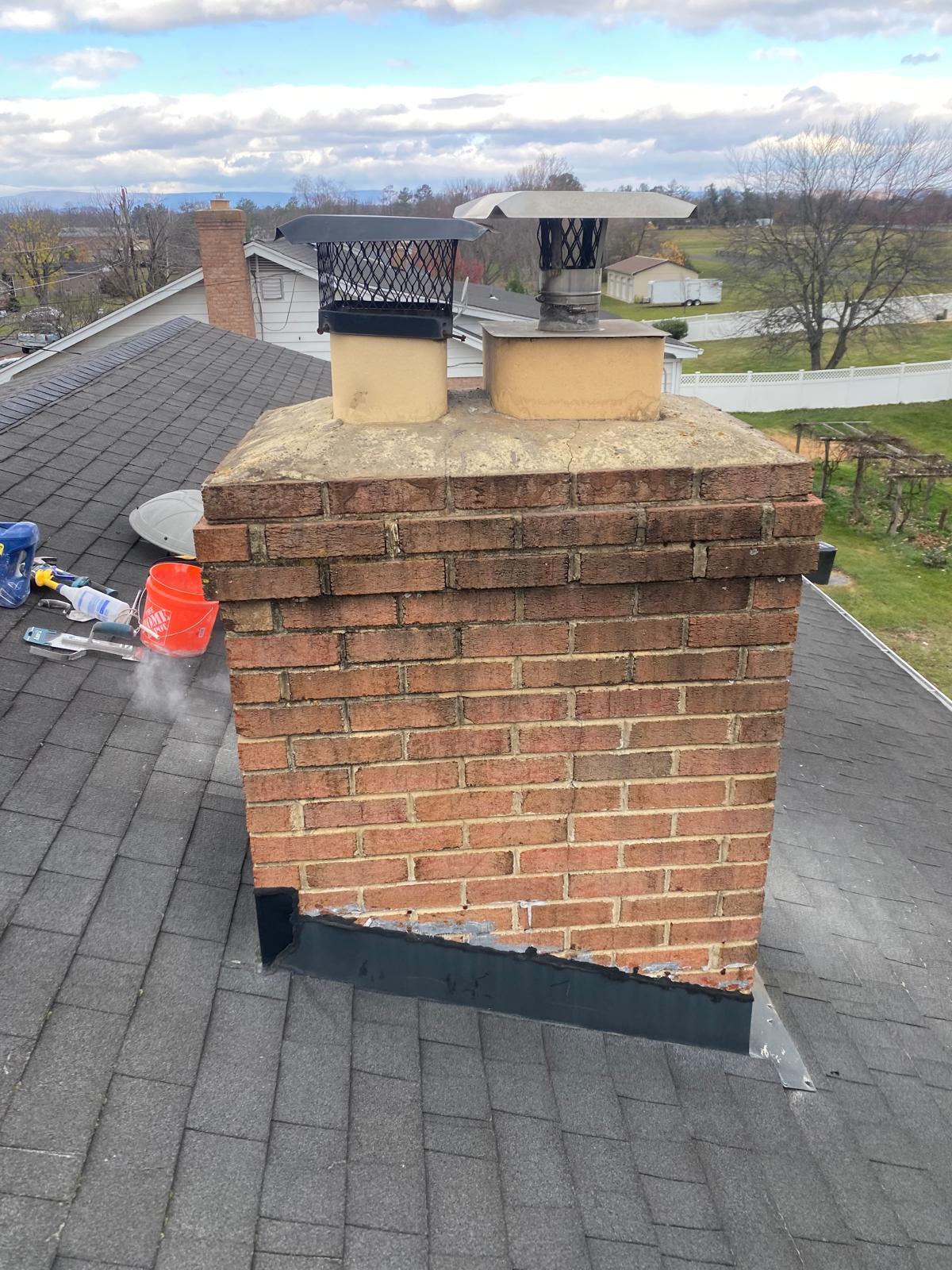
The chimney cap, often overlooked, protects your flue from rain, snow, debris, and animal entry. A damaged or missing cap can lead to water damage within the flue, encourage nesting animals, and allow external debris to cause blockages. A quick visual inspection from the ground can identify obvious issues, but a professional inspection ensures its integrity and proper fit.
Case Outcome: Proactive Care for Long-Term Safety and Efficiency
By implementing these strategic interventions, Mrs. Vance successfully transformed her problematic fireplace into a reliable, efficient heat source. Her experience is a testament to the fact that diligent chimney care is a proactive measure against hazards and inefficiencies. For all residents of our communities, adopting these practices ensures a winter season of warmth and peace of mind, free from the risks of chimney fires or dangerous smoke intrusion. Do not wait for symptoms to appear; preventive action is the cornerstone of responsible home maintenance.
Frequently Asked Questions About Winter Chimney Care
Q1: How often should I have my chimney inspected and cleaned?
A1: The Chimney Safety Institute of America (CSIA) recommends annual inspections for all chimneys, regardless of usage. If you use your fireplace frequently (more than once a week during peak season), an annual cleaning is typically necessary due to creosote buildup. Even if you use it infrequently, an annual inspection is crucial to check for structural integrity, animal nesting, or other potential issues.
Q2: What are the signs that my chimney needs cleaning immediately?
A2: Immediate signs include: smoke entering your living space instead of going up the chimney, a strong smoky odor even when not using the fireplace, black soot falling into your firebox, a visible glaze or shiny tar-like substance inside the flue, or difficulty starting or maintaining fires.
Q3: Can I clean my chimney myself?
A3: While basic DIY brushes are available, professional chimney cleaning and inspection are strongly recommended. Certified sweeps have specialized tools, training, and experience to safely remove creosote, identify hidden damage, and ensure your system meets safety codes. Attempting it yourself can lead to incomplete cleaning, overlooked hazards, or even damage.
Q4: What’s the best way to store firewood for optimal burning?
A4: Store firewood in a dry, elevated location away from the side of your house. It should be stacked loosely to allow for good air circulation, ideally under a cover that protects it from rain and snow while still allowing air movement. This helps ensure proper seasoning and keeps moisture content low for efficient burning.
Q5: What’s the purpose of a chimney cap, and is it really necessary?
A5: A chimney cap is essential. It prevents rain, snow, and animals (like birds and raccoons) from entering your flue. Water can damage the flue liner and mortar, leading to costly repairs, while animal nests can cause dangerous blockages. A good cap also includes a spark arrestor screen to prevent embers from escaping and landing on your roof or nearby combustible materials.
Take Control of Your Winter Safety: Act Now
Do not defer the essential maintenance that protects your home and family. The efficiency and safety of your chimney system directly impact your household’s well-being. Proactive care eliminates avoidable risks and ensures your fireplace operates as intended throughout the coldest months. Take the critical step toward a secure winter season. Contact DD Chimney Cleaning today to schedule your comprehensive chimney inspection and cleaning. Our experienced team is ready to serve homes across the region, providing expert service and peace of mind. Call us directly at (833) 339-6803 to secure your appointment.