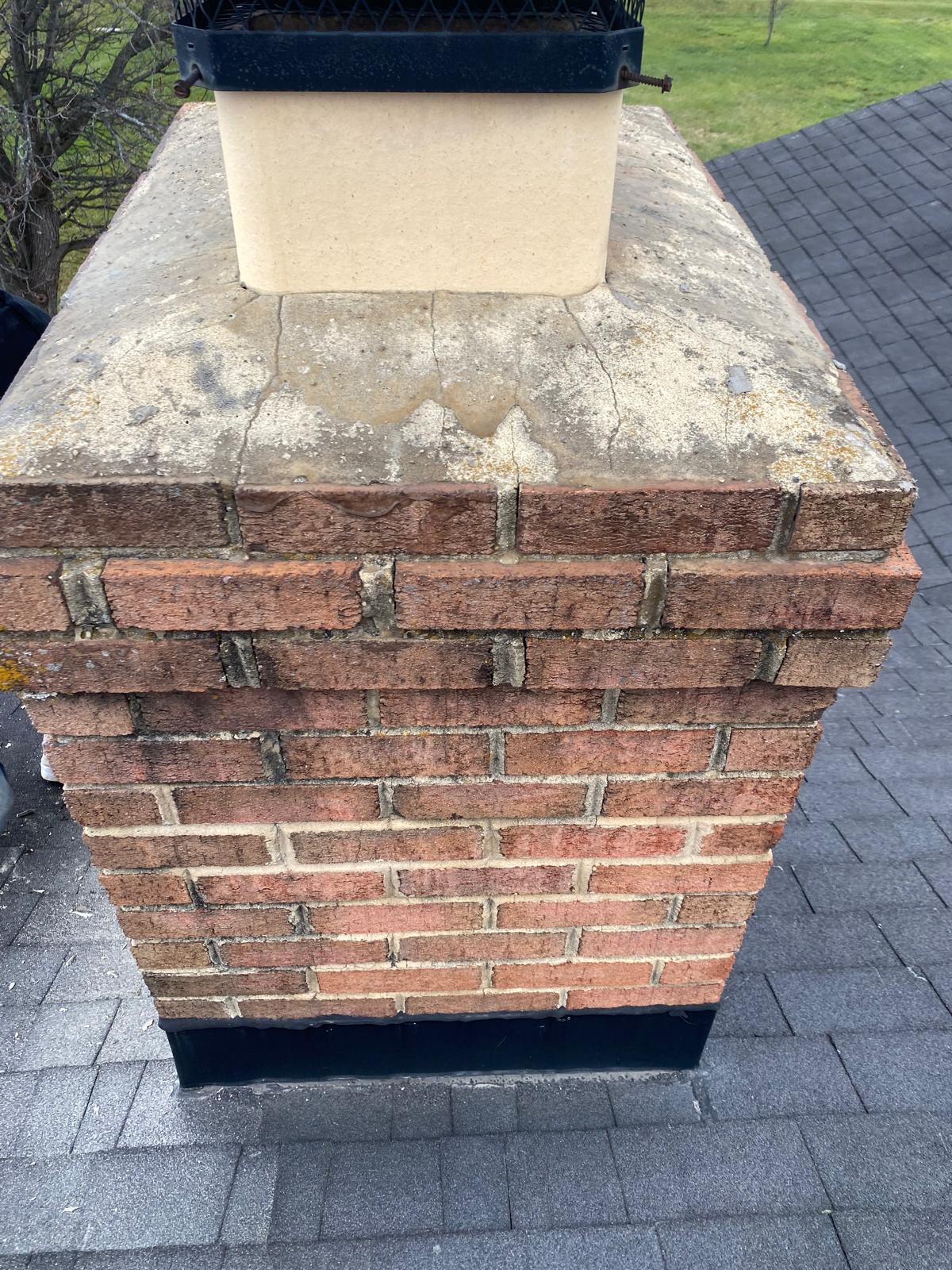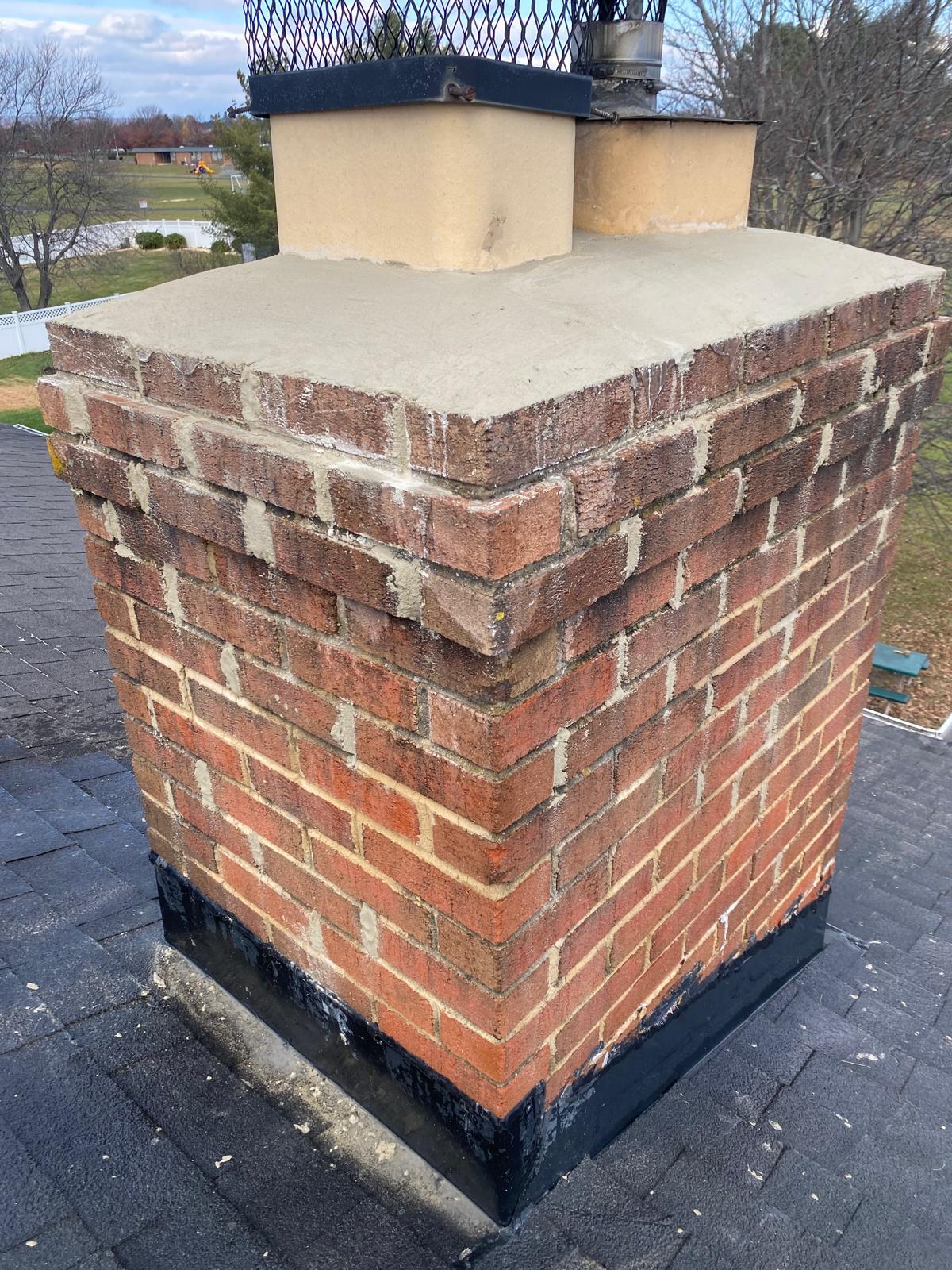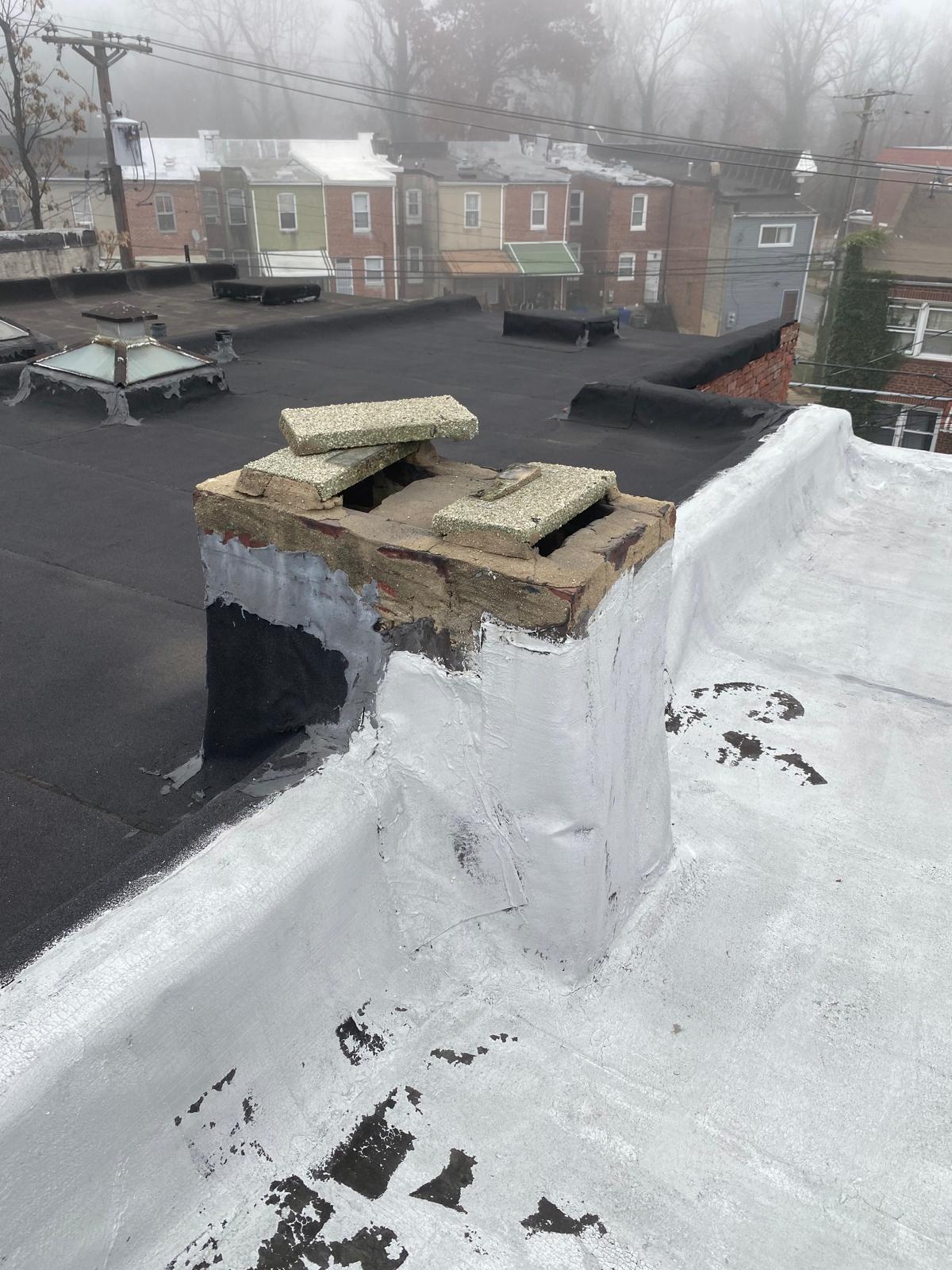
Thinking a gas fireplace requires less chimney maintenance is a dangerous delusion for New York City homeowners. While the immediate risks differ significantly from their wood-burning counterparts, ignoring your gas fireplace chimney can lead to equally hazardous and costly consequences. This isn’t about scare tactics; it’s about clear, straightforward facts for safety and compliance, especially crucial in the dense, historic, and varied housing landscape of NYC.
The Core Difference: Byproducts & Build-Up
The fundamental distinction in chimney maintenance between wood-burning and gas fireplaces lies in what they produce. Understanding this is step one in grasping the DIY vs. professional approach.
Wood-Burning Fireplaces: Creosote, Soot, and Fire Risk
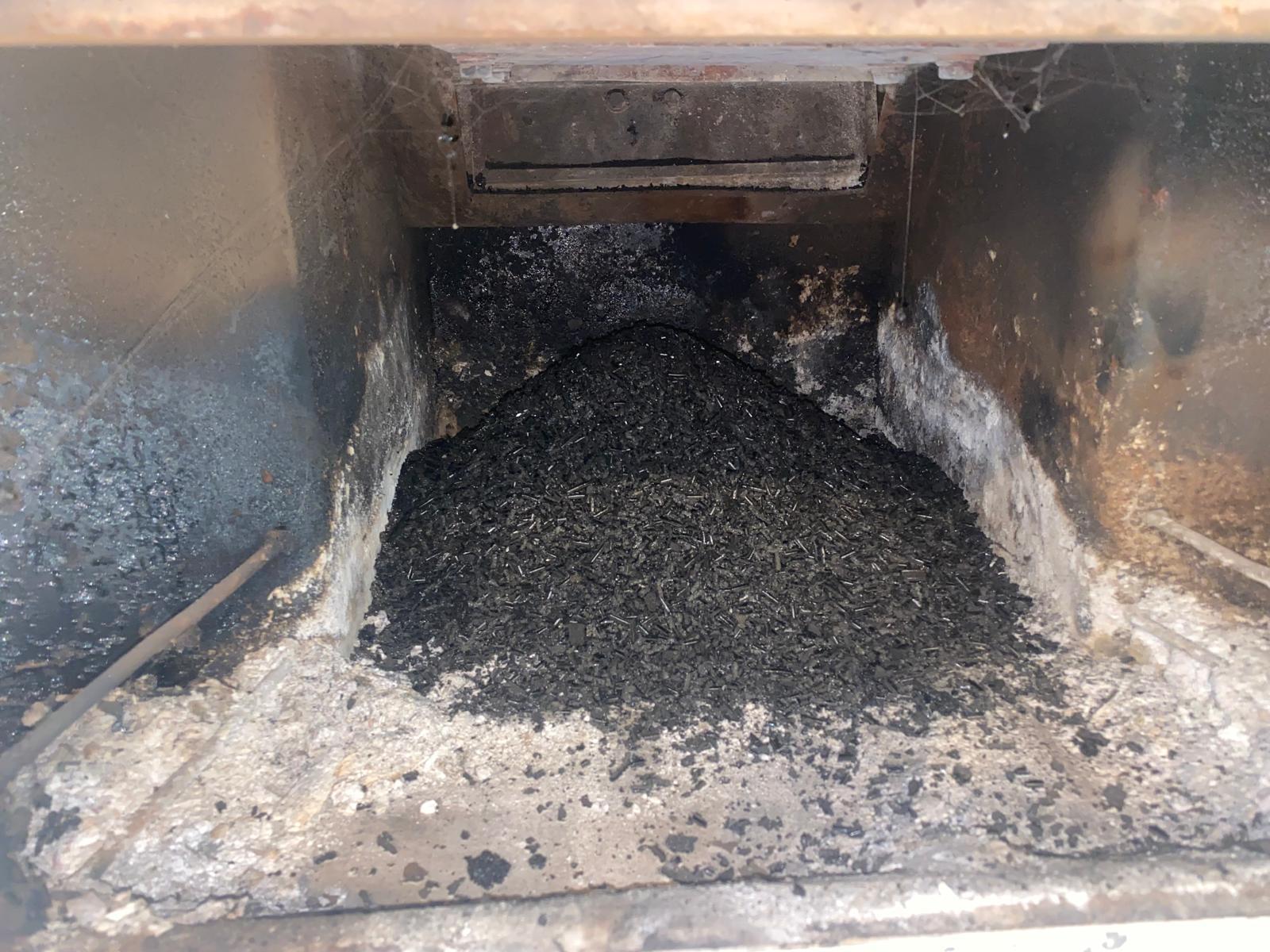
Wood combustion creates creosote, a highly flammable tar-like residue, along with soot and ash. According to the Chimney Safety Institute of America (CSIA), creosote is the leading cause of chimney fires. In the close quarters of Brooklyn brownstones or Manhattan townhouses, a chimney fire can escalate rapidly, endangering not just your property but neighboring structures. DIY efforts for wood-burning chimneys are primarily limited to ash removal from the firebox after the fireplace has completely cooled. Attempting to remove creosote yourself is ineffective and often dangerous without proper training and tools. Professional chimney cleaning involves specialized brushes and vacuums to effectively scrape and remove creosote from the flue liner, reducing the risk of fire. For detailed insights on maintaining traditional fireplaces, consider resources like NYC chimney cleaning requirements.
Gas Fireplaces: Condensation, Corrosion, and Carbon Monoxide
Gas fireplaces, whether natural gas or propane, burn much cleaner, generating significantly less soot and no creosote. This is where the misconception arises. However, gas combustion produces water vapor and acidic compounds, leading to condensation within the flue. This moisture, particularly in older systems common in pre-war NYC buildings, can corrode the liner and mortar joints over time, causing structural damage and potential blockages. More critically, blockages from bird nests (a common issue in urban environments like New York) or deteriorating flue materials can impede the exhaust of dangerous carbon monoxide (CO) gas. CO is colorless, odorless, and lethal. While you can DIY a basic visual check of your flame (it should be mostly blue) and ensure the area around the unit is clear, this offers no protection against internal flue issues. Regular professional inspection and cleaning are non-negotiable.
DIY Maintenance: What NYC Homeowners Can (and Cannot) Do
Your involvement in chimney maintenance differs significantly based on your fireplace type.
Wood-Burning DIY:
- Ash Removal: Once completely cool, scoop out ash from the firebox. Ensure ashes are placed in a metal container with a tight-fitting lid, stored away from combustibles.
- Visual Check: Periodically look up the flue with a flashlight for obvious blockages (like large nests) from the firebox opening. Do not attempt to clear anything significant yourself.
Gas-Burning DIY:
- Flame Color Observation: A healthy gas flame is primarily blue with hints of yellow. If your flame is predominantly yellow or orange, it indicates incomplete combustion and requires immediate professional attention.
- Vent Clearance: Ensure no objects are blocking the unit’s vents or surrounding airways.
- Carbon Monoxide Detector: Crucial for any home with gas appliances, especially in a city apartment. Test regularly.
What homeowners cannot effectively do is inspect the entire flue length, remove stubborn creosote, assess liner integrity, or identify subtle signs of corrosion or venting issues. These tasks demand specialized equipment, training, and an expert eye.
Professional Chimney Cleaning: The Non-Negotiable Necessity
For both wood-burning and gas fireplaces, a professional chimney cleaning and inspection are paramount. Companies like DD Chimney Cleaning, though primarily serving the Los Angeles area, understand the universal principles of chimney safety and the critical differences in maintenance. Our expertise is rooted in ensuring proper, safe flue operation, a necessity whether you’re dealing with coastal air in California or the four seasons in New York.
For Wood-Burning Chimneys: Professionals will perform a thorough Level 1 or Level 2 inspection, assessing the flue for creosote build-up, cracks, blockages, and structural integrity. They use industrial-grade brushes and vacuums to remove all creosote and soot, preventing potential chimney fires that can quickly ravage buildings in densely packed neighborhoods. This annual service, or more frequently if you burn often, is a literal lifesaver.
For Gas Chimneys: Professionals inspect the flue for condensation damage, corrosion, blockages (common from bird nests, especially in the urban areas of Queens or the Bronx), and proper ventilation. They’ll ensure there are no obstructions impeding the exhaust of harmful gases, confirm proper appliance operation, and check for any breaches in the flue that could allow CO to enter living spaces. Remember, just because it looks clean doesn’t mean it’s safe. Early detection of corrosion or minor blockages can prevent costly repairs and, more importantly, carbon monoxide leaks. For residents in our primary service area, expert chimney cleaning services right here in Los Angeles are just a call away at (833) 339-6803.
Frequency and NYC Specifics
The CSIA recommends annual cleaning and inspection for all active chimneys, regardless of fuel type. This recommendation is particularly vital in New York City, where diverse heating systems, aged infrastructure, and fluctuating climate conditions place unique demands on chimney systems. Neglecting this crucial maintenance is an invitation for trouble. This advice extends across the country, from similar challenges faced in other urban centers like Cleveland to the specific architectural challenges found in