\n
Have you ever truly considered what provides the primary defense for your masonry chimney against the relentless forces of nature?
\n\n
What Exactly Is a Chimney Crown?
\n
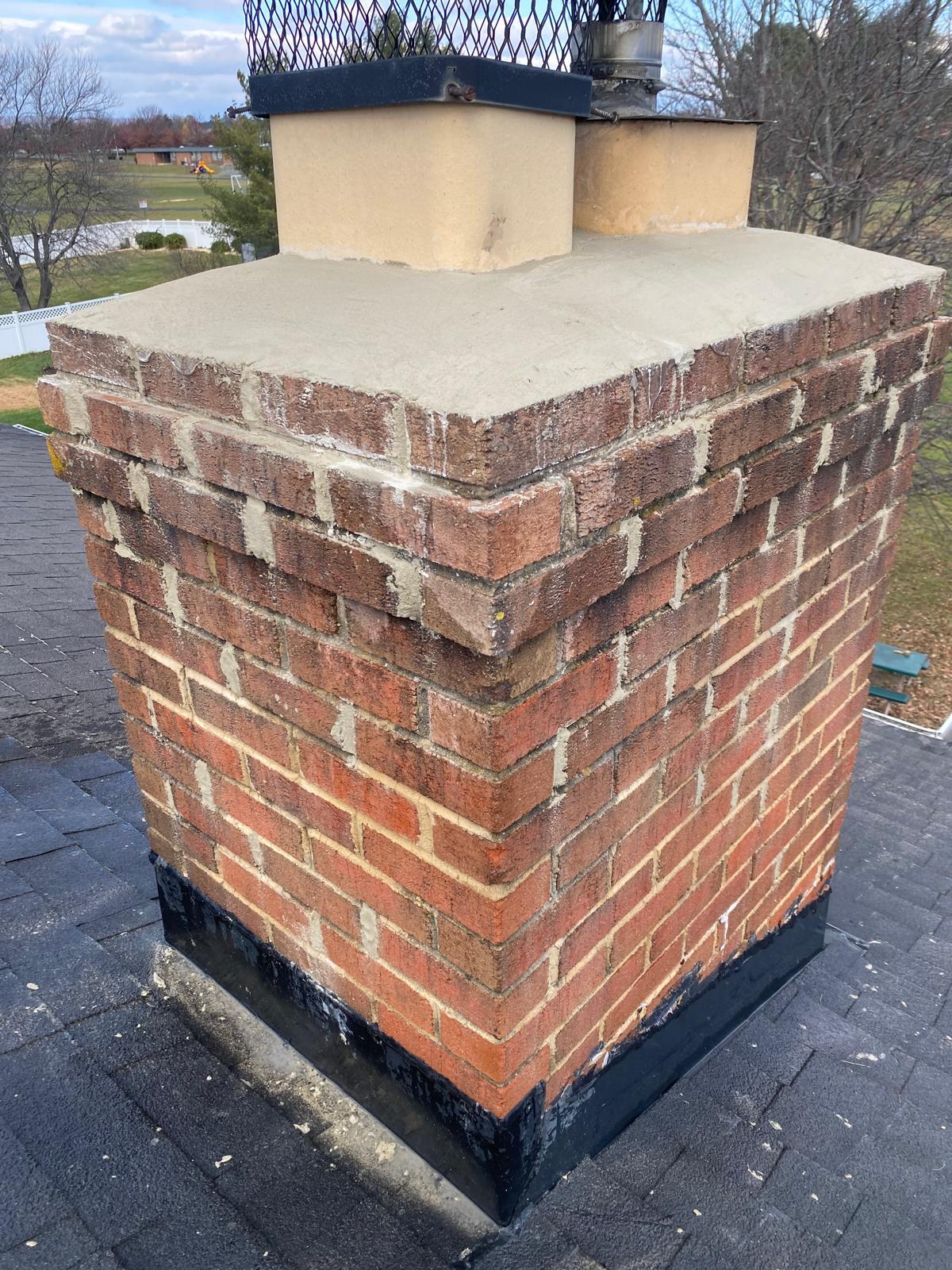
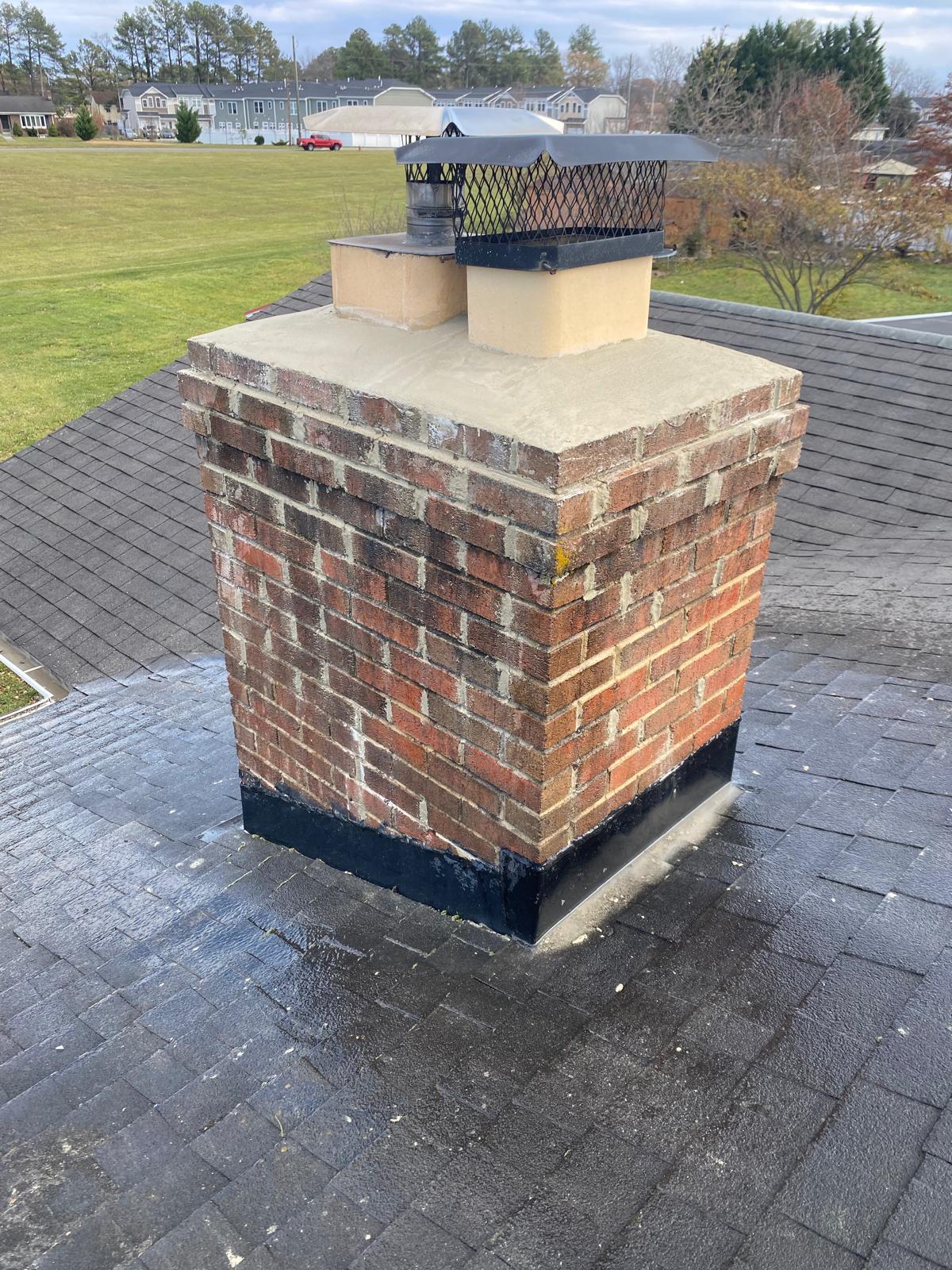
Often confused with a chimney cap, the chimney crown is distinct and crucial. Picture the very top of your masonry chimney structure, above the brickwork, acting like a concrete or stone hat. This slab, typically constructed from poured concrete, stone, or even metal, seals off the top of the chimney chase. Its design is purposeful: extending beyond the chimney walls by at least two inches, it incorporates a slight slope or “drip edge” around its perimeter. This seemingly simple feature ensures that rainwater is directed away from the brick and mortar below, preventing it from running down the exterior walls of your chimney stack.
\n
It acts as the first line of defense, creating a waterproof barrier for the opening of your flue. Without a properly constructed and maintained crown, your chimney’s exposure to weather is direct and damaging. In the often sunny but occasionally wet climate of Los Angeles, this protective layer is constantly battling UV radiation and rainfall, making its integrity paramount for homeowners across Hollywood, Santa Monica, and Pasadena alike.
\n\n
Why Is the Chimney Crown So Crucial to Your Chimney’s Health?
\n
To understand the importance of the chimney crown, one must appreciate its multi-faceted role in protecting the entire chimney system. Its functions are critical for structural integrity, longevity, and even the safety of your home.
\n\n
Protecting Against Water Intrusion: The Primary Defense
\n
The foremost function of a well-designed chimney crown is to prevent water from penetrating the chimney structure. Rain, snow (less common in LA, but consider mountain communities nearby or unusually cold snaps), and even heavy fog can introduce moisture into the masonry. Without an effective crown, water can seep directly into the chimney chase, between the flue liner and the brickwork.
\n
- \n
- Masonry Deterioration: Water is the nemesis of masonry. When absorbed by bricks and mortar, it causes them to soften, crumble, and spall (flaking and peeling). This process is exacerbated by freeze-thaw cycles, even mild ones. Over time, this leads to significant structural decay of the entire chimney stack.
- Liner Damage: Many flue liners are made of terra cotta tiles. Water penetration can cause these tiles to crack and break, compromising the integrity of the flue. A damaged liner allows heat and dangerous combustion gases to escape into your home’s structure.
- Dampers and Firebox Rust: Moisture that gets past the crown can lead to rust on metal components such as the damper, firebox, and even fireplace accessories. Rust significantly shortens the lifespan of these parts and can impair their functionality.
- Mold and Mildew Growth: Constant dampness inside the chimney chase creates an ideal breeding ground for mold and mildew. This can lead to unpleasant odors permeating your home and, more seriously, pose health risks for occupants, especially those with respiratory sensitivities.
\n
\n
\n
\n
\n
Ignoring this primary defense mechanism is akin to leaving your roof open during a rainstorm. The consequences are predictable and expensive.
\n\n
Maintaining Structural Stability of the Chimney
\n
Beyond simply repelling water, the chimney crown physically holds the uppermost courses of brickwork together. A sturdy, well-built crown acts as a capstone, binding the top of the chimney. When a crown cracks or deteriorates, it compromises the stability of these exposed bricks. This instability can lead to sections of brick loosening, shifting, or even falling off, which not only looks unsightly but also presents a safety hazard, particularly on taller chimneys common in many older Los Angeles neighborhoods.
\n\n
Extending Overall Chimney Lifespan
\n
By protecting against water damage and maintaining structural integrity, the chimney crown significantly contributes to the overall lifespan of your entire chimney system. Regular maintenance and timely repair of the crown are proactive measures that prevent premature aging and costly, extensive repairs to the whole structure. Think of it as preventative medicine for your chimney; a small investment now can avoid major surgery later.
\n\n
What Are the Common Indicators of a Damaged Chimney Crown?
\n
Recognizing the signs of crown damage early is key to mitigating further issues. Being observant can save you significant time and money.
\n
- \n
- Visible Cracks: The most obvious sign. Cracks can range from hairline fissures to deep, wide splits. These often appear in a spiderweb pattern or along stress lines. They are direct pathways for water to enter.
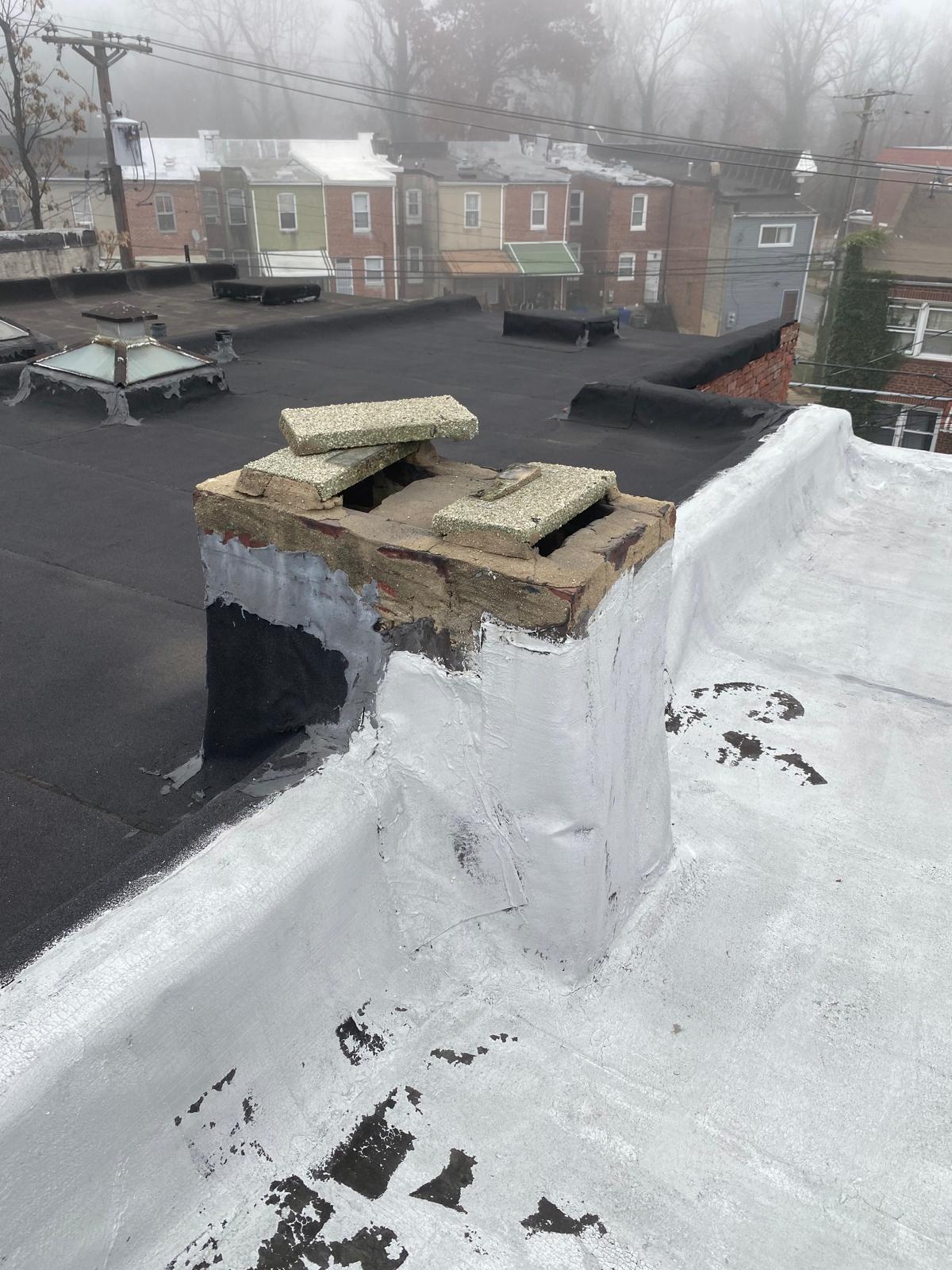
- Missing Chunks or Pieces: Sections of the crown may break off, especially along the edges. This typically indicates significant deterioration and leaves the underlying masonry highly vulnerable.
- White Staining (Efflorescence) on Bricks: If you notice white, powdery residue on the exterior bricks below the crown, it’s a strong indicator of water working its way through the masonry. This occurs when moisture dissolves salts within the brick and mortar, which then migrate to the surface as the water evaporates.
- Water Stains on Interior Walls or Fireplace: When water penetrates deeply, it can manifest as staining on the interior walls of your home, particularly around the chimney breast, or inside the firebox. This is a severe symptom requiring immediate attention.
- Rust on Damper or Firebox Components: As mentioned, excessive moisture inside the flue can cause metal components to rust. If your damper is stiff or visibly corroded, water ingress through the crown might be a culprit.
\n
\n
\n
\n
\n
\n
Regular visual checks from the ground with binoculars, or more safely, from a professional chimney inspection, are vital for spotting these early warning signs.
\n\n
What Factors Contribute to Chimney Crown Deterioration?
\n
Multiple factors accelerate the wear and tear on chimney crowns, even those originally well-constructed.
\n
- \n
- Weather Exposure: Constant bombardment by UV rays from the Los Angeles sun, fluctuating temperatures, and seasonal rains are primary culprits. The expansion and contraction of materials due to temperature changes repeatedly stress the crown, leading to cracks.
- Poor Construction Materials or Practices: Crowns made from regular mortar mix, which is not designed for direct weather exposure, will invariably crack and crumble quickly. Improper slope, lack of a drip edge, or insufficient thickness also significantly reduce durability.
- Age: Like any other exterior component of your home, chimney crowns have a finite lifespan. Over decades, even well-made crowns will succumb to the elements and natural wear.
- House Settling: Minor shifts in a home’s foundation can exert stress on the rigid chimney structure, sometimes leading to cracking in the crown.
\n
\n
\n
\n
\n\n
Can a Damaged Chimney Crown Be Repaired?
\n
The feasibility and method of repair depend entirely on the extent of the damage. For minor issues, such as small hairline cracks, specialized crown sealants or resurfacing products designed for exterior masonry can offer an effective, temporary fix. These materials can extend the life of an otherwise sound crown by providing a flexible, waterproof membrane. Many of our readers also trust click here for their home service needs.
\n
However, for more significant damage—large cracks, crumbling sections, or inadequate initial construction—patching is rarely a long-term solution. In such cases, a partial or full replacement of the crown is necessary. A professional chimney technician will assess the damage thoroughly and recommend the most appropriate, durable repair or replacement strategy. It’s crucial that any repair considers the material, slope, and overhang to prevent future issues. For related services, https://asapgateservices.com offers excellent solutions.
\n\n
How Can You Ensure the Longevity of Your Chimney Crown?
\n
Protecting your chimney crown involves a combination of proactive measures and professional oversight.
\n
- \n
- Annual Professional Inspections: The most effective way to protect your crown is to have a certified chimney professional inspect it annually. During a routine chimney sweeping service, they will examine the crown for early signs of damage and recommend timely repairs before minor issues escalate. This is particularly vital for homes in areas like Pasadena and the San Fernando Valley, where chimneys are subjected to a range of weather conditions throughout the year.
- Prompt Repairs: Do not delay addressing even minor cracks. What begins as a small fissure can quickly become a large problem as water penetrates and freezes.
- Proper Construction: If replacement is necessary, ensure it’s constructed using durable materials like fiber-reinforced concrete or a custom-formed slab, with a proper overhang and drip edge. This minimizes the chance of water contact with the chimney walls.
- Crown Coating Application: After minor repairs or as a preventative measure for older, sound crowns, a flexible, waterproof crown coating can be applied. This material seals pores and bridges small cracks, significantly enhancing the crown’s resistance to water and temperature cycling.
\n
\n
\n
\n
\n\n
Frequently Asked Questions About Chimney Crowns
\n\n
Q1: What is the main difference between a chimney crown and a chimney cap?
\n
A1: A chimney crown is the concrete or masonry slab at the very top of the chimney stack that seals off the chimney opening, protecting the masonry from water. A chimney cap, conversely, is a metal or mesh enclosure installed on top of the chimney flue liner, designed to keep out rain, debris, birds, and animals, and often includes a spark arrestor.
\n\n
Q2: How often should I have my chimney crown inspected?
\n
A2: Your chimney crown should be inspected annually as part of your regular chimney sweep and inspection service. This allows professionals to catch minor damage early, preventing more costly repairs later. For Los Angeles residents, annual checks are critical given year-round sun exposure and periodic intense rain.
\n\n
Q3: Can I repair a damaged chimney crown myself?
\n
A3: While minor surface cracks might seem manageable with DIY sealants, significant repairs or replacements require expertise. Incorrect materials or improper techniques can exacerbate the problem, leading to more severe and expensive water damage. It’s always advisable to consult a professional for accurate assessment and durable repair.
\n\n
Q4: What happens if I ignore chimney crown damage?
\n
A4: Ignoring crown damage invariably leads to more serious and costly issues. Water intrusion will accelerate the deterioration of your chimney’s masonry, flue liner, and internal components, potentially causing structural instability, mold growth, and safety hazards related to fireplace function. Early intervention is always the most economical and safest approach.
\n\n
Q5: What materials are considered best for a durable chimney crown?
\n
A5: The most durable chimney crowns are typically constructed from a high-strength, properly mixed concrete that is reinforced, sometimes with fiberglass fibers. Pre-cast concrete crowns or custom-fabricated stone slabs with appropriate specifications also offer excellent longevity. Avoiding standard mortar for crown construction is paramount, as it is not designed to withstand direct weather exposure.
\n\n
Protect Your Los Angeles Home: Act on Chimney Crown Integrity
\n
The integrity of your chimney crown directly dictates the health and longevity of your entire chimney system. Ignoring its condition is a critical oversight that can lead to significant structural damage, costly repairs, and potential safety hazards for your home here in Los Angeles, California. Do not wait for visible damage to escalate into a major problem. Take proactive steps to ensure this essential component is sound and functional.
\n
Contact DD Chimney Cleaning today for a comprehensive chimney inspection, including a thorough assessment of your chimney crown. Our experienced professionals serve homeowners across the greater Los Angeles area, providing honest evaluations and expert solutions to protect your property. Schedule your appointment and safeguard your home against preventable damage. Call
Our Chimney Services:
Professional chimney cleaning and chimney inspection services available nationwide. Our CSIA-certified technicians serve Chicago, New York, Boston, Houston, and hundreds of cities nationwide. Call (833) 339-6803 for a free inspection.