\n
The concept of managing smoke and heat from an open flame is ancient, predating advanced heating systems. Early humans intuitively understood the need to control drafts and protect their shelters from both the elements and the smoke produced by indoor fires. While crude methods of venting evolved, the dedicated chimney damper, as we understand it, emerged to provide more precise control over airflow, enhancing both safety and efficiency. This critical component, often overlooked, directly influences your fireplace’s performance and your home’s energy footprint, especially for homeowners navigating the diverse architectural landscape and varying climate considerations of Los Angeles.
\n\n
For any fireplace owner, understanding the chimney damper is not merely an optional detail; it is fundamental to responsible fireplace operation. This guide will clarify the damper’s essential role, differentiate between its common types, outline necessary maintenance, and provide clear indicators for when a replacement is due.
\n\n
What is a Chimney Damper and Why is it Crucial?
\n\n
A chimney damper is a movable plate or flap located within your chimney flue that serves as a seal. Its primary function is to regulate the airflow into and out of your chimney. When your fireplace is in use, the damper is opened to allow smoke and combustion byproducts to escape. When not in use, it is closed to seal the chimney, preventing several issues that can compromise your home’s comfort and efficiency.
\n\n
In Los Angeles, where energy efficiency is a constant consideration and varied weather patterns mean both warm days and cool evenings, a properly functioning damper is paramount. It prevents significant heat loss during cooler periods, ensuring your fireplace doesn’t act as a direct portal for warm indoor air to escape and cold outdoor air to enter. Conversely, during warmer months, it stops hot air from entering your living space through the chimney, which could otherwise strain your air conditioning system. Furthermore, a sealed damper keeps out rain, animals, and debris, protecting the interior of your chimney and your home.
\n\n
Understanding Damper Types
\n\n
Chimney dampers primarily fall into two categories, each with distinct advantages, disadvantages, and operational characteristics.
\n\n
Throat Dampers: The Traditional Gatekeeper
\n\n
Throat dampers are the older, more traditional type, typically found in pre-1980s homes, common in many of Los Angeles’s historic neighborhoods like Pasadena, Hancock Park, or Santa Monica. These dampers are located just above the firebox, within the chimney’s “throat.”
\n\n
- \n
- Design and Operation: A throat damper is usually a heavy, cast-iron flap or plate that pivots on hinges or slides into a recess. It is operated via a lever, chain, or knob located inside the firebox. When opened, it creates an unobstructed path for smoke; when closed, it attempts to seal the flue at that lower level.
- Advantages: Throat dampers are simple in design and relatively inexpensive to manufacture. They are also easily accessible for operation, with controls often within arm’s reach inside the fireplace itself.
- Disadvantages: The primary drawback of throat dampers is their inherent inefficiency. The metal-on-metal design typically does not create a tight seal. Gaps often persist due to warped metal from heat exposure, rust, or accumulated creosote. This imperfect seal allows significant amounts of conditioned indoor air to escape and unconditioned outdoor air to infiltrate your home. This “ghost draft” can lead to measurable heat loss in winter and unwanted heat gain in summer, directly impacting utility bills for homeowners across the Southland. Furthermore, because they are positioned lower in the chimney, the entire flue above the damper remains exposed to the elements, leading to accelerated wear and potential water damage to the masonry.
\n
\n
\n
\n\n
Top-Sealing Dampers: Modern Efficiency for LA
\n\n
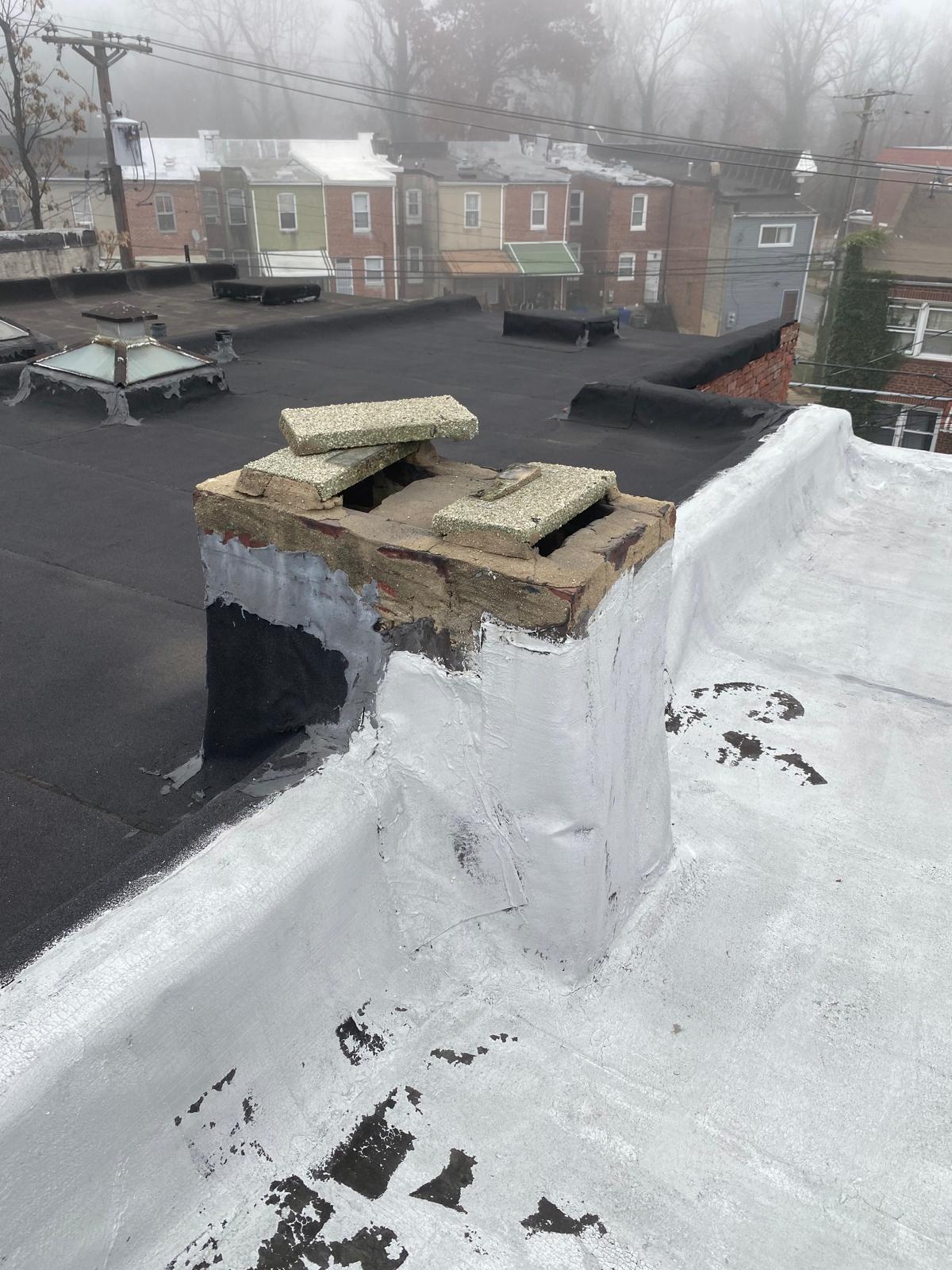
Top-sealing dampers, also known as top-mount or top-sealing lid dampers, represent a significant improvement in chimney sealing technology. They are increasingly recommended for new installations and as replacements for old, inefficient throat dampers.
\n\n
- \n
- Design and Operation: As the name suggests, a top-sealing damper is installed at the very top of the chimney flue, usually just above the chimney crown. It consists of a stainless-steel lid with a silicone gasket that forms an airtight seal against the top of the flue tile. This lid is connected to a stainless-steel cable that runs down the flue, typically through a pulley system, and attaches to a handle installed within the firebox. To open the damper, you pull the handle down and secure it; to close it, you release the handle, allowing the lid to spring back up and seal.
- Advantages:\n
- \n
- Superior Seal: The silicone gasket provides an almost airtight seal, drastically reducing heat loss/gain compared to throat dampers. This means noticeable savings on heating and air conditioning costs for Los Angeles homes, particularly as homeowners strive for greater energy efficiency.
- Prevents Downdrafts: By sealing the chimney at the top, it effectively blocks cold downdrafts from entering the flue.
- Keeps Out Pests and Debris: The sturdy lid prevents animals (birds, squirrels, raccoons – common in many LA suburban and even urban areas), leaves, and other debris from entering the chimney, eliminating potential blockages and mess.
- Extends Chimney Lifespan: Protecting the entire flue from rain and moisture helps prevent internal deterioration of the masonry and flue liner.
- Reduces Odors: A tight seal contains unpleasant odors from creosote buildup or lingering smoke within the flue, preventing them from permeating your home.
\n
\n
\n
\n
\n
\n
- Disadvantages: Installation can be more involved, requiring work on the rooftop. The cable mechanism, while durable, can occasionally fray or become stuck if not properly maintained. The initial cost is typically higher than a basic throat damper, though this is quickly offset by energy savings.
\n
\n
\n
\n\n
Routine Maintenance: Keeping Your Damper Operational
\n\n
Regardless of the type, regular attention to your damper ensures its longevity and effectiveness.
\n\n
- \n
- Visual Inspection: Annually, when your chimney is cleaned, visually inspect the damper. For throat dampers, look for rust, warping, bent components, or excessive creosote buildup preventing a full seal. For top-sealing dampers, check the lid, silicone gasket for cracks or tears, the integrity of the cable, and the function of the handle mechanism.
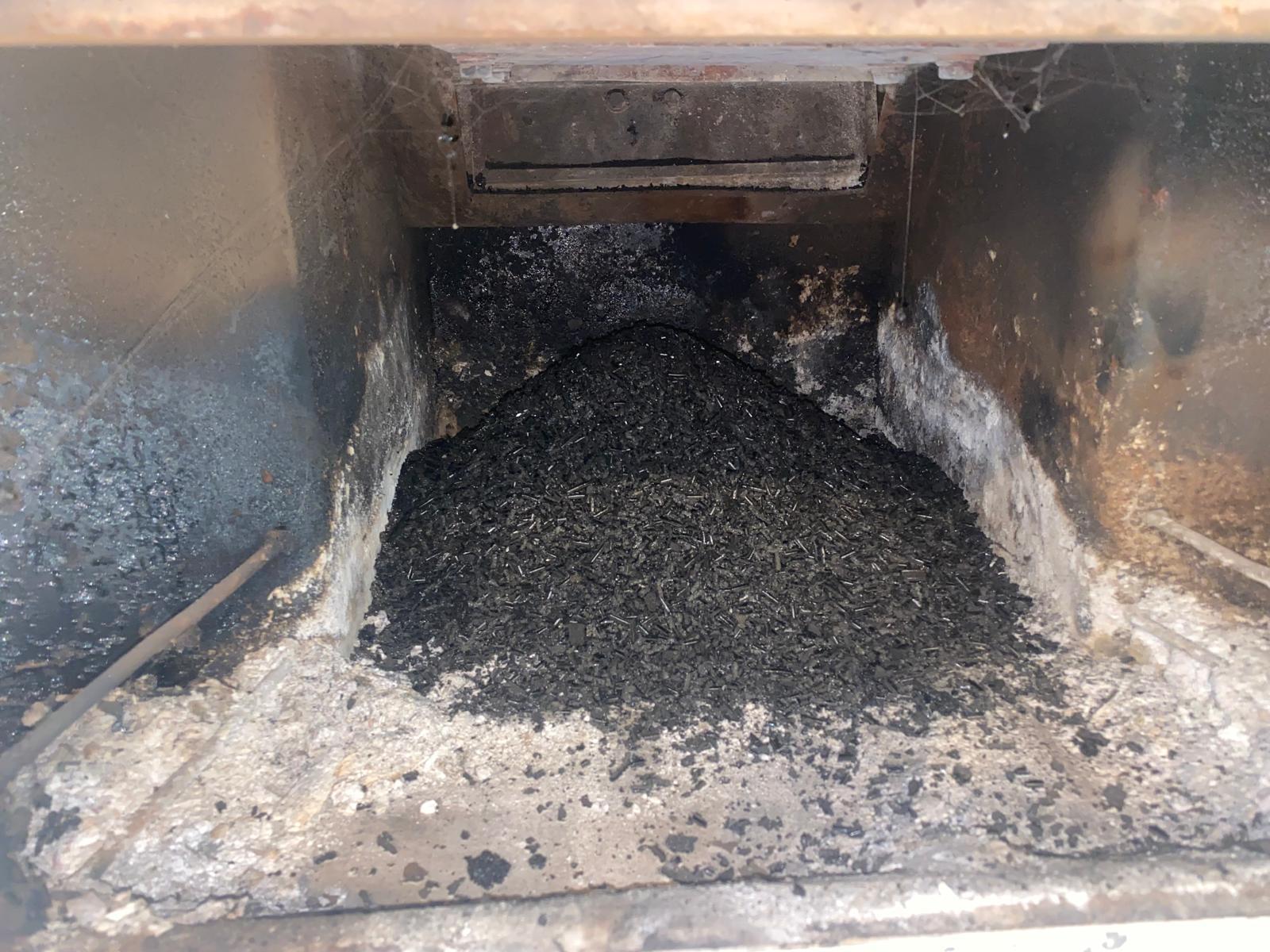
- Cleaning: Soot and creosote buildup can obstruct both types of dampers, preventing them from closing completely. Professional chimney sweep services will clean the damper as part of a thorough chimney cleaning, removing blockages and ensuring smooth operation. DIY attempts without proper tools or safety measures are not recommended due to height and confined space hazards.
- Lubrication: For throat dampers with hinges or sliding mechanisms, applying a high-temperature lubricant to the moving parts can prevent seizing and promote smoother operation. This is less applicable to top-sealing dampers, where the focus is on the cable system.
- Check for Smooth Operation: Routinely open and close your damper to ensure it moves freely without sticking, grinding, or excessive force. Any resistance indicates an issue that requires attention.
\n
\n
\n
\n
\n\n
Even with diligent personal care, an annual professional chimney inspection by a certified service like DD Chimney Cleaning remains the most reliable method to ensure your damper, and indeed your entire chimney system, is in optimal condition and functioning safely. These specialists possess the tools and expertise to identify subtle issues that might be missed by an untrained eye.
\n\n
Signs Your Damper Needs Replacement
\n\n
Recognizing the indicators that your damper is failing or inadequate is crucial for maintaining your home’s efficiency and safety. For homes across Los Angeles, from coastal properties to inland valleys, these signs are universally relevant.
\n\n
Visible Damage
\n\n
- \n
- Rust and Corrosion: Especially common in throat dampers, extensive rust can cause the metal to warp, weaken hinges, or even lead to holes, compromising the seal.
- Cracks or Breaks: Cast iron throat dampers can crack from heat stress or impact. The lid or components of top-sealing dampers can also break or deform if struck by debris.
- Warping: Persistent exposure to high temperatures can cause metal components to bend, making a full, tight seal impossible.
- Damaged Gasket (Top-Sealing Dampers): The silicone gasket is vital for sealing. If it’s cracked, torn, or deteriorated, the damper will no longer be airtight.
\n
\n
\n
\n
\n\n
Ineffective Sealing and Operational Issues
\n\n
- \n
- Drafts: If you feel a constant draft coming from your fireplace even when the damper is supposedly closed, it’s a clear indication of a poor seal. This can be particularly noticeable on cooler evenings or during a brisk Santa Ana wind.
- Heat Loss/Gain: Higher-than-normal heating or cooling bills, without changes in usage, can point to a leaky damper allowing conditioned air to escape. This is a significant factor in managing energy costs in a varied climate like Los Angeles.
- Odors: A persistent smoky smell in your home even days after using the fireplace, or an unpleasant musty odor, suggests that the damper isn’t effectively sealing off the chimney flue.
- Difficulty Operating: If the damper is stiff, grinds, or refuses to open or close fully, its mechanism may be damaged, rusted, or heavily caked with creosote. For top-sealing dampers, a frayed or stuck cable is a common culprit.
\n
\n
\n
\n
\n\n
Transitioning to Efficiency
\n\n
Even without overt damage, if your Los Angeles home has an older throat damper, considering an upgrade to a top-sealing unit is a proactive move for energy efficiency. The long-term savings on utility bills, combined with superior protection from pests and weather, often justify the initial investment, aligning with the increasingly stringent energy efficiency goals for properties throughout Southern California. Speaking of home maintenance, Los Angeles Air Duct Cleaning provides top-quality air duct cleaning.
\n\n
Frequently Asked Questions About Chimney Dampers
\n\n
Q1: Can I operate my fireplace without a damper?
\n
A1: While physically possible to light a fire without an operable damper, it is highly inadvisable. Without an open damper, smoke and dangerous combustion gases like carbon monoxide will fill your home. Conversely, a permanently open damper when not in use leads to significant energy loss, allowing conditioned air to escape and outside elements to enter. A functional damper is essential for both safety and efficiency. Many of our readers also trust this helpful resource for their home service needs.
\n\n
Q2: How often should I have my chimney damper inspected?
\n
A2: Your chimney damper should be inspected annually as part of your comprehensive chimney inspection and cleaning service. A professional sweep can identify signs of wear, damage, or buildup that might compromise its function, ensuring it operates safely and efficiently for the varied conditions of Los Angeles weather.
\n\n
Q3: What’s the main benefit of upgrading from a throat damper to a top-sealing damper in Los Angeles?
\n
A3: The primary benefit for Los Angeles homeowners is significantly improved energy efficiency. Top-sealing dampers create an airtight seal at the top of the flue, preventing substantial conditioned air loss. This translates to lower utility bills for heating during cool periods and reduced air conditioning strain in warmer months. They also offer superior protection against common LA pests and moisture penetration.
\n\n
Q4: Is damper replacement a DIY project?
\n
A4: Damper replacement is generally not recommended as a DIY project. It often involves working at heights on the roof for top-sealing dampers, or complex access within the firebox for throat dampers. Incorrect installation can lead to safety hazards (smoke leakage) or continued inefficiency. Professional chimney technicians have the specialized tools, training, and experience to safely and correctly install or replace a damper, ensuring it meets all safety codes.
\n\n
Secure Your Home’s Efficiency and Safety
\n\n
The chimney damper, while a seemingly minor component, plays a major role in the safety, efficiency, and longevity of your fireplace and chimney system. Ensuring it is properly chosen, maintained, and replaced when necessary
Our Chimney Services:
Professional chimney cleaning and chimney inspection services available nationwide. Our CSIA-certified technicians serve Chicago, New York, Boston, Houston, and hundreds of cities nationwide. Call (833) 339-6803 for a free inspection.